Alabama Mom Disturbed Over Brand-New SUV’s Exploding Moonroof Says Hyundai Service Manager Already Saw the Problem 20 Times
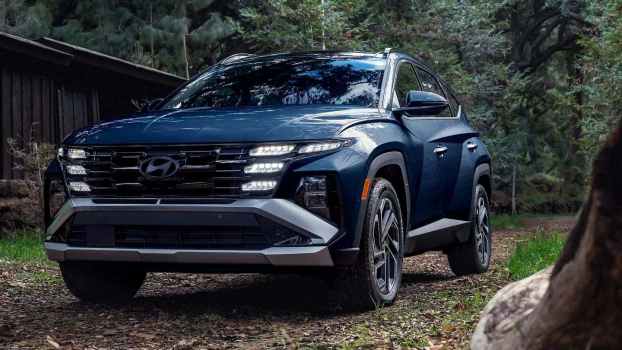
Deborah Pugatch found herself gripping the wheel on I-65 near Warrior, Alabama, trying to figure out what had just detonated above her head.
She was only a couple of miles from home, driving her brand-new Hyundai Palisade with her son, when she heard what she thought was a tire blowout. “I was like what in the world. Let me get over. I must have blown a tire,” Pugatch said.
The noise wasn’t rubber. It was glass.
By the time she pulled the Hyundai into her garage, the moonroof was still crackling, breaking apart piece by piece
Pugatch later shared video showing the rear moonroof glass continuing to fracture on its own.
The sunshade was closed, which likely prevented injuries. Still, the moment stuck with her.
“My second thought was oh my gosh, what if one of the kids would have been in the back seat?” she said. “What if glass would have gotten in the eyes of one of the kids or cut?”
The next day, she brought the SUV to the Hyundai dealership
That’s when the situation took another turn. According to Pugatch, the service manager immediately recognized the issue. “I’ve been here for two years and I’ve seen this probably 20 times,” she said he told her.
Her experience isn’t isolated
Sudden shattering or exploding sunroofs and moonroofs have generated thousands of complaints nationwide. The National Highway Traffic Safety Administration received reports over the past five years and previously ran a seven-year investigation that began in 2014.
That probe logged more than 4,000 complaints involving at least 13 automakers, including Hyundai, Kia, Ford, and Audi.
But it ended in 2021 without a recall
Investigators said spontaneous shattering was “not an uncommon occurrence” but did not find enough evidence of a safety-related defect or significant injuries.
“They decided they simply didn’t have enough evidence to order a company to do a recall,” said Michael Brooks, executive director of the Center for Auto Safety.
Brooks still sees risk. A sudden explosion overhead can startle drivers into dangerous reactions. He also noted the investigation found the failure rate declining over time, suggesting glass manufacturing has improved, but not solved the problem.
According to local outlet WBRC, Hyundai covered the repair under warranty but denied a buyback under Alabama law. Pugatch is appealing through the Better Business Bureau’s Auto Line and hopes NHTSA reexamines the issue. She now keeps both roof panels closed.
“There is a safety hazard. There is a problem,” the Hyundai owner said.