91-Year-Old Still in Business After Converting Their Plymouth Dealership to an Antique Mall
“This was our showroom, that was our parts room.” 61 years ago, Faye Dundore’s husband decided to go into business selling Plymouth and Chrysler cars. They opened in Leesport, Pennsylvania.
By 1980, he terminated his relationship with the automaker. The family owned the commercial property. What would they do with the space they displayed ’70s Plymouth Road Runners in?
Well, Dundore explained, they decided to follow her passion: antiques.
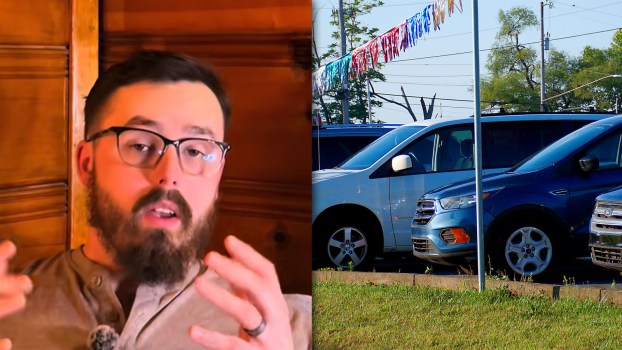
Local outlet WFMZ visited the former shop-turned-treasure trove. They reported that even though it’s heavily decorated for the holidays, you can still just barely smell Leesport Antique Mart’s former purpose.
Clearly, Faye knows what she’s doing. After all, the antique store far outlasted the Plymouth dealership…by about three decades.
At 91, she still sits in the store and chats with customers. Her daughter and son and his family mostly handle the inventory now. But she says she still remembers the old Chrysler store. “When you’re here that long you can’t forget all those items and things. How it was.”
For kicks, I went ahead and looked up the top-selling Plymouth car in the 1970s, at the peak of the Leesport store.
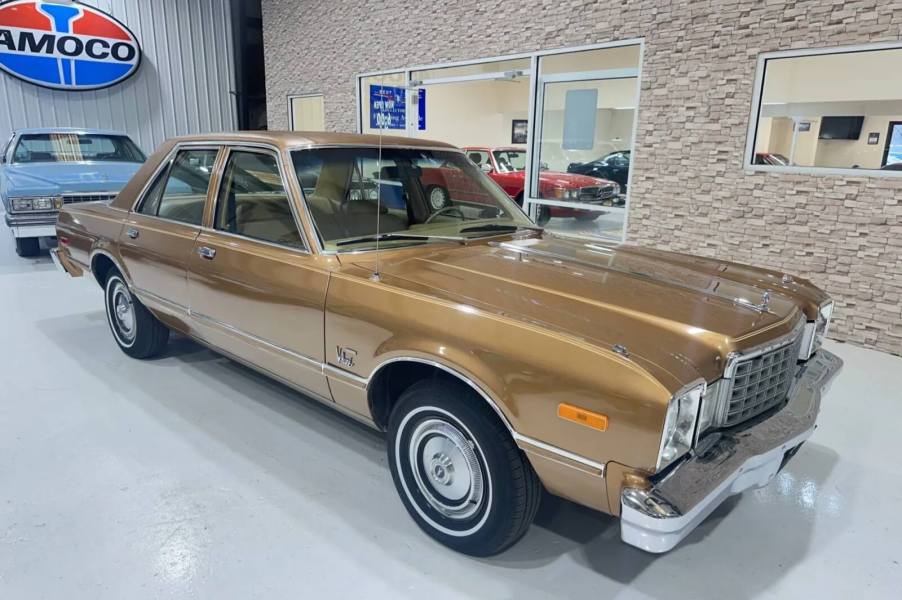
In its prime, the Volaré carried the brand on its back and became Plymouth’s strongest volume performer of the decade
In 1976, the Volaré hit the family-car bullseye at the right moment. It replaced the long-running Valiant and arrived with fresh styling, a quieter ride, and a more refined cabin. You could order a coupe, sedan, or wagon.
The wheelbase measured just over 112 inches, so it kept the tidy size buyers wanted but still had real interior room. Most models carried the dependable Slant Six or an optional small V8, which gave it enough punch for daily driving without scaring anyone at the pump.
It went up against cars like the Chevy Nova and Ford Granada. Plymouth loaded it with features shoppers in that era actually cared about. You could get comfy split bench seats, cleaner emissions tech (which limited performance, hence the “toy racecar sticker” styling on Road Runner versions, and better sound insulation. The suspension tuning leaned toward smooth cruising, using new engineering that was highly regarded at the time.
That blend of size, comfort, and tech helped Plymouth (Chrysler) move a lot of them before quality issues dragged sales down soon after its prime. In 1977, Chrysler sold more than 320,000 of them, but by 1980 reliability gripes like stalling and rust tanked new sales. The automaker took it out of production after only four years.