7 things you can do to save money on fuel, even in a gas guzzler
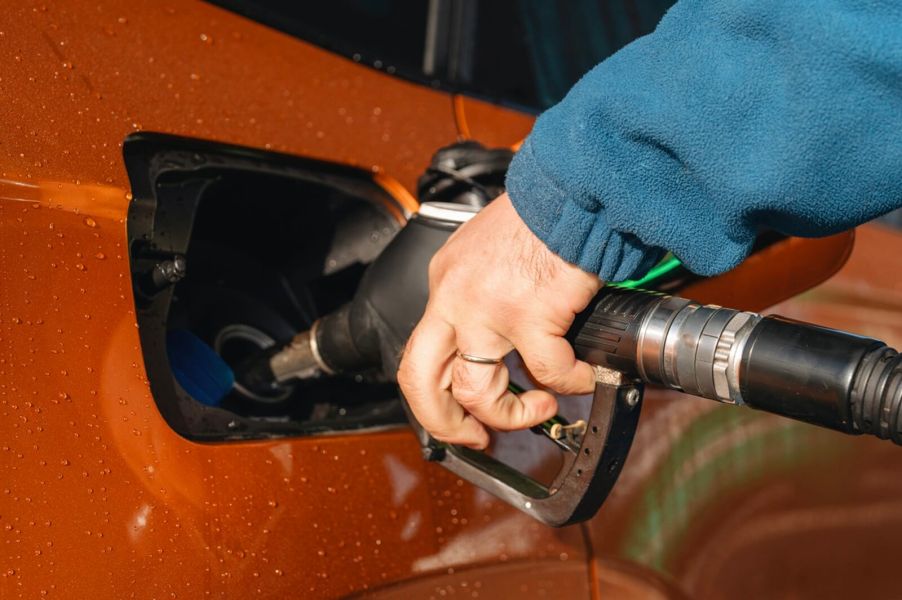
Short of making the transition to a battery electric vehicle (BEV), every driver is doomed to gas station visits. But that doesn’t mean you have to spend big bucks on fuel. If you use these tips and make a few modifications, even thirsty old rides can comfortably fit your fuel budget.
- Drive less and use public transportation
It might seem obvious, but reducing your time behind the wheel reduces your fuel consumption. Duh, right? Fortunately for urban commuters, there’s no shortage of options. Walking or riding a bicycle whenever possible, combined with public transportation, can reduce your carbon footprint and your fuel expenses.
As for suburban and rural commuters, car pooling can reduce the number of cars on the road and save you some money on fuel. Use the concept of conservation of movement. If you’re running errands, drive them at once and on a sensible route.
- Too much gas or brakes can cost you
Everyone knows that a heavy right foot can cost you at the gas pumps. But being overzealous with your brakes can also hit you in the wallet. Anytime you brake hard, you scrub off your car’s kinetic energy and momentum. To get back up to speed, you’ll need to accelerate that much harder. Whenever possible, take a smooth, easy approach to accelerating and braking. It’s not just good practice, it’s a means of lowering your expenses at the pumps.
- Use cruise control for a consistent speed
Driving those long highway miles across flat ground? Cruise control can help you avoid taking a “slinky” tactic with your driving. Instead, picking a sensible speed and using cruise control can help you maintain your momentum at a reasonable RPM, reducing your fuel consumption. However, your car will downshift when descending a hill on cruise control to maintain speed. That means higher RPMs and more burned fuel.
- Avoid idling for too long
It might seem tedious, but if you’re going to be stationary for a while, like at one of those abhorrent super-lengthy stoplights, you might want to consider turning off your engine.
According to Linda Gaines, a transportation systems analyst at Argonne National Laboratory, “drivers save fuel and reduce emissions by shutting down for stops as brief as 10 seconds.” While that might seem like a lot, lengthy stoplights are a good candidate for shutting down rather than idling.
- Don’t roll your windows down or use the A/C if you don’t have to
You’ve heard that your A/C may cut down on your overall fuel efficiency. But you might not know just how much it can swell your expenses at the gas pumps. An A/C working overtime to cool the cabin of a hot car can reduce fuel economy by as much as 25%, per the Department of Energy. That’s one gluttonous component.
However, believe it or not, rolling down your windows can also harm your fuel economy. SAE International found that open windows can raise fuel consumption by around 9% at speeds of around 50 mph. Improper tire pressure may similarly sap fuel economy.
- Use gas rewards programs
Tired of getting those pump-side prompts to sign up for rewards? Well, if you frequent a gas station near home, it might be worth your while to sign up and start stacking benefits. It might be little savings here and there, but when considered over the years with a less-than-efficient vehicle, it’ll be worth it.
- Mind where and when you fill up
It may be a matter of mere cents here and there, but being smart about pump selection can save you money. For instance, gas prices tend to be slightly cheaper on Mondays following weekend travel. What’s more, gas stations directly adjacent to major highways may have higher fuel prices than stations further away. Smartphone applications can reveal gas prices in near real-time, allowing you to pick your pump with savings in mind.