6 car hacks that seem smart but can absolutely backfire
Some car hacks sound like clever shortcuts. A few even feel so budget-friendly, they might actually give off “genius” vibes in the moment. But plenty of them can land you in trouble: mechanically, legally, or financially. At this point, with cars becoming more advanced and warranty terms more specific, it’s easy to do more harm than good. Here are a few popular tricks that drivers still try, and why they can absolutely backfire.
Using Coke to clean car battery terminals
It fizzes, it foams…and it seems to work. But pouring soda on your battery terminals to clear corrosion is asking for long-term trouble.
Cola is acidic and leaves behind sticky residue that attracts dirt and grime. Worse, it can drip down onto plastic or metal components and corrode things you didn’t mean to clean.
Stick with a proper battery terminal cleaner or a paste of baking soda and water instead.
Covering a windshield chip or crack with clear nail polish
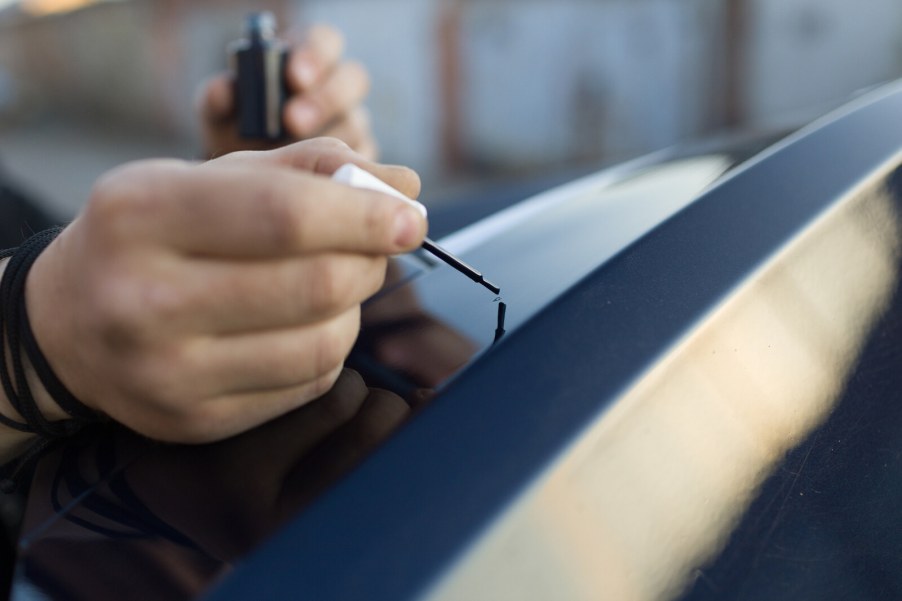
The logic makes sense: Nail polish can harden and fill tiny gaps. But it’s not a real fix.
At best, it’s a short delay. At worst, it gives a false sense of security while cracks continue spreading.
A cracked windshield compromises structural integrity, and in many states, it can fail inspection. Professional resin repair kits or a stop at a glass shop are safer bets.
Taping over a car’s dashboard warning lights
A check engine light is not a suggestion. Covering it with tape won’t make the issue go away, and it can set you up for a much more expensive repair.
In some cases, you could be doing damage every mile you drive. Some drivers tape over TPMS or ABS lights too, not realizing those systems might be offline.
If you’re tempted to ignore it instead of fixing it, it’s time to get a scan and understand what’s really going on first.
Using dish soap as windshield washer fluid
It’s cheap. It’s easy. And it’s a disaster. Dish soap isn’t designed for automotive use. It leaves streaks, can clog your washer pump, and in cold states, it freezes quickly.
Store-brand washer fluid is only a few dollars and often includes antifreeze agents that protect your system year-round.
Hot-wiring or bypassing fuses for quick fixes
Drivers occasionally try to bypass blown fuses with paperclips or foil. It can get your AC or radio working again, but it’s a fire risk.
Fuses exist to protect your car’s wiring. If you bypass that protection, you’re one short circuit away from smoke and melted plastic…or worse.
Storing a spare car key with a magnet under the car
Apparently, people still do this? The old-school trick seems convenient…until someone else finds it.
Many drivers still use magnetic boxes for emergency keys. But thieves know where to look. If you lock yourself out often, consider a digital lockbox or a smart key subscription app from your automaker.
It’s tempting to try shortcuts, especially when money or time is tight
But many car hacks that seem smart in the moment can lead to bigger problems later. When in doubt, go with a fix that’s backed by solid automotive advice, not just something that went viral online.