4 Important Things to Know About Driving Etiquette
Whether you just received your driver’s license or you have been driving for over 30 years, it’s important to remember your driving etiquette. According to Your Mechanic, the term refers to “the courtesies that drivers are expected to show other drivers on that share the road with them.”
The whole point of driving etiquette is to make driving better for everyone on the road, even if you’re not exactly happy with the way that other drivers around you are driving. If you feel that you need to brush up on some of this etiquette, here are four important points to review.
1. Learn how to merge into traffic
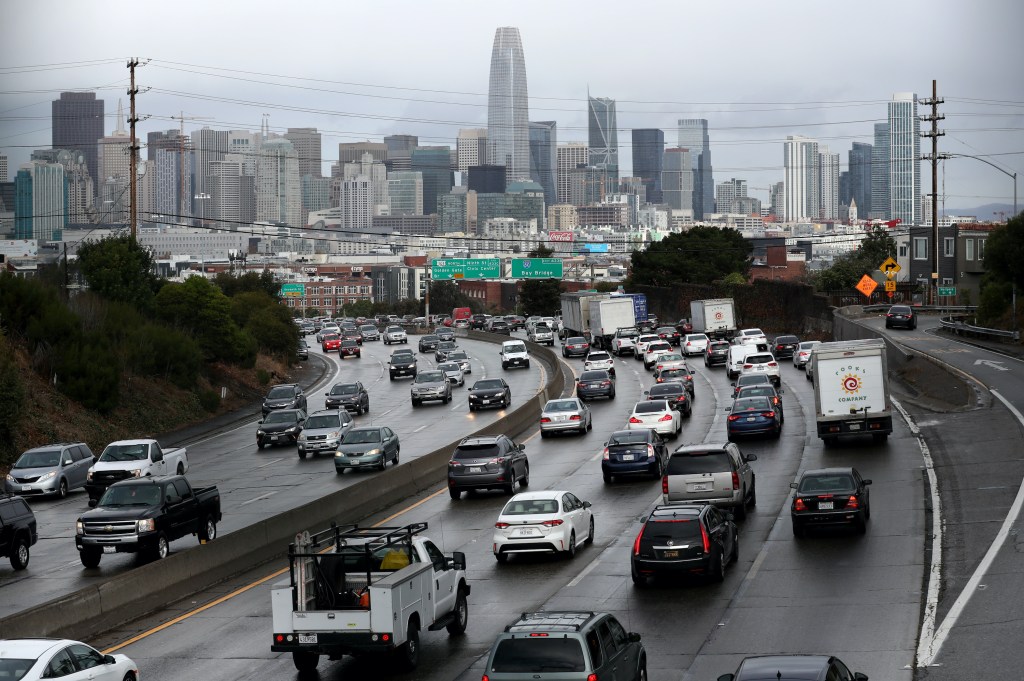
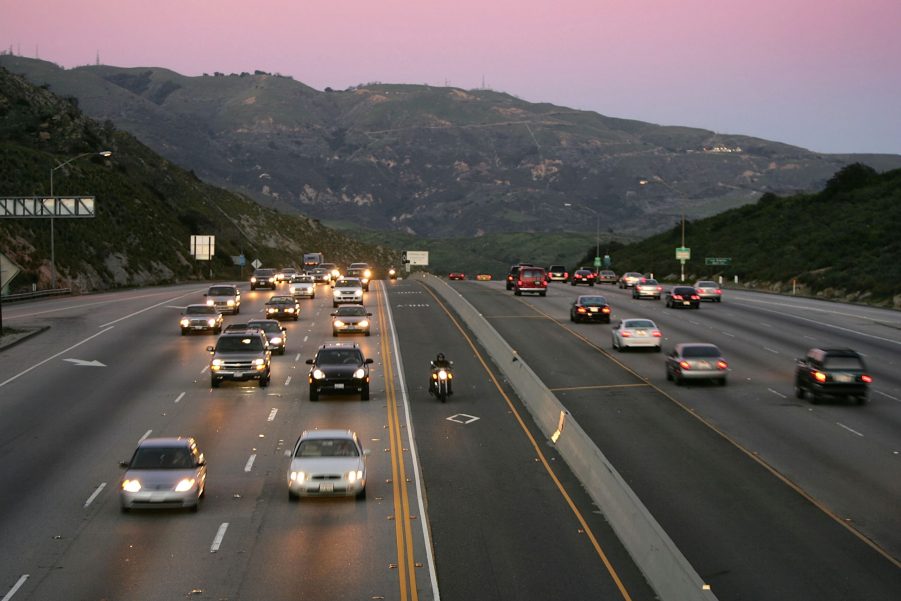
Merging into traffic seems to be a lost art, especially since there are millions of cars that share the roadway with you every single day. However, it’s important to remember that if you’re driving on the highway and coming up on an on-ramp, move over to the left when it’s safe to do so. That way, you can let other cars merge safely onto the highway with you.
If you’re the one that’s merging onto the highway, then make sure to speed up to match the flow of traffic. No one likes having to slow down for a car that’s merging onto a highway at 40 mph when the speed limit is 65 mph. So, don’t be that driver.
2. Use the left lane for passing
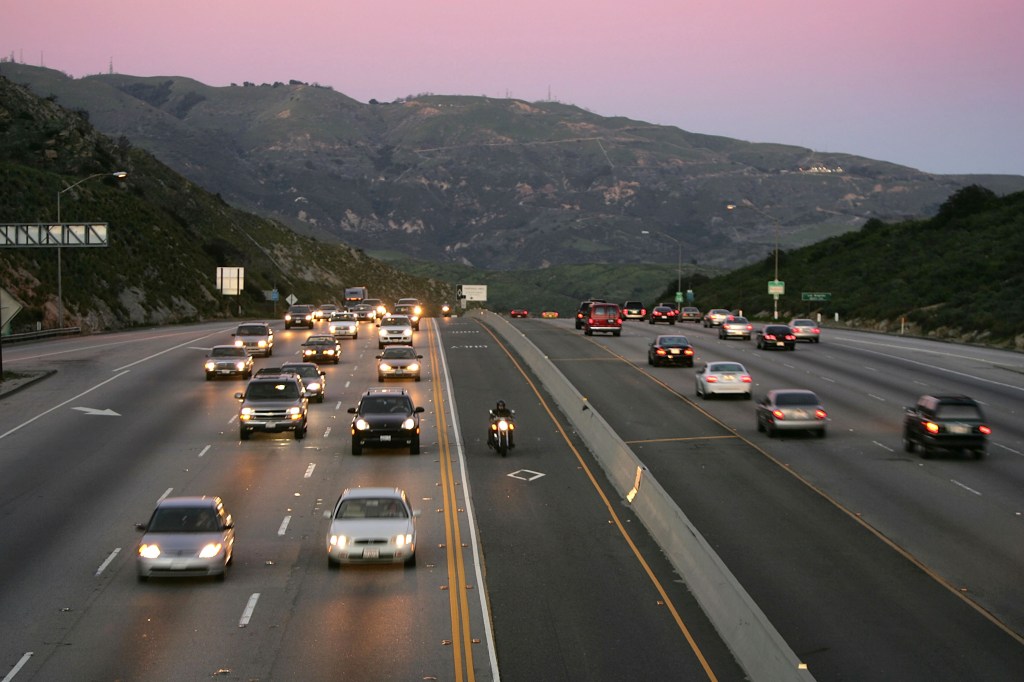
This one is easy to remember: left lane equals fast, right lane equals slow. That means that if you’re doing the speed limit (or slower) in the left-most lane on the highway, then you’re probably going too slow for the flow of traffic. In that case, get over to the right lane and cruise there so that faster cars can get by.
3. Turn off your high beams when necessary
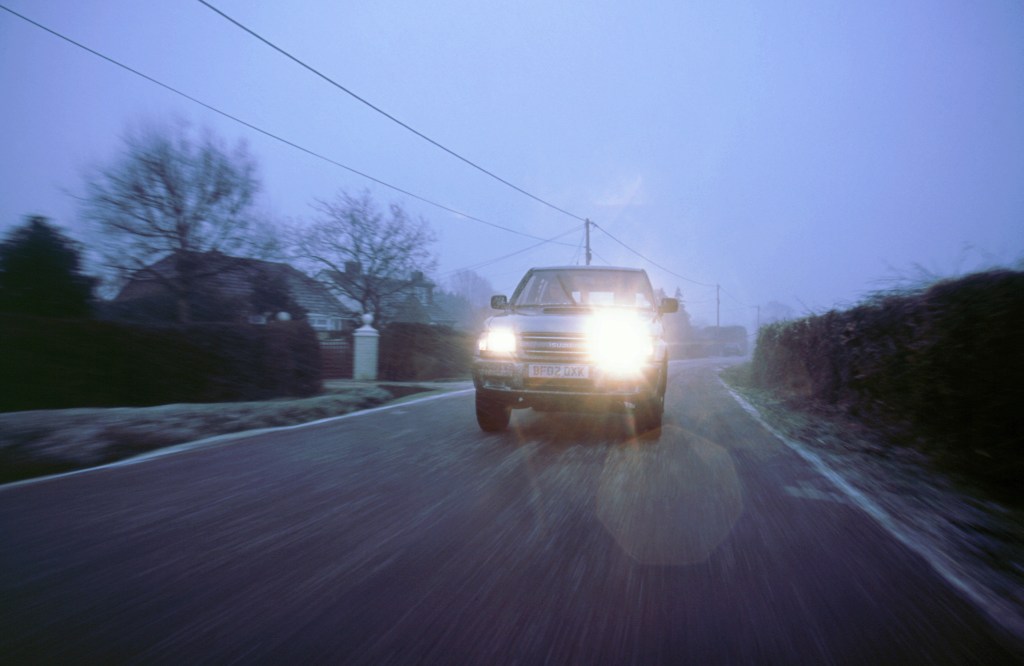
This one is a no-brainer, but I’m sure we have all been victim to the blinding lights from the car or truck behind us. It’s painful and dangerous. That being said, make sure that your high beams are turned off so that you don’t blind the car in front of you or any other oncoming cars in the lane next to you.
4. Don’t tailgate other cars
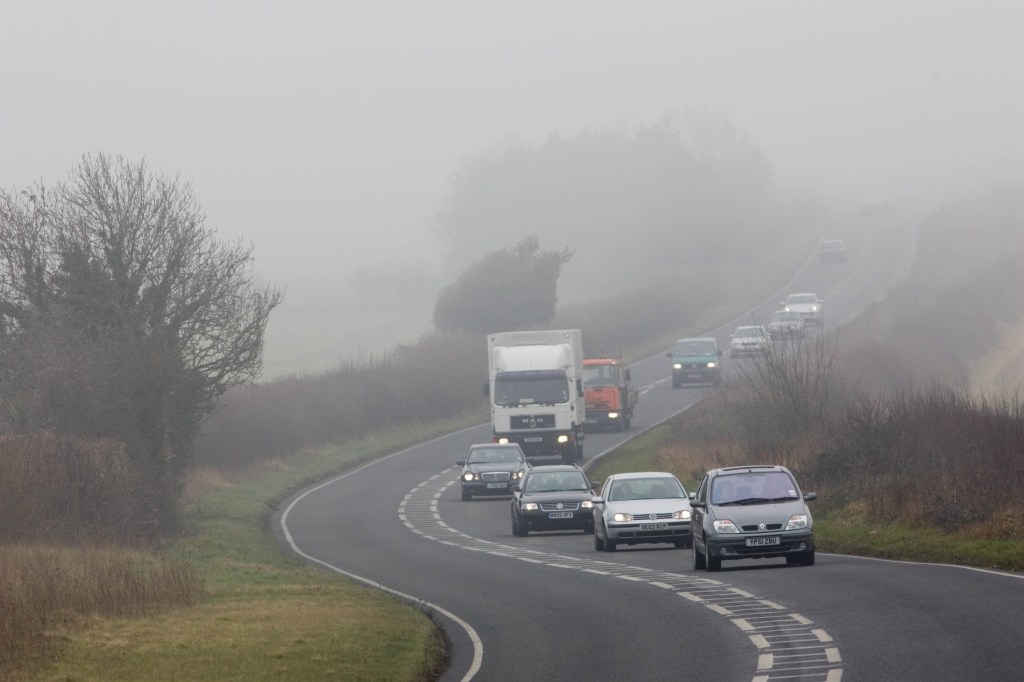
Tailgating the car in front of you is not only annoying and dangerous, but it also won’t get you to your destination quicker. In that case, keep a safe distance between your car and the one in front of you at all times, even if they’re driving too slow for your liking.
If all else fails, just be friendly
Lastly, whether you commute to work on a daily basis or just drive on occasion, it’s important to always be as friendly as possible to the other drivers on the road. Yes, I know it can be tough sometimes considering other driver tend to make mistakes, cut you off, and drive with their heads buried in their phones. But again, don’t be that driver and remains as courteous as possible. After all, the main goal of driving is to arrive at our destination alive and well not angry and upset.