Drivers say 3 of the most stressful intersections in the world are in the U.S.
We might joke about “white-knuckling” through traffic, but for many, navigating a complex intersection is no laughing matter. According to a recent analysis, three of the world’s most anxiety-inducing junctions are right here in the United States. The research measured stress levels based on how much confusion, fear, and anxiety each location triggered in surveyed drivers.
And the results make one thing clear: America builds big, bold, and sometimes bewildering roads.
Topping the list globally is Ethiopia’s famously chaotic Meskel Square in Addis Ababa
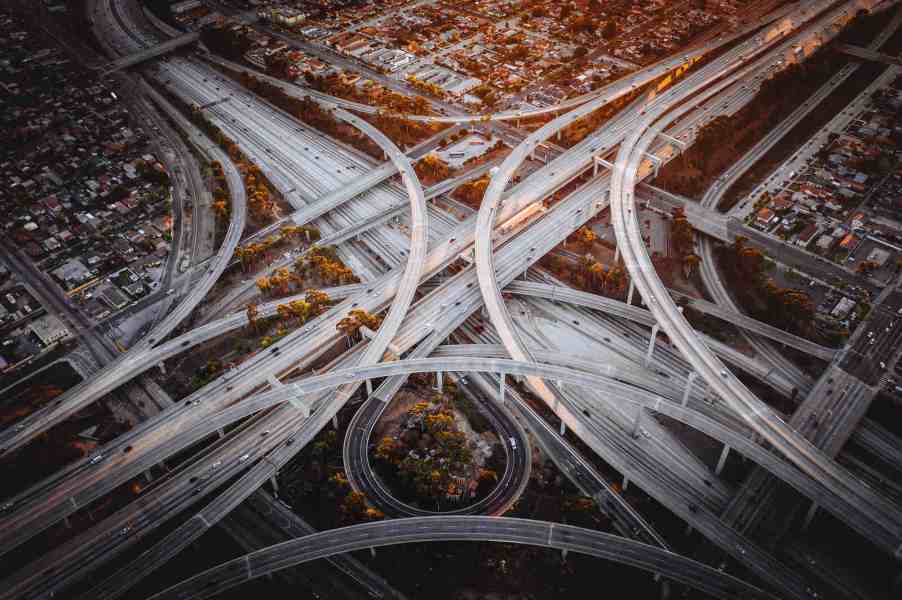
But hot on its heels, in second place worldwide, is the Judge Harry Pregerson Interchange in Los Angeles, California. If you’ve ever taken a wrong exit here, you know the feeling…
Eight stacked traffic levels, towering over 130 feet high, and a design that offers full directional access. It’s part maze, part rollercoaster, and for many drivers, all stress.
New Jersey also makes the stress scoreboard with the Newark Airport Interchange landing in 4th place
This tangled mix of ramps and lane merges has long tested the nerves of travelers trying to make a flight on time.
It’s not just the complexity, either. It’s the pressure of hitting the right ramp at the right second while navigating aggressive local traffic.
Don’t forget about sunny San Diego
There, the I-5/I-8 Interchange ties with two other European junctions for ninth place. With its high traffic volume and complex lane changes, it adds yet another layer of stress to one of the West Coast’s busiest corridors.
Globally, the study shows that Europe’s centuries-old cities contribute several mind-bending roundabouts to the top 10, including Paris’ Arc de Triomphe and Rome’s Piazza Venezia. But the U.S. takes a strong showing for sheer structural complexity and driver anxiety.
To create the ranking, Scrap Car Comparison surveyed 1,000 UK drivers and showed them satellite and street-level images of notorious intersections. They asked participants to rate each one based on how much confusion, fear, and anxiety it would cause. Those ratings were converted into a composite Stress Score.
So, if you’ve ever felt your pulse quicken when approaching a multi-layer interchange in LA or missed a ramp near Newark, you’re not alone. According to the numbers, these intersections really do raise blood pressure…and they’ve got the global stress scores to prove it.