20 Downsides to Buying a Lexus You Should Know

Lexus might seem like a solid luxury choice, but is it really the best fit for you? There are a few catches to consider, from cost to convenience. These 20 points show why a Lexus might not deliver the driving experience you expect.
High Repair Costs

The cost of maintaining a Lexus can be high. Luxury cars like these often have complex systems that require specialized service and can lead to bills that add up fast. Lexus parts and labor can come at a premium, so those costs might surprise you if you’re not prepared.
Not the Most Fuel-Efficient

If you’re looking to save on gas, Lexus isn’t the best bet. Many models aren’t as fuel-efficient as competitors, especially in SUVs and larger sedans. When gas prices spike, filling up a Lexus can hit the wallet hard. Consider this if you drive long distances.
Limited Tech Features
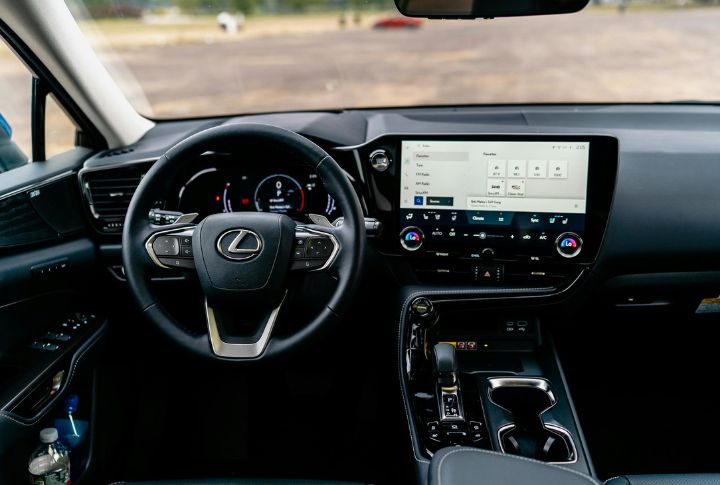
The tech can feel a bit dated, mainly when you compare it to other luxury brands. While Lexus has some great basics, advanced features like advanced touchscreens and voice commands often lag behind. If you love tech, you might feel underwhelmed.
Pricey Insurance

A luxury car equals luxury insurance. Many models come with higher insurance premiums because of their brand and repair costs. Insurance for a Lexus can sometimes double that of a non-luxury car, so check rates before getting locked into that monthly bill.
Lack of Sporty Drive Feel

If you love sharp turns and zippy acceleration, you may be disappointed. And for a brand that aims to be “luxury,” Lexus doesn’t offer the sporty ride that some might expect. Several models feel focused on comfort but lack that quick, responsive handling.
Expensive Upgrades

Even basic ones can quickly get pricey once you start adding options. From premium audio systems to upgraded leather seats, every little upgrade tends to push the price higher. Those bells and whistles add up, sometimes doubling the car’s base price!
Limited Warranty Coverage

While Lexus has a reputation for reliability, the warranty coverage isn’t as extensive as some other brands. Luxury brands like Genesis often have longer warranties, which gives more peace of mind. Lexus, on the other hand, can leave you footing repair bills sooner.
Small Cargo Space in SUVs

If you’re choosing an SUV for extra room, this one may disappoint. Several SUVs don’t have as much cargo space as competitors, which makes them less ideal for hauling gear. You might be squeezing to fit luggage, groceries, or sports equipment.
Complex Infotainment System

Its infotainment system can be tricky to use. Some drivers find the touchpad setup less intuitive, with awkward controls that distract from the road. If easy-to-use tech is a priority, this might be a frustrating experience when you’re behind the wheel.
Limited Electric Options
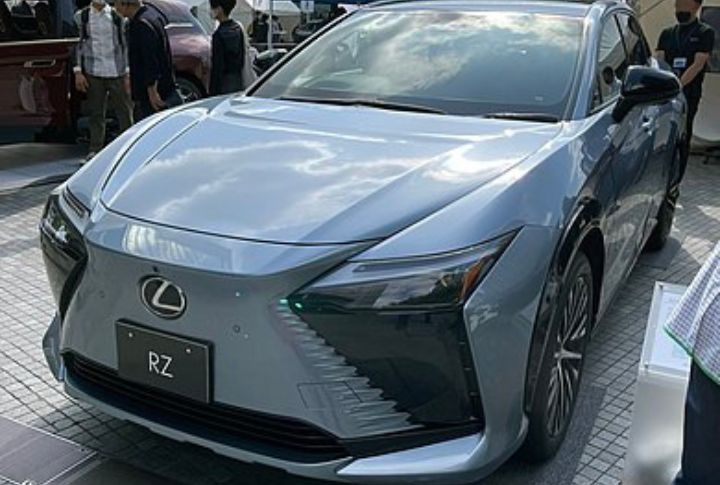
Want to go green? Lexus offers fewer hybrid and electric models than other brands, so eco-conscious drivers may find their options limited. In case you’re committed to an electric future, you might find that Lexus doesn’t meet your goals just yet.
Resale Value Isn’t Top-Notch

Compared to other luxury cars, this one doesn’t always hold its resale value. While they’re known for reliability, some don’t retain value, and neither do German luxury brands. When resale value matters to you, think twice before investing in a Lexus.
Less Spacious for Tall Drivers
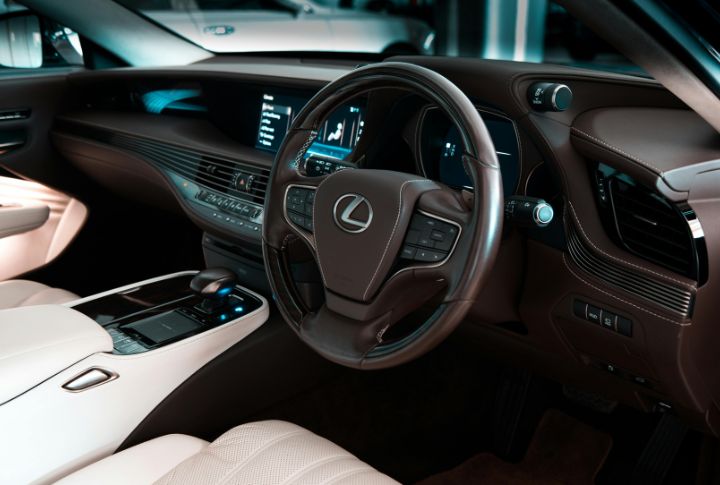
If height’s on your side, try the fit before buying. Legroom in these sedans and SUVs might feel tight for taller drivers. They don’t offer as much space as you’d expect from a luxury car, which can make longer drives uncomfortable.
High Initial Price

The starting cost can be steep, even for entry-level models. Luxury doesn’t come cheap, and for the price, you might get more features or space from a non-luxury brand. That premium price tag might not be worth it for everyone.
Conservative Styling

Lexus’ design leans towards the classic side. While many people love the refined look, others find it lacks excitement. For a bold, flashy style, you might find Lexus a bit too subtle for your taste, especially when compared with sportier brands.
Limited Towing Capacity

Looking to tow a boat or trailer? SUVs aren’t the best choice for heavy loads, as many models offer limited towing capacity. A Lexus SUV might not handle your adventures as well as you’d like when towing power is on your checklist.
Few Customization Options

Many luxury brands let you customize everything, down to the stitching. Lexus, however, doesn’t offer as many choices, so if you’re into personalization, options might feel limited. It might not offer enough flexibility for drivers wanting a fully custom feel.
Stiffer Ride in Some Models

Although they may focus on comfort, certain models have a stiffer, less forgiving ride. If smooth cruising is your style, you might be in for a bumpier experience in these models. Try before you buy, mainly if your driving often involves rougher roads.
Fewer Dealer Locations

Dealerships aren’t as widespread as some other brands, which makes it harder to find service centers. Maintenance and repairs can become inconvenient if you don’t live near a dealer. Think about proximity before investing in a Lexus for easy service.
Limited Trim Choices
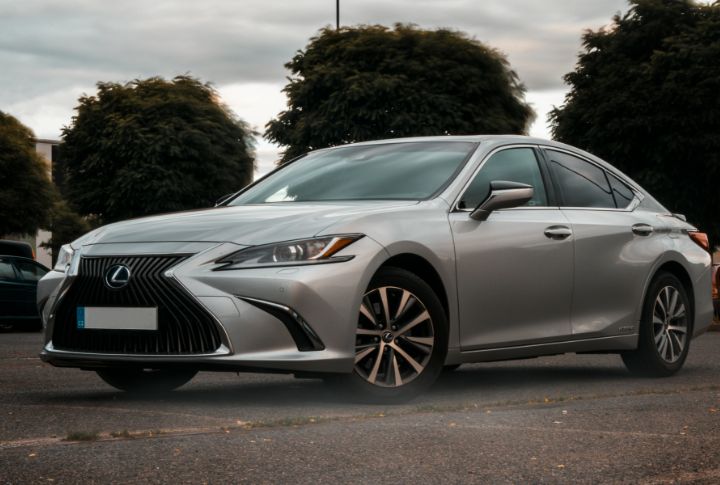
Certain models don’t come with the range of trims you might see from other brands. The choices can feel narrow if you want specific features without going over budget. You may have to jump to higher trims for standard luxury features.
Hybrid Models Have Limited Power
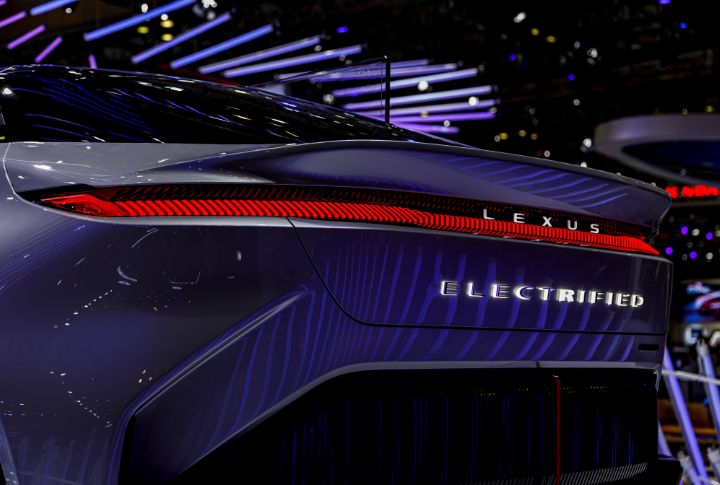
Hybrids may save gas, but they sometimes sacrifice performance. Many hybrid models don’t pack as much power under the hood and give you less punch on the road. Compared to other hybrids, Lexus hybrids may not feel as thrilling if power is your top priority.