13 cars that are way too expensive to fix according to a former service advisor
I spent a decade behind a service desk watching customers weigh a wrenching question: fix it, or walk away. Every week, someone rolled in with a beloved car that had finally betrayed them. An engine imploded, a transmission vaporized, a repair bill that could buy a (running) used Honda in straight cash. And sometimes, no matter how much they loved that car, the math just didn’t make sense.
Some models earned a reputation among service advisors like me for that exact reason. They’re cars that, once broken, are often too expensive to bring back.
Whether it’s a fragile engine design, a labor nightmare, or parts that cost more than a mortgage payment, these are the cars that make even seasoned mechanics sigh before writing the estimate. Here are the worst offenders.
1. Nissan Murano (2003–2007)
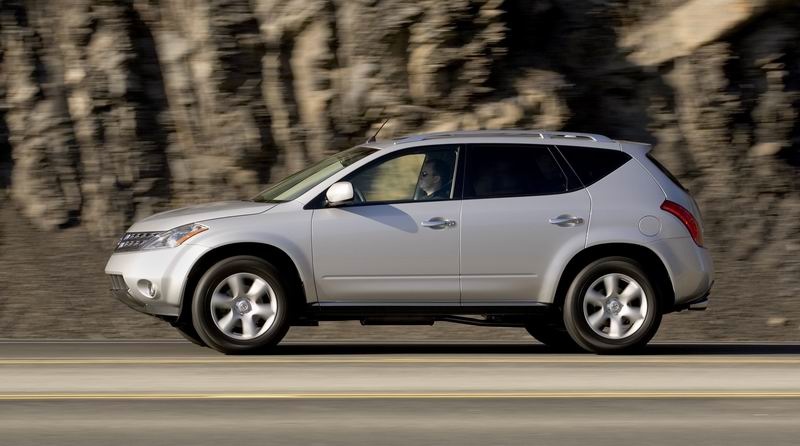
The first-generation Murano was an early CVT pioneer, and those continuously variable transmissions have a habit of failing in dramatic fashion.
Some years back, I had a 2006 myself. I realized something was very wrong when I tried to pull out of a store parking lot into traffic. The SUV lagged forward, so slowly I thought an approaching car would T-bone me. I’d had plenty of time to enter the road, but the CVT had failed.
Our rebuilder didn’t service CVTs. I had to call the dealer. Nissan extended the warranty, but mind was a crushing 3,000 miles over the threshold. By the grace of the parts counter guy, we got a discount. Still, it was a spendy repair…even for a shop family.
A replacement CVT runs thousands, and because the early Muranos aren’t worth much on the used market, many owners scrap them instead. Even those who do replace the transmission sometimes find themselves facing another failure just a few years later.
2. 2004–2010 Ford F-150 with the 5.4-liter Triton V8
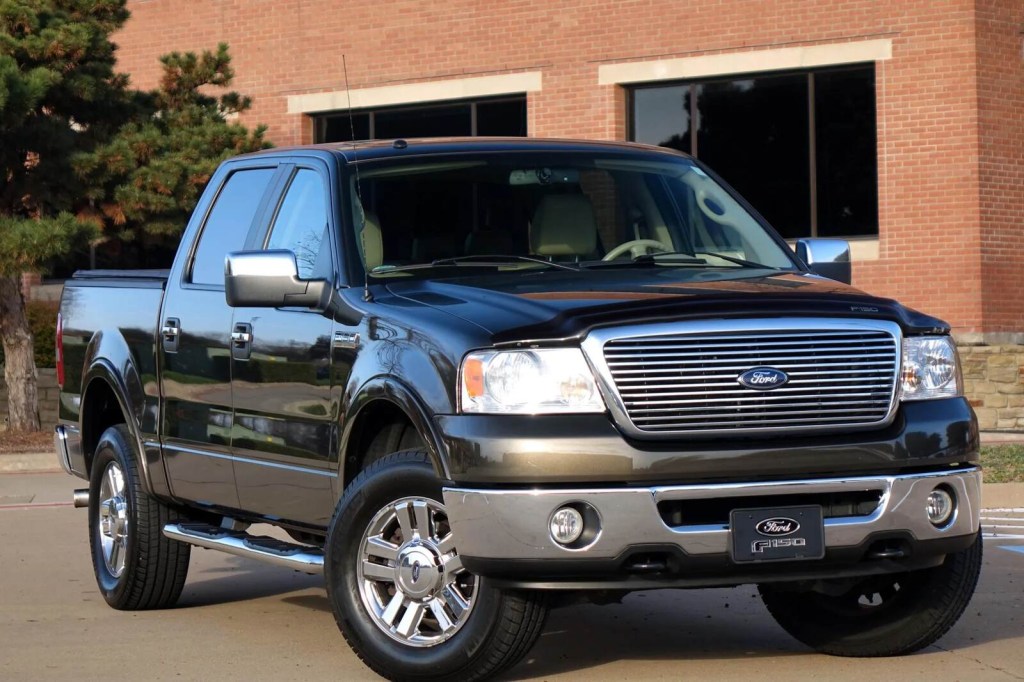
Ford’s 5.4-liter Triton V8 looked tough on paper, but its real-world repair record is brutal.
Spark plugs are notorious for seizing in the cylinder heads. Sometimes, they break off during removal.
On top of that, common timing chain failures require major surgery to fix. For trucks with high mileage, that number often exceeds the truck’s remaining value. While a number of dedicated owners chose the spendy fix, more than a few of these F-150 owners decided the best “repair” was simply offloading it.
3. Chrysler PT Cruiser
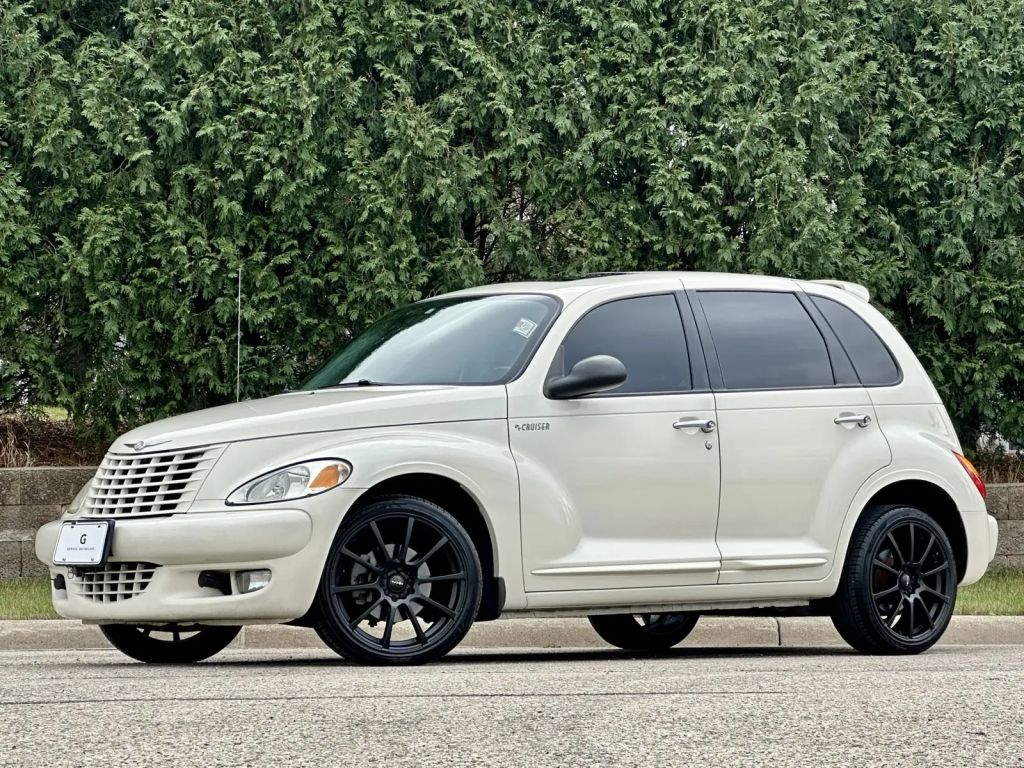
PT Cruisers with blown head gaskets are the kind of repair jobs that make techs groan. Honestly, we probably saw more with this failure than driveable ones.
Replacing the gasket is technically possible, but the car’s tendency to pop coolant leaks and quickly blow the major gasket made everyone involved pull their hair out. Might I remark that often, the driver would unfortunately ignore a leak until it was too late. They were always presented with high-dollar estimates to get back on the road.
Add in the fact that the car’s resale value rarely breaks four figures, and a $2,000-plus repair bill becomes hard to justify. That’s why so many PT Cruisers ended up parked behind the shop, waiting for a tow truck to the scrapyard.
4. Land Rover Discovery and Range Rover models
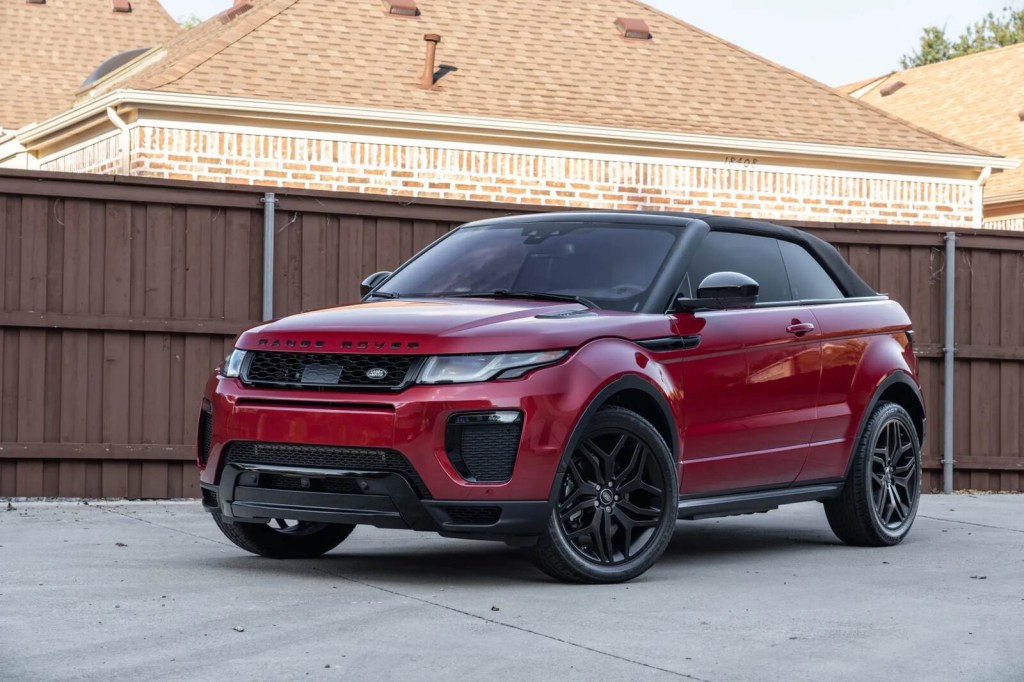
Land Rover’s luxury SUVs deliver impressive off-road capability and comfort, but keeping them on the road can empty a bank account fast.
Cooling system issues, air suspension failures, and complex electrical systems are all common and costly. A leaking head gasket or a blown air strut can run into the thousands, and those are far from rare events.
RepairPal data shows Land Rovers regularly land among the most expensive SUVs to maintain, with average annual costs around $1,200. Major repairs can multiply that, speaking from personal experience with our Range Rover Evoque. Plenty of owners bail when a big failure hits.
5. Chevrolet TrailBlazer (2002–2009)

The first-gen TrailBlazer was a popular SUV in its day, but many are now worth less than the cost of their most common repairs.
Blown head gaskets, transmission failures, and timing chain issues are all expensive to fix, often in the $2,000 to $4,000 range. Add in corrosion-prone undercarriages in northern states and you get a vehicle that too often isn’t worth the repair bill.
A TrailBlazer with a dead transmission and 180,000 miles is usually a parts donor, not a project.
6. Audi A6 and A8 (2004–2012, 4.2 V8)
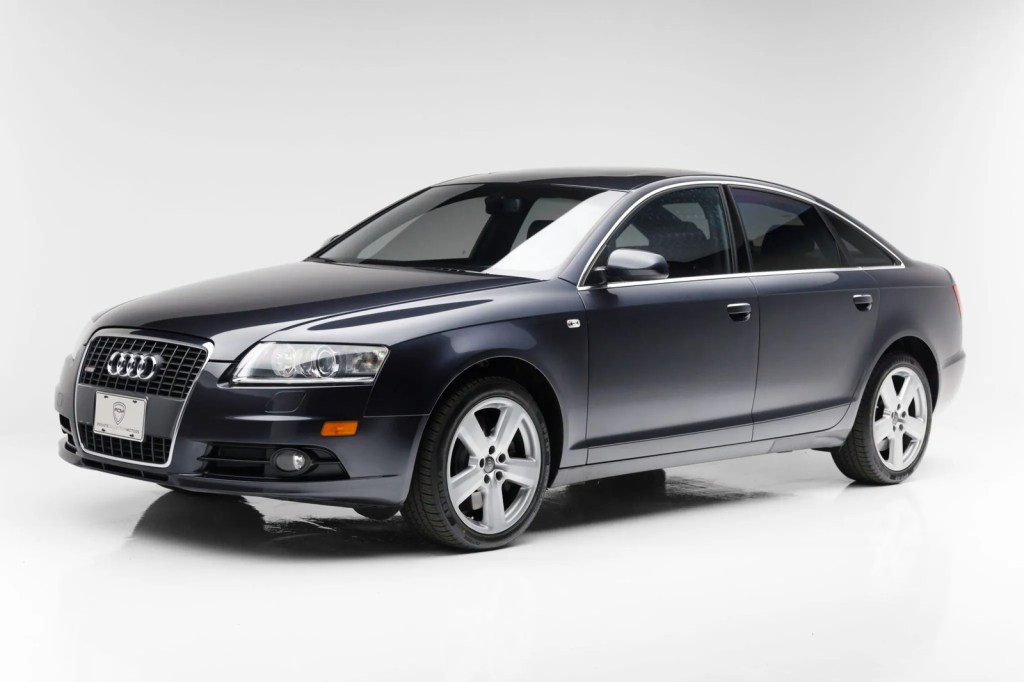
Audi’s 4.2-liter V8 is smooth and powerful, but its timing chain system is mounted at the back of the engine, pressed against the firewall. That means pulling the engine for what should be a routine repair. It’s a job that can run $6,000 or more.
Add in the usual Audi electrical gremlins, suspension wear, and cooling system leaks, and these luxury cars often become too expensive to revive once they start to go south.
7. BMW 7 Series (E65/E66, 2002–2008)
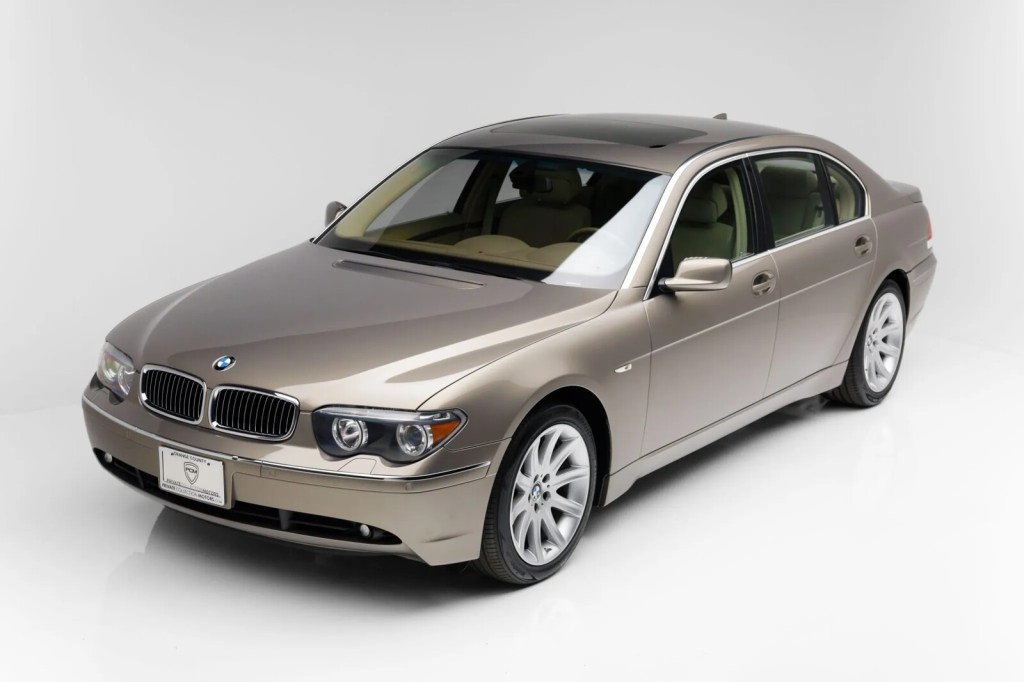
BMW’s flagship sedan was a technological showcase in the mid-2000s. Unfortunately, many of those cutting-edge features are now expensive liabilities.
The complex iDrive electronics, active suspension, and even the transmissions can fail with age, each costing thousands to repair. Valve stem seal issues on the V8 and V12 engines add even more risk.
Owners report repair bills so steep they exceed the car’s market value, which is why many 7 Series end up abandoned on classifieds with “needs work” in the ad.
8. Dodge Journey (2009–2020)
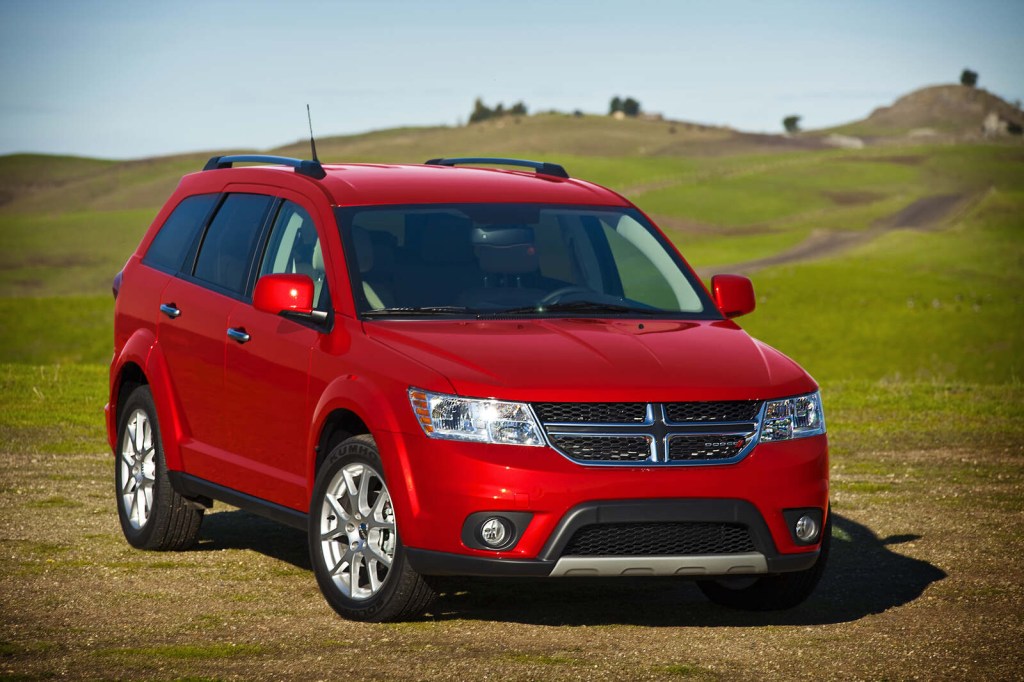
The Journey’s value proposition was always its low price, but that comes back to bite owners when serious repairs crop up.
Transmission failures are common and expensive, and the cramped transverse V6 layout turns basic jobs like water pump replacement into major undertakings.
A blown transmission in a ten-year-old Journey is often a death sentence. Many owners just don’t see the point of dropping $4,000 into a vehicle worth $3,000.
9. Mini Cooper S (R56, 2007–2013)
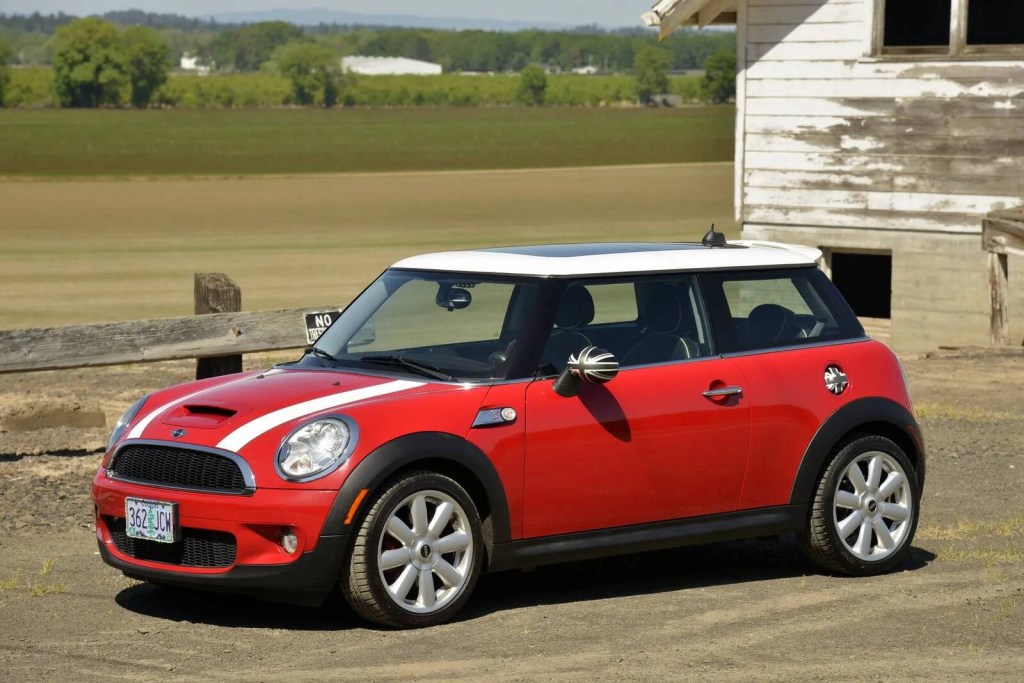
Believe me on this one. I’ve been here with a Mini…twice. The turbocharged R56 Cooper S is a blast to drive, but its repair costs are anything but fun.
Timing chain tensioners, turbocharger failures, and carbon buildup on intake valves are all common…and all expensive. A timing chain job can run $1,800 or more, and a new turbo can push $2,500.
Considering many used Minis trade hands for under $5,000, one major failure often spells the end of the road.
10. Cadillac models with the Northstar V8
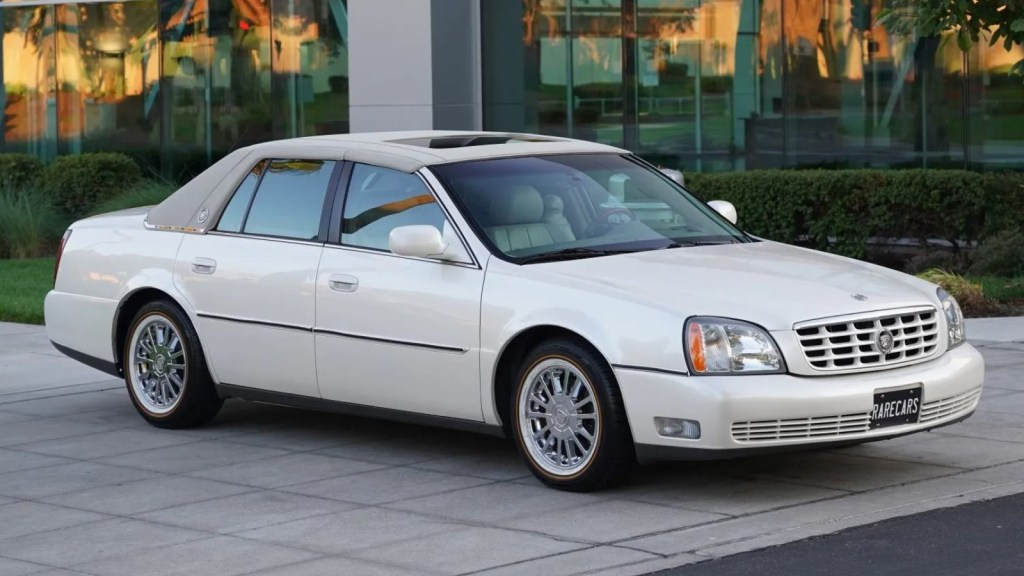
The Northstar V8 was GM’s moonshot for smooth, high-revving luxury power in the 1990s and 2000s. On paper, it worked. In real life, head gasket failures were common, and fixing them required pulling the engine out of the car.
There always seemed to be one left for dead on our shop lot. The fix is an invasive, labor-heavy job that often tops $4,000. The figure is just more than many early-2000s Cadillacs are worth. And anyway, kept for long enough, it’d just fail again.
Worse, the aluminum block threads often strip during repair, so even a pricey fix might not last.
Many owners simply cut their losses instead of throwing money into a hole. Others, collectors, pay top-dollar for them on auction sites like Bring a Trailer. I can’t say I fully understand that.
11. Volkswagen Passat (2006–2012, 2.0T engines)
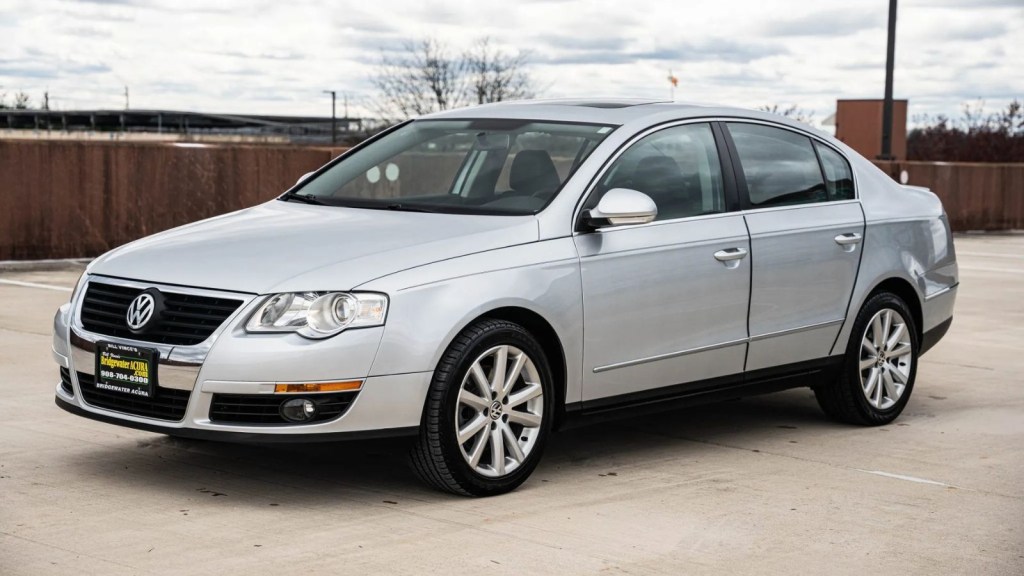
VW’s 2.0-liter turbo four is a lively little engine…right up until it isn’t.
Timing chain tensioner failures on these cars can lead to catastrophic engine damage, often without warning. A full rebuild or replacement can exceed $5,000, which is more than the car is often worth on the used market.
Even non-catastrophic issues like oil consumption and carbon buildup are expensive to chase. Plenty of Passats end up sold for parts after one big failure.
12. Mercedes-Benz ML-Class (2006–2011, W164)
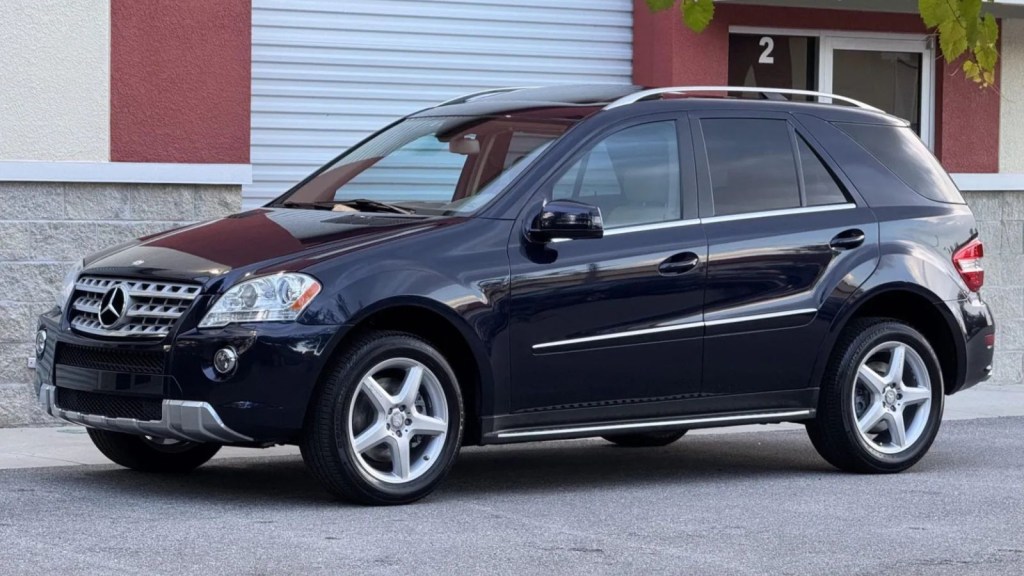
Mercedes’ midsize SUV offers luxury and capability, but repair costs soar as they age.
Air suspension struts can cost $1,500 each, and oil cooler seal leaks require major engine disassembly to repair. Even relatively small issues can snowball into $3,000 repair tickets, and drivetrain components often outvalue the SUV itself once it’s past 150,000 miles.
It’s a familiar story: luxury SUV, bargain resale, nightmare repair math.
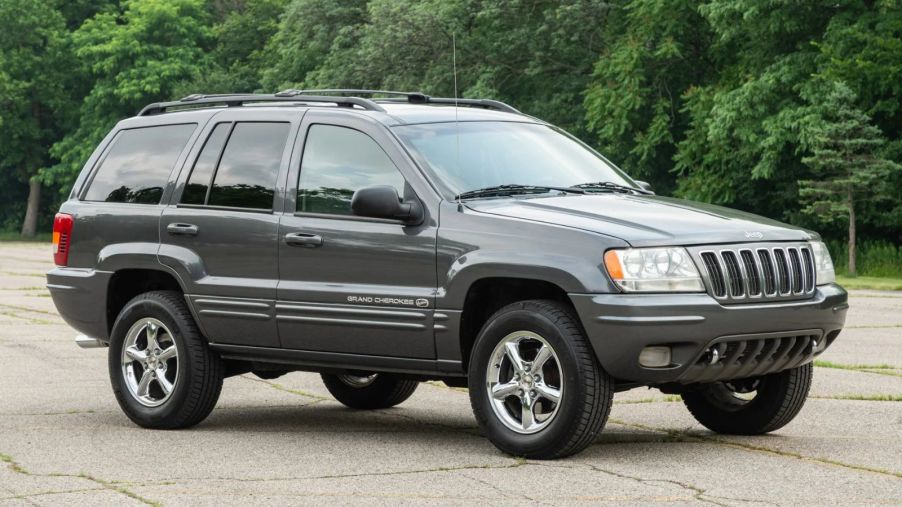
13. Jeep Grand Cherokee WJ (1999–2004, 4.7 V8)
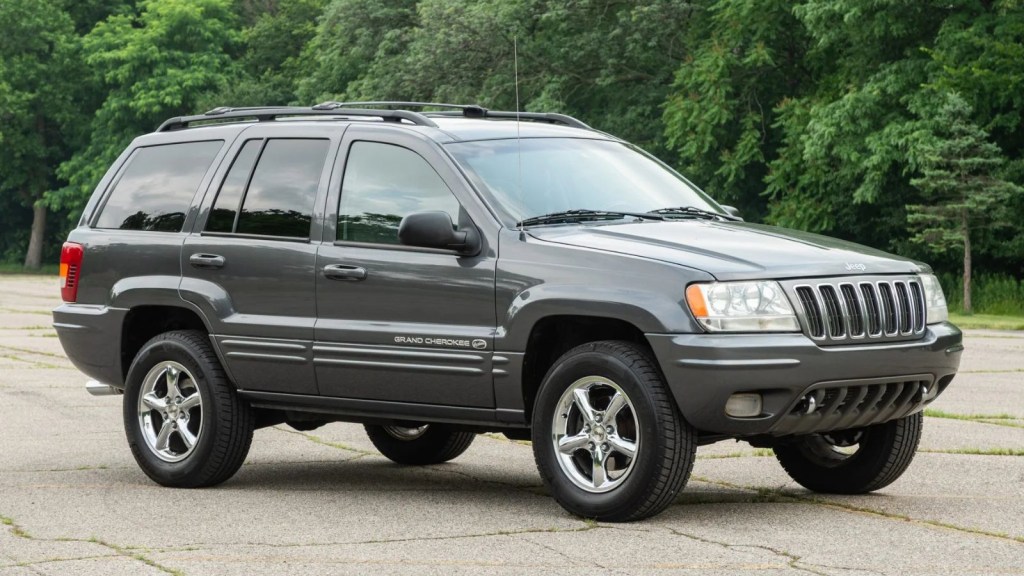
The 4.7-liter PowerTech V8 was notorious for sludging and spinning bearings if oil changes weren’t perfect. And even when they were, cooling system issues and cracked heads weren’t uncommon.
A proper rebuild or full engine replacement can easily cross the $4,000 mark, which dwarfs the resale value of most WJ Grand Cherokees. Throw in aging transmissions and electrical bugs, and it’s easy to see why many of these Jeeps get left behind once major repairs hit.
A car’s value isn’t just what it’s worth on the open market. It’s also what it costs to keep alive
Some cars cross that line far too easily, where one blown gasket or broken timing chain tips the scales toward “not worth fixing.” The smartest money move isn’t always repairing the car you already own. Sometimes, it’s knowing when to hand over the keys and walk away. Hopefully, if you’d been avoiding a car payment, you’d have had the chance to save up for another (more reliable) cash car once any of the above inevitably failed.