10 Realities Of Owning An Electric Car
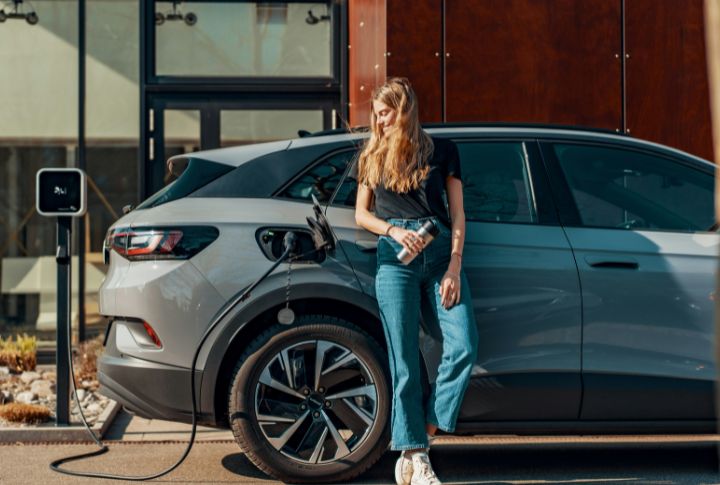
Electric vehicles are changing the way people drive, but the transition isn’t always as seamless as expected. The learning curve comes with discoveries that aren’t widely discussed, which makes ownership a unique experience beyond just plugging in and driving. Here are ten lesser-known realities of owning an electric car.
Limited Charging Infrastructure
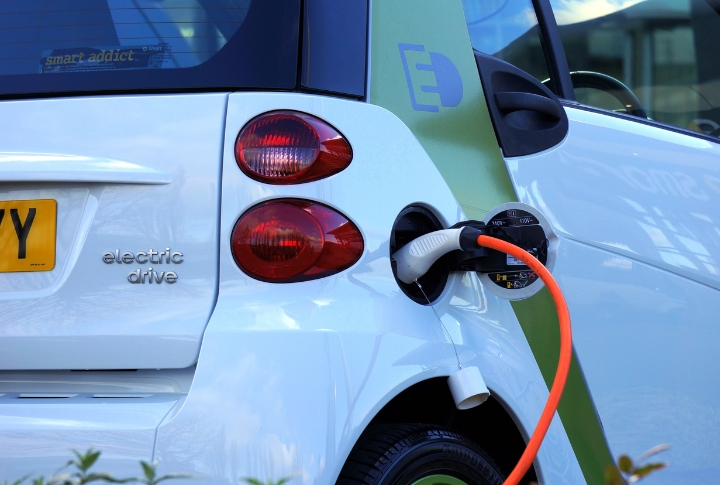
Charging infrastructure varies by location. Urban areas often provide plenty of charging stations, but rural regions lag behind. Hence, planning trips requires foresight to avoid being stranded. For many, this limits the spontaneity of long drives, making infrastructure a critical consideration before buying.
Higher Upfront Costs
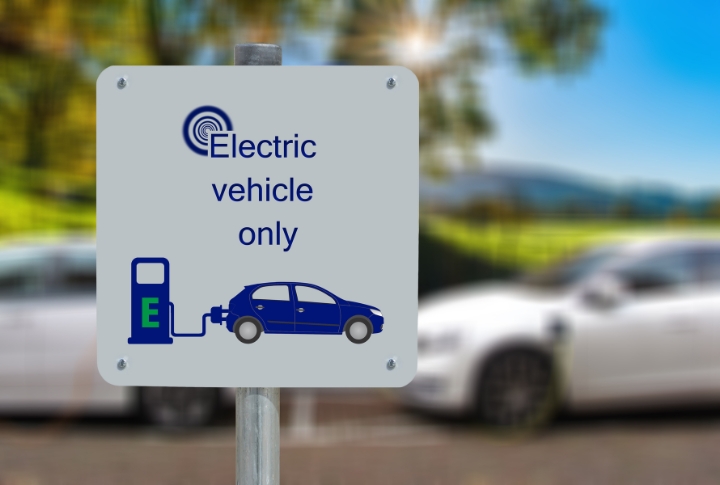
Electric vehicles usually come with steep price tags compared to their gas-powered counterparts. The inclusion of advanced technology and large batteries raises manufacturing costs. Although savings may come through lower fuel and maintenance expenses, not everyone can justify the initial financial commitment.
Range Anxiety
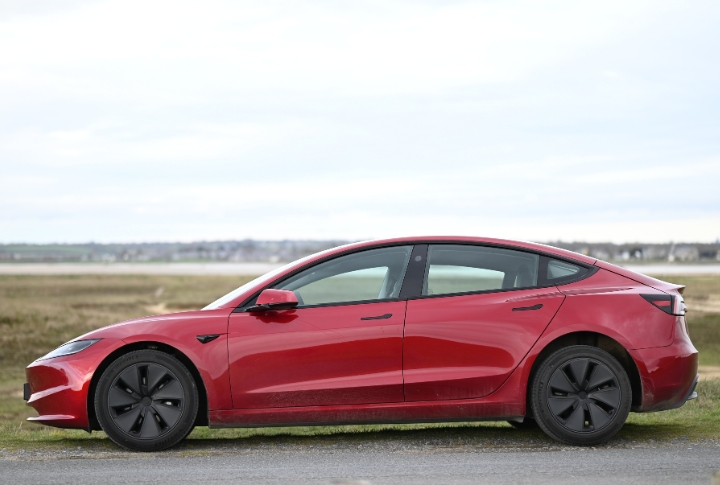
Worrying about running out of charge remains a reality for many EV owners. Despite advancements, real-world range often depends on weather, terrain, and driving habits. The knowledge of how far a full charge can take you becomes an essential skill for planning everyday commutes and road trips.
Longer Refueling Times
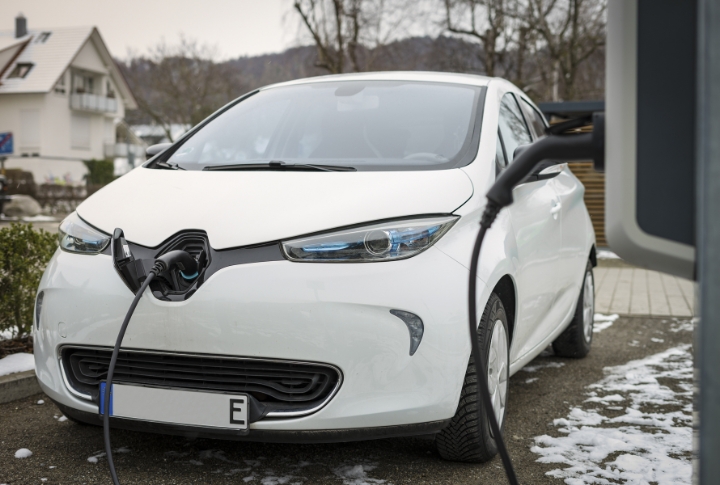
Compared to filing a gas tank, charging an electric car is slower. Even with fast chargers, it can take 30 minutes or more to replenish a battery. This delay, while manageable for some, may disrupt the pace of busy schedules during long-distance travel.
Battery Degradation Over Time
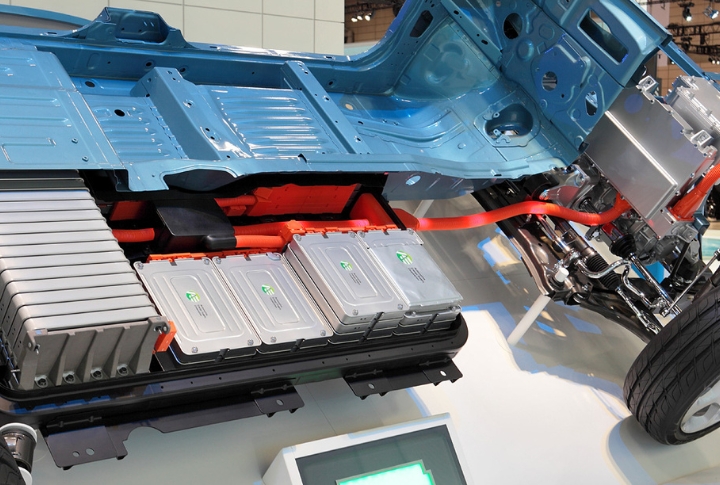
Batteries degrade over time and lose their ability to hold a full charge. Factors like frequent fast charging can speed up this process. As a result, car owners may face expensive replacements or lower resale values as their vehicles age.
Higher Insurance Premiums

The insurance payments for electric cars tend to be pricier due to expensive repairs and advanced parts. Simple things such as battery replacement costs and specialized labor skills contribute to these premiums. For prospective owners, comparing insurance quotes is vital to understanding the long-term financial impact.
Limited Mechanic Expertise

Not every mechanic can service an electric car. Many garages lack the tools or training to address specific EV issues. Owners may have to rely on specialized service centers, often located farther away, which leads to added inconvenience during repairs and leads to further costs.
Impact of Extreme Temperatures

Weather can significantly affect battery efficiency. Cold reduces range by slowing chemical reactions, while heat strains battery systems and causes quicker wear. Managing these challenges involves pre-conditioning your car or planning shorter trips during extreme weather to avoid unpleasant surprises.
Depreciation Concerns

Electric cars can lose value shockingly fast. With newer models having better batteries and longer ranges, older EVs quickly become outdated. Buyers often hesitate in fear of costly battery replacements. If resale value matters to you, researching depreciation trends before buying could save you from a frustrating financial hit.
Limited Towing Capacity
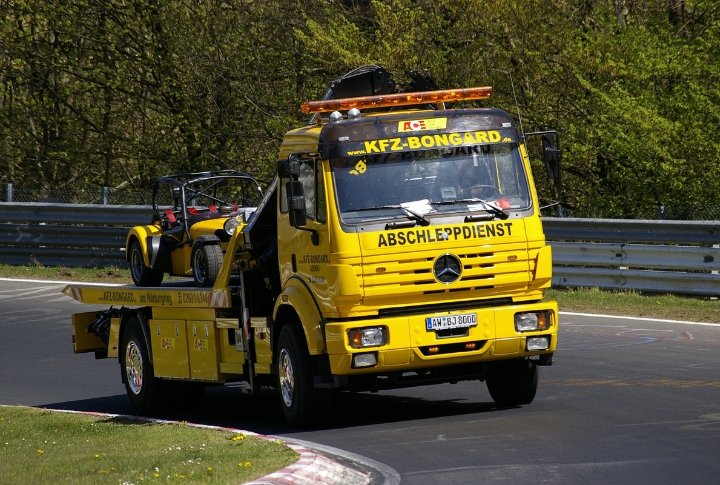
Pulling heavy loads drains an electric car’s battery much faster than expected. Unlike gas-powered vehicles, most EVs struggle with towing due to weight distribution and energy consumption. Road trips with trailers require frequent charging stops, and this makes long hauls inconvenient.