7 Worst Fighter Planes in History
Throughout aviation history, fighter planes have played a crucial role in shaping aerial warfare. While many aircraft have soared to legendary status, others have plummeted into infamy due to design flaws, performance issues, or operational shortcomings. Here, we go through the worst fighter planes ever to take to the skies, examining the factors that led to their failure and impact on military aviation.
Mikoyan-Gurevich MiG-23
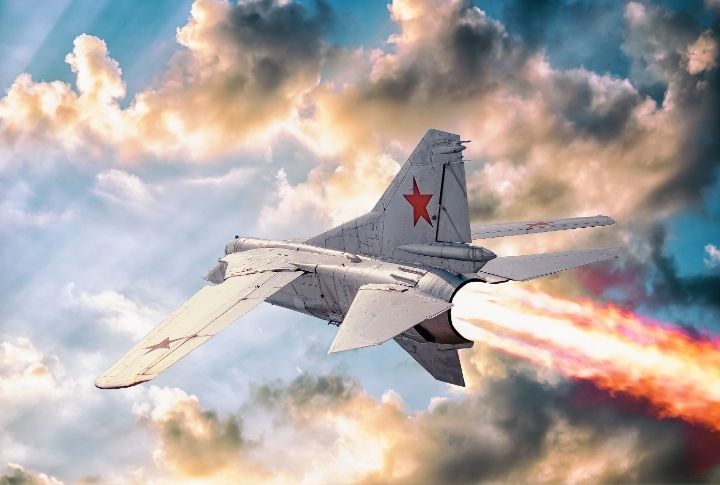
The MiG-21, known for its durability and reliability, was replaced by the MiG-23, which featured variable-sweep wing geometry to enhance performance and address flight issues. Although designed as an agile single-engine fighter with advanced avionics, improved handling, and increased firepower, pilots reported handling difficulties and instability. The engine had a short service life and frequent overheating, leading to higher operating costs. The MiG-23’s issues led to its retirement in favor of the superior MiG-27, and today, only Syria and North Korea still operate it.
Mikoyan-Gurevich MiG-9
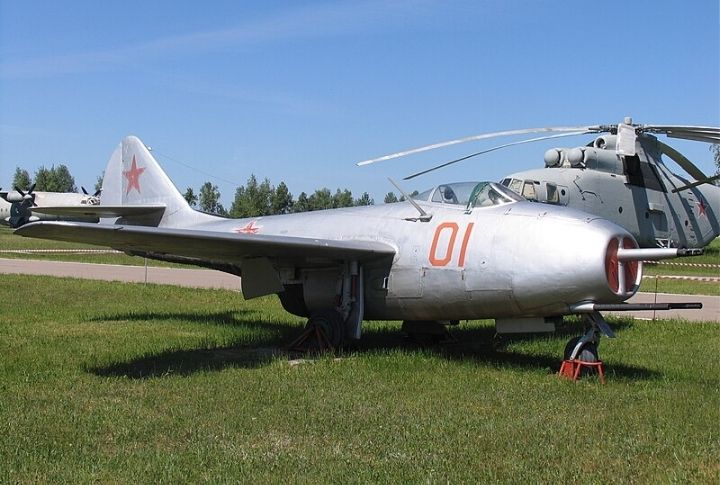
This aircraft marked the Soviet Union’s entry into jet fighter production, as they reverse-engineered BMW 003 turbojets to catch up with other WWII powers. Over 600 MiG-9s were produced after entering service in 1948, equipped with two turbojet engines and a powerful armament of one 37mm and two 23mm cannons in the nose. Despite its straight wings, resembling WWII propeller-driven fighters, cannon fire at high altitudes caused engine flameouts, leading to the swift adoption of the more successful MiG-15.
Lavochkin-Gorbunov-Gudkov LaGG-3
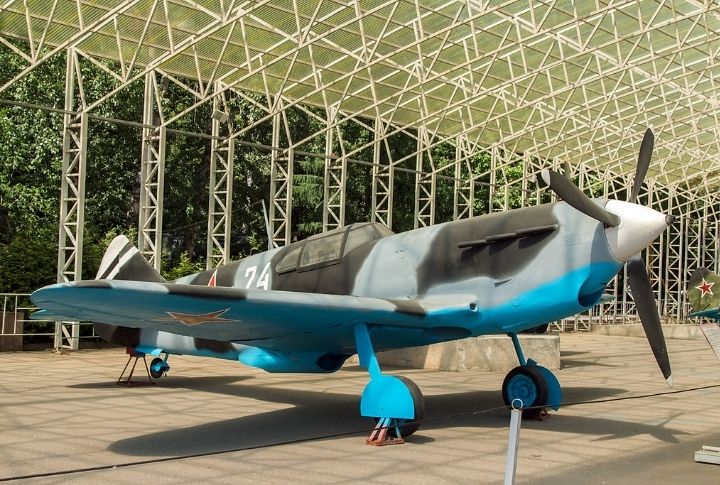
Soviet military modernization in the 1930s led to the development of technologies, such as the LaGG-3 fighter, which performed poorly despite being the primary aircraft during the 1941 German invasion. Pilots dubbed it “the varnished guaranteed coffin” for its ineffectiveness against German fighters like the Bf-109. The LaGG-3’s lightweight wood construction and weak engine resulted in a tactical disadvantage, prone to disintegration when hit. Despite these flaws, production continued until 1944, reflecting the inflexibility of the Soviet military-industrial complex.
Brewster Buffalo
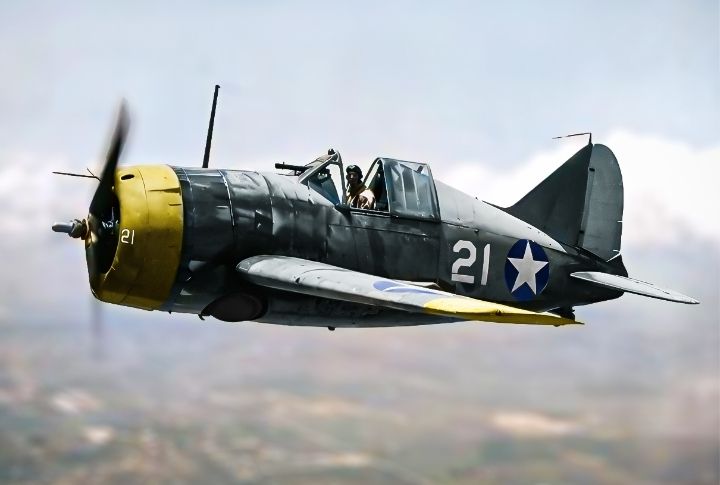
The Brewster F2A Buffalo, a compact and unremarkable aircraft, entered service alongside superior fighters like the Zero and Bf-109. Designed for both land and carrier use, it first saw combat in Finland post-Winter War. Modifications for heavier weaponry, fuel, and armor rendered it sluggish. Finnish Buffalos initially outperformed Soviet planes but were outmatched by Japanese Zeros and Oscars in Southeast Asia. Poor performance in tropical heat earned them the nickname “flying coffin” after the Battle of Midway, leading to quick replacement by the Grumman F4F Wildcat in the US Navy.
Royal B.E.2
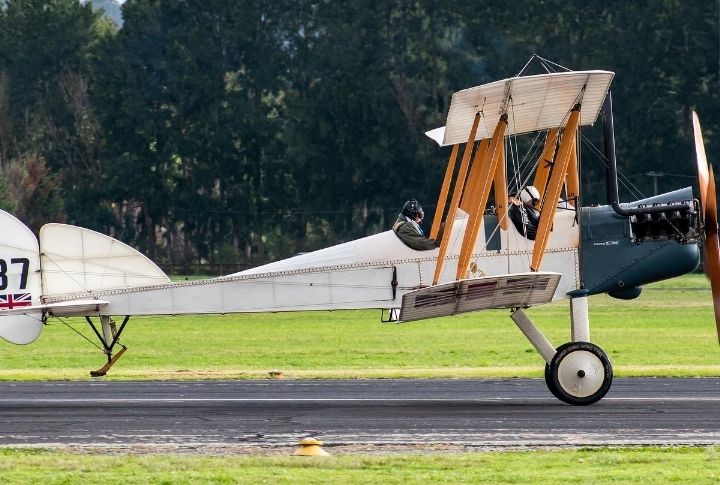
The Royal B.E.2 was a pioneering military aircraft mass-produced between 1912 and 1919. It highlighted early aviation challenges, becoming notorious for poor visibility, reliability, control, speed, and armament, inadvertently setting a standard for what to avoid in fighter aircraft design. The Fokker Eindecker’s introduction highlighted the flaws of the B.E.2, making it dangerous to operate. Despite its pioneering status, its ongoing deficiencies played a part in the establishment of the Royal Air Force, the first independent air force.
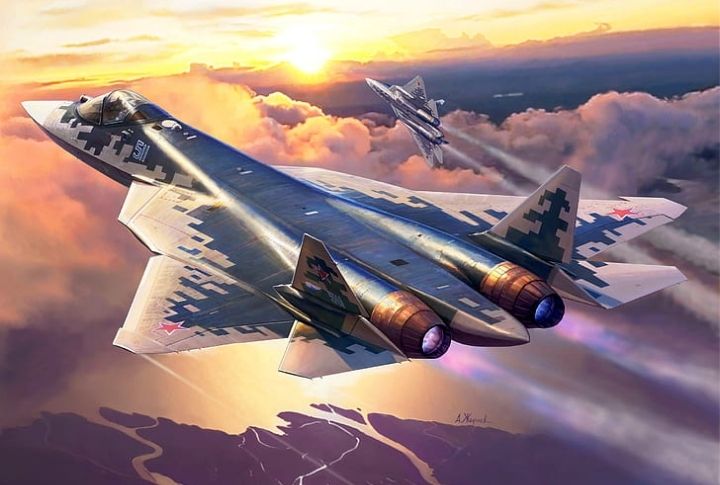
Sukhoi Su-57
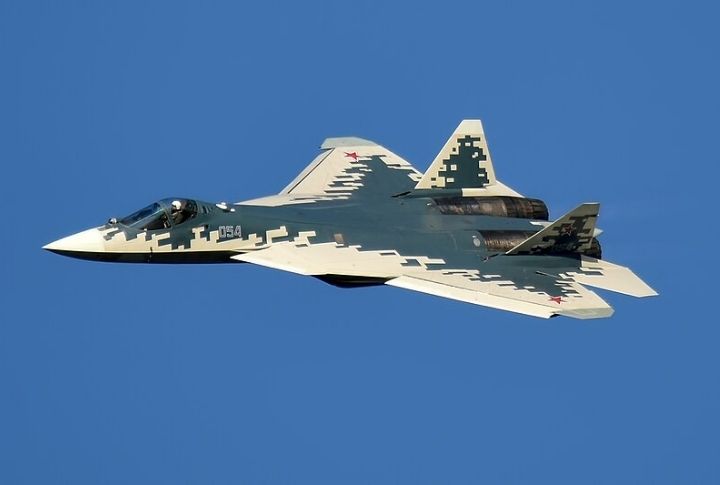
It represents Russia’s latest bid to rival fifth-generation fighters like the F-35 and F-22. The Su-57’s development began in the 1970s, but production started in 2019 due to delays after the Soviet Union’s collapse. While it has a striking design, the Su-57’s stealth capabilities are undermined by poor manufacturing tolerances. It uses older engines due to reliability issues with new ones, yet features thrust vectoring for agility. The Su-57’s handcrafted production lacks the precision and automation of Western manufacturers, resulting in only 15 jets being produced compared to hundreds of F-35s.
Convair F-102 Delta Dagger
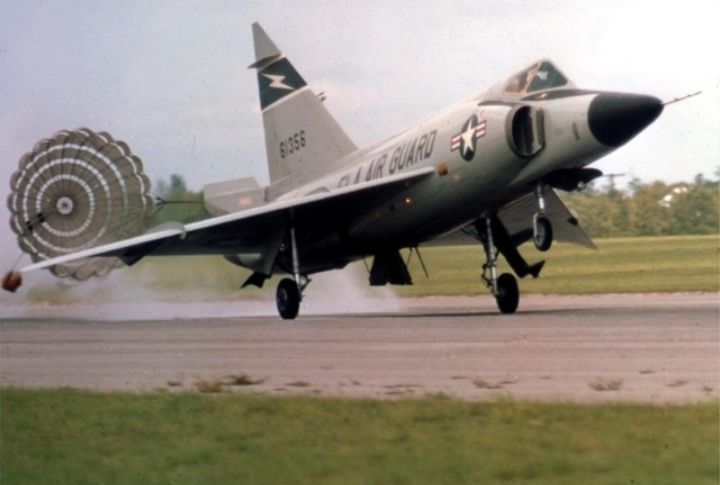
Affectionately called “DD” by pilots, it was a notable member of the Century Series fighter jets developed during the early Cold War. It distinguished itself as the first American all-weather supersonic jet fighter with a delta wing design, entering service in 1956 with a production run of 1,000 units. Initially unable to achieve Mach 1, the aircraft was redesigned to reach Mach 1.22 but had a poor safety record, with 259 aircraft and 70 pilots lost in accidents. Its use declined in Vietnam, and it was mainly used by Air National Guard units.