10 Wild American Car Concepts That Still Puzzle Us
Every few years, a concept car appears that’s just too wild. American automakers have introduced vehicles that twist the imagination and leave trails of questions behind. They’ve given us some that looked like spaceships and those that feel like props from an old sci-fi set. Let’s revisit ten of the most puzzling creations still talked about decades later.
Ford Gyron (1961)
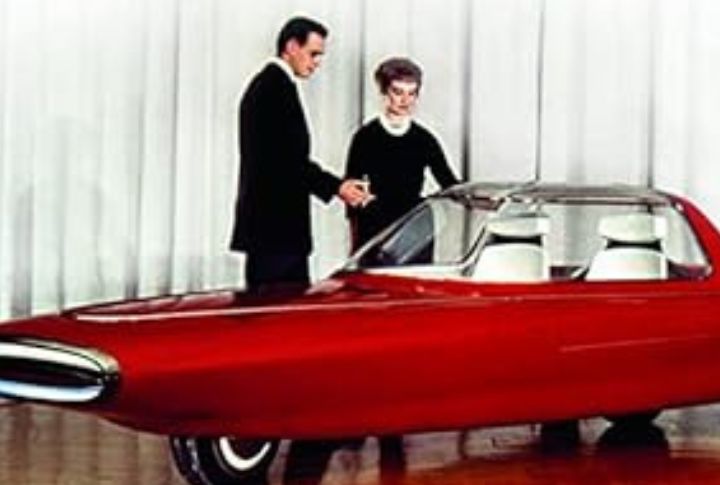
Balanced on just two wheels, the Ford Gyron turned heads with its gyroscope technology. The sleek, spaceship-like body looked straight out of a science fiction film. Designers Syd Mead and McKinley Thompson contributed, but Alex Tremulis was the chief designer who led the Gyron concept.
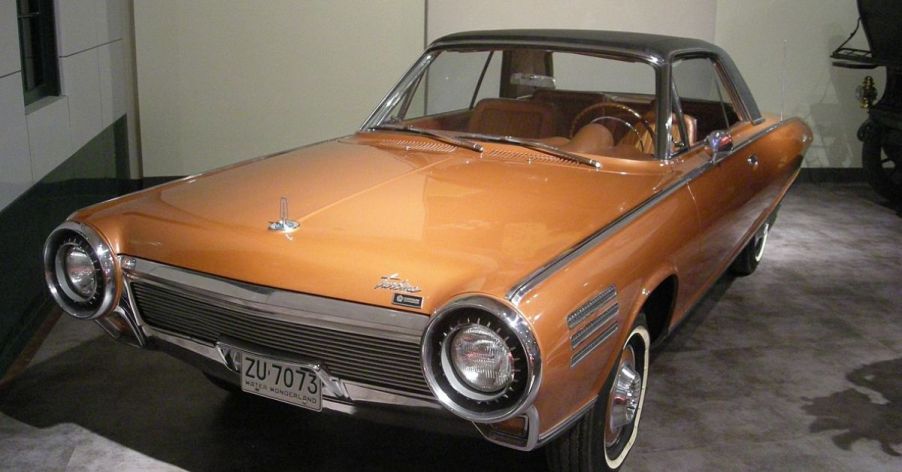
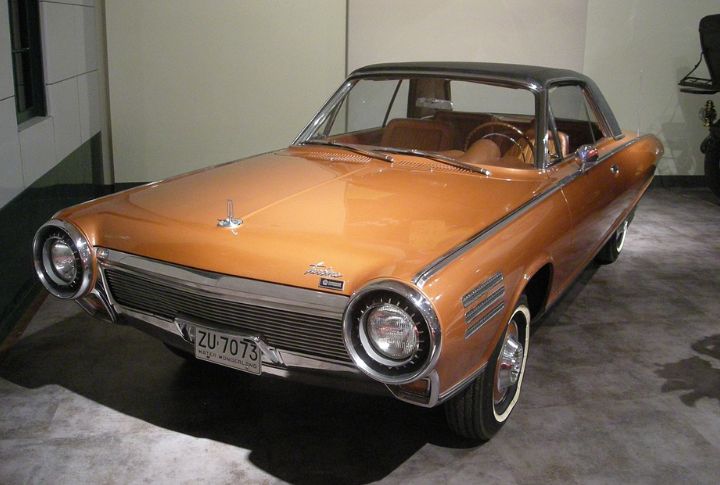
Chrysler Turbine Car (1963)
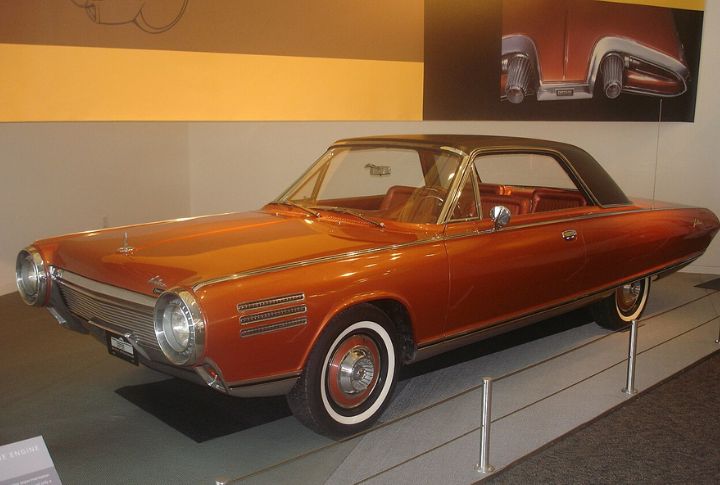
In the early sixties, Chrysler shocked everyone by testing a car that ran on turbine power. It could handle any fuel, from diesel to tequila, and promised a smooth ride with minimal maintenance. Though it wasn’t mass-produced, it made waves in the car world.
Buick Y-Job (1938)
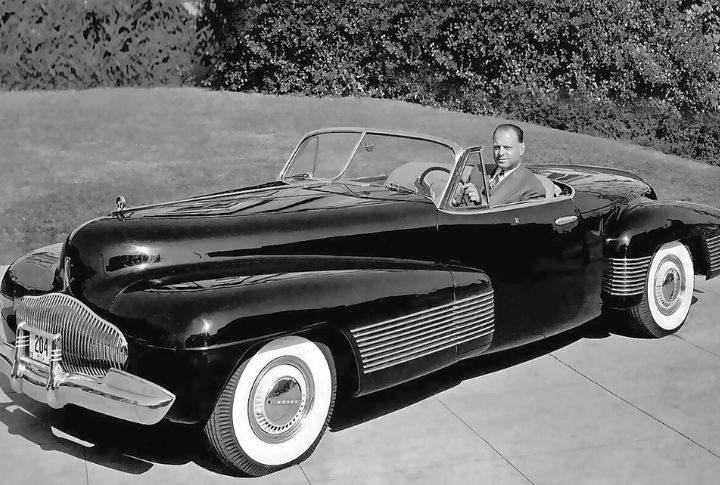
Before sleek became the standard, the Y-Job broke the mold. This car’s hidden headlights and flowing curves turned heads in a boxy era. Dreamed up by Harley Earl, this concept car wasn’t just ahead of its time—it defined what the future would look like.
AMC Pacer (1975)
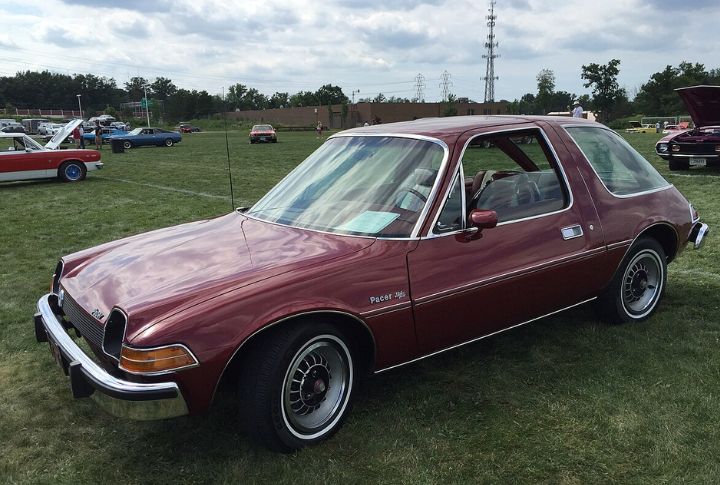
People called it “The Flying Fishbowl” for good reason. The Pacer’s huge windows gave drivers an unbeatable view, and its shape made it stand out on the road. It showed how AMC took risks in styling, even if it confused some drivers.
AMC Gremlin (1970)

AMC’s Gremlin broke away from traditional styling with its sharply cut rear. Designed for speed to market and affordability, it delivered practicality wrapped in unusual proportions. That unique shape still sparks debate, making the Gremlin a curious icon of automotive experimentation.
Ford FX-Atmos (1954)
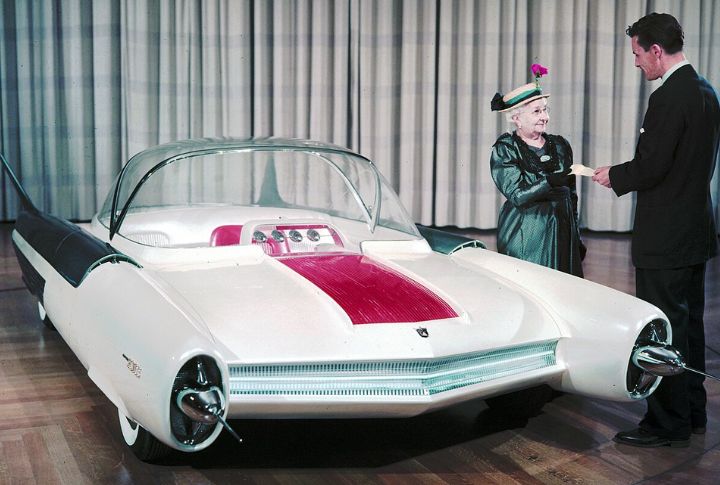
With a central driver’s seat and no steering wheel, the FX-Atmos felt like a flight deck on four wheels. Its radar screen hinted at creative tech. Although only a dream car, it demonstrated how wild American imaginations could become when they combined cars and jets.
Lincoln Futura (1955)
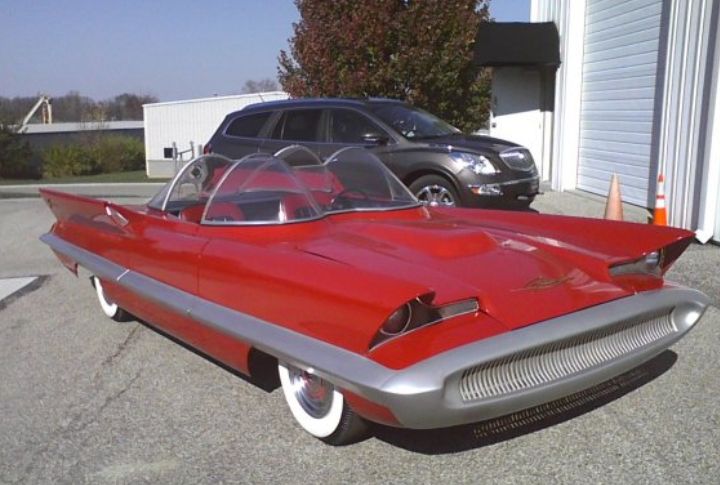
This one went from a dream car to a pop culture icon after becoming the Batmobile. The car’s double-bubble canopy and sharp lines looked decades ahead of their time. Even today, the Futura’s style feels fresh and daring, a genuine showstopper of its era.
Plymouth Voyager III (1990)
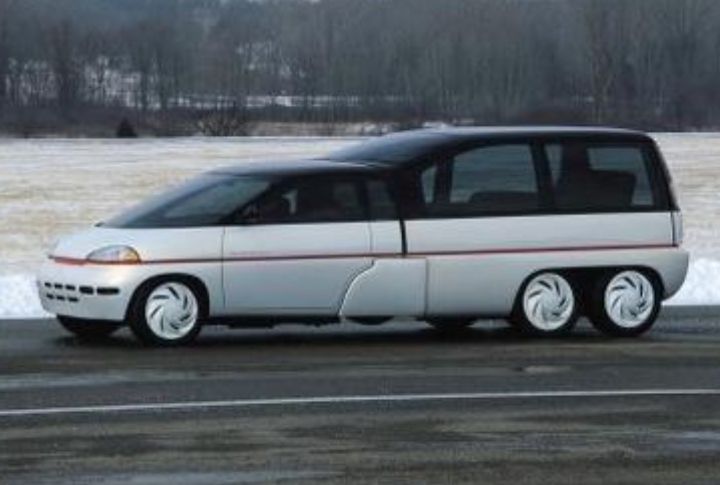
Looking more like a vehicle from a sci-fi set than a family car, the Voyager III split into two parts. Drivers could use the front end as a city runabout, while the rear module turned it into a long-haul cruiser. It was a bold move in modular design.
Oldsmobile Golden Rocket (1956)
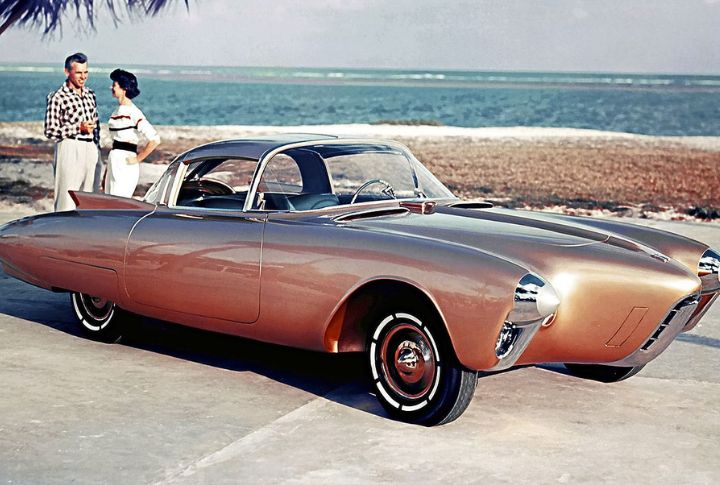
True to its name, the Golden Rocket looked ready to blast off. The bronze finish and aircraft-style design screamed optimism. Though it never reached the production line, this car left a lasting impression at auto shows and in American car lore.
GM Firebird III (1959)
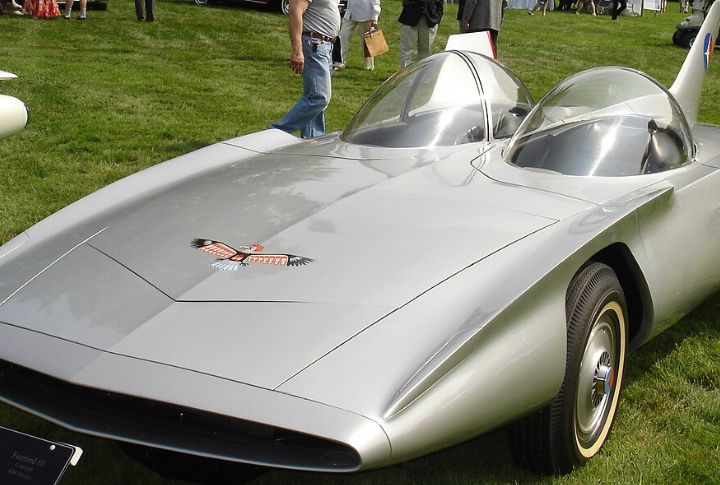
Wrapped in chrome and crowned with a bubble canopy, the Firebird III glided into the future one bold feature at a time. GM’s engineers reached skyward with its turbine engine and jet-age controls, crafting something that felt more imagined than manufactured.