Why F1 Cars Don’t Refuel Anymore
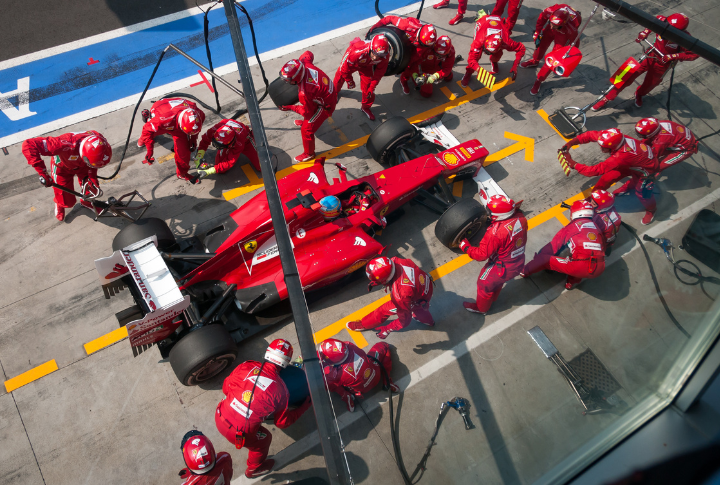
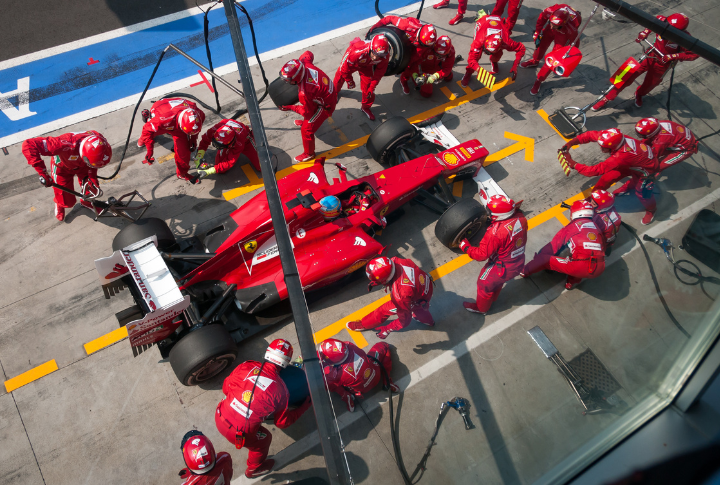
The world of Formula 1 (F1) racing has witnessed significant changes over the years, with one of the most notable being the ban on refueling during races. In 2009, the governing body of international motorsport, the Fédération Internationale de l’Automobile, announced the ban on refueling during F1 races. Here’s why:
Safety risks
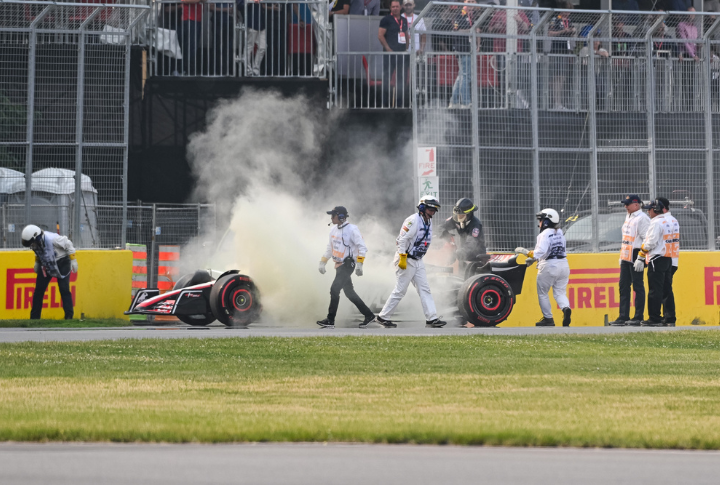
Due to fuel’s highly flammable nature, refueling posed a significant fire hazard, putting drivers, pit crew members, and spectators at risk. The fire risk was particularly high during pit stops, where fuel was handled close to ignition sources.
Pit Lane Fire Incident

Jos Verstappen’s 1994 pit lane fire during the German Grand Prix was among the events that highlighted the dangers of refueling and led to calls for improved safety measures. Notably, Verstappen suffered burns from the fire.
Regulatory changes
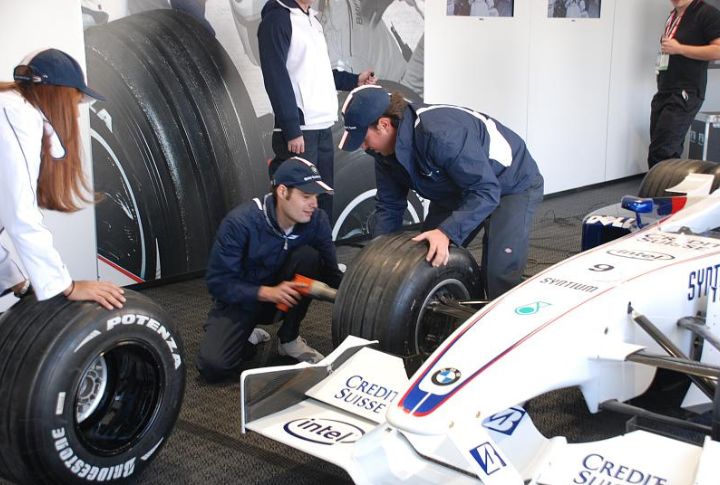
The FIA introduced new safety regulations, including improved fuel tank design, protective gear for pit crew members, and enhanced pit lane safety features. These regulations also mandated the use of fire-resistant materials in fuel tanks and pit lane equipment.
Improved fuel tanks
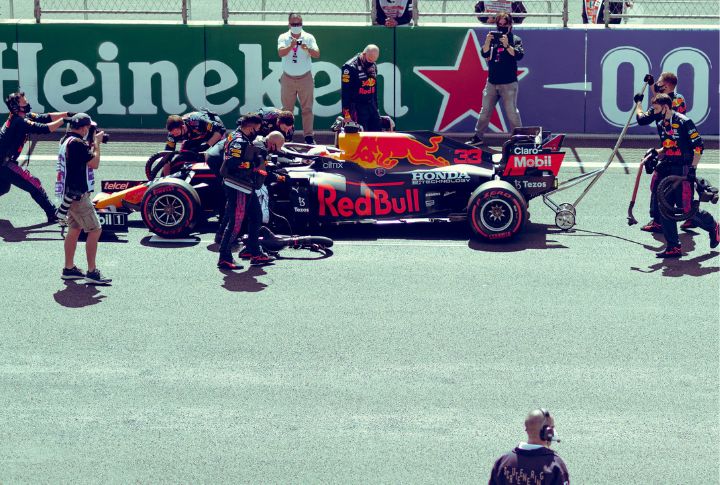
Enhanced design and materials reduced the risk of fuel leaks and fires to make cars safer and more reliable. Modern fuel tanks are designed to be more robust and resistant to punctures and damage.
Protective gear
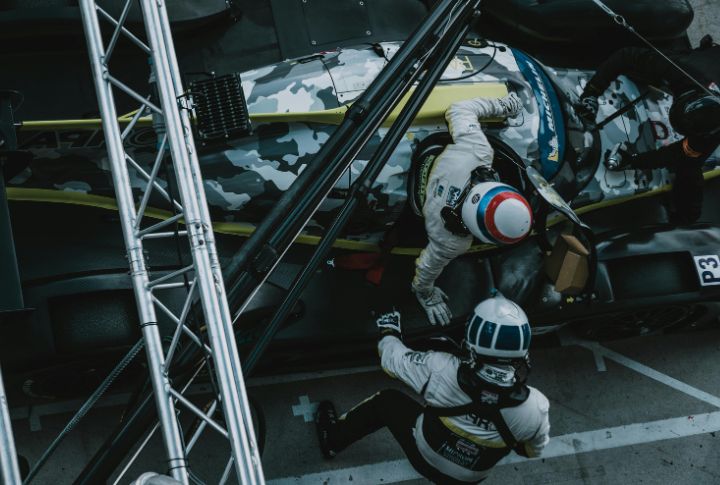
Pit crew members now wear fire-resistant suits, helmets, and gloves to minimize injury risk during pit stops. This gear is designed to protect against heat, flames, and chemical splashes.
Gradual phase-out
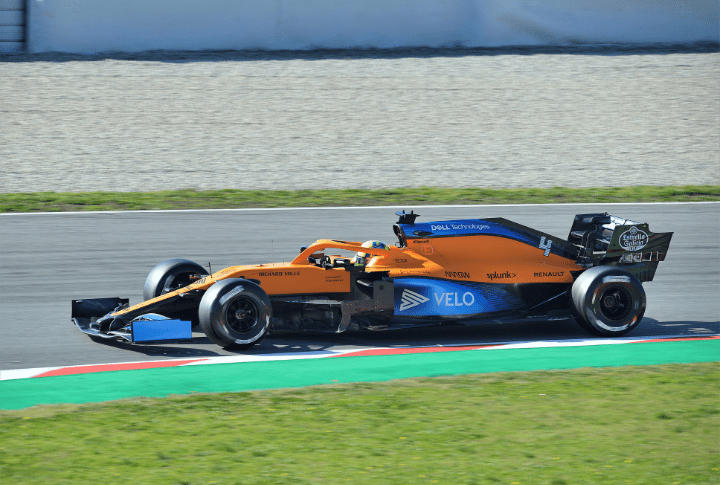
Refueling was gradually phased out between 2009 and 2010 to allow teams to adapt to new regulations and technologies. The phase-out was implemented to minimize disruption to the sport and allow teams to develop new strategies.
Technical advancements
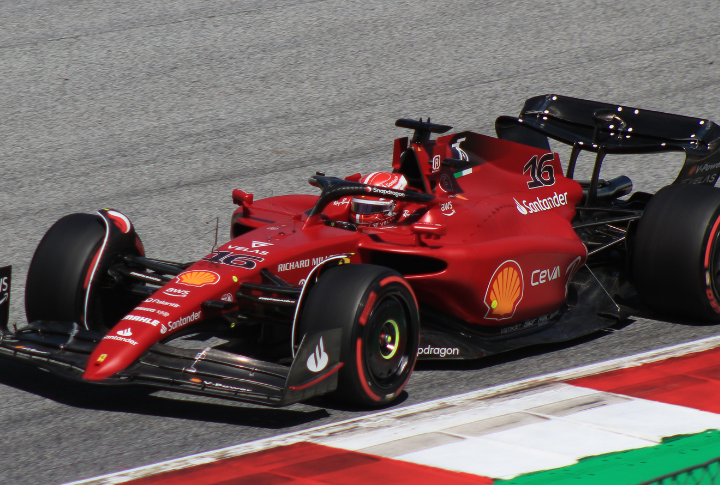
Over time, innovations have emerged to improve fuel efficiency and engine performance. Advances in engine technology, such as direct fuel injection and turbocharging, are some of the features that were later introduced.
Increased fuel tank capacity
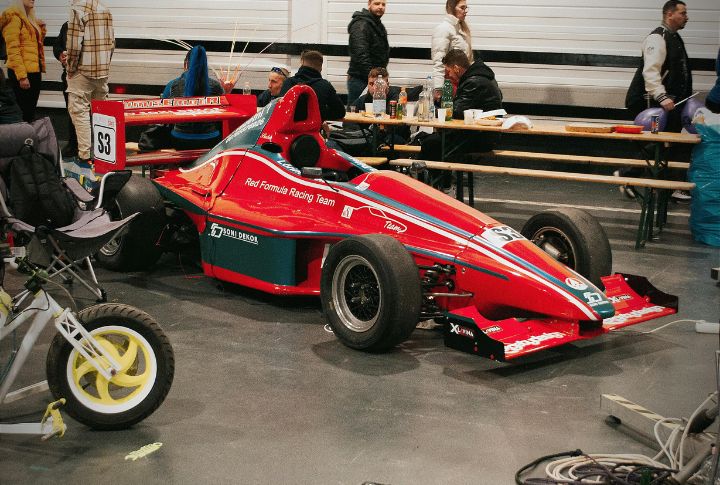
Larger tanks allowed cars to complete races without refueling, which reduced the need for pit stops. Modern F1 cars have fuel tanks with a capacity of around 110 kilograms (240 pounds).
Fuel conservation
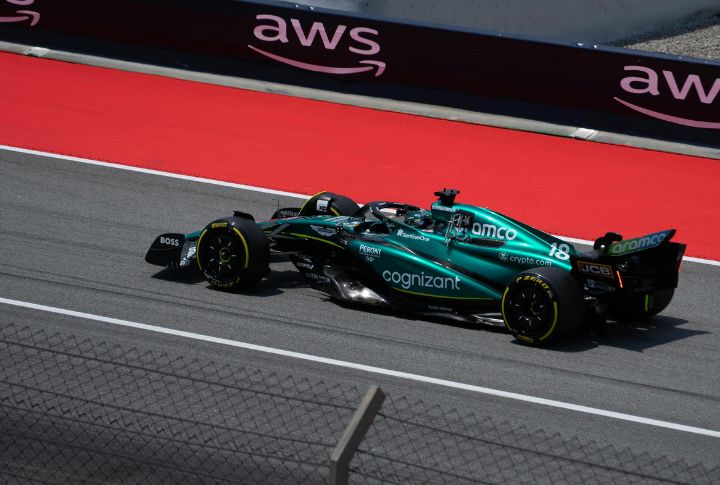
Teams now focus on fuel efficiency and conservation strategies, such as optimizing engine settings and driver behavior. Fuel conservation is critical, as cars must complete races without refueling, and excess fuel consumption can lead to performance penalties.
Weight reduction
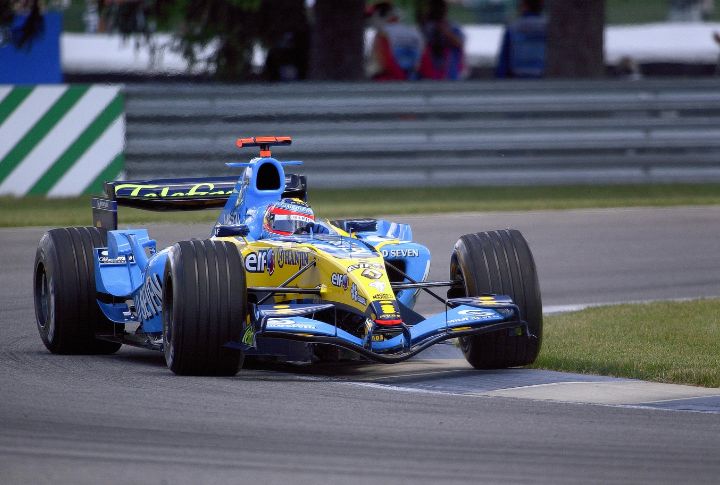
Removing refueling equipment reduced car weight, improving performance, handling, and fuel efficiency. The weight reduction also allowed teams to optimize their car’s weight distribution and improve overall performance.
Cost savings

As a result of eliminating refueling equipment and personnel from teams, the sport became more sustainable. Associated cost savings have also allowed teams to invest in other areas, such as driver development and technical research.
Simplified pit stops
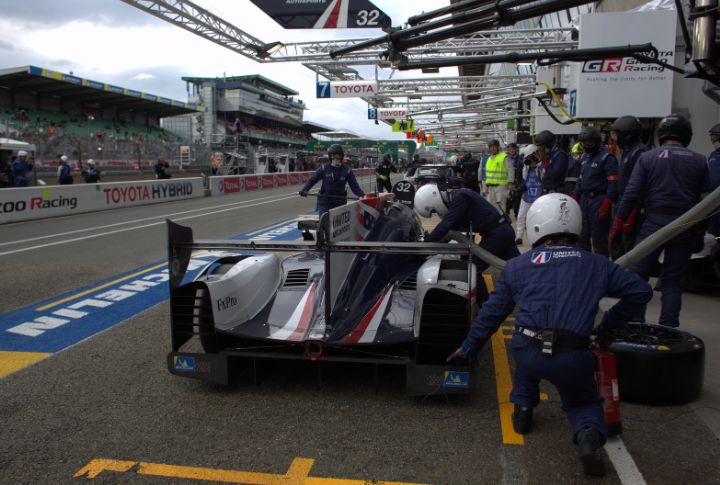
Without refueling, pit stops became faster and more efficient, just focusing on tire changes and minor adjustments. Pit stops are now typically around 2-3 seconds, with teams aiming for even faster times.
Strategic shift
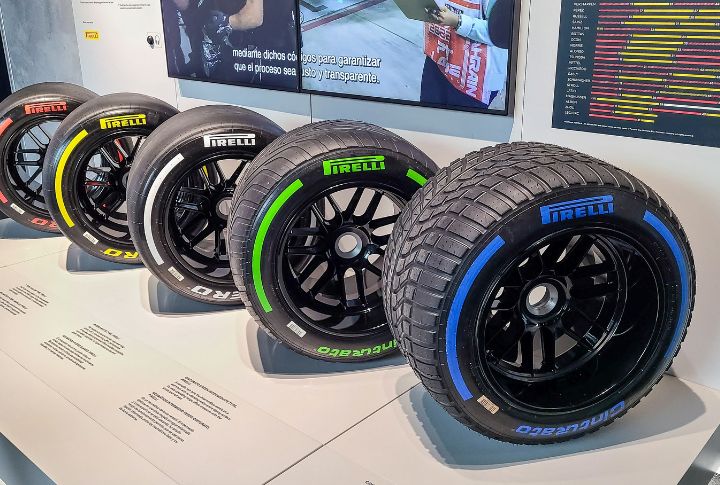
The ban on refueling changed racing strategies to emphasize tire management, fuel conservation, and driver skills. Teams must carefully manage their tire usage and fuel consumption to achieve optimal performance.
Environmental benefits
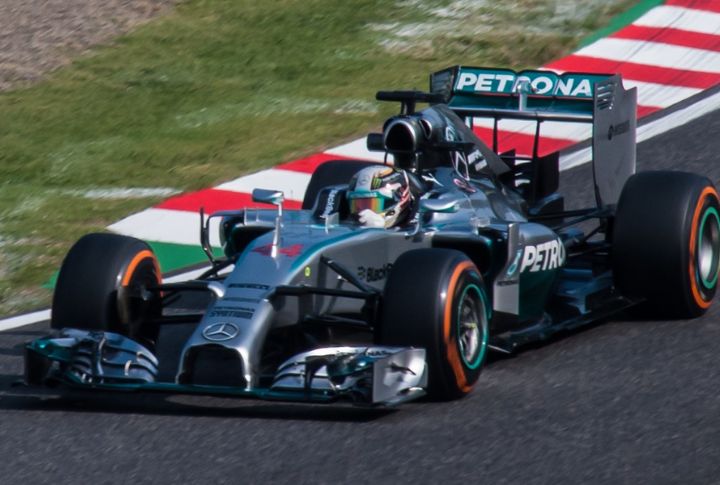
Reduced fuel consumption led to a decrease in carbon emissions. This aligned F1 with global sustainability goals. Notably, F1 has implemented other sustainability initiatives, such as using hybrid engines and reducing waste.
Uniformity
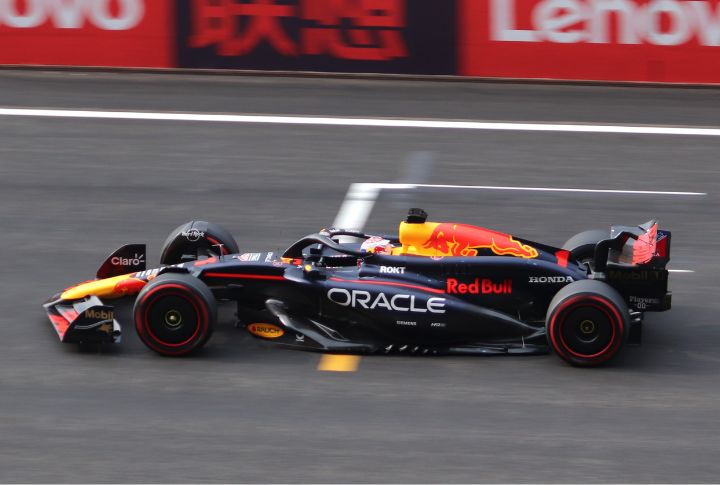
The refueling ban created a more level playing field, as all teams faced the same fuel efficiency challenges for closer competition. It also reduced the advantage of wealthier teams, who previously could invest more in refueling technology.