What Vintage Cars Had That Today’s Vehicles Don’t
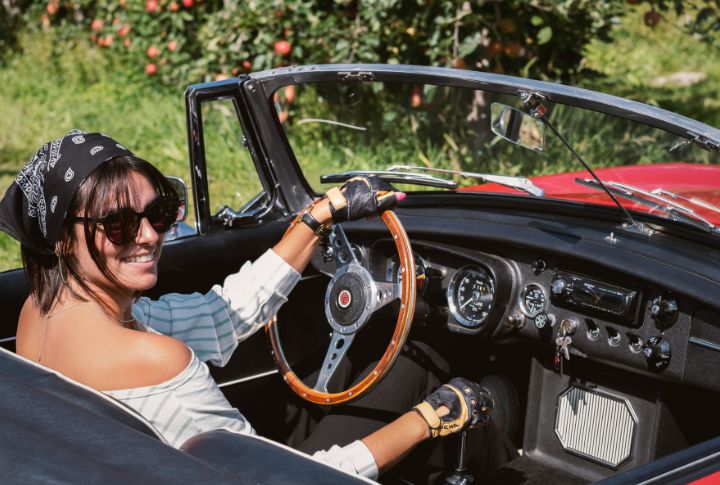
Step inside a vintage car, and you’ll discover features that today’s drivers might find puzzling. These quirky parts shaped driving decades ago but have since faded as technology has raced ahead. Let’s explore 10 fascinating details from classic rides that feel like a whole different world.
Manual Choke Levers
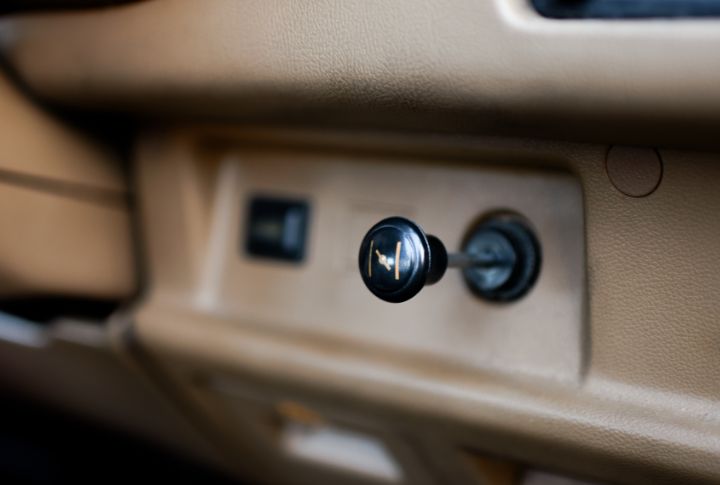
In the past, drivers had to manually control the choke to help the engine start on cold mornings. Pulling or pushing the lever adjusted the air-fuel mix. Today’s cars handle that automatically, so this once-common task now seems like a lost art.
Carburetors
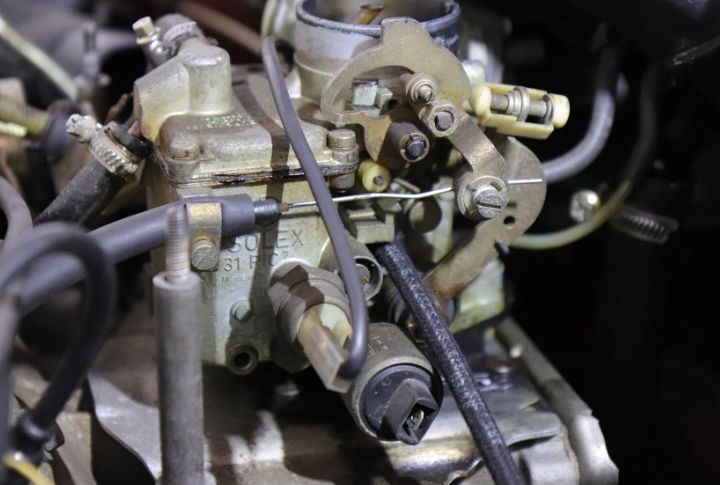
Before fuel injection, carburetors mixed air and gas to power the engine. They demanded regular tuning and could be temperamental. Modern engines utilize more precise systems, thereby making carburetors a fascinating reminder of automotive simplicity and the skilled drivers who were once needed.
Crank Start Engines
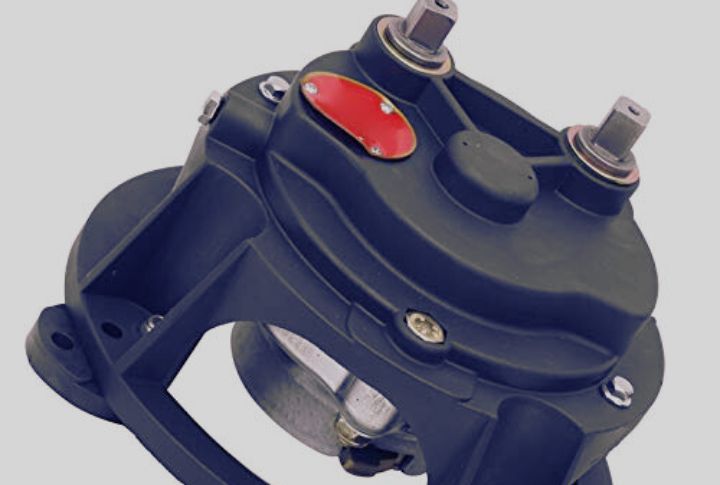
Just imagine turning a heavy crank in front of a car to start it. Early motors relied on this manual effort, which could be tiring and risky if the engine backfired. Electric starters revolutionized the game, consequently rendering this challenging process obsolete and making it rare to see today.
Manual Steering Without Power Assistance
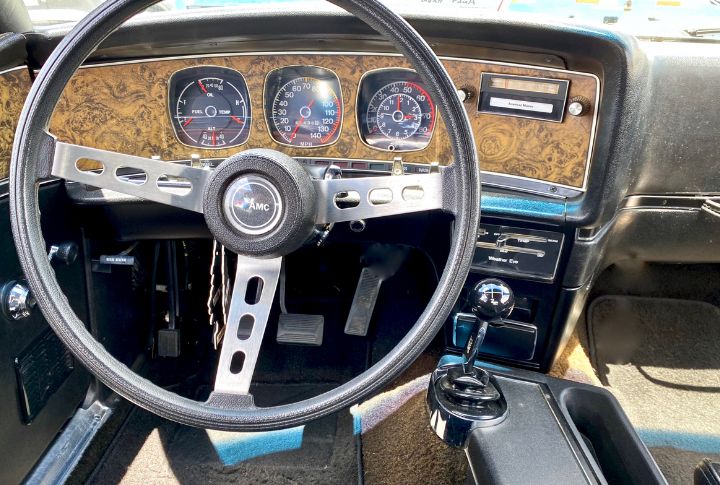
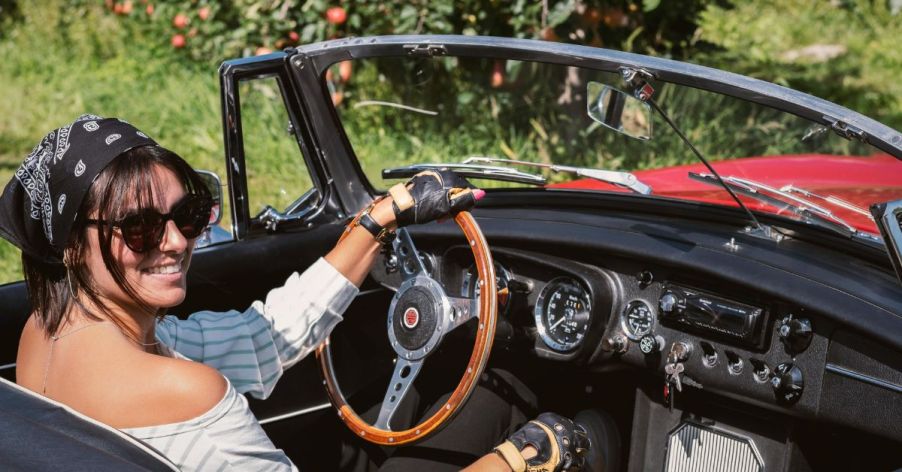
Older vehicles lacked power steering, so turning the wheel required real muscle. Navigating tight corners or parking was even more challenging. The switch to power-assisted steering transformed driving comfort, leaving manual steering as a physical test of strength in automotive history.
Drum Brakes
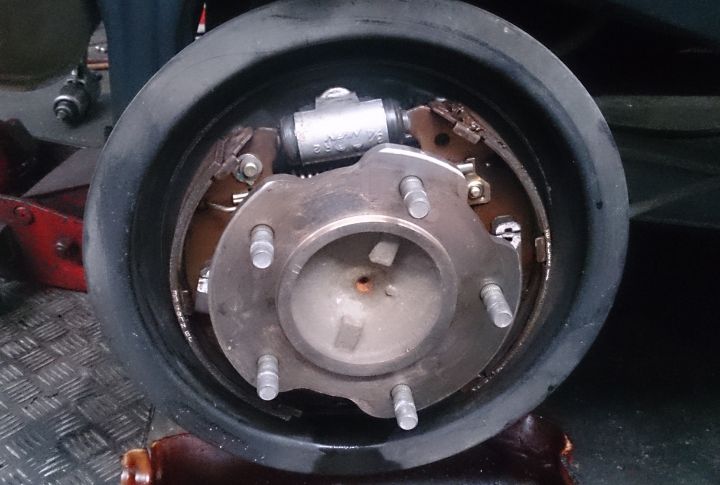
Vintage cars often used drum brakes, which enclosed brake shoes inside a drum. These brakes weren’t as efficient as modern discs, especially when hot. Understanding drum brakes provides insight into how braking technology has improved over time for enhanced safety.
Pop-Up Headlights
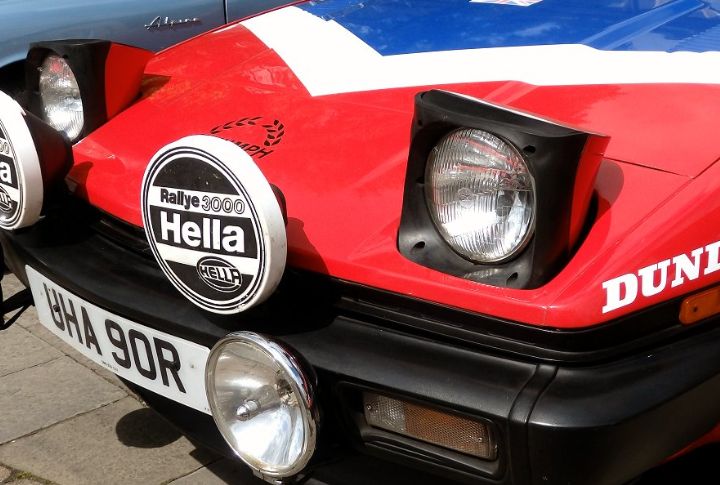
Some classic cars featured headlights that magically popped up when turned on. This clever design not only improved aerodynamics but also added flair. Though rare today, pop-up headlights remain a beloved and stylish hallmark of retro car design.
Bench Seats
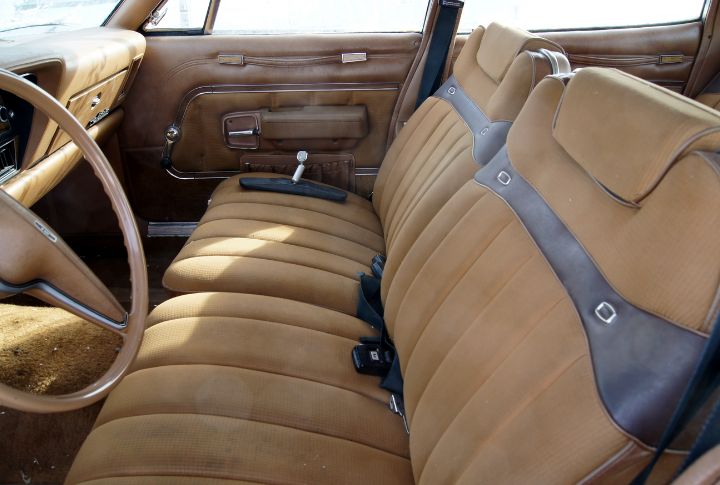
Instead of separate seats, many old cars had a bench seat that spanned the entire width of the front. It allowed three people to ride side by side, therefore creating a more social ride. This layout has largely disappeared, replaced by bucket seats that prioritize driver and passenger support.
Vacuum Operated Windshield Wipers
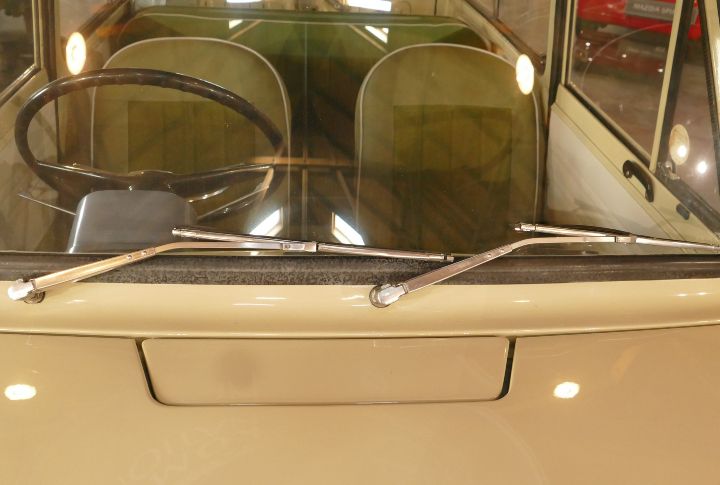
Early cars used engine vacuum to power windshield wipers. The Wiper speed dropped during acceleration because the vacuum pressure decreased. It’s an odd quirk that modern electric wipers easily address, resulting in improved visibility and safety on the road.
Non-Synchronized Manual Transmissions
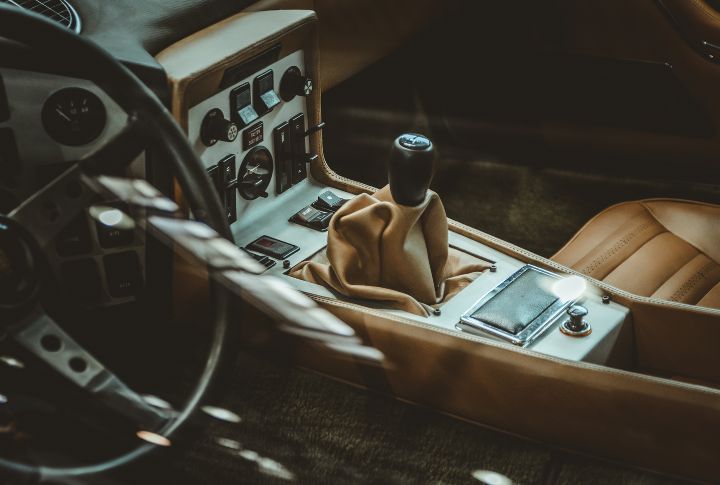
Drivers had to master double-clutching to shift gears smoothly with these transmissions. Without synchronizers, changing gears was a skillful dance of revving and timing. Today’s synchronized gearboxes simplify this process, thereby making old-school shifting a lost driving talent.
Mechanical Speedometers
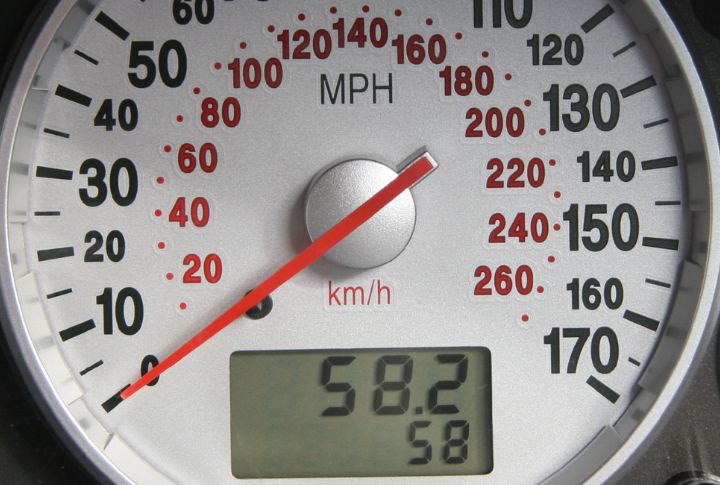
Classic cars measured speed using a cable connected to the transmission. These mechanical speedometers were analog and purely mechanical. Modern vehicles use electronic sensors and digital displays, so this vintage gadget shows how drivers once relied on simple, physical instruments.