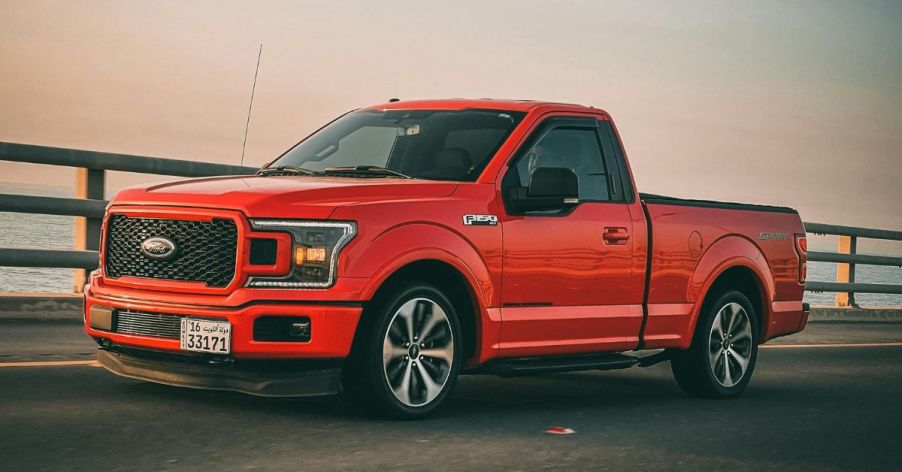
What Nobody Tells You About Ford’s Legendary Trucks
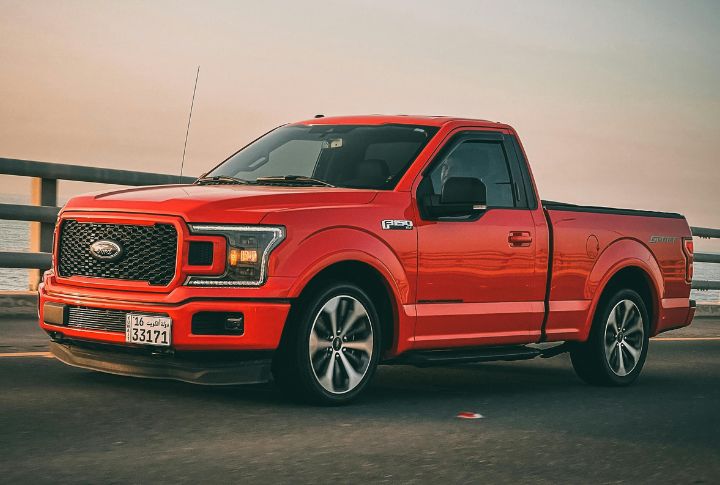
Everyone knows Ford trucks are tough—but most folks don’t know how wild their backstory really is. Hidden behind the horsepower and chrome is a trail of bold moves, strange firsts, and game-changing ideas. Buckle up—these aren’t your average truck facts. They’re way better.
Ford F-Series Started Production During WWII Recovery
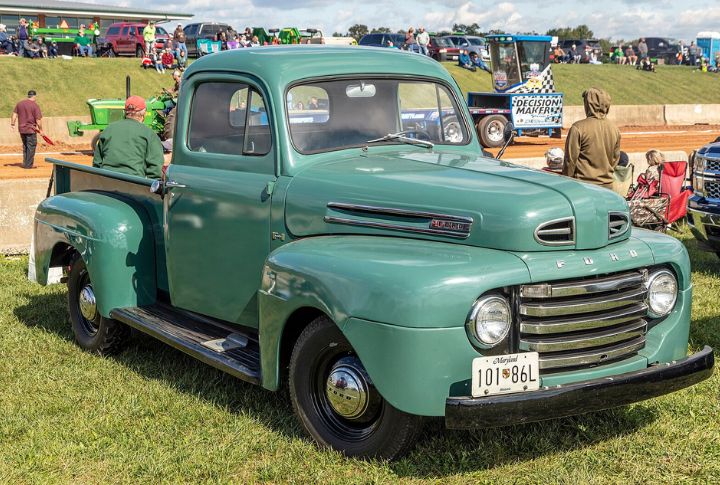
America in 1948 needed reliable trucks to rebuild infrastructure. Ford engineers spent three years developing the F-Series to support booming construction projects. These trucks featured stronger frames and more powerful engines than previous models. So, Ford abandoned their 1930s truck styling completely, creating a new vehicle line for the postwar era.
Henry Ford II Approved The Original F-Series Design
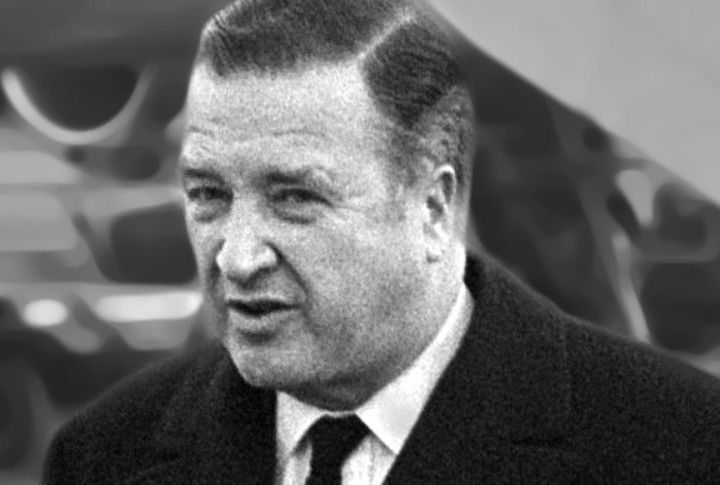
Henry Ford II closely oversaw the F-Series design process because truck sales would determine the company’s financial recovery. The 29-year-old executive had just taken control and needed a winning product. He approved the final designs in late 1947 after demanding thicker steel frames and larger engines than Ford’s previous trucks.
Ford F-Series Became America’s Bestselling Truck In 1977
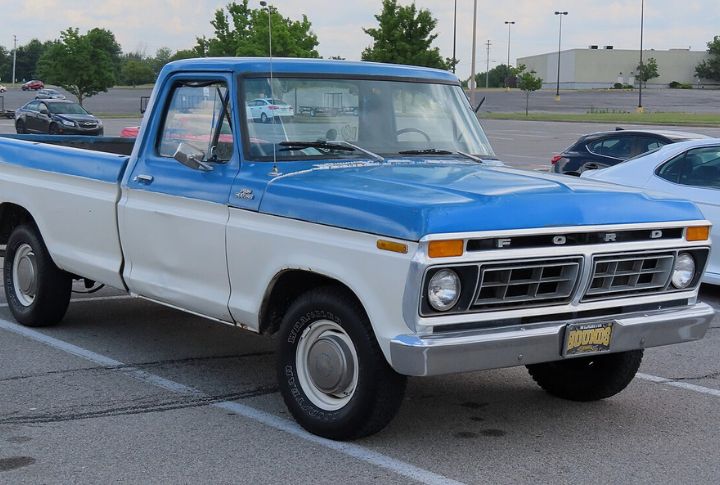
Chevrolet had dominated American truck sales since the 1950s until Ford finally dethroned them in 1977. The F-Series outsold Chevy trucks by focusing on payload capacity and durability rather than flashy features. Ford sold 653,000 F-Series trucks that year compared to Chevy’s 580,000. General Motors has never regained the top truck sales position since then.
Ford Built The First Aluminum Body F-150 In 2015
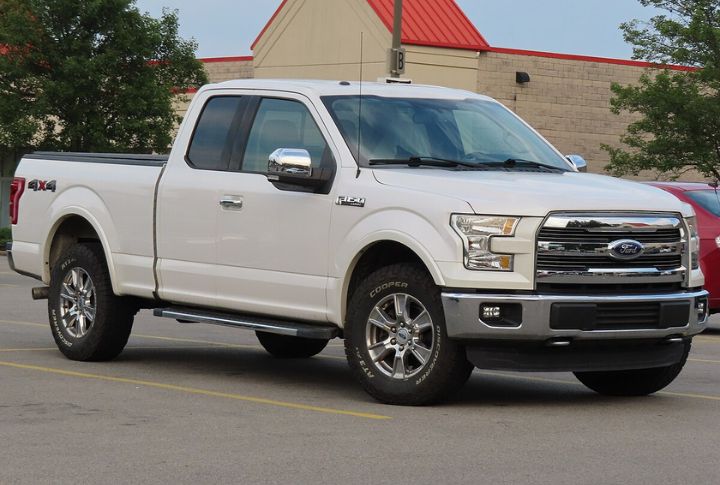
Ford replaced 700 pounds of steel with military-grade aluminum alloy in the 2015 F-150, creating the first mass-produced aluminum pickup truck. It was also the toughest lightweight truck ever built. Skeptics questioned the durability, but testing proved aluminum F-150s could handle anything steel versions faced.
Ford F-650 Can Legally Tow Up To 37000 Pounds

Commercial F-650 trucks handle towing jobs that regular pickups cannot attempt safely. The maximum 37,000-pound capacity equals pulling a fully loaded cement mixer. These trucks use specialized transmissions designed for constant heavy-duty operation. Construction companies and utility crews also rely on F-650s for their toughest hauling jobs.
Ford F-1 Introduced Integrated Cab & Bed Construction
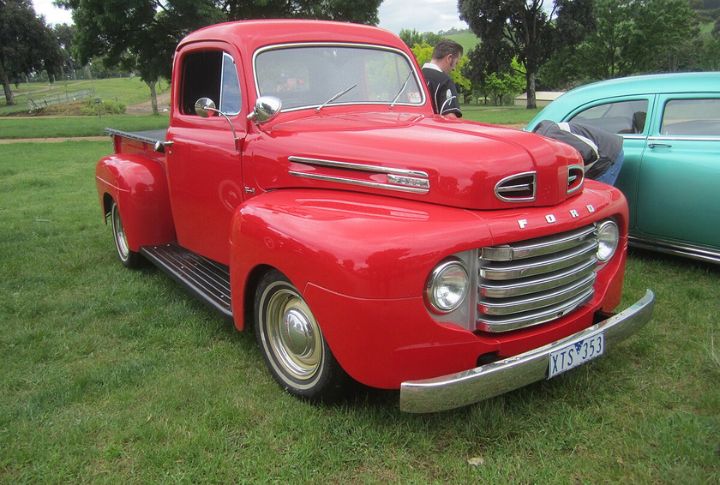
The 1948 F-1 introduced a stronger chassis with improved welding techniques, which reduced rattling compared to earlier bolted designs. Previous trucks attached bed sections using basic connections that created structural weakness over time. Thus, Ford’s improved construction methods eliminated rattling and reduced manufacturing costs significantly.
F-150 Raptor Uses Fox Racing Motocross Shocks
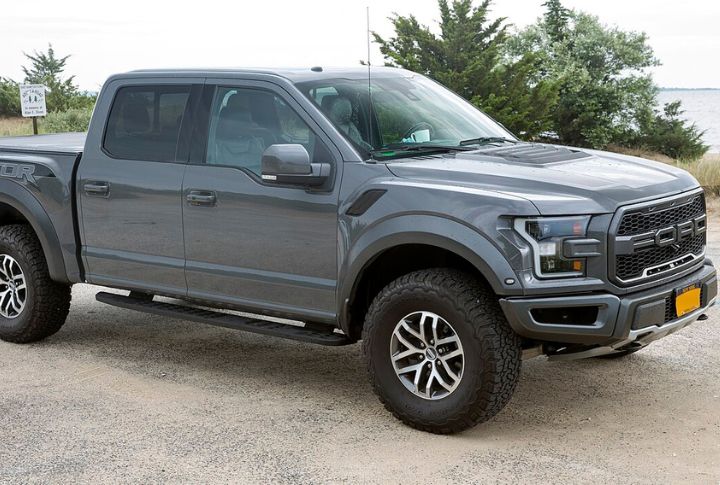
Fox Racing Shox dominates professional motocross and off-road racing with advanced suspension technology. Ford partnered with Fox to install custom-tuned shocks on every Raptor model since 2010. These truck shocks cost over $1,000 each to manufacture, and this same technology helps dirt bikes fly through desert terrain at 80 mph.
F-Series Assembly Plants Operate In 8 Countries
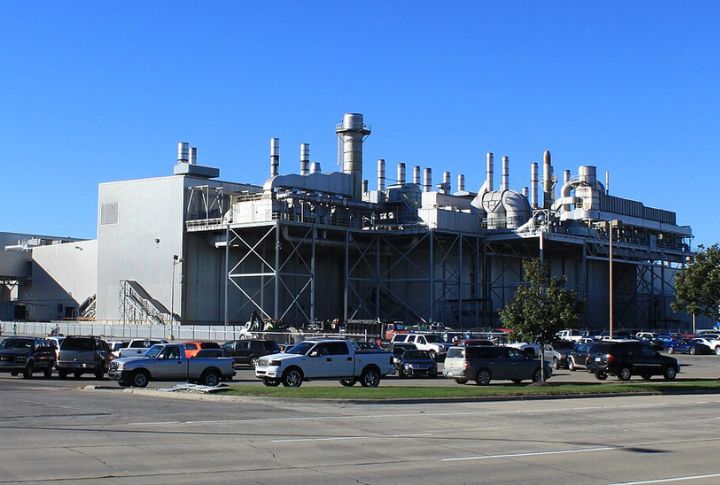
Ford manufactures F-Series trucks in the United States, Mexico, and Thailand to serve global markets. The Dearborn plant in Michigan has remained the primary F-150 production facility since 1948, with Kansas City, Missouri, handling additional volume. International plants also produce over 400,000 F-Series trucks annually outside North America.
EcoBoost Technology Debuted In F-150 During 2011
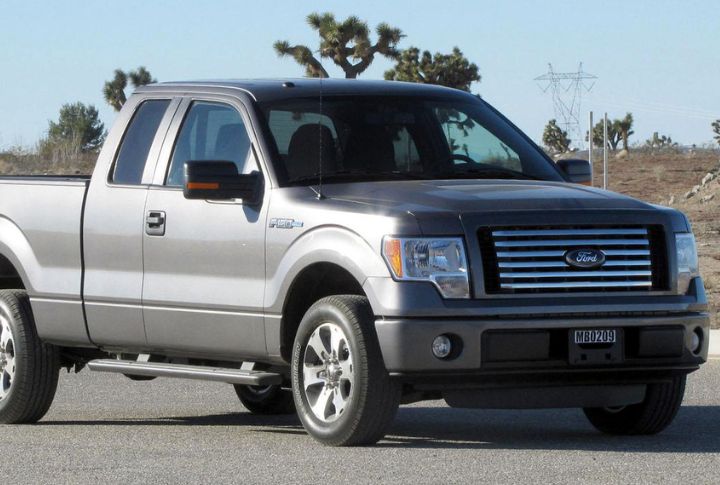
Ford’s EcoBoost engines use turbochargers and direct fuel injection to boost power while reducing fuel consumption. The 3.5-liter V6 EcoBoost produces more horsepower than Ford’s traditional V8 engines but uses 20% less gasoline. Engineers spent five years perfecting the technology before installing it in F-150 trucks.
Electric F-150 Lightning Can Power Homes For 3 Days
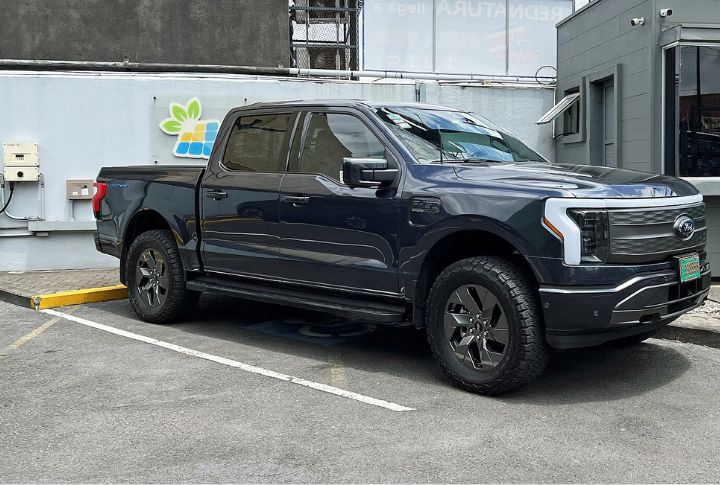
The F-150 Lightning’s battery pack stores 131 kilowatt-hours of electricity, enough to power an average American home for 72 hours during a power outage. Ford includes special outlets in the truck bed and a home integration system that automatically switches power sources. The truck can also charge power tools and camping equipment.