What Made The ’69 Camaro Z28 A Muscle Car Icon
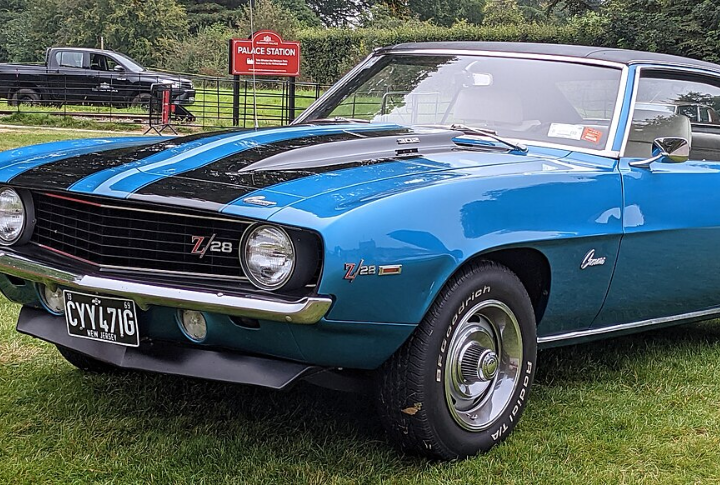
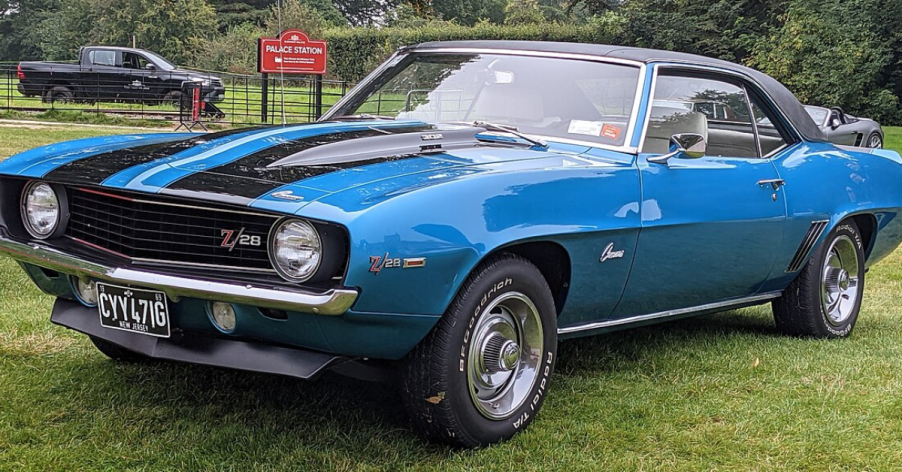
The 1969 Camaro Z28 became a symbol of racing grit and American engineering. Packed with rare features and purpose-built for domination, every detail told a story of style and innovation. Camaro fans still point to this model as the one that set the bar. Ready to explore what made it legendary? Here are 10 iconic features that defined an unforgettable performance era.
Factory-Installed Cowl-Induction Hood
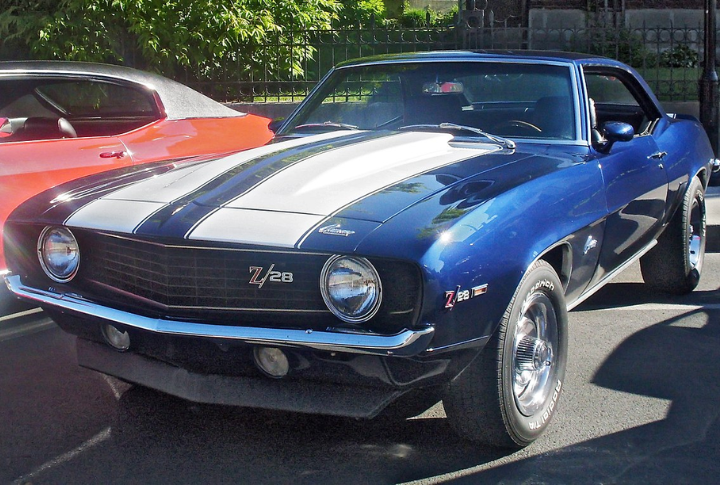
Standard on the 1969 Z28, the cowl-induction hood increased power by funneling cooler, denser air into the carburetor. A vacuum-actuated flap opened under full throttle. This showroom feature delivered real gains without aftermarket parts, giving drivers race-ready airflow out of the box.
High-Revving 302 V8 Engine
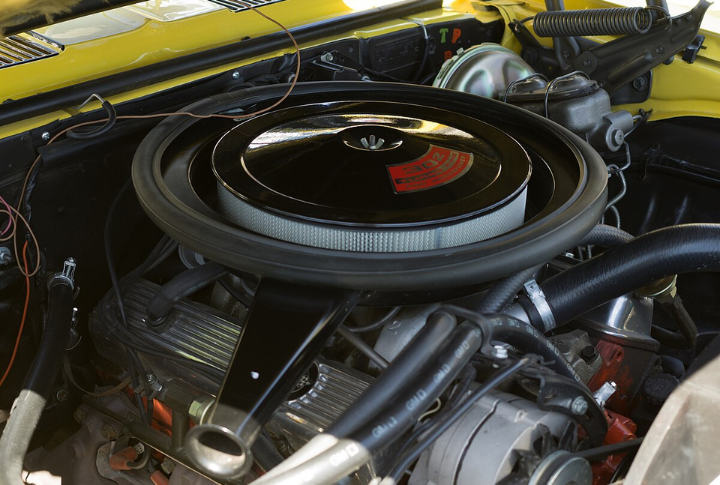
Built for Trans-Am’s 302-cubic-inch limit, the V8 was underrated at 290 hp but pushed closer to 360. The forged steel crank and solid-lifter camshaft were race-grade. Premium fuel was a must to maximize output and keep pace with the car’s high-rev ceiling.
Muncie M21 Close-Ratio 4-Speed Manual
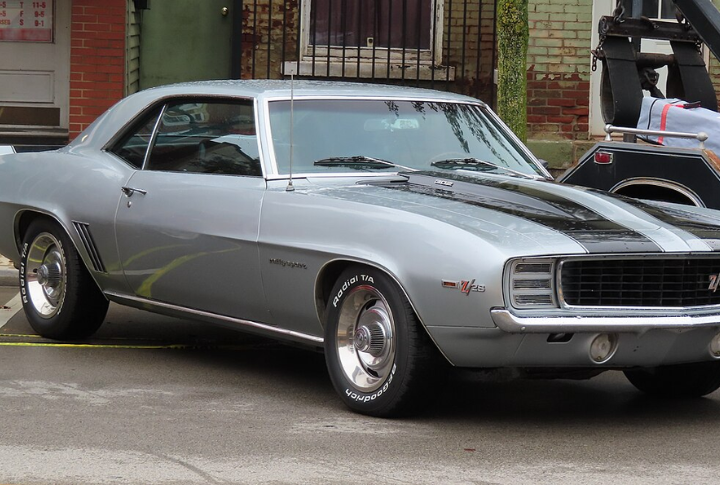
Standard on the Z28, the M21 gearbox delivered tight gear spacing ideal for high-rev shifts. Designed to match the 302’s narrow powerband, it gave drivers precise control. The race-style transmission transformed everyday driving into a true high-performance muscle experience.
Optional JL8 Four-Wheel Disc Brakes
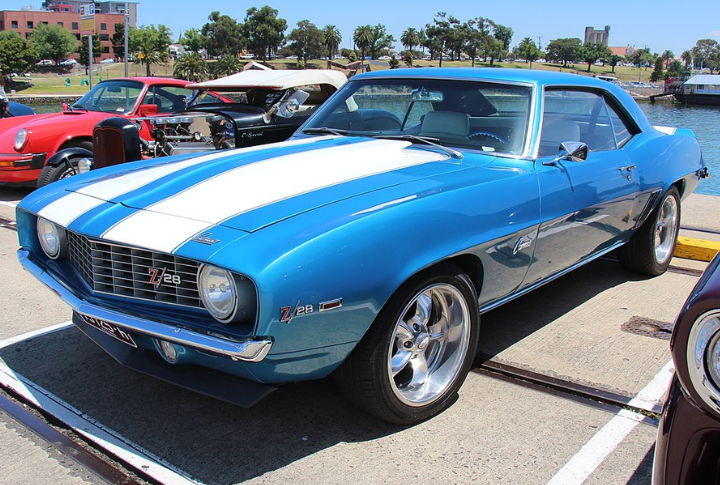
Available for $500, the JL8 system borrowed Corvette-grade four-piston calipers. Just 206 Z28s received this rare $500 option, which drastically outperformed stock drum brakes. That level of stopping power, straight from Chevrolet, makes JL8-equipped models prized among collectors today.
12-Bolt Positraction Rear Axle
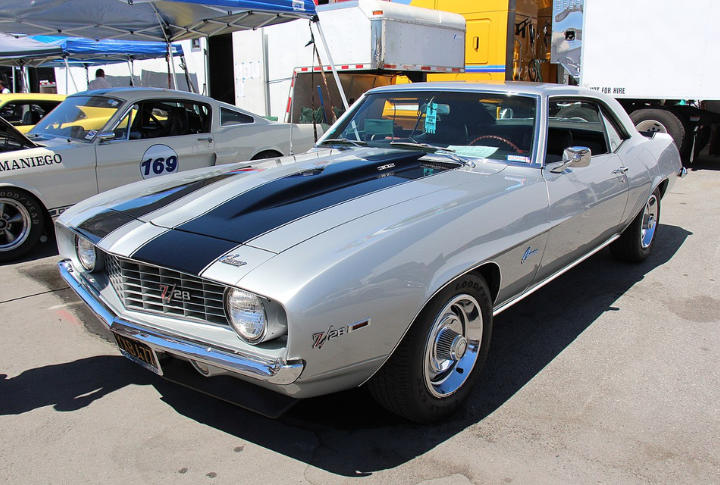
The 12-bolt Positraction rear ensured even power to both wheels, giving the Z28 better grip under hard acceleration. Reinforced for high-RPM torque, it remained stable during aggressive driving. This axle was essential for delivering consistent traction.
Signature Racing Stripes Package
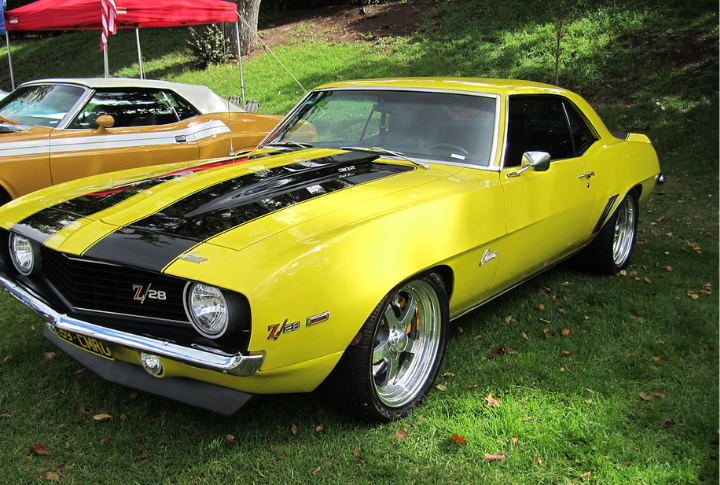
Available at no extra cost, dual stripes ran from the hood to the trunk and echoed Chevrolet’s Trans-Am team livery. The bold look became instantly recognizable. Performance and aesthetics combined to create a lasting visual identity for the Z28.
Front And Rear Spoilers For Aerodynamic Control
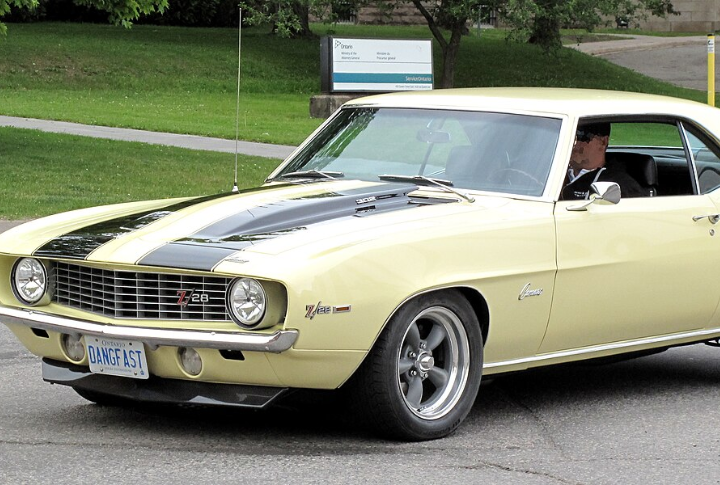
Offered together for the first time on a production Camaro, the front and rear spoilers reduced lift and boosted stability at speed. Often overlooked, they played a key role in improving high-speed cornering traction and gave the Z28 a race-inspired edge.
Limited Production Of 20,302 Units
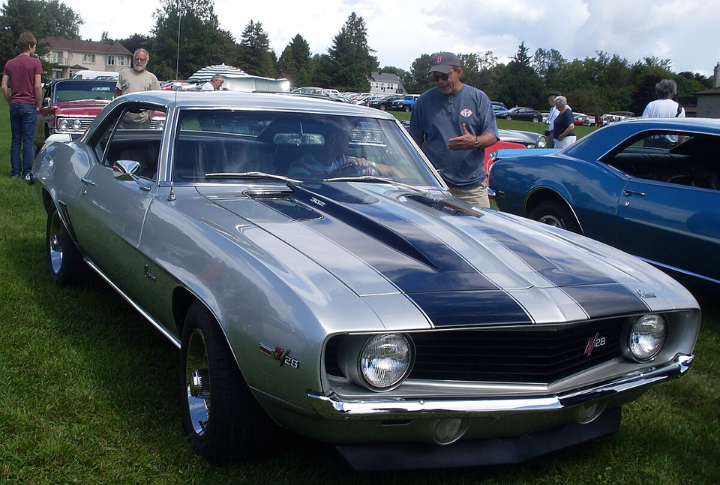
Only 20,302 Z28s were built in 1969, making it one of the rarest muscle cars of its time. Chevrolet didn’t promote it heavily, so buyers had to know how to order one. Popularity spiked later, driven by performance and word-of-mouth.
Z28 Badge With No Engine Callout
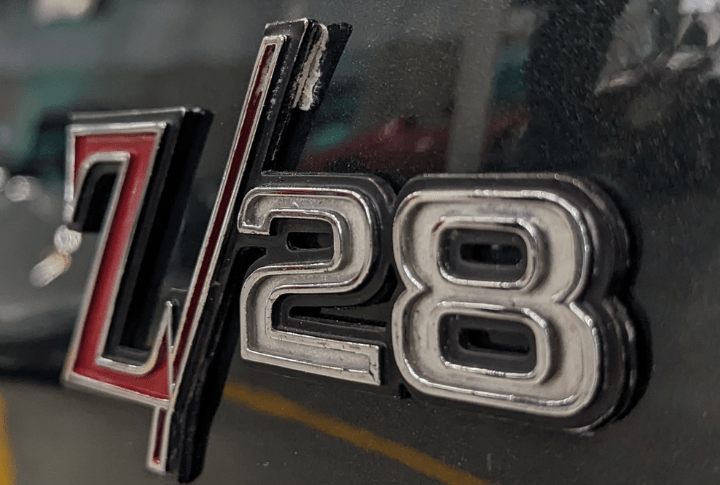
Unlike other models, the Z28 badge didn’t show engine size. This clean look downplayed its racing intent, keeping the car stealthy and understated. Enthusiasts appreciated the subtlety, while newcomers didn’t suspect its real performance potential until it left them behind.
Trans-Am Track Victories With Penske Racing
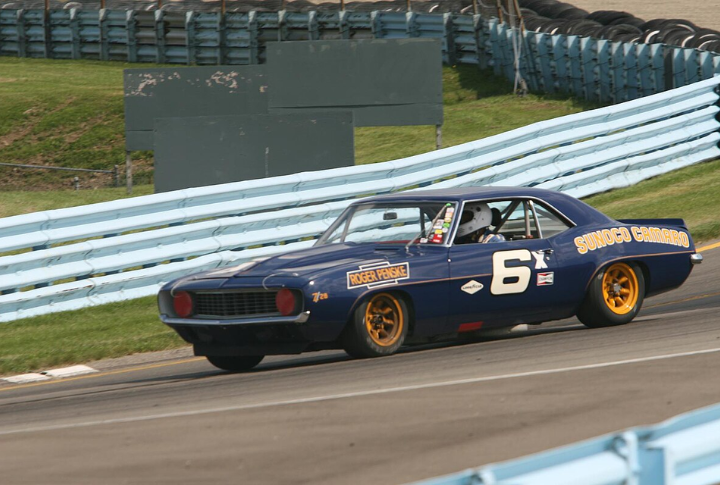
In 1969, Penske Racing and driver Mark Donohue led the Z28 to dominate the Trans-Am series. The car outperformed Ford’s Boss 302 in key races. These victories didn’t just sell cars—they solidified it as a motorsports legend.