What Longtime 4Runner Owners Complain About Most

The Toyota 4Runner has long built its reputation on rugged dependability. Still, owners who’ve spent years driving one have started pointing out some recurring problems. Some are more frustrating than others, but all of them are worth a closer look. Let’s break down the top complaints shared by longtime 4Runner owners who’ve seen it all.
Cracked Dashboards In Hot Climates
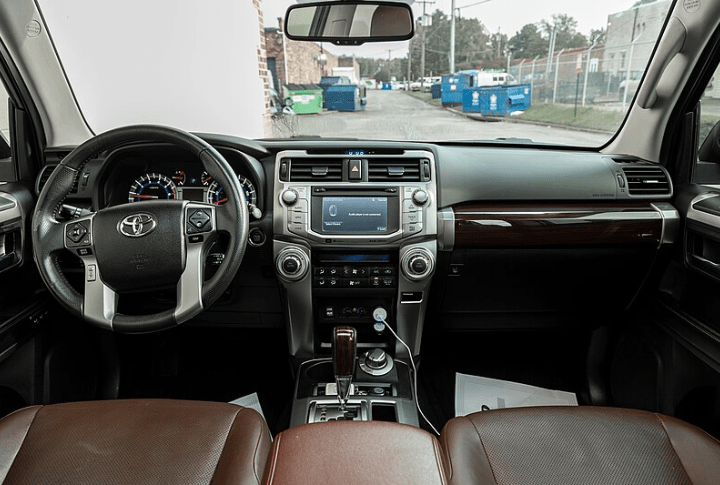
Pulling into a driveway on a blazing afternoon shouldn’t feel like a gamble for your dashboard. Yet, 4Runner owners from the 2003–2009 era noticed their dashboards cracking under the heat. Toyota acknowledged the issue with a warranty extension. Many drivers still resort to covering theirs with beach towels.
Frame Rust
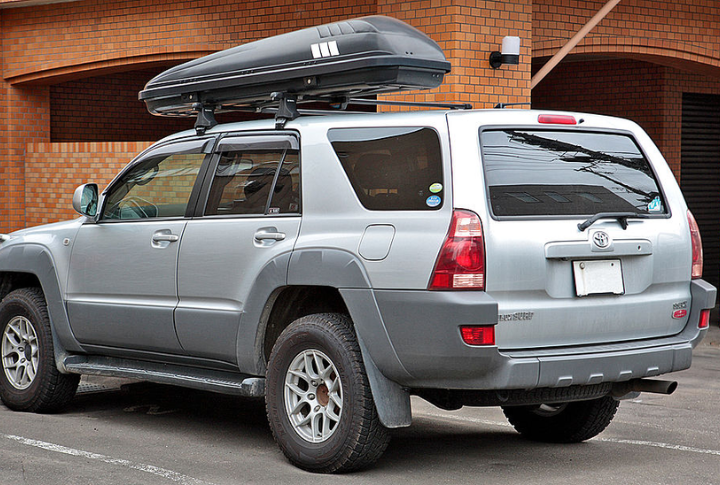
Some 4Runner owners, especially in the snowy Northeast, learned that the hard way. In models from 2003 to 2006, corrosion has led to full frame failures, particularly around the rear trailing arms. Hundreds of safety complaints poured into the NHTSA and raised serious concerns about long-term structural integrity.
Sticky Rear Window Switch Malfunctions
What starts as a quick attempt to air out the cabin sometimes ends in frustration. That stubborn rear window often found in 4th and 5th-gen 4Runners tends to get stuck halfway. No dramatic cause, no clear warning. Fixing it means replacing a switch that’s anything but budget-friendly.
Sunroof Leaks And Rattles

Imagine driving through a light drizzle, and instead of hearing raindrops outside, they’re dripping onto your seat. That’s the reality for many 2010–2015 4Runner owners. Rattling noises and drain clogs crept in over the past 60,000 miles. Dealership tweaks don’t always help, and water damage can spread faster than expected.
Clunky Shifting From The 5-Speed Automatic
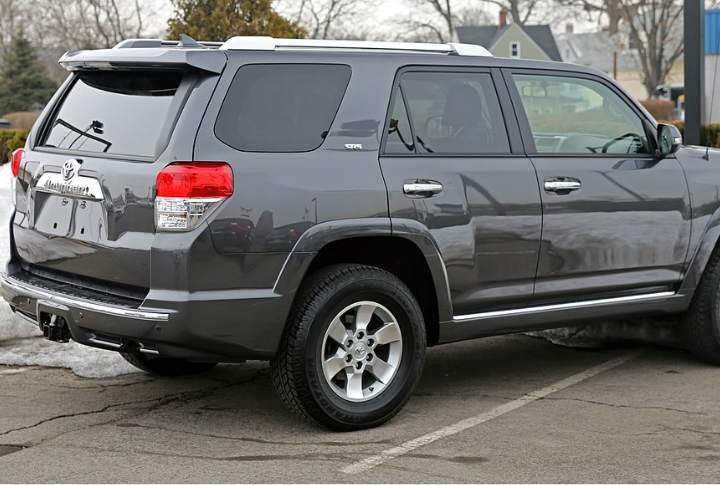
Shifting gears should be smooth, not a guessing game. But for owners of the 2010–2016 4.0L V6 models, the 5-speed automatic can feel hesitant, especially between 2nd and 3rd gear. Even though Toyota issued TSBs, the awkward transitions often return. Some swear synthetic ATF improves it; others stay skeptical.
Premature Brake Wear On Rear Pads
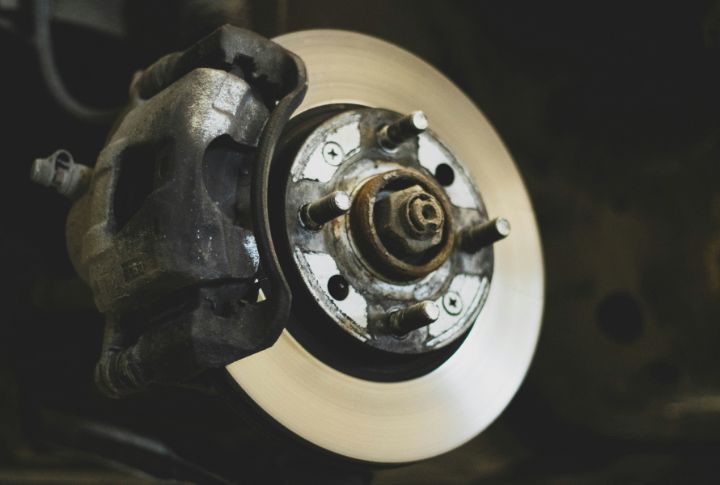
It’s strange when the rear brakes wear out faster than the front, but that’s what plenty of 4Runner owners have found after just 30,000 miles. Frequent replacements catch folks off guard. Some say it’s overly aggressive rear brake calibration, something Toyota hasn’t officially confirmed or addressed in updates.
Failing Fuel Injectors In V8 Models
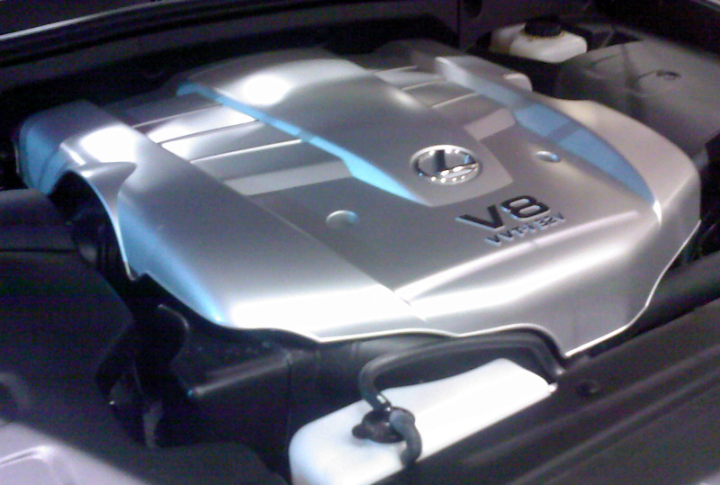
Misfires, sputters, and rough starts can ruin the day. Owners of 2005–2009 4.7L V8 4Runners often trace those problems back to faulty fuel injectors. OEM replacements are pricey and tough to install. Many ditch them for aftermarket options to dodge repeat failures, though that’s not a guaranteed fix either.
Limited Adjustment In Driver’s Seat Comfort
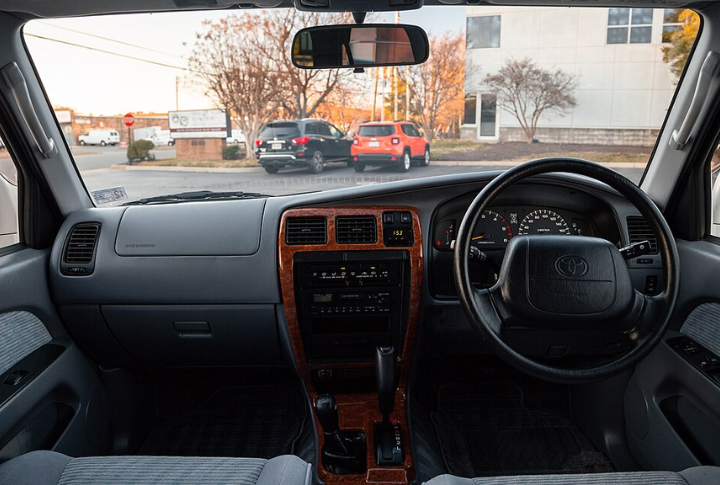
On long drives, discomfort builds fast when the seat doesn’t quite fit. In the 4Runner, only 8-way adjustments are available, making it hard for taller or older drivers to dial in proper support. That leads to makeshift solutions, like aftermarket cushions or seat wedges, just to ease back pain.
TPMS Sensors Frequently Failing Or Misreading
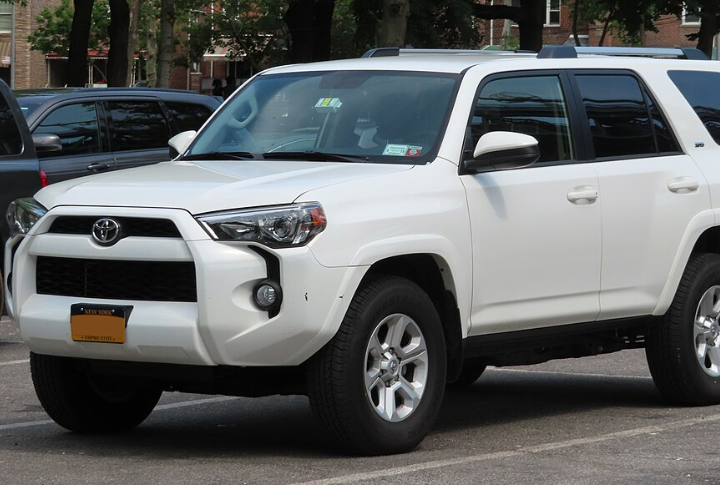
Tire pressure warnings are supposed to help, not cause stress. But in 2007 and newer 4Runners, the TPMS sensors often fail early or throw false alerts. Replacing them requires special tools or a dealer visit, which turns a simple task into a minor headache over and over again.
Underwhelming Factory Headlights In Night Driving

Driving at night shouldn’t mean straining to see the road. Yet many 4th and early 5th-gen 4Runner owners find the factory halogens lack the punch for rural routes or rainy nights. Upgrades to LED or HID setups are common, especially after learning IIHS ranked those headlights below average.