10 Ways The Kubelwagen Quietly Changed Military History
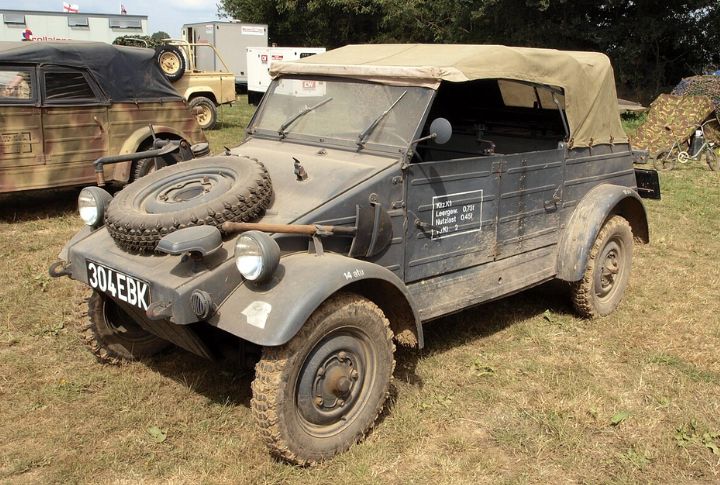
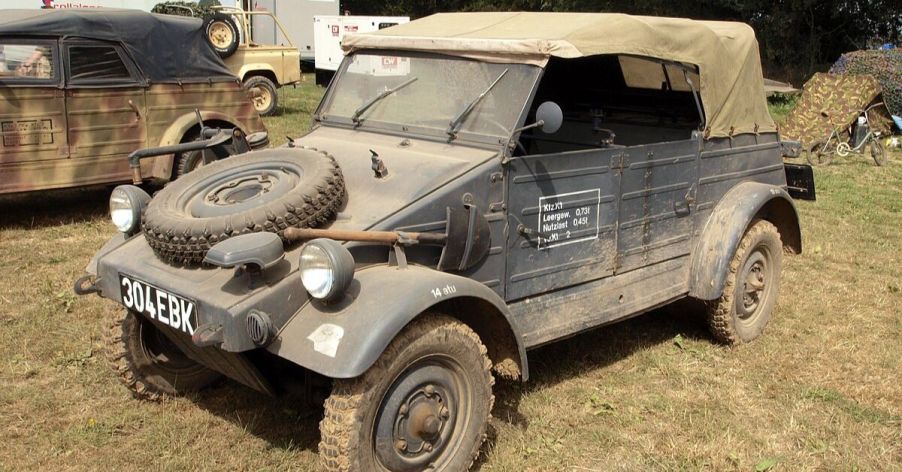
It didn’t breathe fire or roar down battlefields, but Hitler’s so-called war wagon carved out its own curious legacy. Lightweight, unassuming, and oddly efficient, this oddball ride supported one of history’s darkest machines without ever becoming a headline. Yet under the plain metal shell hid more stories than you’d guess—some ingenious, some unsettling. Time to peel back the dusty canvas and uncover the lesser-known truths behind this infamous military mule.
It Was Air-Cooled And Nearly Indestructible
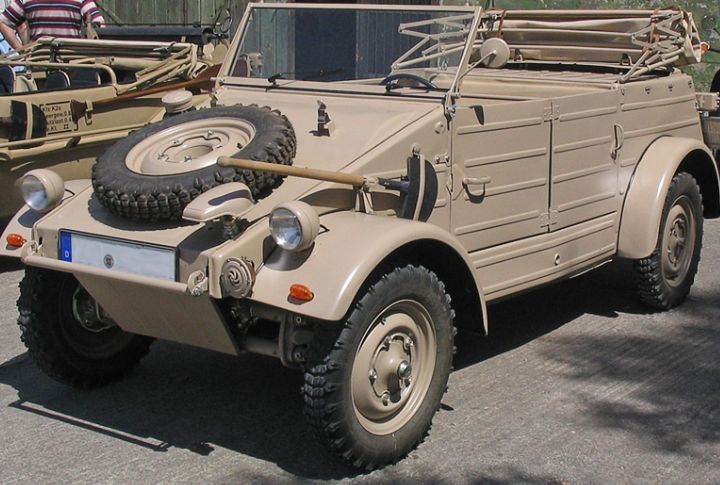
The Kubelwagen used a 985cc air-cooled engine, eliminating the need for a radiator. This made it ideal for desert warfare, where cooling systems often failed. It was easy to maintain and was known for surviving even with major body damage. German troops, including Rommel’s Afrika Korps, relied on their consistency.
Designed By Ferdinand Porsche
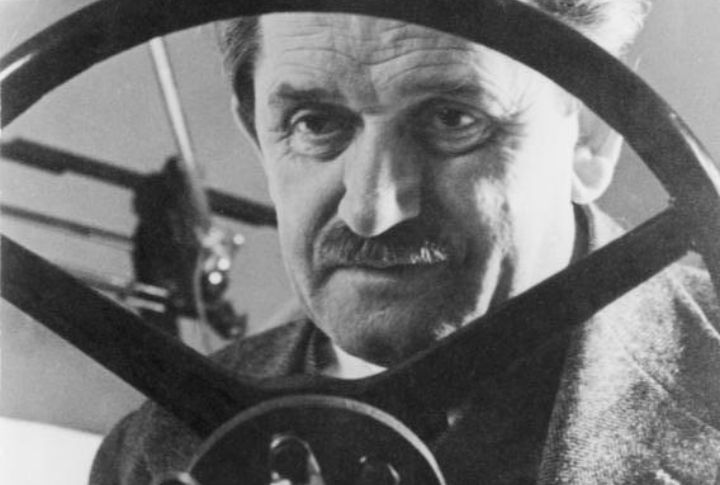
Ferdinand Porsche designed the Kubelwagen after receiving a direct order from Hitler. Built on the Volkswagen Beetle’s chassis, the vehicle was lightweight and efficient for military use. Soldiers called it the “Bucket Car” because of its bucket seats. The project also became one of Porsche’s first steps into global recognition.
It Was Used By The SS And Hitler’s Personal guard.
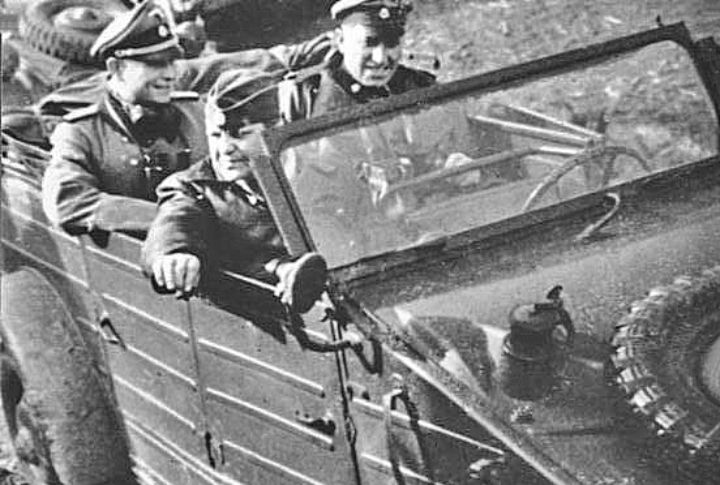
The SS and Hitler’s personal guard relied on customized Kubelwagens during WWII. Modifications included roof mounts, camouflage, and expanded storage. However, the engine remained standard across military models. Hitler used a specific variant to observe military parades, showing how versatile the vehicle became within elite Nazi units.
It Had No Four-Wheel Drive—Yet Outperformed Many Jeeps
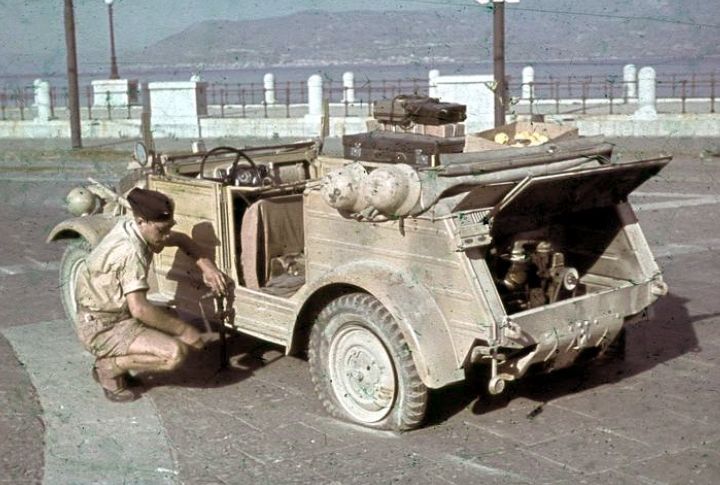
The rear-wheel drive may sound like a disadvantage, but for the Kubelwagen, it wasn’t. Its low weight and smart design allowed it to maneuver across harsh terrain with surprising ease. Even without four-wheel drive, it beat out some Allied vehicles. In fact, soldiers gave it a fitting nickname: the “poor man’s tank.”
The Nazis Produced Over 50,000 Units
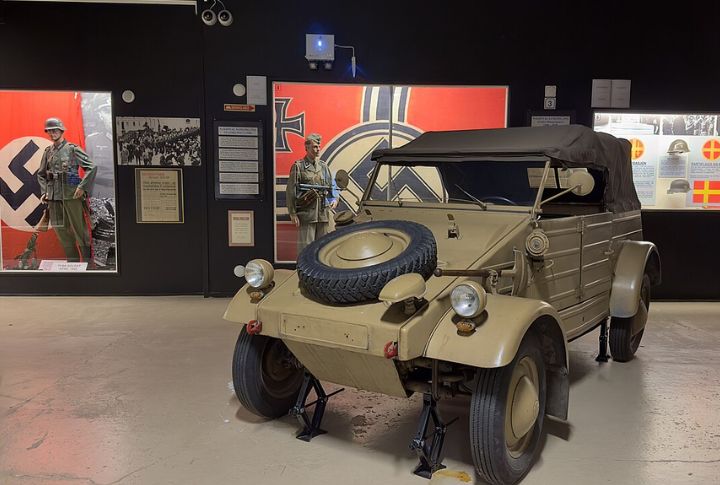
Mass production made the Kubelwagen the backbone of German military transport. More than 50,000 units were built during the war years. This proved so durable that some kept running decades later. A handful still survive today, stored in private U.S. collections or turning heads at vintage auto shows.
The Schwimmwagen Was Its Amphibious Twin
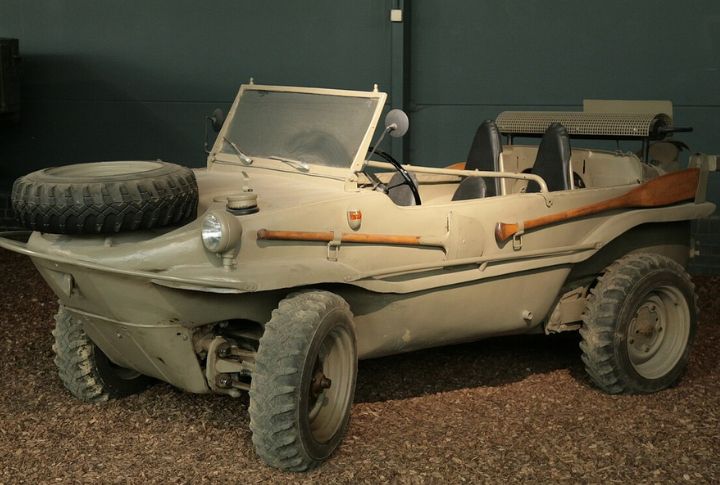
Volkswagen didn’t stop at land—the Schwimmwagen was built to swim. Based on the Kubelwagen, it featured a waterproof body, paddle-style tires, and a retractable propeller. Soldiers could drive it straight into a river without skipping a beat. It went on to become the most-produced amphibious car in the world.
It Was A Key Part Of The Blitzkrieg Strategy
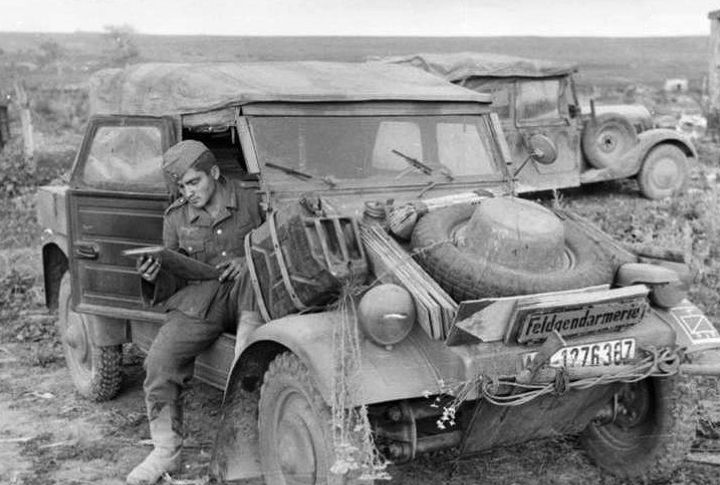
The Kubelwagen played a critical support role in Blitzkrieg operations. Officers used it to travel fast and relay commands. With optional radios and command tools, it kept units in sync. Speed also gave it an edge, especially when scouting terrain ahead of tank divisions. It was engineered for swift coordination.
Its Body Was Made Of Sheet Metal—No Armor
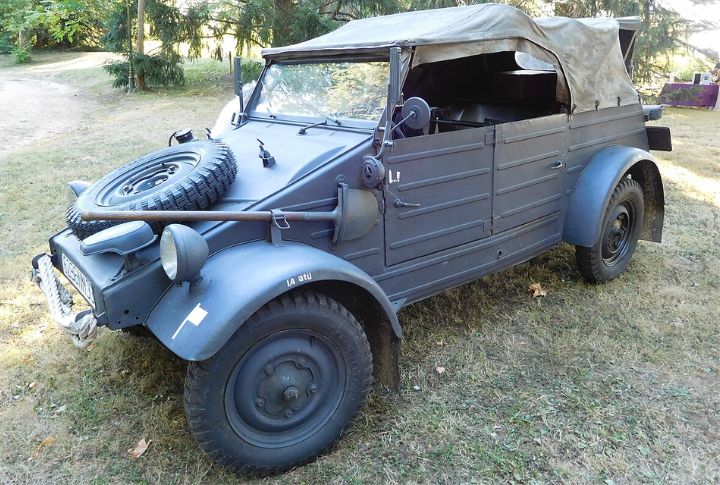
Armored plating wasn’t part of the Kubelwagen’s design. Instead, it used light sheet metal to stay nimble. This choice meant it could float in shallow water and even be lifted by four men when needed. Speed and mobility took priority over protection, especially during fast-paced wartime operations.
Allied Forces Studied It After The War
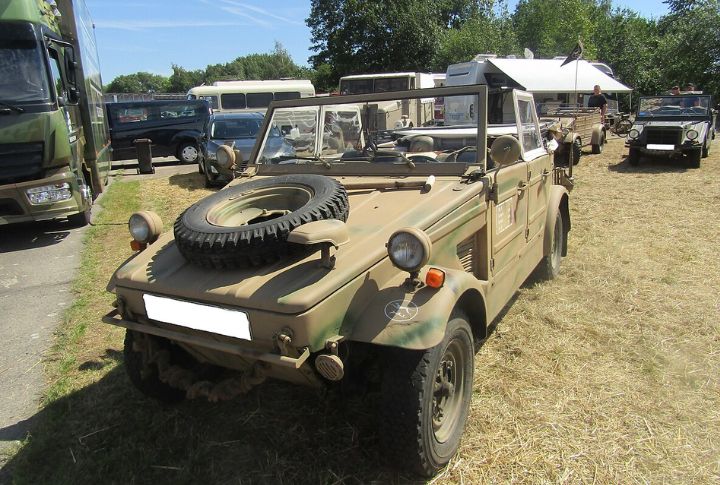
After the war ended, Allied engineers didn’t discard the Kubelwagen; they studied it. Captured units were examined by both U.S. and British teams. Several of its design features were later used in Allied vehicles. A few were even repurposed and repainted, with one serving as a post-war American parade car.
It Was Cheaper To Build Than The Jeep
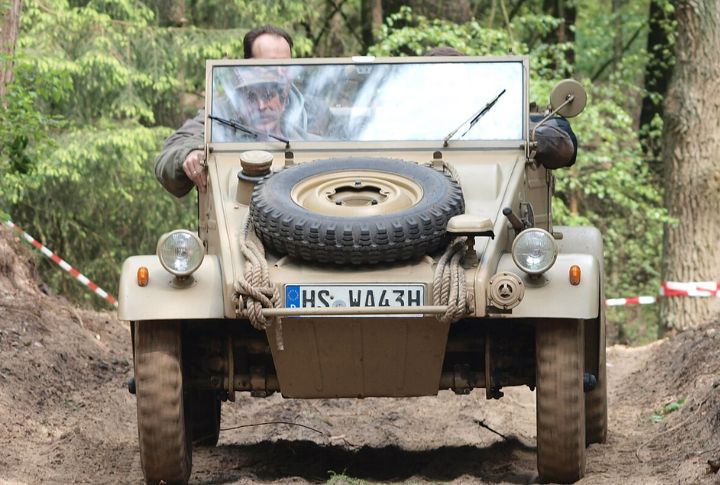
The Kubelwagen’s design prioritized simplicity and economy. Fewer resources were required, and production costs were significantly lower than those of the American Jeep. This affordability aligned with Hitler’s goal for a mass-produced wartime vehicle. Closely tied to Volkswagen, the car also earned the nickname “Volkswagen’s war child.”