10 Ways China’s Car Culture Steers Away From The West
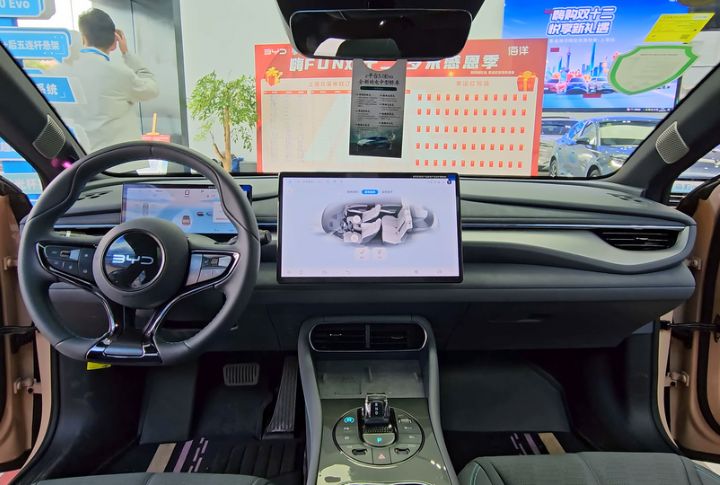
Car culture reflects more than transportation—it signals identity and societal status. This listicle explores 10 distinct ways China’s approach to cars contrasts with that of the West. The entries highlight differences in vehicle design, consumer preferences, and cultural significance.
Preference For Electric Vehicles
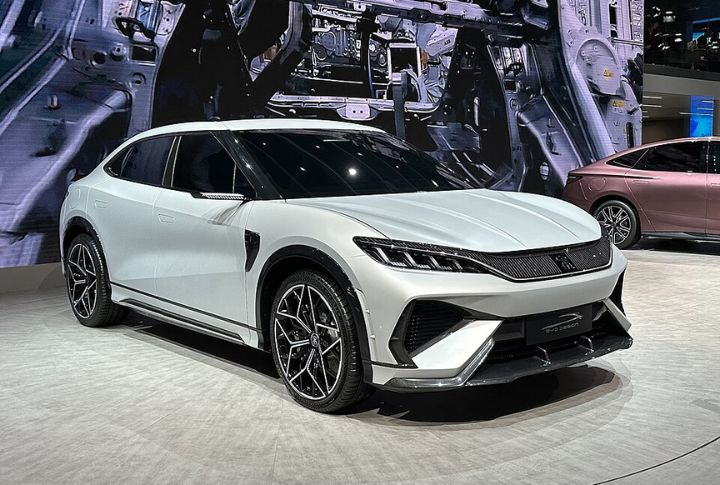
Boosted by subsidies and tight licensing rules, China leads the global electric vehicle market. In 2024, it accounted for over 60% of EV sales worldwide, while many Western nations continue to favor traditional combustion engines over electric alternatives, lagging behind in EV adoption.
Tech-Focused Interiors
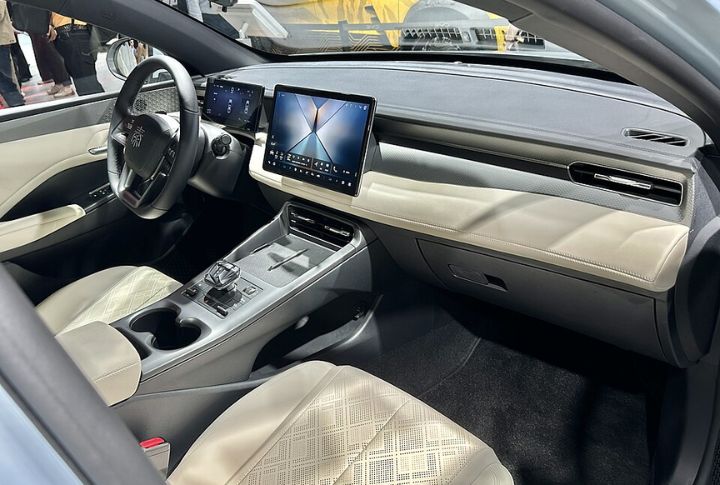
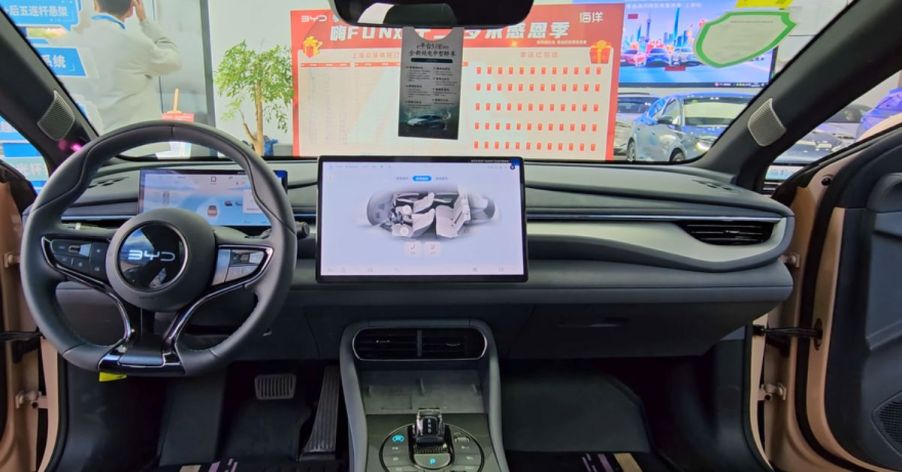
Chinese buyers prioritize digital features, while Western drivers still focus on the physical feel of driving. Surveys even show that infotainment ranks higher than engine specs in China, but Western markets prefer power over technology.
Status Over Legacy
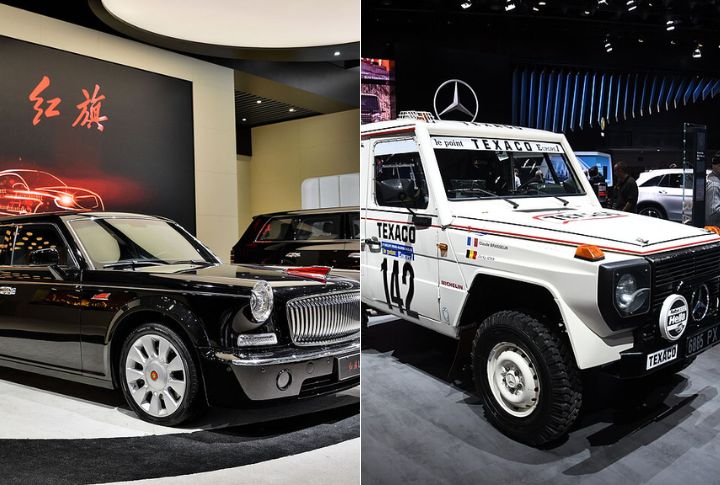
Chinese consumers care deeply about brand image, with local names like Hongqi benefiting from this. Still, while Hongqi draws on national pride, foreign brands like BMW continue to hold a higher status in China. In the West, buyers tend to favor long-established names like Mercedes-Benz.
Small Engines Dominate
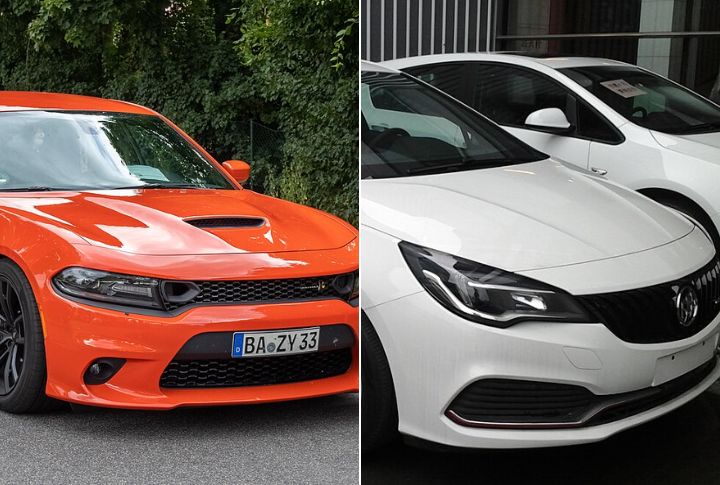
Cars like the Dodge Charger with a 5.7-liter V8 stay popular in the West due to low engine taxes. China discourages this trend, and models such as the Verano GS run smaller 1.5-liter engines to avoid stiff penalties on size and emissions.
Rear Seat Comfort
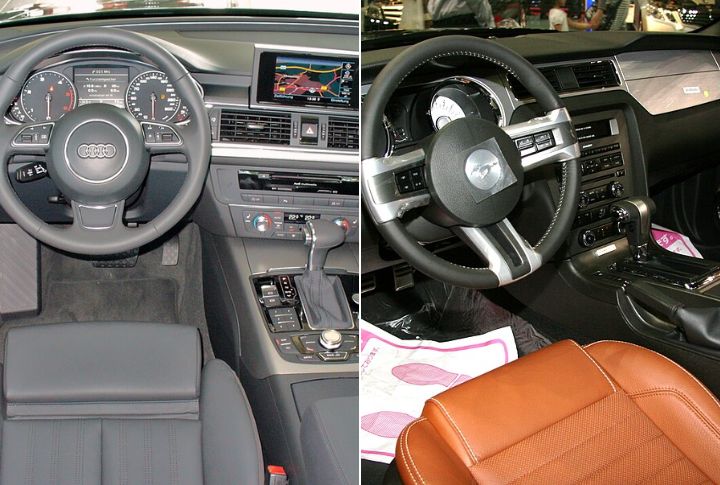
Driver engagement leads in Western designs. For example, look at the Mustang GT with bolstered front seats and tight cabins. Chinese sedans reverse that. For instance, Audi’s A6L adds space and luxury in the rear, fitting for owners who prefer to be chauffeured.
Different Driving Habits
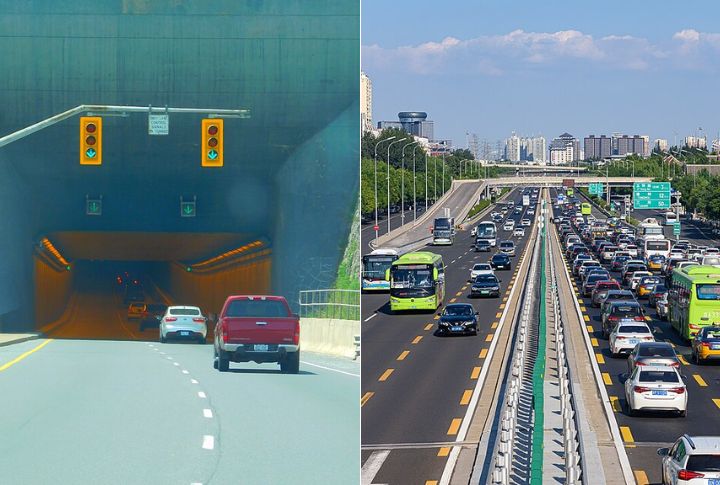
Chinese city drivers change lanes quickly and skip signaling, while Western roads follow stricter habits. The majority of Chinese urban drivers frequently switch lanes, and dashcams are widely used. On the other hand, Western drivers rely more on official traffic enforcement.
Domestic Brands Compete Strongly
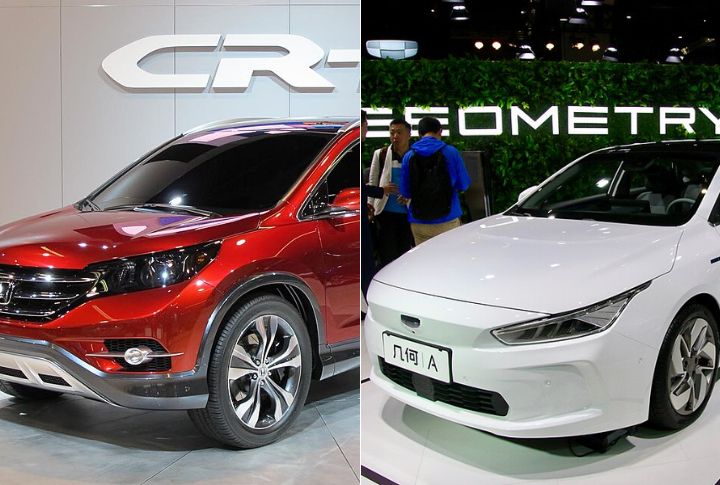
Brands like Honda continue to dominate in the West due to long-term trust. In China, buyers shift preferences. In 2023, BYD outpaced Volkswagen. Additionally, Geely’s quick expansion in China proves that local companies now match global names in design, safety features, and tech quality.
Strict Noise Regulations
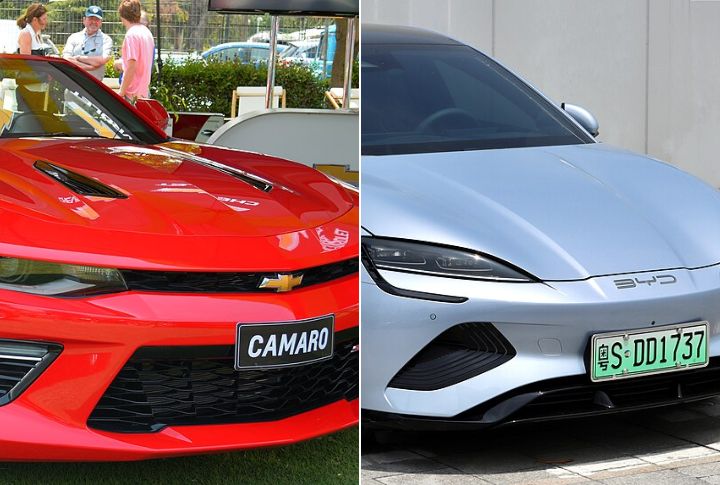
A throaty V8 is admired in the West—take the Camaro SS. But would it survive Beijing traffic rules? Probably not. Noise limits are tight, with cameras installed in major Chinese cities. Cars like the BYD Seal stay quiet and compliant.
Bold Color Preferences
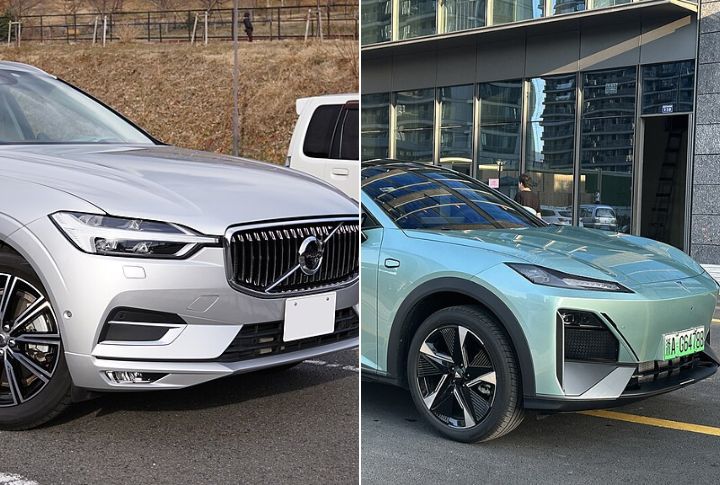
Western roads are filled with gray and silver, with models like the Volvo XC60 selling best in monochrome tones. In contrast, China embraces brightness. Changan’s Deep Blue EVs come in different colors, like ocean teal and rose gold, attracting younger drivers.
Advanced Parking Features
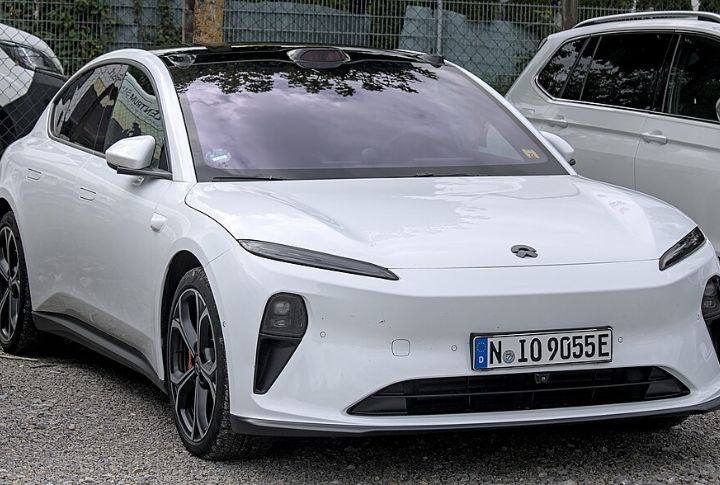
Parking tech is common in Chinese cars but is treated as an extra premium feature in the West. Over 75% of new cars in China offer assisted parking systems. NIO models include auto-valet parking, a feature still rare in most Western entry-level vehicles.