15 Ways a Motorcycle Training Course Can Save Your Life
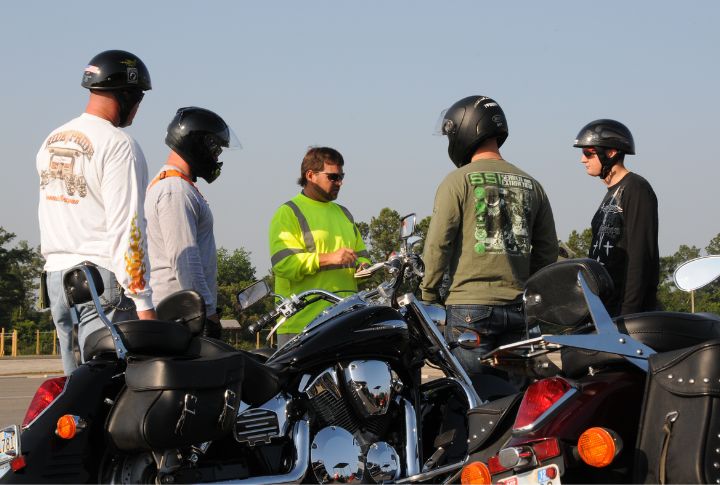
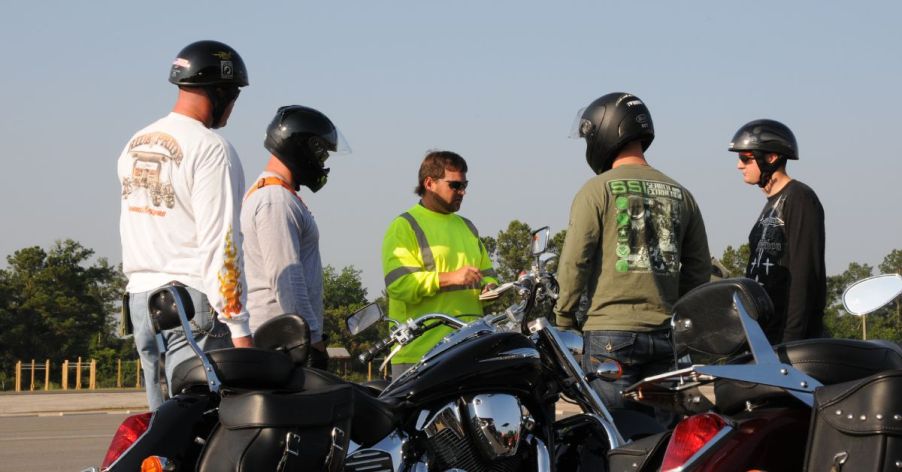
Your motorcycle can be dangerous—if you don’t know how to handle it properly. There are just two wheels keeping all those horses in your motorcycle’s engine in line. You must enroll in a motorcycle training course to bolster your riding skill set and ensure self-preservation. If you’re still unconvinced, watch this slideshow for the 15 ways a motorcycle training course can save your life.
Master the “Oops, That Was Gravel” Skillset
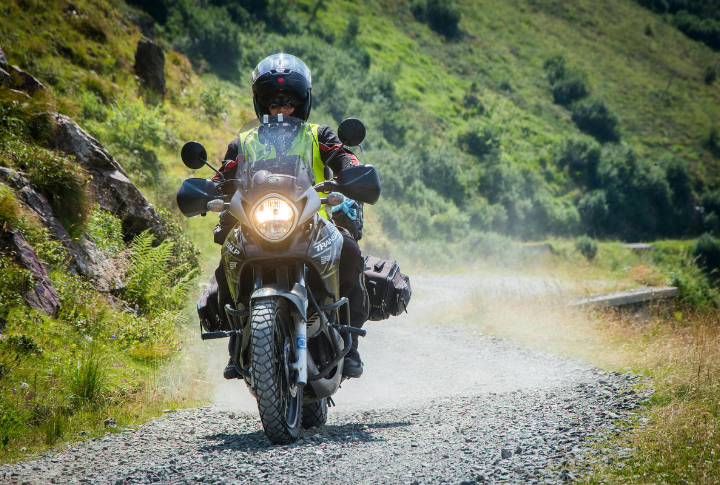
Gravel is most biker’s worst nightmare. Without warning, your tires lose grip, and suddenly, you’re headed for a not-so-soft landing. At a training course, you will learn how to adjust your speed and posture so that instead of becoming roadkill, you can glide over those loose rocks like a pro, with dignity intact.
Learn to Swerve Like a Pro
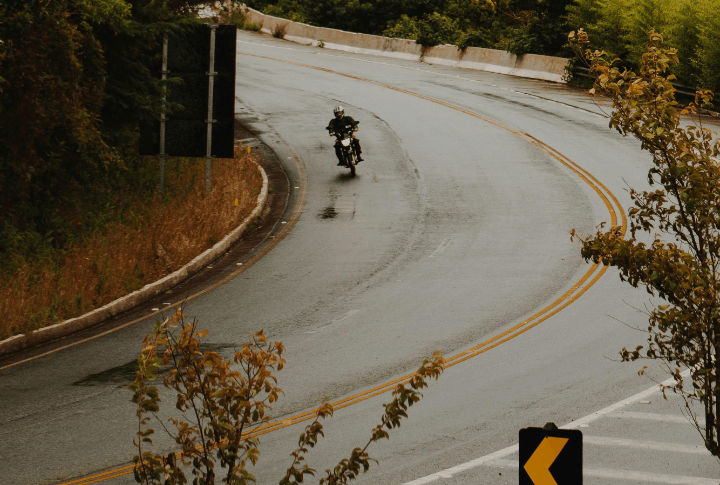
Have you ever had a deer, squirrel, or lost tourist dart into your path? If you can’t time your swerve correctly, you might meet them face-to-face—literally. Motorcycle training helps you perfect evasive maneuvers, so the next time a wild animal or oblivious pedestrian jumps out, you can dodge instead of going airborne.
Braking: More Than Just a Panic Move

Grabbing the brakes too hard can send you skidding or flipping, making for a very short and painful ride. You will learn how to brake smoothly and efficiently without losing control in these courses, turning what could’ve been a crash into a well-executed stop and sparing you from taking flight.
Know How Not to Ride Like You’re in a Video Game

If you think weaving through traffic at high speeds is like playing “Need for Speed,” think again. Unlike in video games, there are no save points in real life. Motorcycle training shows you how to safely navigate congested streets instead of treating them like a racecourse—without losing your life.
The Art of Reading Other Drivers’ Minds

Some motorists often act like they’re the only ones on the road, oblivious to motorcycles. Training teaches you to anticipate their unpredictable behavior, whether a sudden lane change or an unsignaled turn, so you can avoid becoming another hood ornament on their car—or worse, the latest tragic news headline.
Understanding the Weather’s Intentions for You
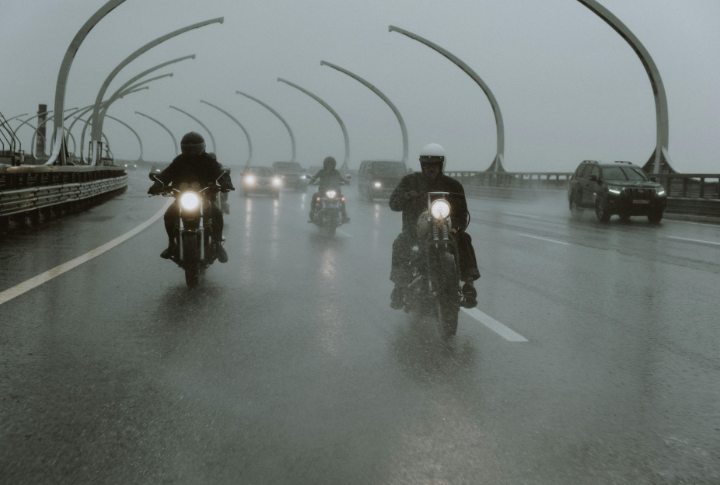
Rain, fog, and wind can make your ride go from smooth to terrifying in seconds. A good motorcycle course covers how to safely ride through the elements—whether learning to maintain traction in the rain or avoid getting blown off course in high winds—but Mother Nature doesn’t stand a chance.
Avoiding the “Invisible Bike” Syndrome
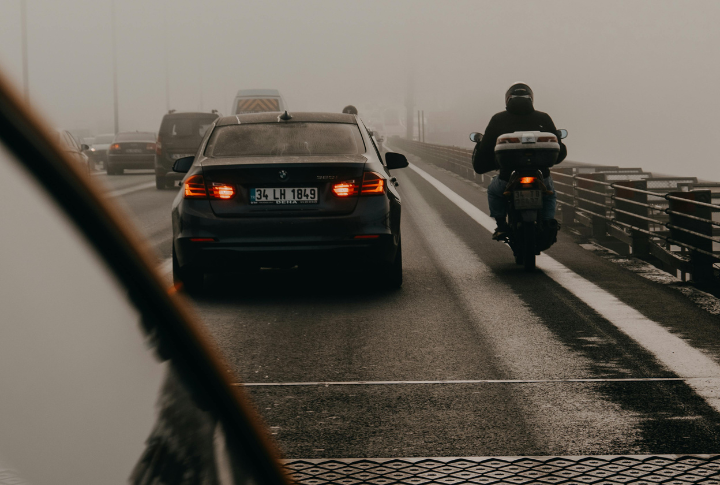
Even the loudest bikes seem to disappear from drivers’ awareness. Courses like these teach you to maximize visibility through intelligent positioning and defensive riding tactics. They ensure you’re seen before a distracted driver changes lanes without checking their blind spot, saving you from becoming a highway ghost story.
Know When to Slow Your Roll

That adrenaline rush is addictive, but speeding through heavy traffic is a fast track to disaster. Motorcycle training helps you understand when it’s safe to go fast and when to slow down, balancing thrill and caution. After all, enjoying the wind in your hair is hard when sailing through the ER.
Don’t Let Lane Splitting Turn Into Life Splitting
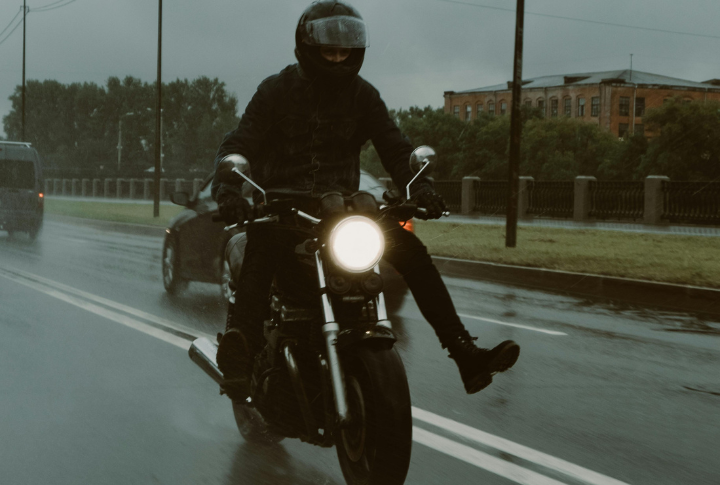
Lane splitting may shorten your commute to your destination, but it may also shorten your lifespan by sandwiching you between two cars. Training courses teach you the correct and safest way to navigate between vehicles, reducing your chances of becoming the filling in a metal pancake.
Pre-Ride Rituals are a Form of Life Insurance

Riding without checking your bike’s condition is like walking a tightrope with blindfolds on. A motorcycle course drills the habit of pre-ride checks—tires, brakes, lights—so you’re not halfway down the road when your brake lever decides to take a vacation, leaving you hurtling toward an early retirement.
Surviving the “Helmet Hair” Dilemma
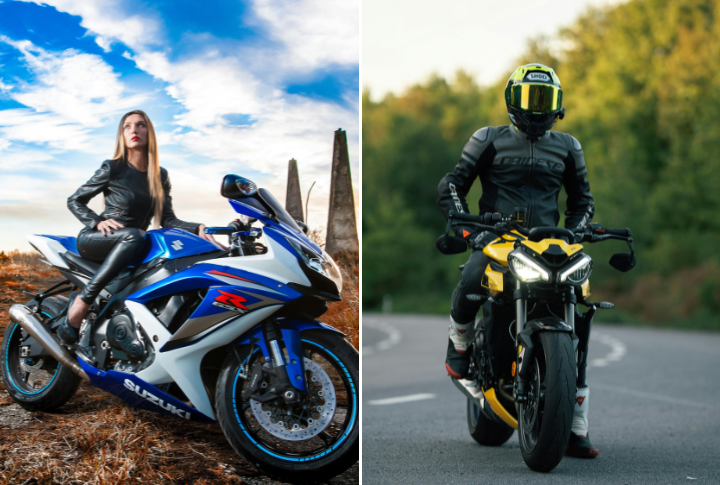
Yes, helmets mess up your hair, but they also keep your brain where it belongs—in your skull. Motorcycle training drives home the importance of protective gear. It may not look cool, but wearing that helmet ensures you’ll be around to complain about helmet hair rather than becoming a tragic fashion statement.
Balancing the Ego and the Throttle

We all like to think we’re invincible, but twisting that throttle too hard out of ego or impatience can end in disaster. Training teaches restraint, reminding you that the road doesn’t care how good you think you are. It’s a hard lesson that might save your skin—literally.
Recognizing When You’re Just Not That Good
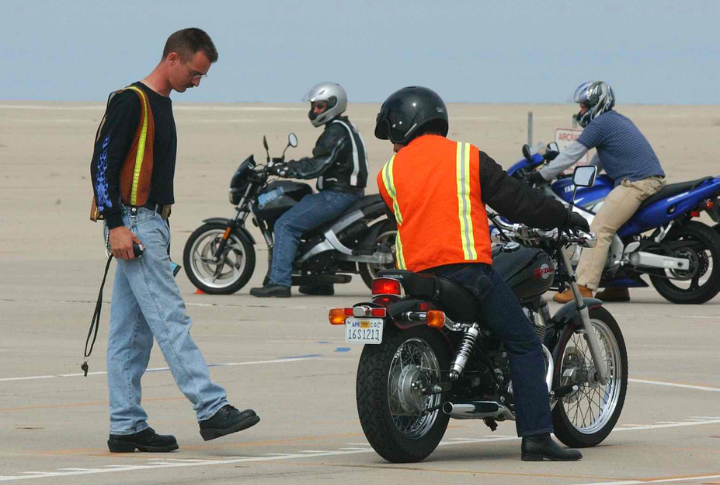
Motorcycle training courses have an excellent way of reminding you that there’s always something to learn. Maybe you don’t know everything about riding, and that’s okay. It is better to be humbled in a controlled environment than to find out the hard way with a paramedic telling you what you did wrong.
Group Riding: It’s Fun if You Know What You’re Doing
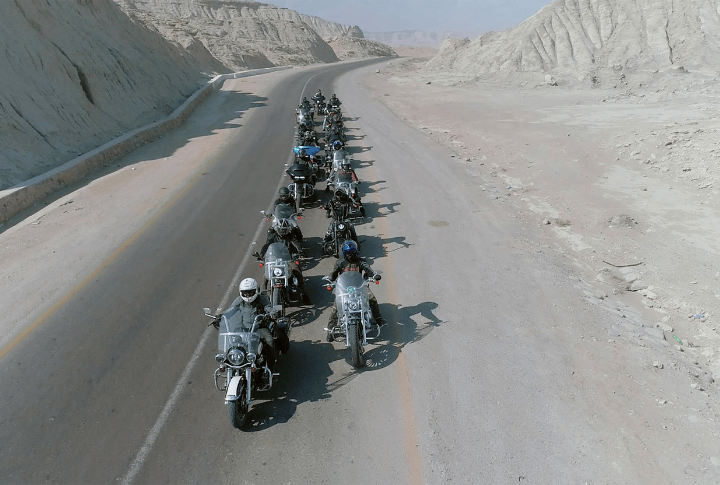
Riding with your buddies is fun—until one person misjudges a turn and disaster befalls the group. A training course teaches you how to ride in formation, maintain safe distances, and communicate with signals, so your group rides are more “easy cruising” and less “group disaster waiting to happen.”
Understand That “Caution” Isn’t a Dirty Word
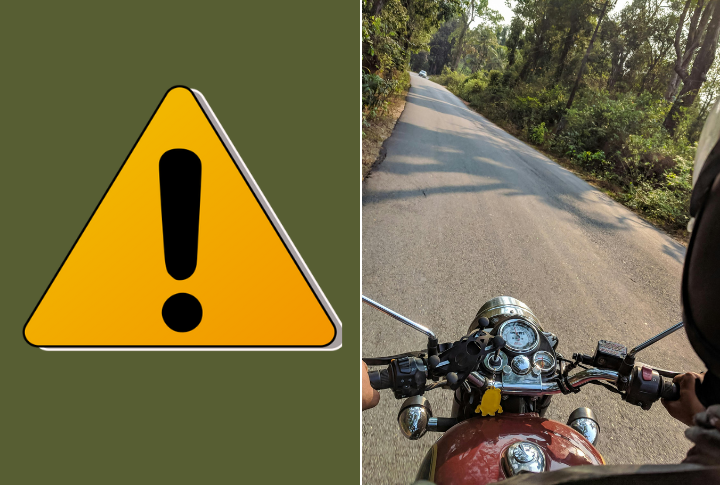
In the motorcycling world, caution can seem uncool—until it saves your life. Motorcycle training reinforces that being careful doesn’t make you a scaredy-cat; it makes you smart. Cautious riders avoid situations that lead to accidents, and as a result, they ride another day.