Warning Signs Your Timing Belt Is About to Fail
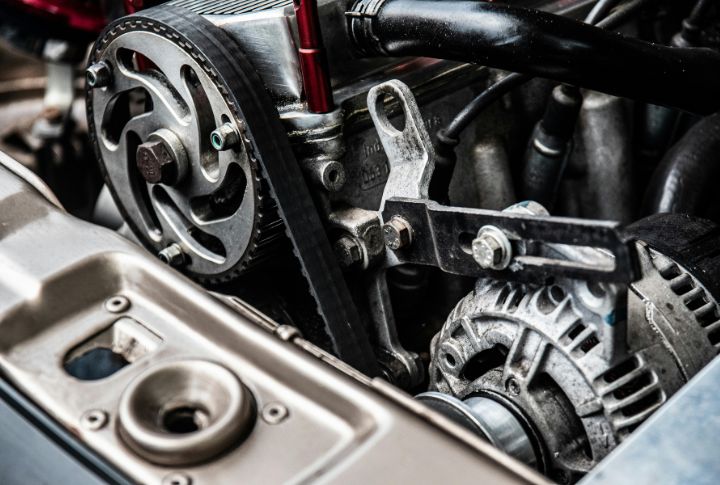
Your car’s timing belt may not get as much attention as the engine or brakes, but when it fails, you’re in for a rough (and expensive) ride. A broken timing belt can have you stranded or worse—cause serious engine damage. Luckily, your vehicle often drops hints before things go sideways.
Here’s How a Timing Belt Works
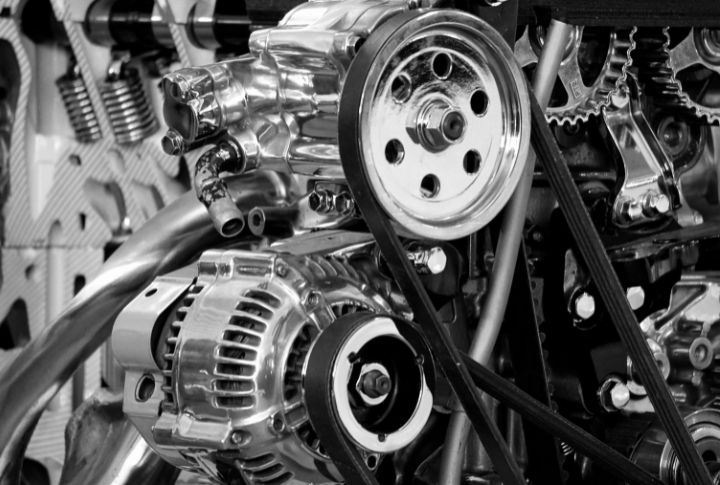
Although your car’s timing belt doesn’t look the part, it’s so important that your engine needs it to work. It connects the camshaft and crankshaft, making sure they spin at the same rate. This is the only way to keep the engine’s cylinders firing in the correct order and, hence, working well.
Temperatures That Are Bad for Your Timing Belt

Extreme temperatures and dirty environments can damage your timing belt. In hot weather, the rubber material could crack and glaze, while cold can make it brittle and prone to breaking. Also, when dirt and debris collect on the belt, it’ll wear out faster, affecting its tension and alignment.
Reduce Short Trips and Frequent Stop-and-Go Traffic

The constant starting and stopping adds extra stress to your engine. When you start the engine, hit the brakes, and ignite again, the timing belt works harder to keep the engine parts in sync. With time, this extra strain to get the camshaft and crankshaft spinning from scratch can cause the belt to wear out faster.
Watch Out for Oil Leaks and Avoid Heavy Loads

Carrying heavy loads puts a lot more pressure on your engine and makes it harder to move the vehicle. Likewise, the timing belt works harder to keep the motor working, so it wears out faster. Oil leaks are also bad news for your timing belt because oil can slip the rubber belt and weaken the material.
The Belt Has Physical Damage Signs
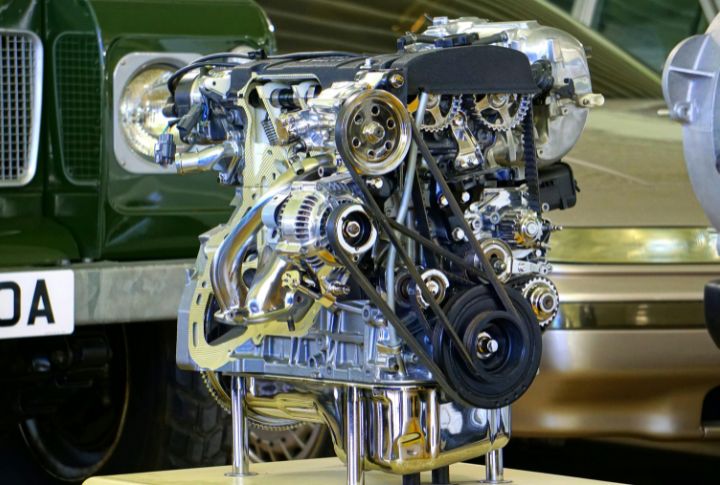
Since the timing belt works whenever you drive and endures a lot of punishment, it will look a little scuffed by default. However, visible signs of wear, such as fraying, cracks, or missing teeth, suggest that the belt is on the brink of failure. Ignoring a damaged belt may lead to catastrophic engine failure.
The Engine Vibrates Erratically at Higher RPM
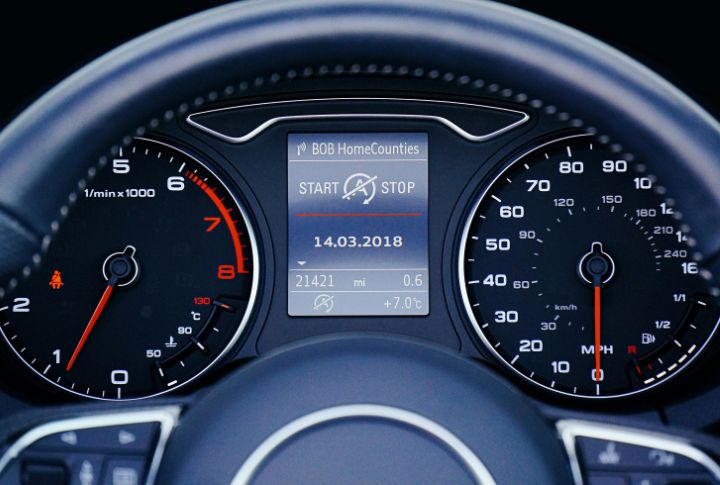
If your engine vibrates uncontrollably at higher RPMs, something is wrong. A worn or loose timing belt may disrupt the synchronization between the crankshaft and camshaft, causing these vibrations. You can also listen for rattling when driving at high speeds or check if the reading in the RPM meter in your dashboard matches your speed.
The Engine Produces Smoke or Excessive Exhaust
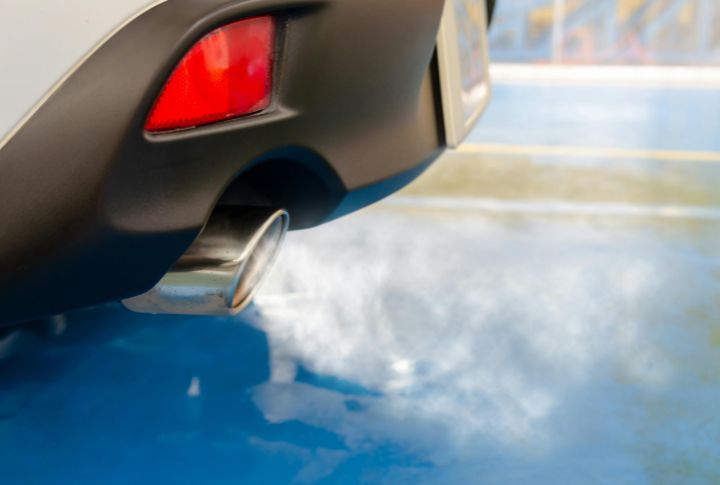
When your timing belt starts to fail, the engine works harder because it draws in more fuel than necessary—the excess leads to inefficient fuel combustion and increased exhaust output. So, if you see thick, dark-colored smoke billowing from your tailpipe, don’t ignore it! Your engine is stressed, and your timing belt may be the culprit.
Unusual Noises Coming From The Engine
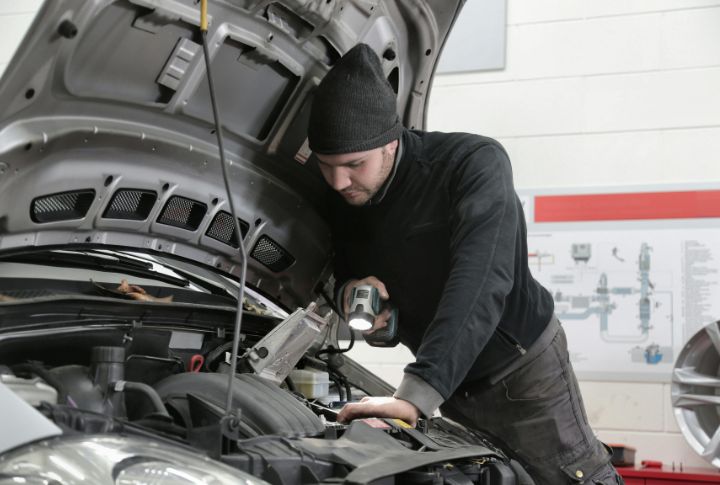
Ticking, whining, or clanking sounds can signal a failing timing belt. Such noises often start when the belt slips or becomes misaligned, disrupting the smooth operation of the engine components. Even if the belt slips momentarily, the shafts or cylinders may lock up before it regains its hold, and this creates the sounds.
Total Engine Failure

When the timing belt loses its grip, it can’t get a consistent hold on the crankshaft, so it may not be able to spin fast and consistently enough to start the engine. If it’s broken, especially while in transit, the situation often results in an expensive repair bill or even an entire engine replacement costing a few thousand dollars.
There Can Be Signs of Glazing
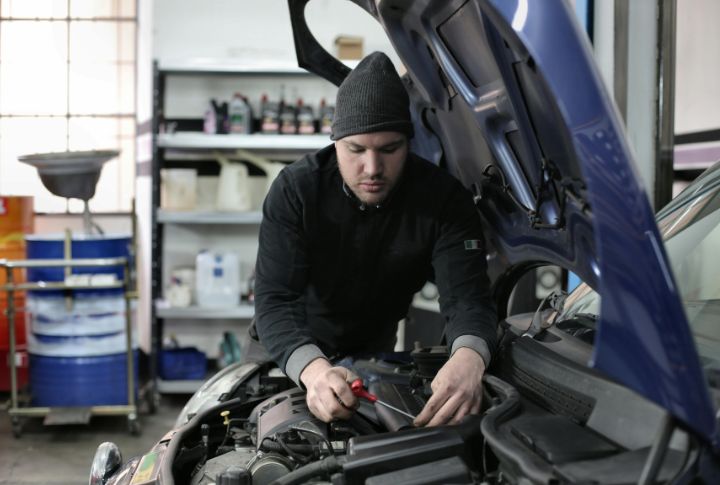
You often need a simple visual inspection to check if your timing belt is glazed. A glazed belt will look shiny and stiff, meaning the rubber has hardened and lost flexibility. You can also press the belt; if it doesn’t bend easily or shows cracks and wear, you should replace it immediately.
Pay Attention to Dirt Buildup

Since dirt makes the belt heavier, it wears out faster as it spins harder. Look for visible dirt, grease, or oil stains to check if your timing belt is dirty. Also, material from the belt itself might build up in the grooves. If you spot any of these signs, the belt may need cleaning or replacement.
What Happens When Timing Belt Breaks
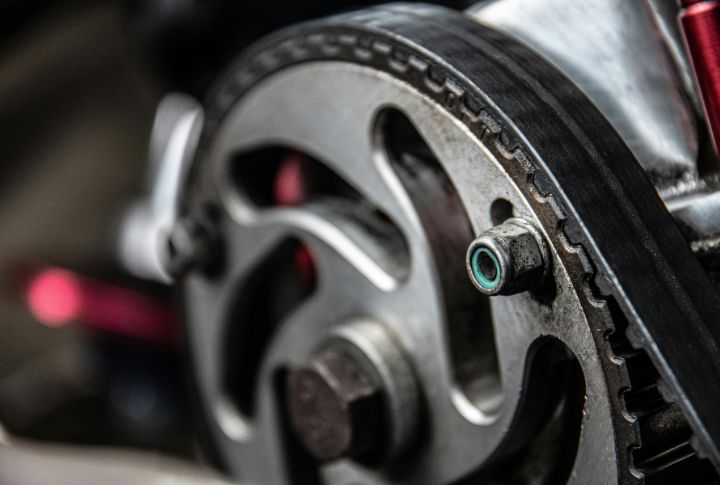
When a timing belt snaps, it’s worse for individuals driving vehicles with interference engines. You’d hear a loud popping sound followed by several clanks under the car. The sounds mean the pistons and valves are no longer synchronized or bent beyond repair. Repair may cost up to $3,000—far more than it would’ve cost to replace on time.
When to Replace the Timing Belt
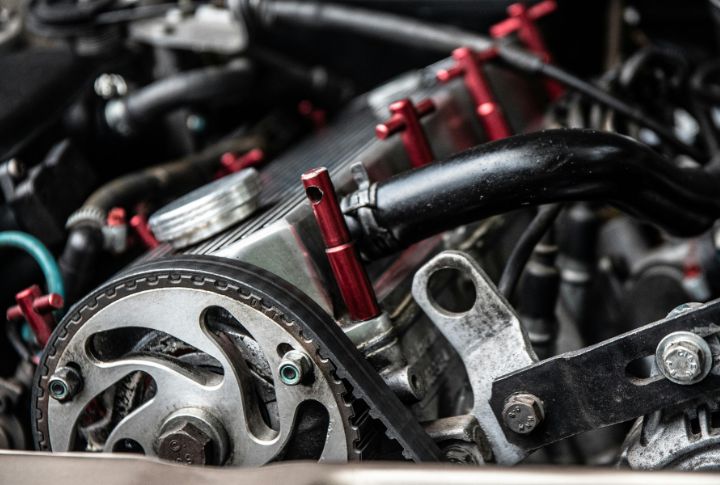
If your original timing belt breaks, it’ll usually take the engine with it. Most manufacturers suggest replacing the timing belt between 60,000 and 100,000 miles, based on the vehicle model and driving conditions. With the following steps, you can also conduct periodic checks on cracks or fraying at a repair shop or at home.
Preparing to Replace the Timing Belt
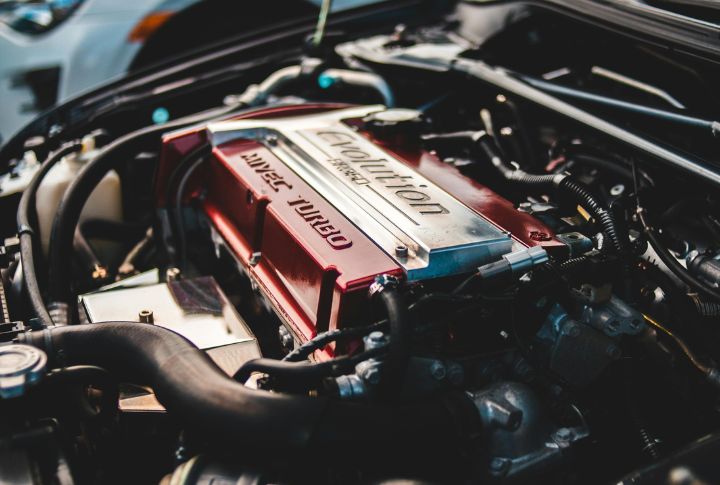
For safety, you’ll need to disconnect the negative battery cable first. Then, remove the alternator belt and timing belt cover. Afterward, loosen and remove the crankshaft pulley to reach the belt fully. Finally, remove the lower timing belt cover and loosen the belt tensioner. Although this process applies to most cars, remember to follow your car’s repair manual.
How to Replace Timing Belt
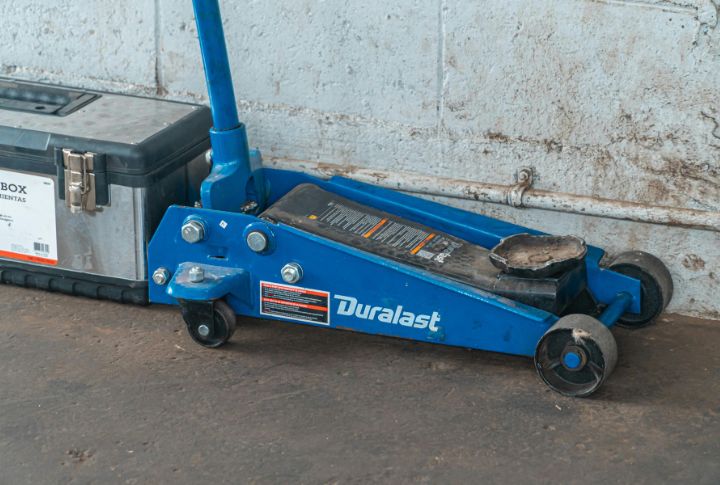
If you need to lift the car, you’ll need tools like a wrench and a jack. After raising the car, remove the front cover and carefully remove the old belt, remembering how it’s placed. Then, put the new belt on and ensure it lines up with the marks on the gears. Finally, put everything back together, lower the car, and start the engine to check if it runs smoothly.