15 Vintage Mustangs That Left Fans Disappointed
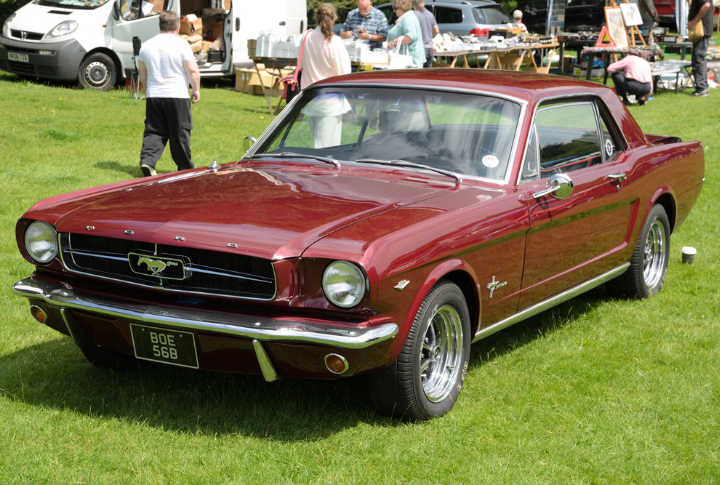
Ford has a long history of building iconic muscle cars, none as recognizable as the Mustang. After the Mustang debuted in 1964, the nameplate took the world by storm, becoming a best-seller and a cultural phenomenon. Over the decades, Mustangs have delivered powerful V8s, timeless design, and pure driving fun. But even the legend has its stumbles. Here are 15 vintage Mustangs (over 30 years old) that, despite their classic status, disappointed fans with underwhelming performance or design flaws.
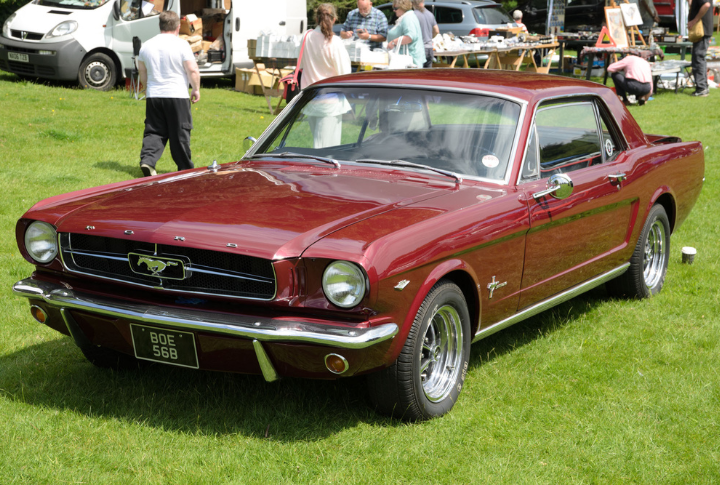
Gen 1 (1965–1973): Base Model
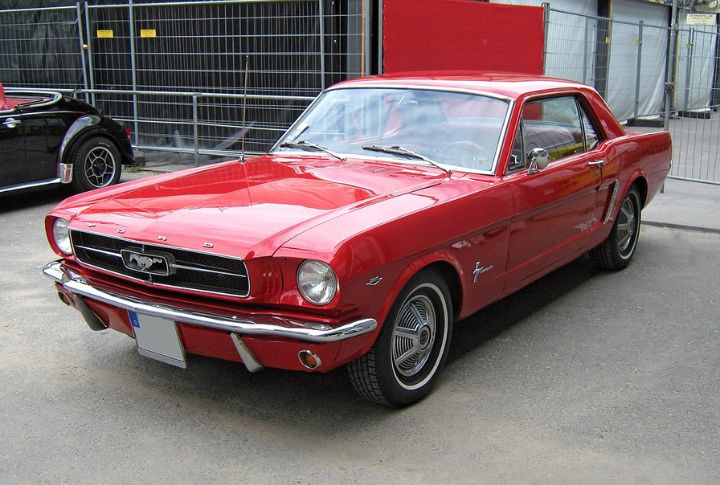
While the Mustang’s launch was a smash hit, the base model came with a relatively tame 170 cu inline-6 engine, a 101-hp inline-six, and a three-speed manual transmission that wasn’t too convenient for city driving. This setup disappointed buyers who expected more muscle and performance immediately. In response to market demands, Ford rectified the situation, upgrading the engines and replacing the soft suspension and weak drum brakes.
Mustang Grande (1969-1973)
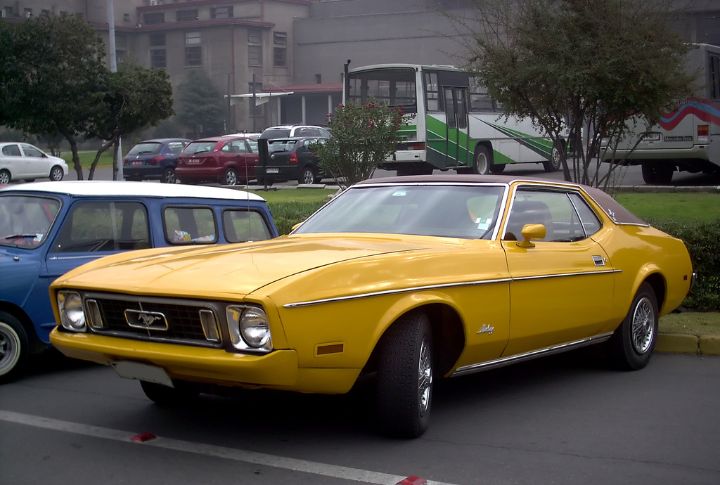
Ford built the Mustang’s core identity around sporty performance, but the Grande went in the opposite direction with features like plush vinyl interiors, imitation wood trim, and softer suspension. Although it was a comfortable ride, it felt less exciting and more focused on cruising than tearing up the asphalt. This emphasis on comfort came at a cost! The extra sound-deadening materials and an oversized vinyl top added extra weight, compromising handling and agility.
Mustang II Hardtop (1974-1978)
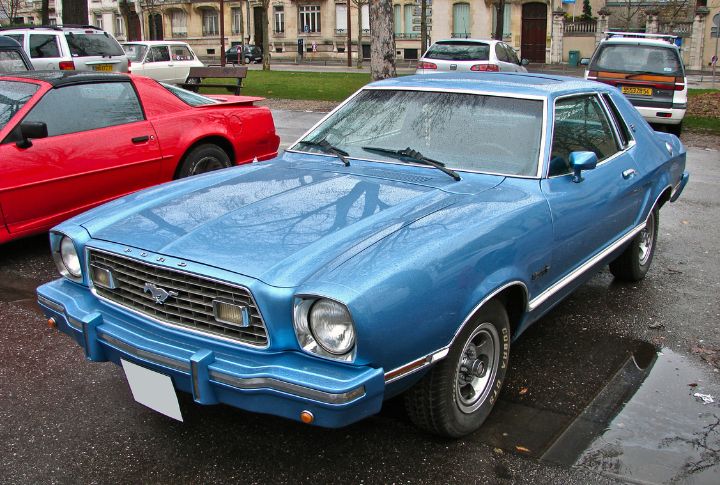
During rising gas prices, Ford released a model that prioritized fuel efficiency and soothed the market. Sadly, despite the Hardtop’s focus on economy over performance, many Mustang enthusiasts did not accept it with open hands. Also, Ford tried to recapture the classic Mustang coupe design with this model but fell short in a few ways. Mustang fans craved the fastback design that defined earlier coupes, but this vehicle had a more upright roofline resembling a sedan. This additional roof structure and smaller engines made it heavier and slower than most hatchbacks.
Mustang II Ghia (1974-1978)
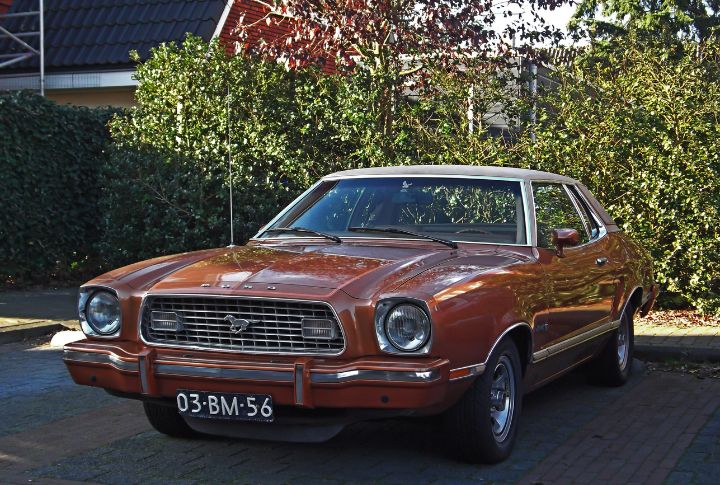
The Mustang II Ghia was a luxurious take on the subcompact Mustang II. This model went against the grain of the earlier Mustang’s muscle car spirit. Although it had upscale features like leather upholstery and an opera window as the luxury package of the iconic line, the smaller 4-cylinder engine gave the impression that Ford deliberately chose comfort over power.
Mustang II Mach 1 (1974-1978)
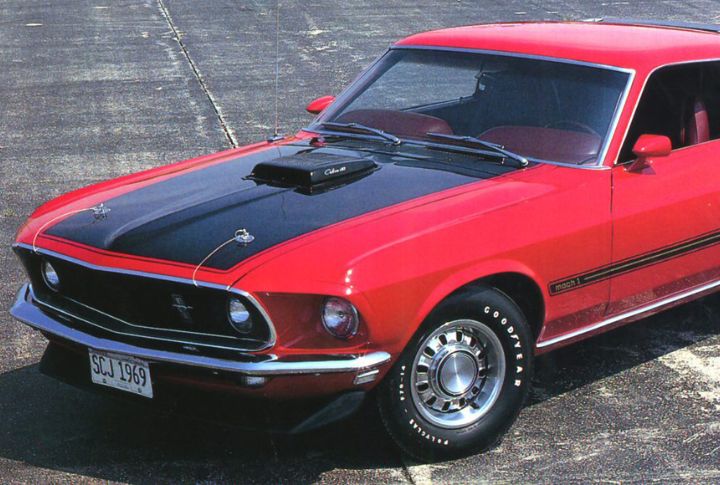
When Ford announced that the II Mach 1 was on its way, Mustang enthusiasts were on the edge of their seats, waiting to see the successor of the legendary Mustang Mach 1. Sadly, it was a shadow of its former glory. The oil crisis forced a shift towards fuel efficiency. It had the 2.3L in-line four and 2.8L V6, a far cry from the fire-breathing V8 engines of its predecessor. Although Ford eventually added a V8 option in 1975, the engine had a modest horsepower due to stricter emissions regulations.
Mustang II Stallion (1976-1978)
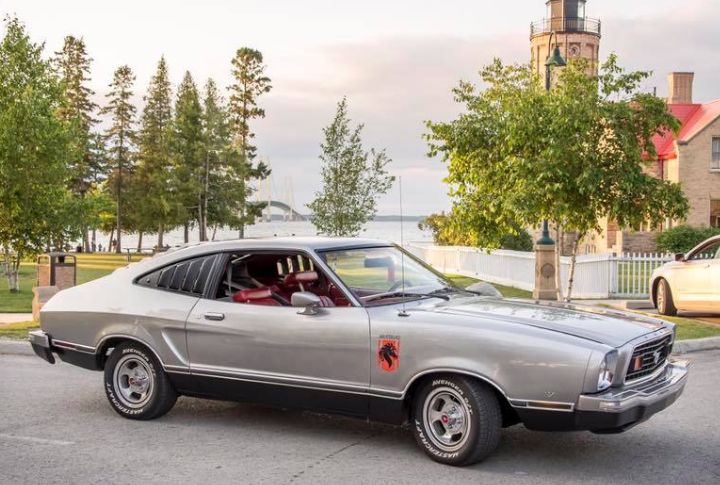
As an appearance package for the Mustang II, the Stallion had features like a black grille, rocker panels, and decals but no significant engine upgrades. It looked like a car that might be faster, but like other Mustang II models, it was unspectacular. It had a 5.0 V8 producing 140 HP on paper, but the standard engine was a 2.3L four-cylinder with 88 HP.
Mustang II Cobra (1976-1978)
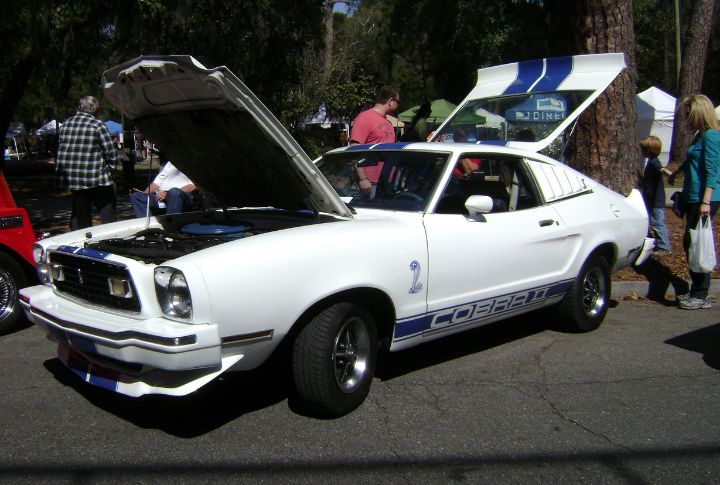
This Cobra model was a botched attempt by Ford to recapture the glory of the Shelby Cobra but on the smaller Mustang II platform. Despite being marketed as a performance-oriented vehicle, it had a 2.8L four-cylinder engine in top trim, unlike the powerful V8 engines of the iconic model. Also, its subcompact design clashed with the aggressive Cobra persona, and fans would question Ford’s decision to use the muscle car heritage of the Cobra name on a small car.
Mustang II King Cobra (1978)
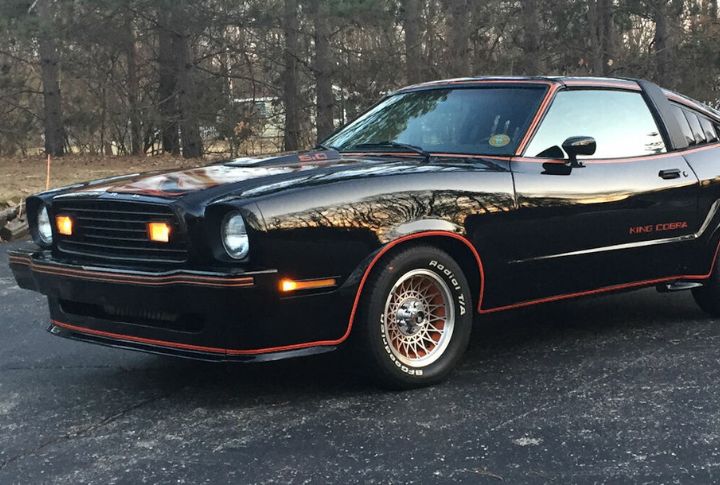
One look at the King Cobra, and you’d believe it was the top-performance variant of the Mustang II lineup. It looked the part with its wild graphics and front air dam, but it fell short with its modest power output and mediocre handling. Critics maintained that the stricter emissions regulations on its 302 cubic inch V8 engine strangled the performance, producing 139 BHP that wasn’t significant enough to justify the “King Cobra” title.
Gen 3 (1979–1993)
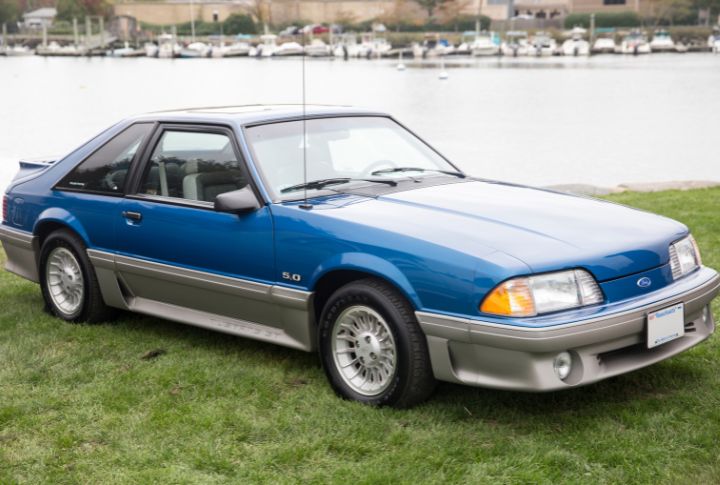
The Gen 3, produced from 1979 to 1993, is another model affected by Ford’s fuel efficiency decisions during the 70s oil crisis. While trying to do all they could to make a gallon of gasoline last longer, the carmaker released a Mustang that felt more like a sedan. Ford even reduced the bore diameter of the 4.9-liter V-8 to get the 4.2-liter that delivered 118 HP.
Mustang GT350 (1982)
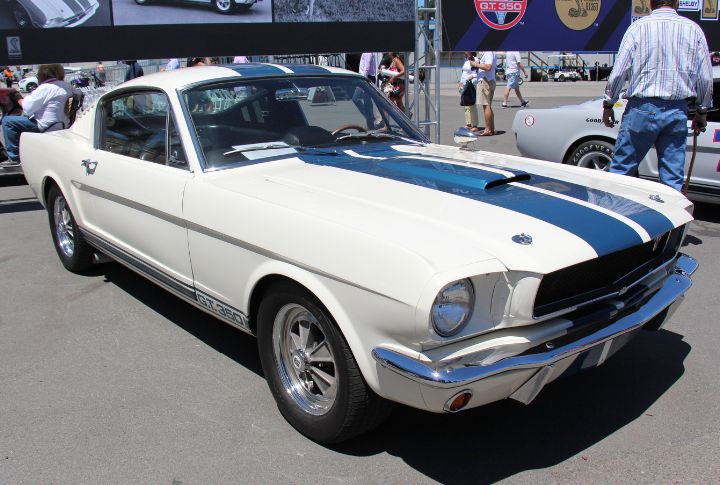
Unlike the legendary 1960s Shelby GT350, the 1982 iteration wasn’t a permanent addition to the Mustang lineup. Critics see this model as a disappointing one-year experiment, given its iconic name and high market expectations. It lacked the key ingredients that made the original Shelby GT350 famous, as there was no high-performance V8 engine or aggressive handling. Besides, the 1982 GT350 received cosmetic upgrades like a hood scoop and decals, with minimal performance improvements.
Mustang GT Turbo (1983-1984)
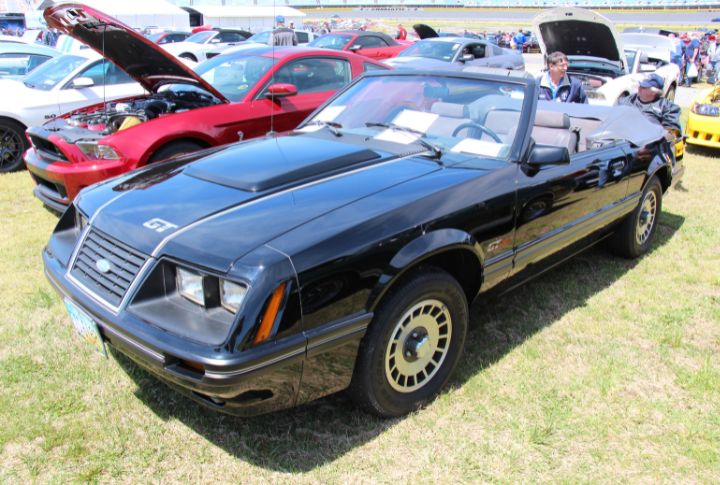
Ford introduced the GT Turbo late in the 1983 model year, and it looked nearly identical to the standard V8 GT, except for a hood scoop. While it had a turbocharged four-cylinder engine (quite alright), the lackluster acceleration and shaky handling put many people off. It also cost more than the tried-and-true V8 GT despite lacking air conditioning. However, the Mustang GT Turbo was an exciting experiment; its late introduction, lack of differentiation, and initial pricing disappointed fans.
Mustang SVO (1984-1986)
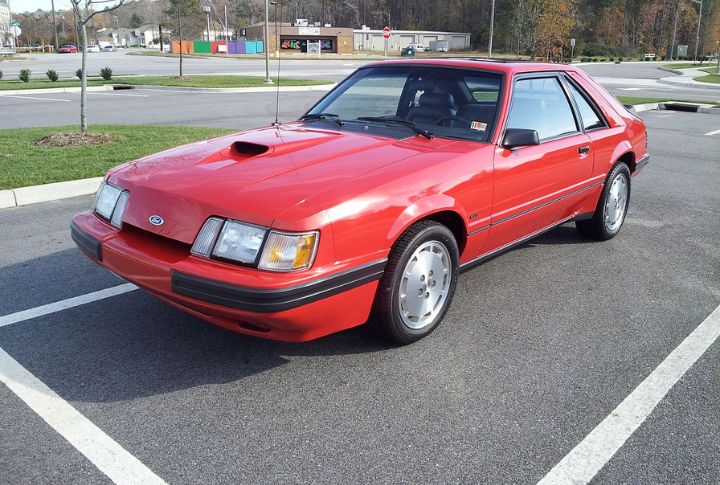
Ford wanted to bring European-style performance to the Mustang by adding a turbocharged and intercooled 2.3L Lima engine, sharpening the handling, and improving the suspension. However, the SVO departed from the classic Mustang formula with lower horsepower figures than the powerful V8 Mustang. Also, its boxy look sharply contrasted with the traditional Mustang curves. This design decision resulted in the SVO being a niche offering that disappointed some Mustang purists who wanted a substantial performance leap over the V8.
Mustang 7-Up Limited Edition (1990)
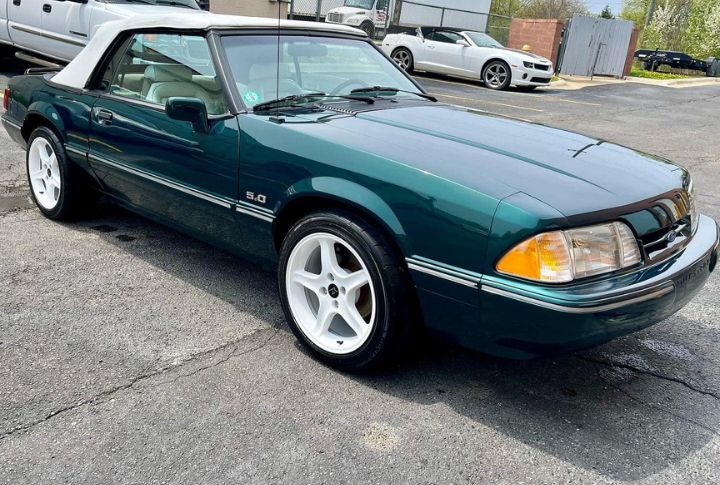
Despite an intriguing backstory as a marketing tie-up with the 7-Up soft drink brand, many fans believed this model could be better in terms of performance and features. After the partnership ended in a fallout without actually starting, Ford salvaged the situation to build the actual cars and just called it the Limited Edition. Interestingly, it had a 5.0L V8 with decent power, but purists felt the flashy green paint job and white interior overshadowed the raw muscle expected from a Mustang.
Mustang Cobra R (1993)
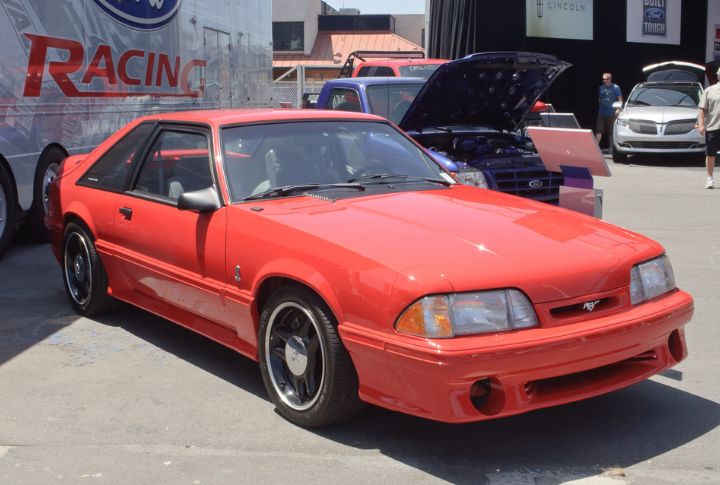
In all honesty, many fans praised the Cobra R when it came with track-focused upgrades, including a high-performance engine and suspension. However, the hype fizzled out when they discovered its limited availability and high price tag made it inaccessible. It also lacked amenities like air conditioning and a radio and had a stiff suspension. Despite its powerful engine, the Cobra R disappointed enthusiasts expecting a comfortable, powerful Mustang for everyday use.
Gen 4 V6 Coupe (1994–2004)
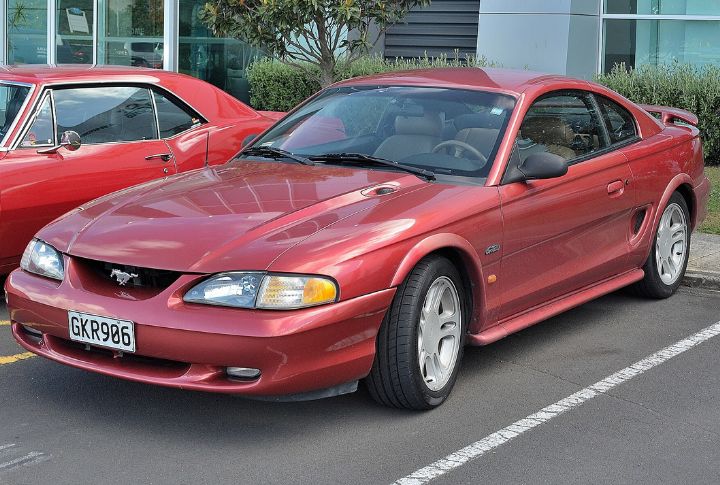
The Gen 4 V6 Coupe was a good car by any means, but it fell short due to the severe competition it had. Clocking in around 145 HP, it couldn’t compete with the roar, power, thrill, and acceleration of the GT’s V8 or a V6 Camaro. Buyers seldom test-drive all three vehicles and resort to buying this model. Despite being an affordable entry point into the Mustang lineup, the cost savings didn’t justify why Ford sacrificed power and the overall muscle car experience.