20 Vintage Cars That Are More Trouble Than They’re Worth
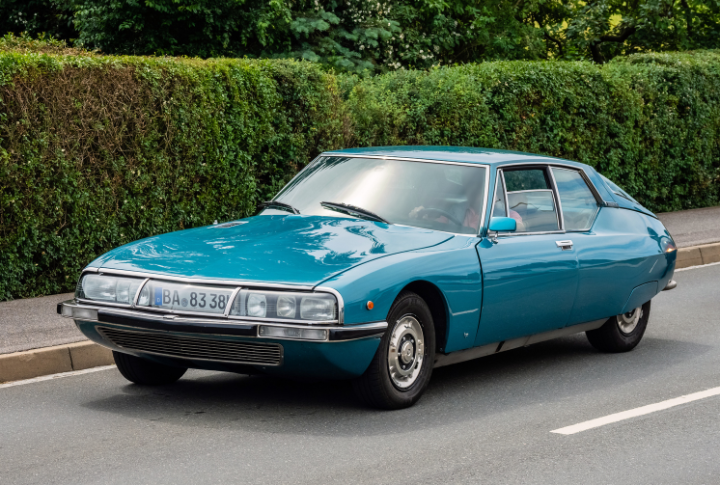
There’s something romantic about the idea of owning a classic car. But nostalgia can cloud judgment, and more than a few collectors have ended up with expensive regrets parked in their garages. Before you fall in love, know which classics come with more baggage than beauty.
Maserati Biturbo (1981)
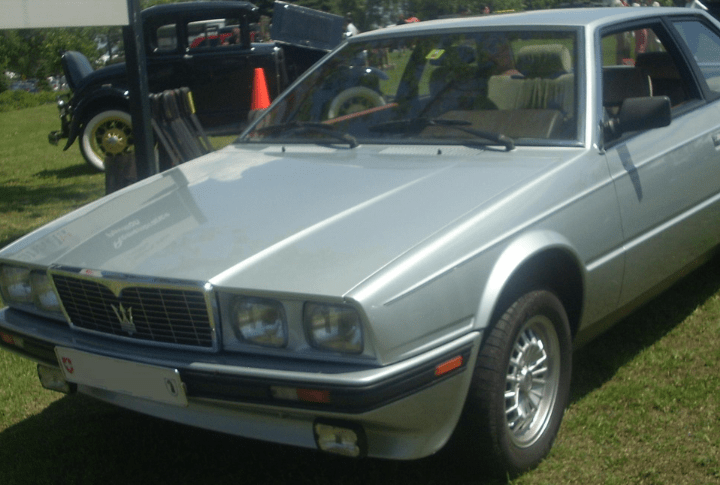
On paper, it sounded irresistible: twin turbos and Italian styling. But once you’ve owned one, you learn the hard way why it stayed cheap. Fragile electronics, inconsistent performance, and maddening reliability issues left even experienced owners feeling burned. A Maserati badge doesn’t mean much if the engine won’t start on a warm day.
Triumph Stag (1970)
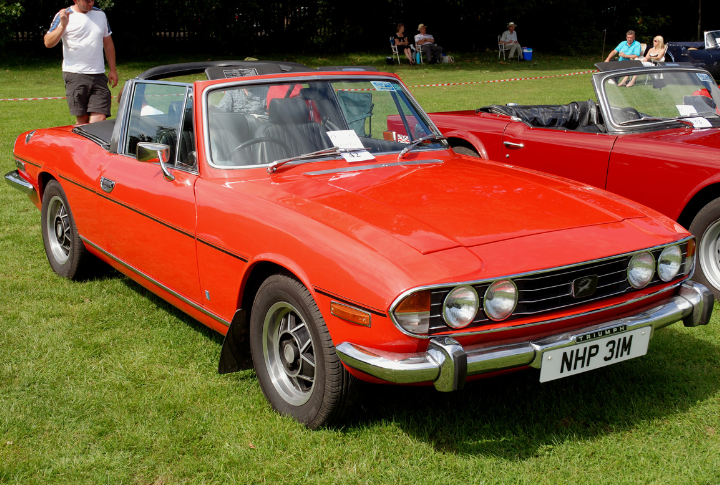
It should’ve been Britain’s Mustang moment with a sleek V8 convertible built for touring. Instead, the Stag’s cooling system was so poorly designed that blown head gaskets became a rite of passage. You don’t just drive a Stag—you babysit it. It’s gorgeous to look at and exhausting to maintain. Most owners eventually give up or modify it just to keep it running.
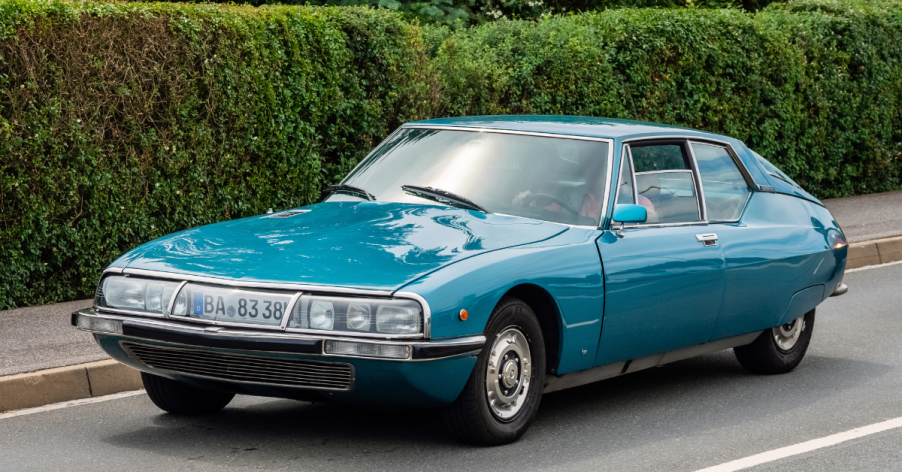
Citroen SM (1970)
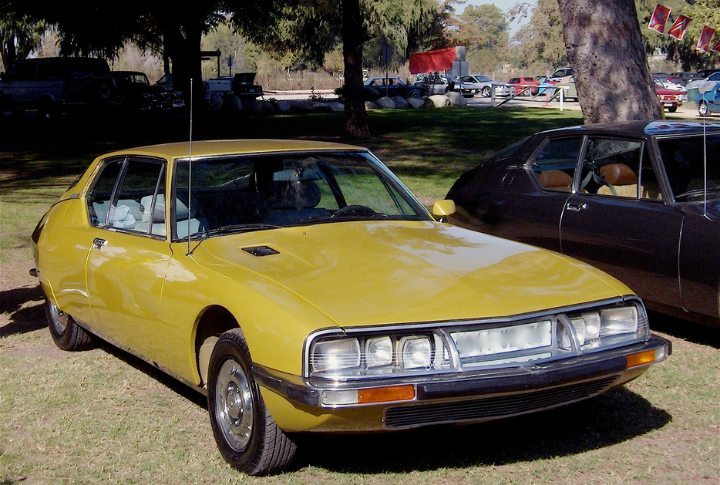
Citroen tried to marry French flair with Italian muscle, and the result was as beautiful as it was impractical. The SM’s Maserati V6 and hydraulics worked brilliantly—until they didn’t. Finding someone qualified to repair it today is like hiring a bilingual heart surgeon for your driveway. Most sit parked more than they drive.
Chevrolet Camaro (1976)
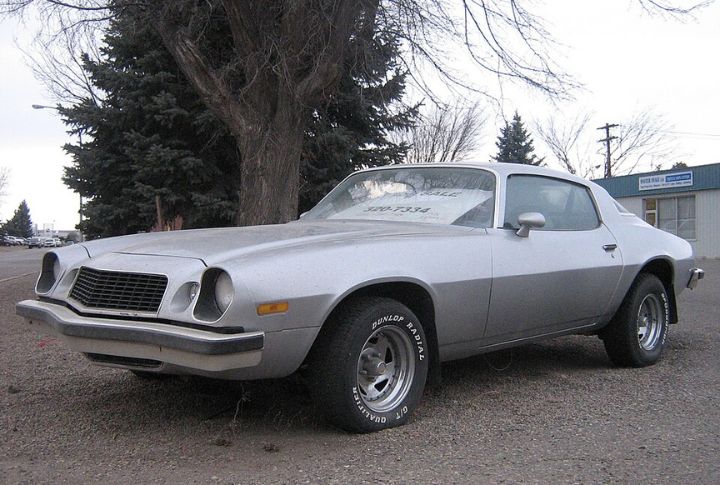
This is the Camaro’s awkward teen phase—smog-choked V8s, gutless acceleration, and quality control best described as “inconsistent.” The style hinted at muscle, but the performance didn’t follow. Collectors often leapfrog this era entirely, waiting for the early models or third-gens that actually feel like performance cars.
Porsche 911 (1964)
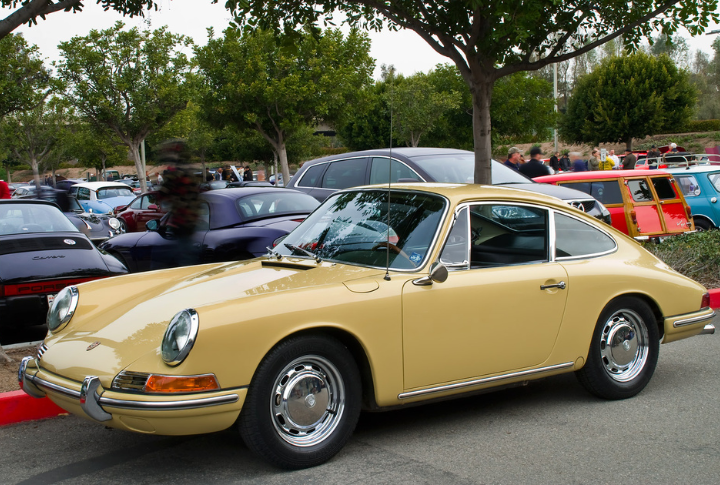
Early short-wheelbase 911s are museum-worthy but not always roadworthy. Their light rear ends and unforgiving oversteer surprised more than a few drivers. Add rust-prone bodies and sky-high restoration costs, and owning one becomes a passion project with a steep learning curve. It’s a great story but a difficult chapter.
AMC Pacer (1975)
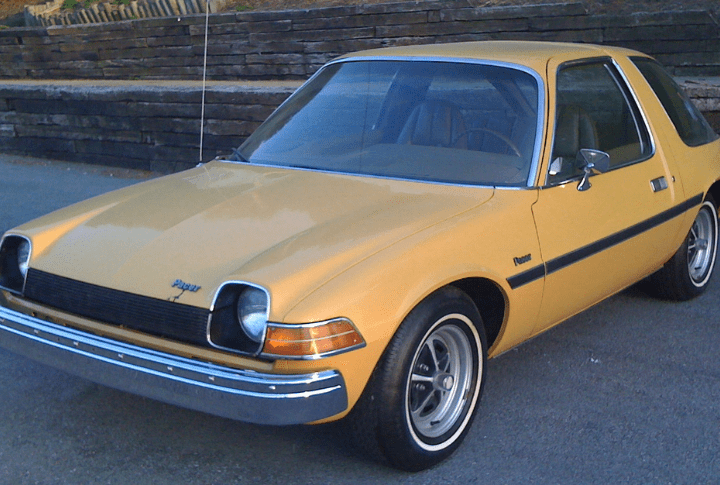
If ever a car tried to be futuristic and ended up frozen in time, it’s the Pacer. That fishbowl design makes for fantastic headroom and terrible aging. Heavy, slow, and prone to rust, it’s remembered fondly by few who actually owned one. Quirky charm can’t save it from its own design flaws.
Saab 900 Turbo (1978)
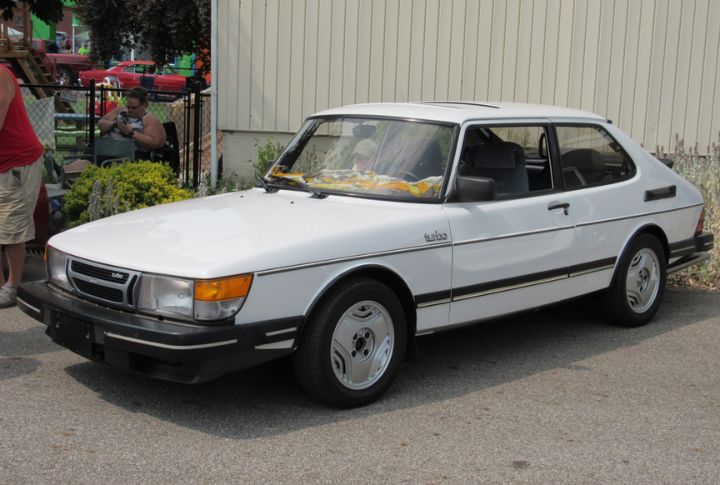
The 900 Turbo packed innovation and oddball charm, but the years haven’t been kind. Its unique engineering makes parts scarce and repairs technical. The turbo systems also get finicky fast, and mechanics fluent in Saab have mostly retired. It’s great if you’re nostalgic for ‘80s design and prepared to tinker—or tow—it more than you drive it.
Chevrolet Corvair (1960)
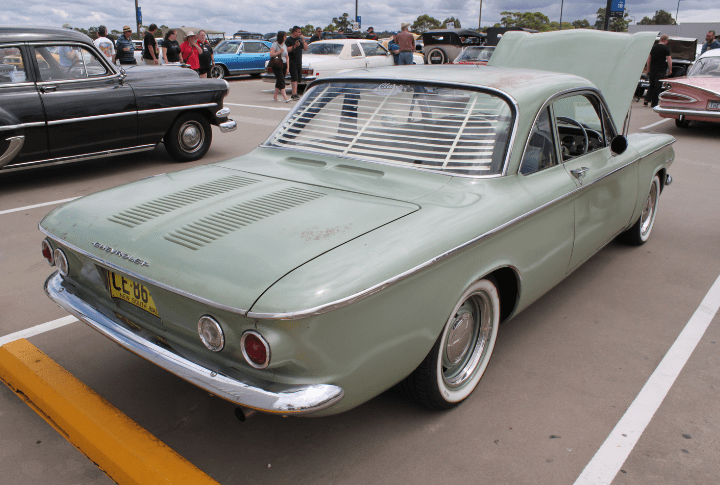
Rear-engine and the subject of one of history’s most scathing automotive critiques. Early Corvairs handled unpredictably, and Nader’s book “Unsafe at Any Speed” sealed their reputation. Later revisions helped, but public opinion never really recovered. Today’s collectors find themselves explaining its history before they even get to restoration costs.
Subaru SVX (1991)
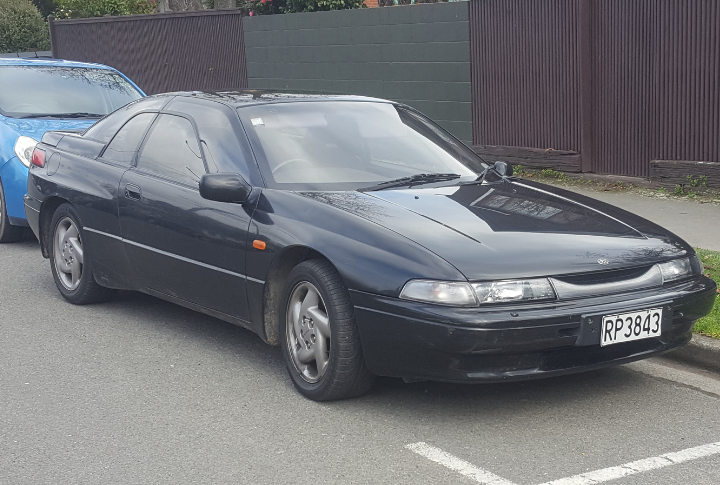
The Subaru SVX looked like a concept car escaping from the auto show floor, with aircraft-style side windows and sleek curves. But beauty couldn’t save it from transmission failures and confusing design quirks. Not forgetting its high curb weight dulling performance. Parts are rare, repairs are costly, and demand remains low.
Cadillac Eldorado (1980)
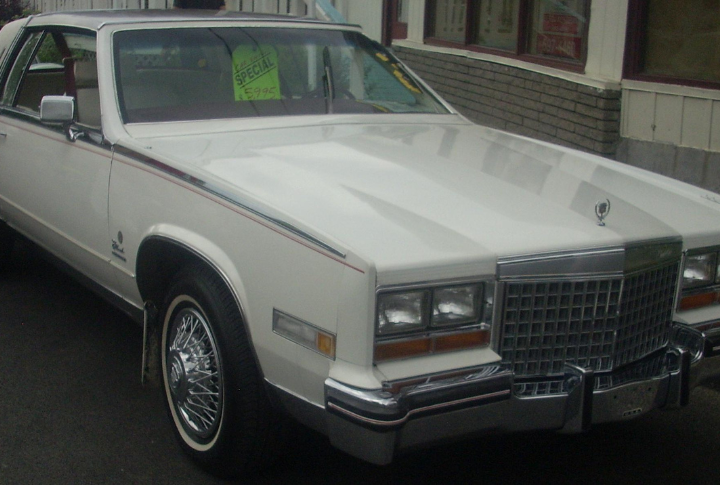
You could fill a novel with complaints about the V8-6-4 engine on this ride. It was designed for fuel efficiency and became famous for stalling, misfiring, and confusing onboard diagnostics. Add fragile electronics and a lazy transmission, and the Eldorado becomes a masterclass in mechanical overreach. Even die-hard Cadillac fans reached their limits with this one.
DeLorean DMC-12 (1981)
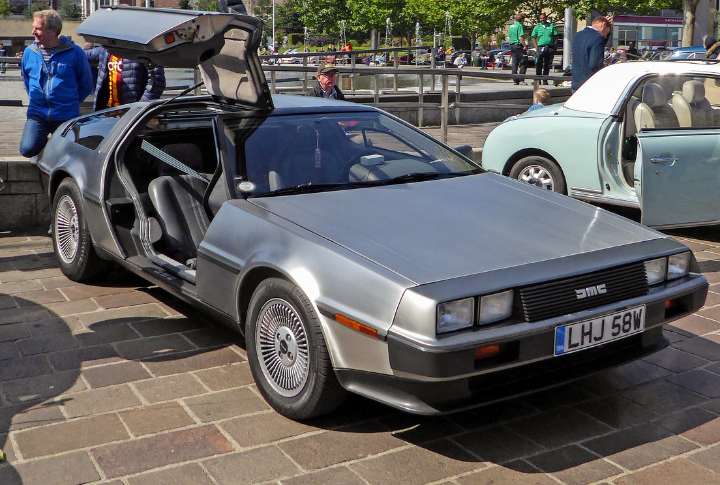
It’s iconic, sure, but driving one often kills the dream. Stainless steel panels dent easily, and the interior ergonomics are straight-up weird. Then there’s the parts hunt, which quickly turns into a full-time hobby. Owning one feels more like managing a celebrity’s comeback tour than enjoying a classic car. Not worth it.
Jensen Interceptor (1966)
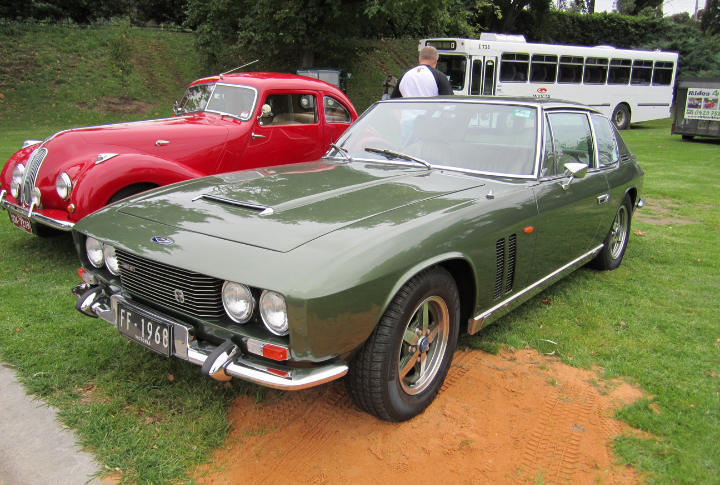
This car was built to impress—a powerful Chrysler V8 with sweeping lines and a lavish interior. But time has exposed its weak spots. It rusts with enthusiasm; the electrical system has all the consistency of a coin toss. Then, its parts aren’t just rare; they’re mythical. When it runs, it’s magnificent. Getting it there? Not guaranteed.
Cadillac Seville (1976)
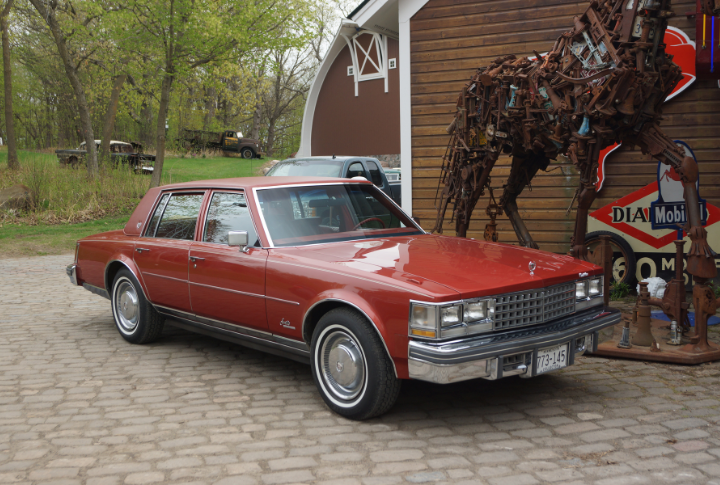
Cadillac’s answer to European imports had promise, but the execution lagged. Diesel versions were practically sabotaged under the hood, and even gas models suffered from electrical bugs and poor build quality. Collectors chasing originality often give up halfway, opting for engine swaps or full rewires just to make it drivable.
Ford Mustang II (1974)
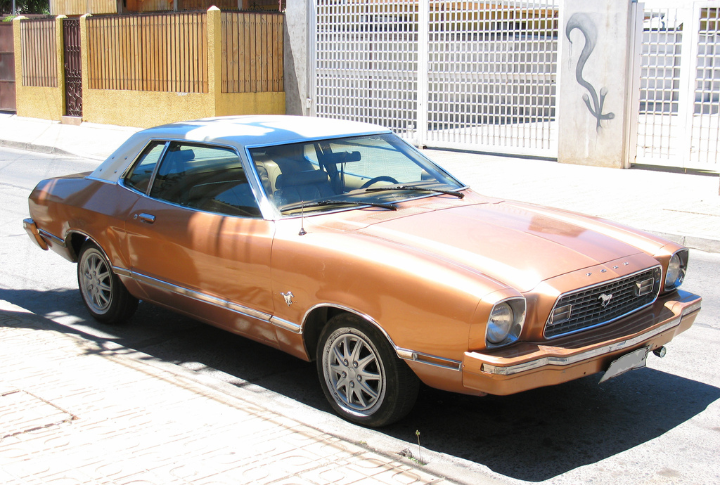
Everyone loves a comeback story except this one. The Mustang II was Ford’s reaction to the fuel crisis, but smaller didn’t mean smarter. Power was nearly nonexistent, and the styling felt more like a Pinto than a Mustang car. Enthusiasts rarely look back at this era unless they plan a restomod to erase the factory flaws.
Triumph TR7 (1975)
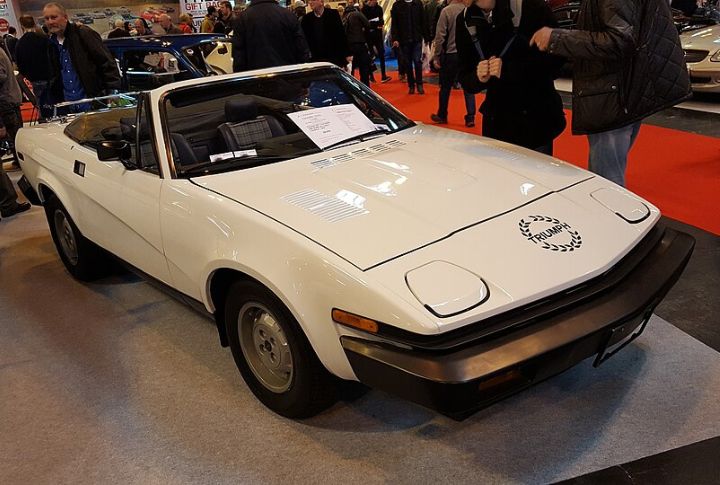
With its wedge shape and marketing hype, the TR7 looked like the future. The reality was far less glamorous. Build quality was inconsistent at best, and electrical problems often began before the first oil change. You can love its oddball design, but ownership tends to test that loyalty in a hurry.
Fiat X1/9 (1972)
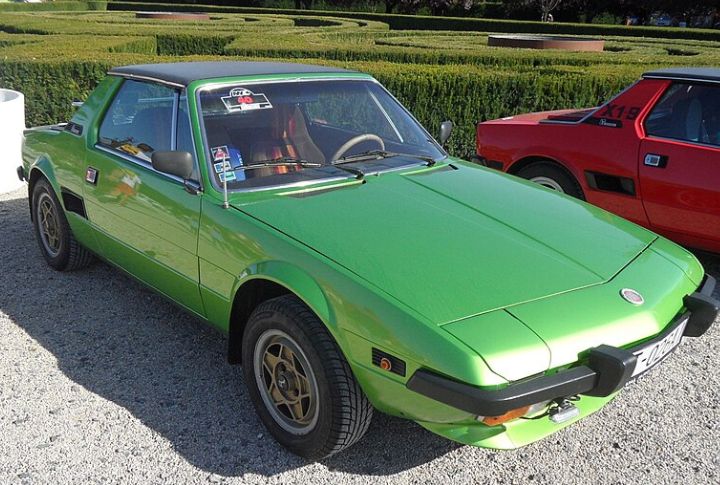
The Fiat X1/9 is a mid-engine targa-top that screams ‘70s flair. But underneath that stylish exterior lies a laundry list of headaches—electrical problems, rust-prone panels, oil leaks, and scarce parts. It’s a car that requires constant babysitting. Most owners say the upkeep isn’t worth the nostalgia.
Peugeot 504 (1968)
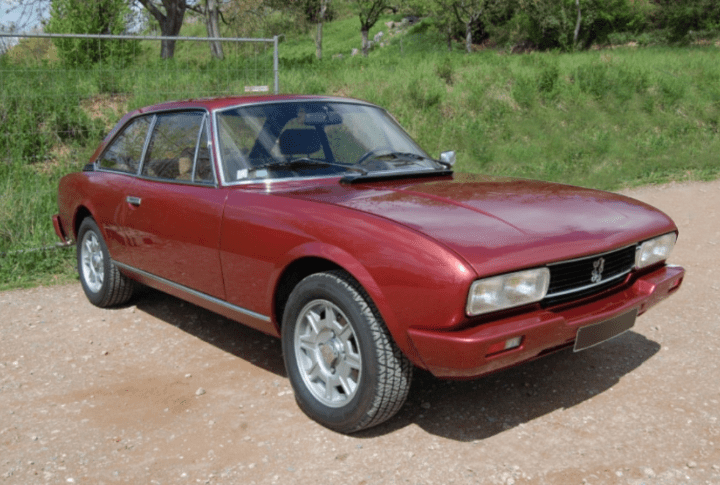
Built like a tank and smooth on rough roads, the Peugeot 504 had loyal fans, just not many in the U.S. Its understated design hides a surprisingly rugged drivetrain, but once it breaks, your best bet is finding a specialist fluent in both French and patience. Parts availability alone is enough to scare off most collectors.
MG Midget (1961)
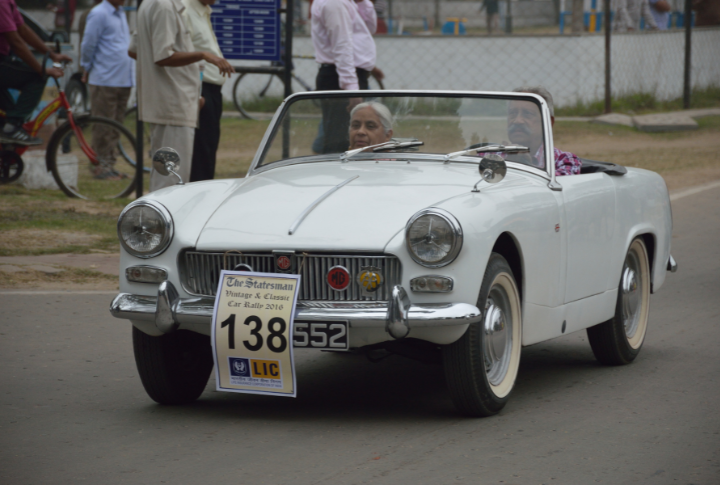
The name tells you everything. It is small and undeniably charming, but it demands constant attention. Lucas Automotives has earned its reputation, and rust finds its way into every seam. Enthusiasts love its raw, analog feel, but keeping one roadworthy often means sourcing obscure parts or becoming your own mechanic.
Lotus Elite (1974)
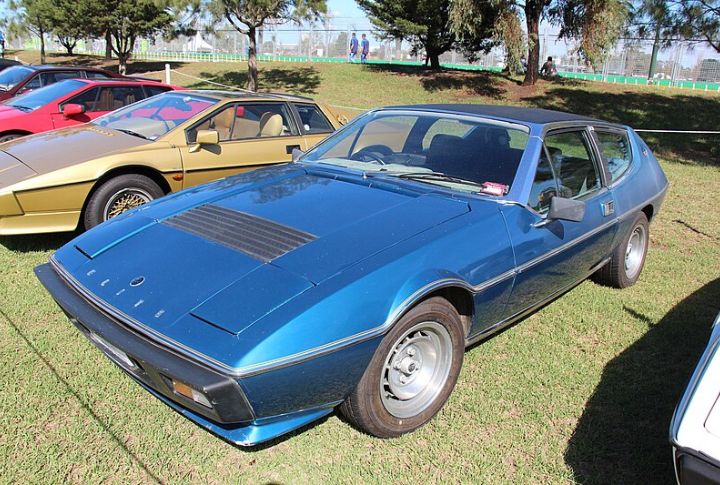
The Lotus Elite was built for agility but sacrificed reliability. Its fiberglass body was revolutionary, but the build quality underneath was often disappointing. Electrical faults, leaks, dim lights, and engine problems were common, and repairs usually required specialized knowledge. For a car meant to be light, this one comes with heavy issues.
Ford Pinto (1971)
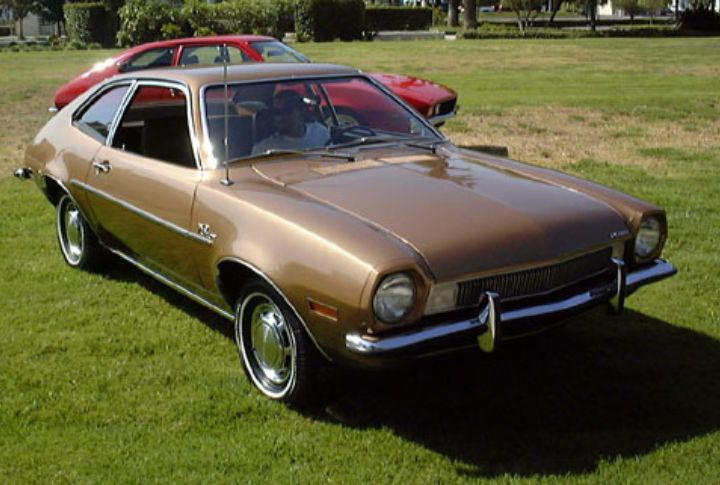
Once Ford’s economy car darling, the Pinto’s legacy is inseparable from its fuel tank scandal. Rear-end collisions became fire risks, and public trust evaporated. Add to that its uninspiring drive and basic build, and you’re left with a relic more famous for lawsuits than lasting value. Even restoration projects feel like a stretch.