Venturi 400 Trophy: The French Racing Beast That Stunned The 90s
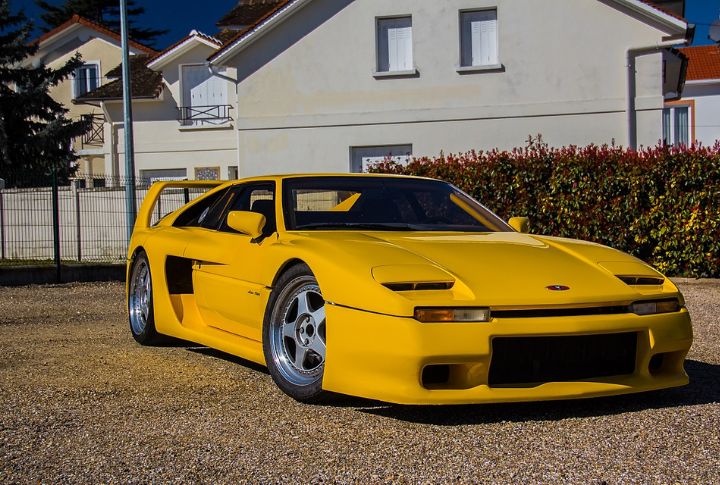
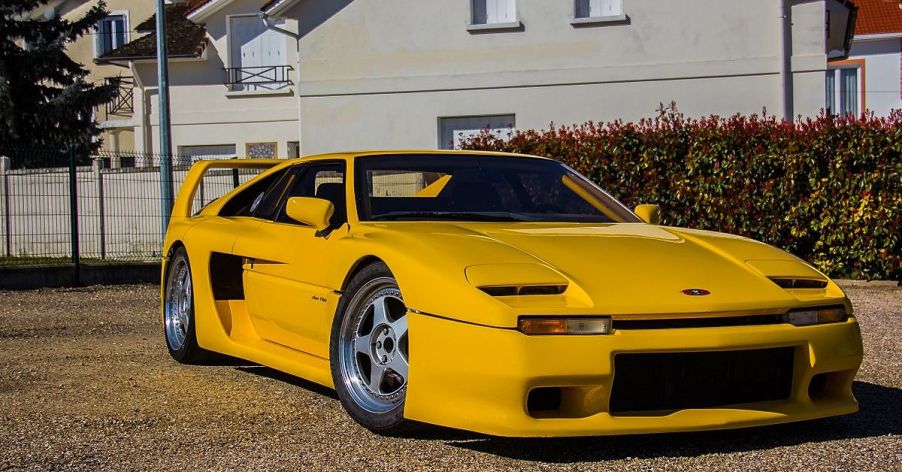
No one expected France to build a car like this. Not in 1992. Not when the roads were ruled by Ferraris and Porsches and the French auto scene was better known for baguettes on dashboards than carbon fiber and turbochargers. But then came the Venturi 400 Trophy – low-slung, wide-eyed, unapologetically loud. Born for a single-make racing series, it was a shot of adrenaline wrapped in aerospace logic. And though few were made, the message was clear: the car wasn’t here to play nice. It was here to compete.
A French Challenger Enters The Arena
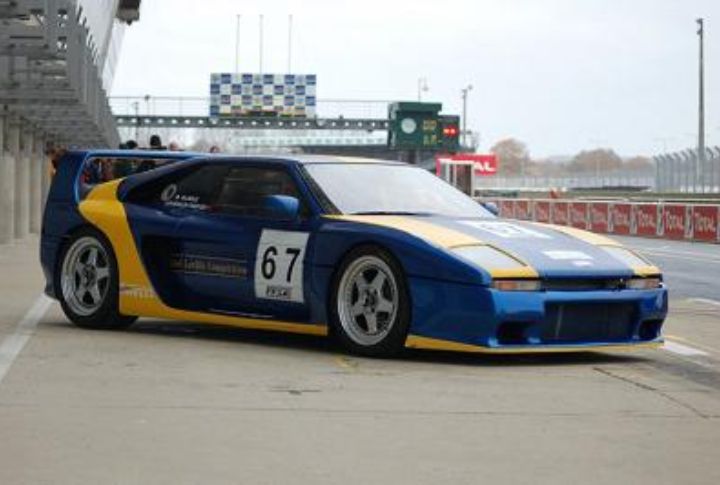
In the early 1990s, France wasn’t known for producing high-performance supercars. Venturi, however, sought to change that. The 400 Trophy was born with a vision to create a car that could compete on the track and showcase advanced engineering. It was a bold move in a market dominated by Ferrari, Porsche, and Lamborghini.
Built For The Track, Not The Street
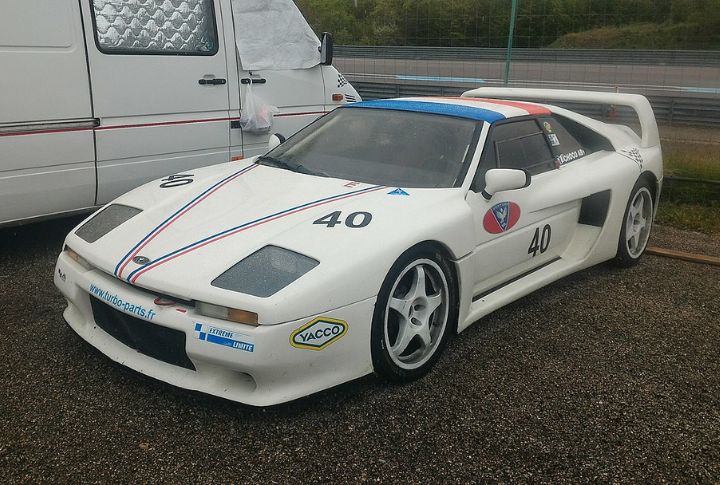
Unlike conventional supercars, the 400 Trophy wasn’t built for public roads. It was designed exclusively for the Venturi Trophy one-make racing series. This meant stripping out unnecessary weight, reinforcing the chassis for competition, which prioritized speed over luxury. Drivers had to tame its raw power in a controlled race environment.
A Powerhouse V6 Under The Hood
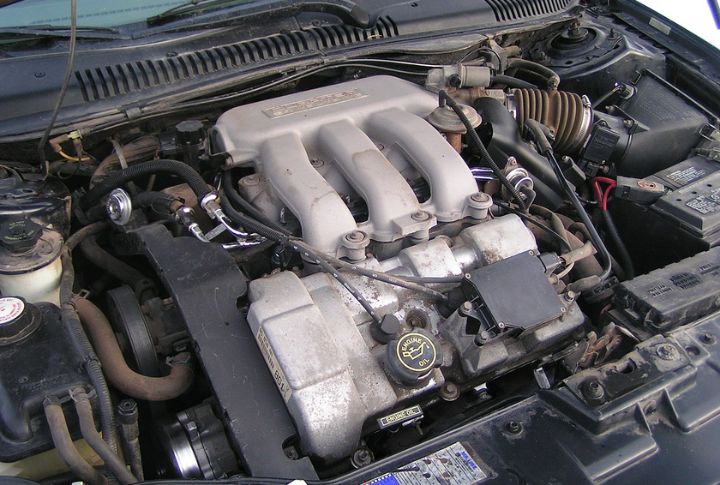
The Venturi 400 Trophy was powered by a 3.0L twin-turbocharged V6 engine. The PRV (Peugeot-Renault-Volvo) unit was modified to produce 400 horsepower, a significant figure for the time. Unlike naturally aspirated rivals like the Ferrari 348, which produced 300 hp, the Venturi benefited from forced induction and delivered stronger mid-range torque and acceleration.
Acceleration That Stunned Enthusiasts
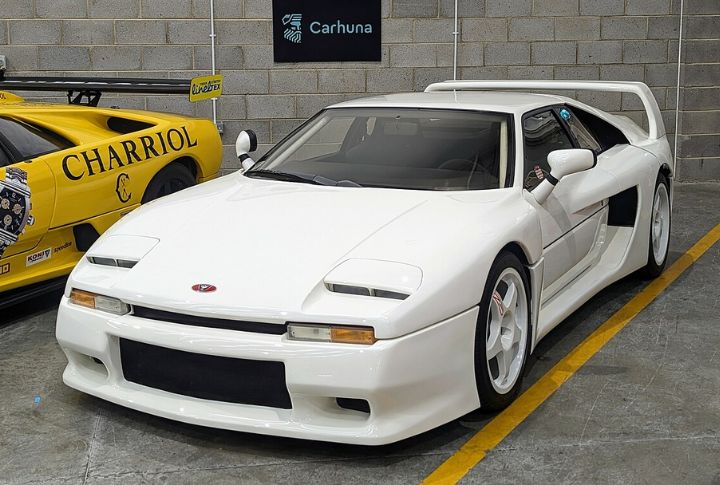
Sheer speed was one of the Trophy’s most impressive traits. An acceleration of 0 to 100 km/h (0-62 mph) in approximately 4.0 seconds made it faster than a Ferrari or a Porsche of the time. Its lightweight body and powerful engine gave it an edge over many contemporary European sports cars.
A Racing Interior With No Frills

Venturi focused purely on performance, unlike Ferrari and Porsche, which still blended luxury with their track-focused models. Inside, you will not find leather seats, a premium sound system, or any other plush feature. You will see a roll cage, bucket seats, and a digital dashboard that dominates the interior.
Design That Prioritized Aerodynamics
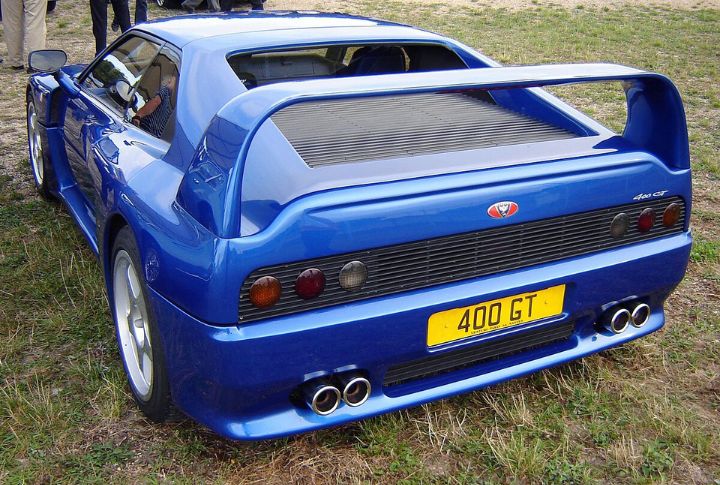
Every aspect of the Venturi 400 Trophy’s design was functional. Its large rear wing generated downforce and stabilized the car at high speeds. Wide air intakes cooled the engine efficiently. Compared to the sleek yet more traditional style of the Ferrari 348, the Venturi had a more race-focused aesthetic.
A Featherweight Warrior On The Track
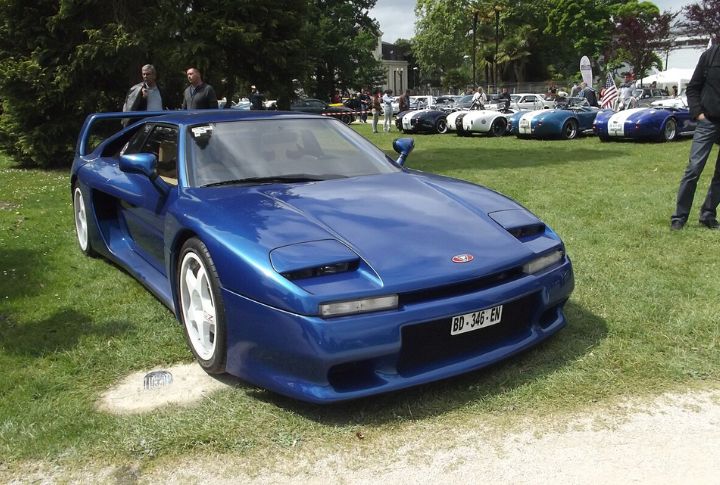
Weight is vital in racing, and the 400 Trophy was impressively light at around 1,100 kg (2,425 lbs). The use of composite materials and an aluminum chassis gave it an advantage over heavier competitors like the Lamborghini Diablo. Its agile handling made it a formidable competitor on the circuit.
How It Compares To Ferrari And Porsche
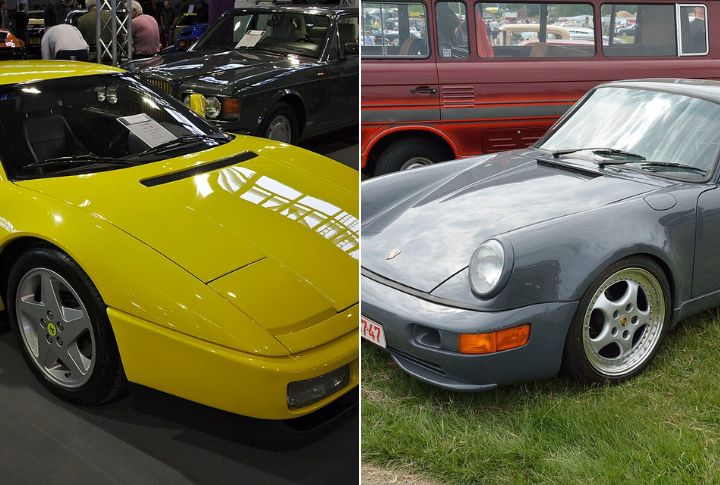
At the time, the Ferrari 348 and Porsche 964 Carrera RS were its closest rivals. Ferrari offered Italian flair, and Porsche brought legendary reliability, while the 400 Trophy had unique advantages with higher power output and advanced aerodynamics. Venturi offered uncompromised focus on track performance with this car.
A Forgotten Icon And Its Rarity

Despite its innovations, the Venturi 400 Trophy remained overshadowed by its European counterparts. Limited production and financial struggles kept it a niche player, but its rarity makes it highly collectible today. With only 73 units built, its value continues to rise, cementing its status as a hidden gem in motorsport history.
The Venturi Legacy Lives On
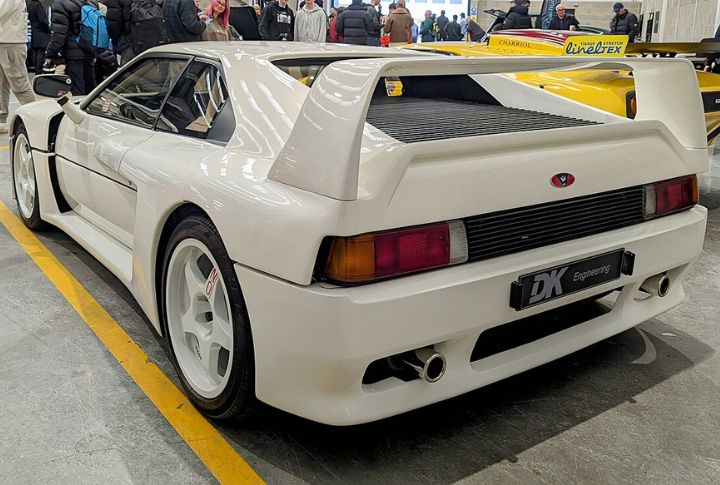
Venturi eventually shifted focus from supercars to electric vehicles during the early 2000s. The 400 Trophy remains an excellent example of its ambitious vision and capability as an automobile manufacturer. It proved that a French automaker could challenge the best in the business and has left a deep-rooted legacy among motorsport enthusiasts and collectors.