8 Upgrades You Can Get Done On Your Decade-Old Car, and 7 That You Shouldn’t

Upgrading a decade-old car is an excellent way to keep your ride fresh by enhancing performance, comfort, and style. However, some upgrades won’t work, and knowing what can and can’t be done to your vehicle is important. Here, we’ll start with eight upgrades that will work and seven that won’t.
Adding Brighter Headlights
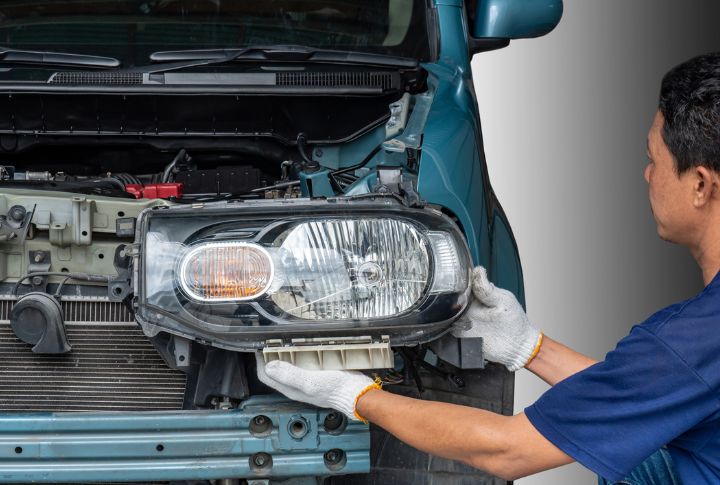
Upgrading your car’s headlights can significantly improve the car’s safety and aesthetics. As headlights age, their performance can diminish, reducing visibility at night and in poor weather conditions. Modern, high-intensity discharge or LED headlights offer brighter illumination and better clarity than traditional halogen bulbs.
Installing A Dash Cam
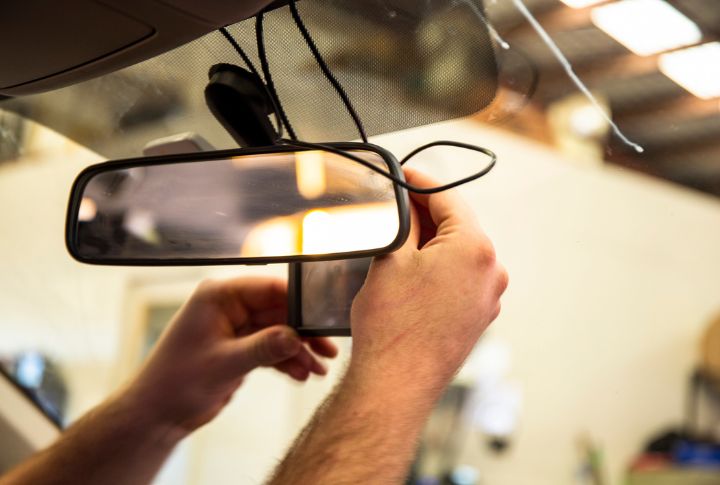
A dash cam provides extra security. By recording your drives, the camera captures evidence in the event of an accident, protecting you from false claims and ensuring you have a clear record of what happened. Modern cams often come with GPS tracking, night vision, and collision detection for more convenience.
Fitting Quality New Tires
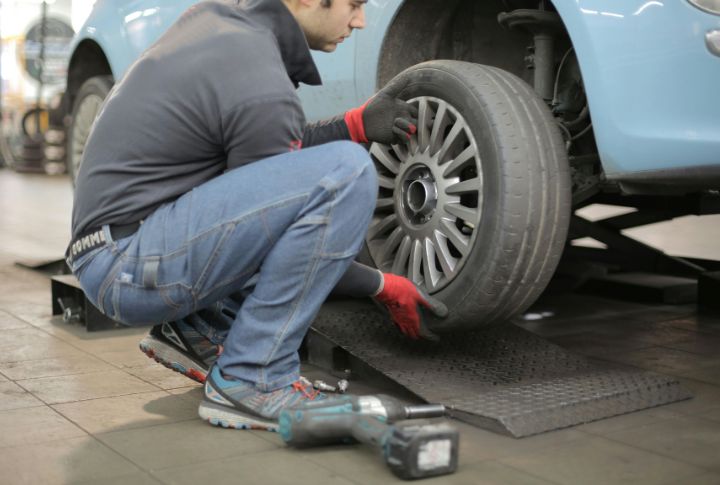
Replacing old tires with high-quality, newer ones dramatically improves your car’s handling performance, safety, and comfort. Worn tires typically compromise traction, handling, and braking efficiency, especially in adverse weather conditions. Investing in premium tires with advanced tread patterns and materials enhances grip, reduces road noise, and provides a smoother ride.
Installing Parking Sensors And Reversing Cameras
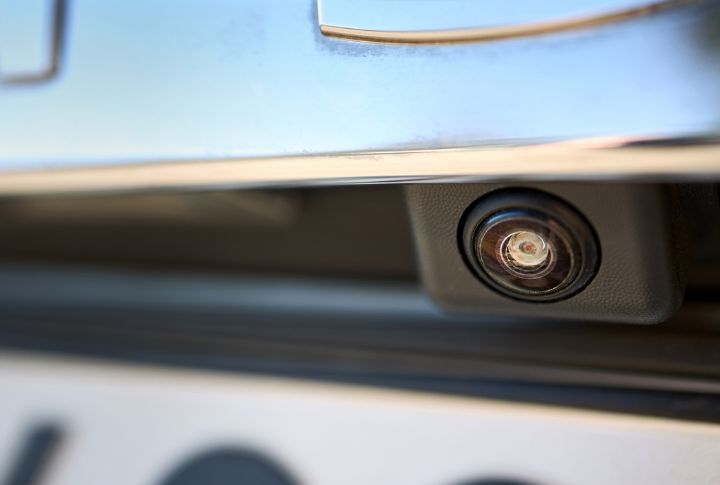
Parking sensors and reversing cameras are practical upgrades that can make maneuvering your car in tight spaces much easier and safer. Parking sensors use ultrasonics to detect obstacles behind your vehicle, while a reversing camera offers a clearer view of any obstacles in your path.
Adding Heated Seats
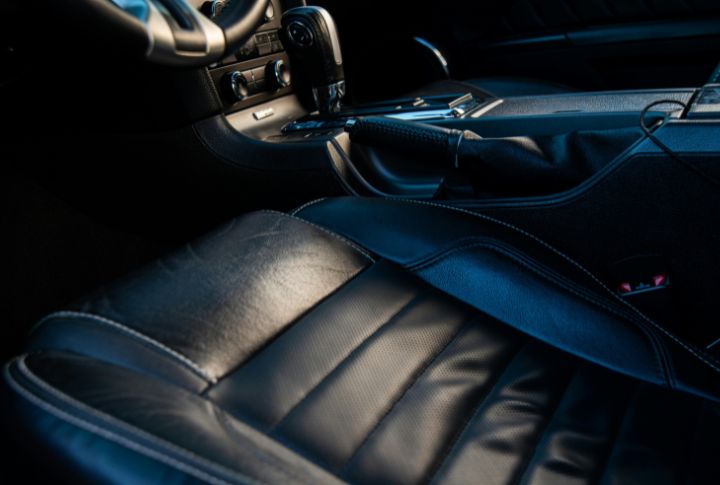
Upgrading to heated seats can transform your driving experience, especially in colder climates. Heated seats provide added comfort by warming the seat cushions and backrests, making those chilly morning commutes more pleasant. Modern heated seat systems even allow you to customize the heat level.
Installing Blind-Spot Monitoring
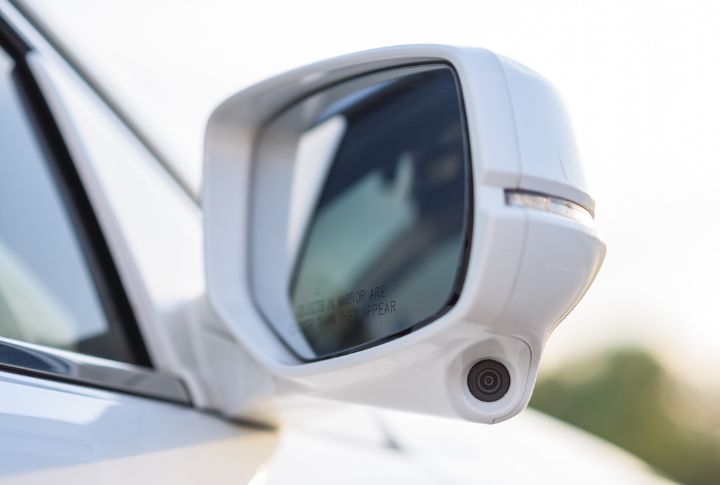
Blind-spot monitoring is an excellent safety feature that enhances your driving confidence. It uses sensors to detect different objects in your blind spots and notifies you if changing lanes is unsafe. By providing visual or auditory warnings, blind spot monitoring helps reduce the risk of accidents.
Adding Window Tint
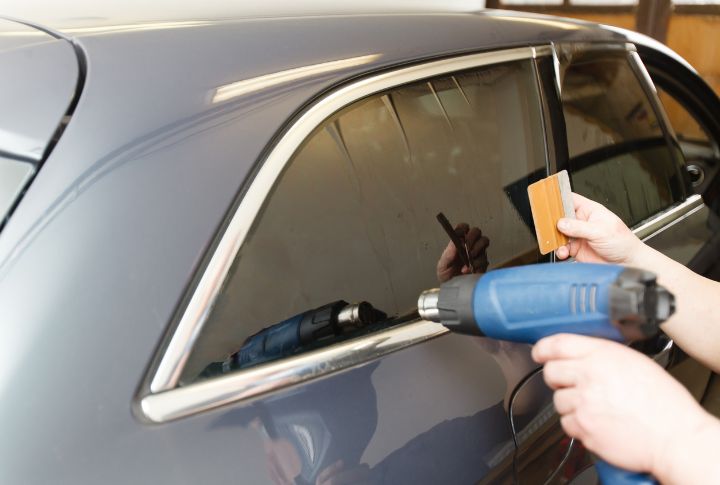
Window tinting enhances the look of your car and offers practical benefits such as improved privacy, reduced glare, and better UV protection. Quality window tints help keep the interior of your car cooler by blocking out harmful UV rays and decreasing the heat that enters through the windows.
Installing An Alarm System
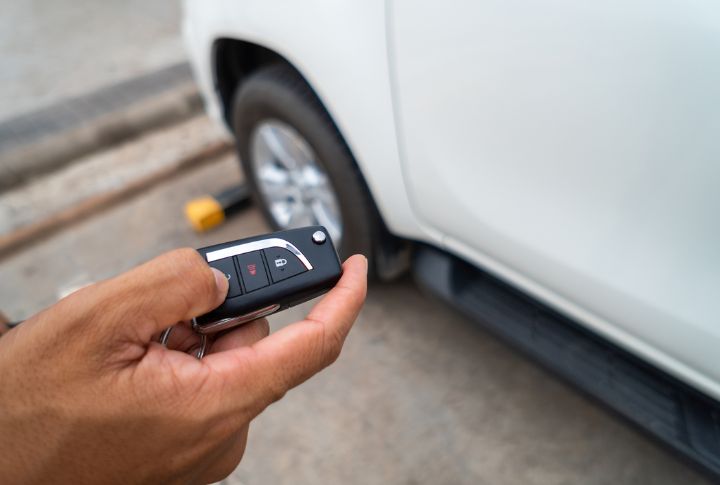
Modern car alarms offer a range of features designed to deter theft and alert you to potential security breaches. These systems often include motion sensors, door and window sensors, and remote notifications, which can help protect your vehicle from break-ins or tampering.
Upgrading to a High-Powered Engine
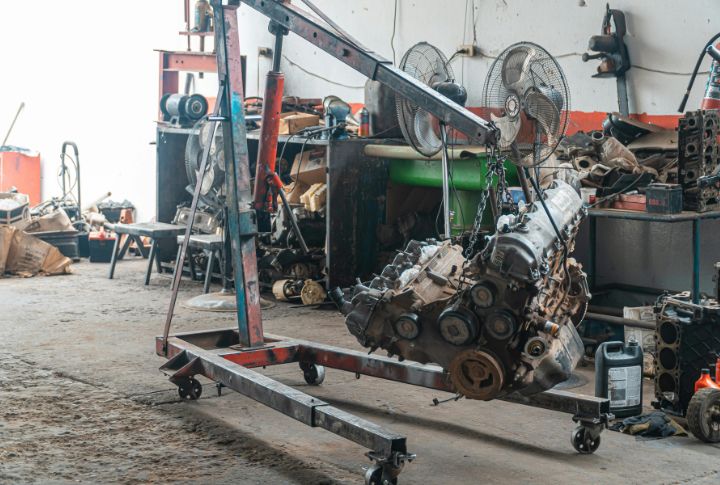
Now, we discuss upgrades that can negatively impact your vehicle, starting with the engine. While swapping in a high-powered engine for improved performance might be tempting, it’s often impractical for a decade-old car. Installing a new engine can require extensive modifications to the car’s frame, transmission, and electronics, compromising the vehicle’s reliability.
Retrofitting Modern Suspension Systems
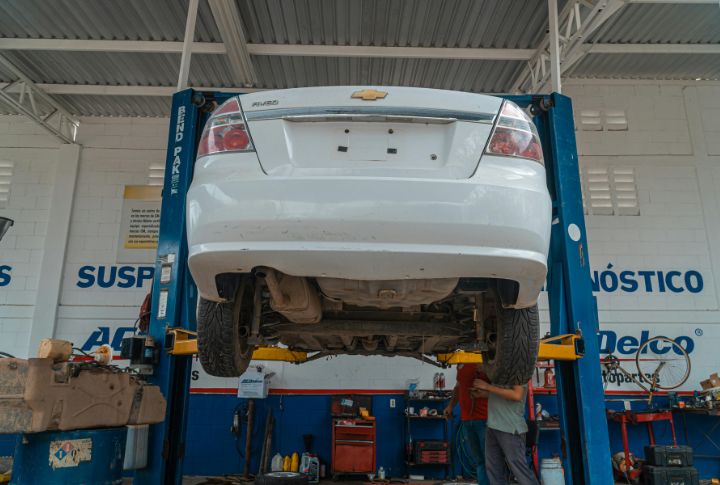
A modern suspension system can improve handling and comfort, but retrofitting it into an older car can be problematic. Older vehicles are designed with specific suspension geometry and components, and installing a new, high-tech suspension system can cause poor handling, uneven tire wear, or even damage to the car’s frame.
Adding Advanced Infotainment Systems
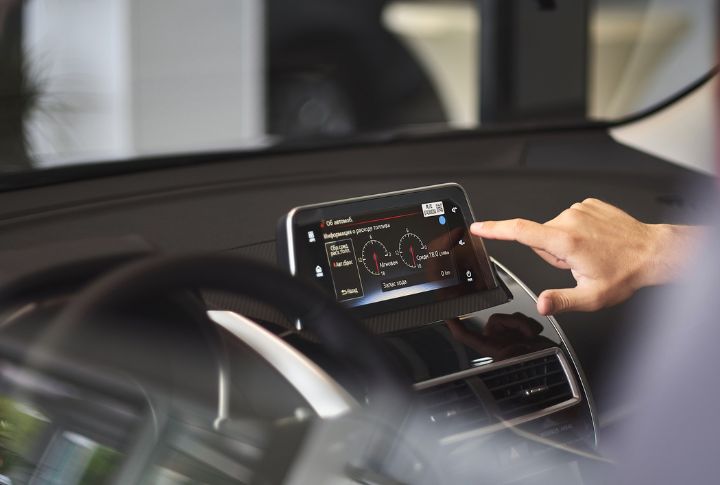
A state-of-the-art infotainment system can modernize your car’s interior and create compatibility issues with older vehicles. New infotainment systems rely on advanced wiring, integration with vehicle controls, and updated software that older cars might not support. This can lead to problems such as malfunctioning controls, interference with existing systems, or installation difficulties.
Installing Over-Sized Wheels and Tires
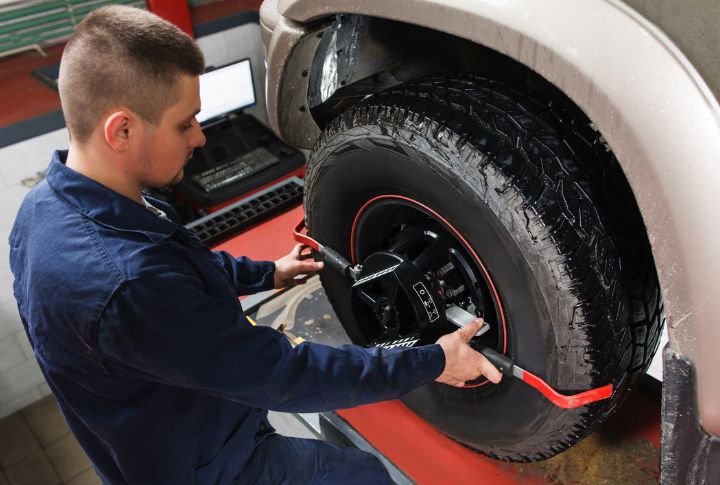
Fitting oversized wheels and tires can give your vehicle a bold new look, but it often comes with unintended consequences. Larger wheels strain the car’s suspension, steering, and braking systems, leading to premature wear. Additionally, the increased weight and altered rolling radius can affect your car’s handling.
Adding Aftermarket Turbochargers
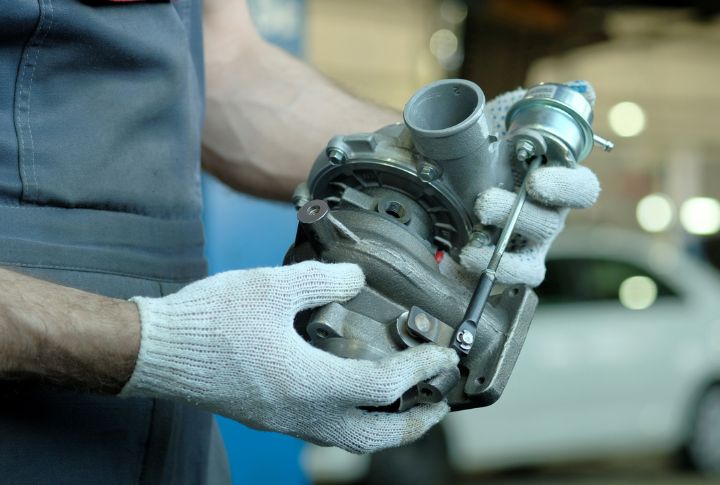
Modern turbochargers boost engine performance, but adding one to an older car can be problematic. Older engines aren’t designed to handle a turbocharger’s increased pressure and heat, leading to engine damage or reduced reliability. Moreover, installing a turbocharger often requires significant modifications to the engine, fuel system, and exhaust.
Installing Custom Exhaust Systems
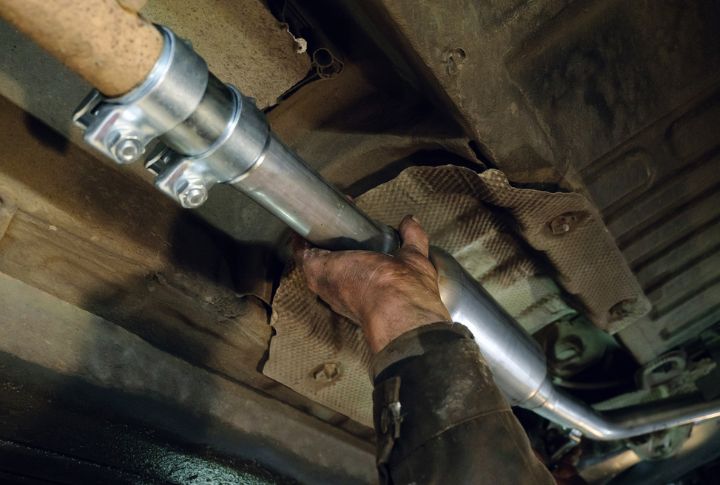
Older cars may be unable to handle the increased exhaust flow, which can cause excessive noise, vibration, or even damage to the exhaust manifold or catalytic converter. Modifying the exhaust system can also impact emissions, potentially making the car non-compliant with local regulations and affecting its ability to pass emissions tests.
Upgrading to a High-Performance Suspension Kit
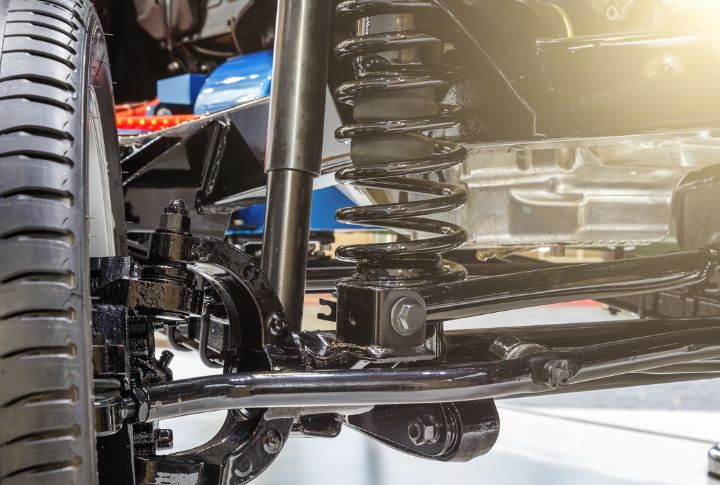
High-performance suspension kits are designed to improve handling and stability but may not be suitable for older cars. These kits lower the car’s ride height, negatively impacting the vehicle’s ground clearance and creating issues with everyday drivability. Stiffer suspension components might result in a harsher ride and increased road noise.
Installing High-Performance Brake Systems
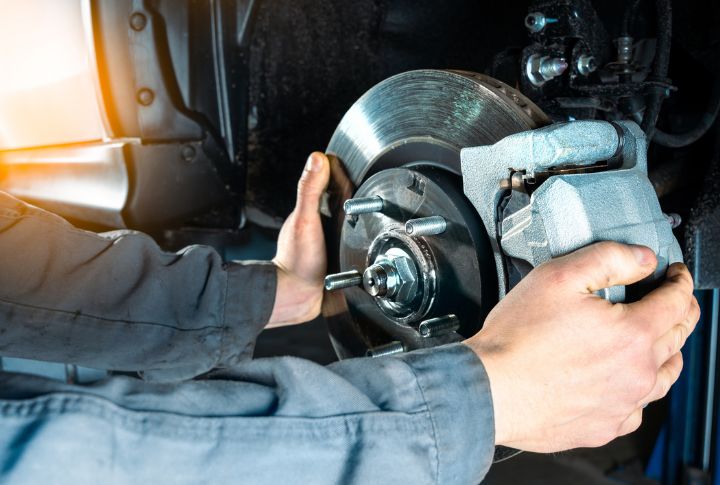
Upgrading new brake systems enhances stopping power and can cause complications in older vehicles. Installing larger and more advanced brake components might require modifications to the car’s wheel wells, suspension, and hydraulic systems, which can impact the vehicle’s balance and handling.