10 Unforgettable Facts About The 1969 Pontiac GTO Judge Concept
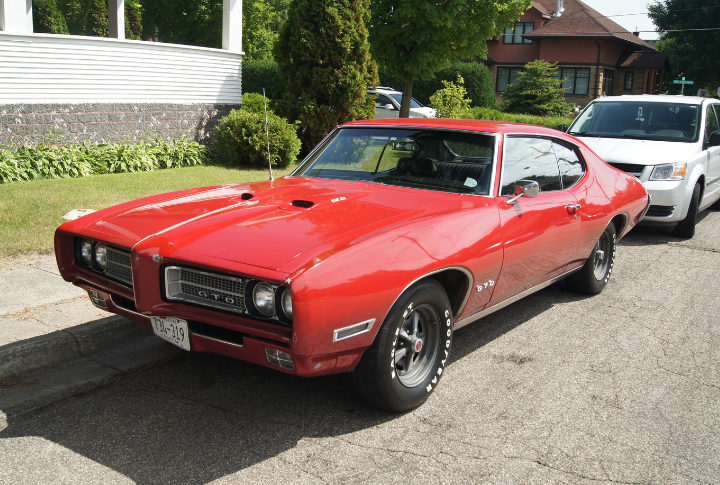
The 1969 Pontiac GTO Judge was a high-performance muscle car introduced by Pontiac to compete with rivals like the Plymouth Road Runner. Originally intended as an entry-level version of the GTO, the Judge evolved into a more upscale model. Here are 10 unforgettable facts about this car.
High-Performance V8 Engines
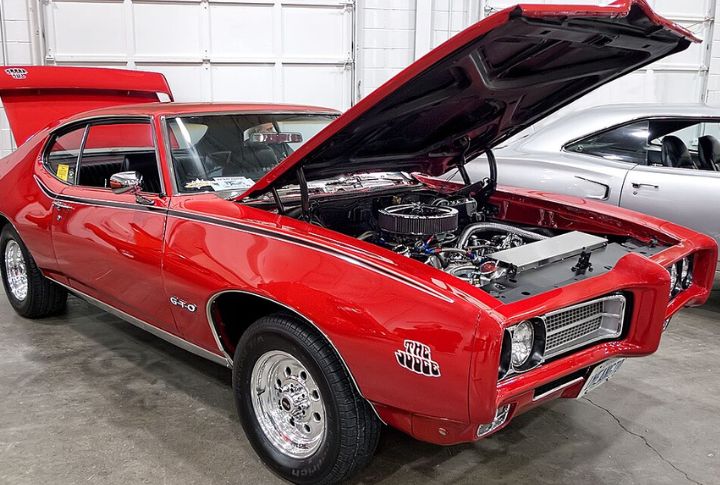
The standard engine for the 1969 GTO Judge was the Ram Air III 400-cubic-inch V8, delivering 366 horsepower. This high-output engine featured a 10.75:1 compression ratio and a functional Ram Air induction system. For those seeking even more power, Pontiac offered the optional Ram Air IV engine, which was rated at 370 horsepower.
Bold Exterior Styling
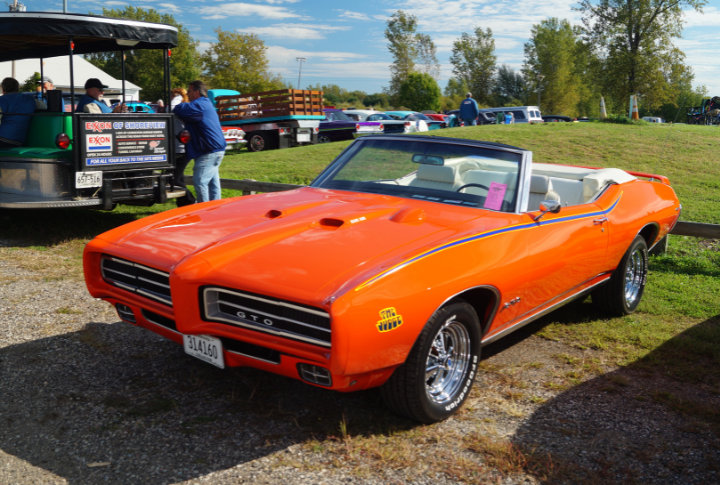
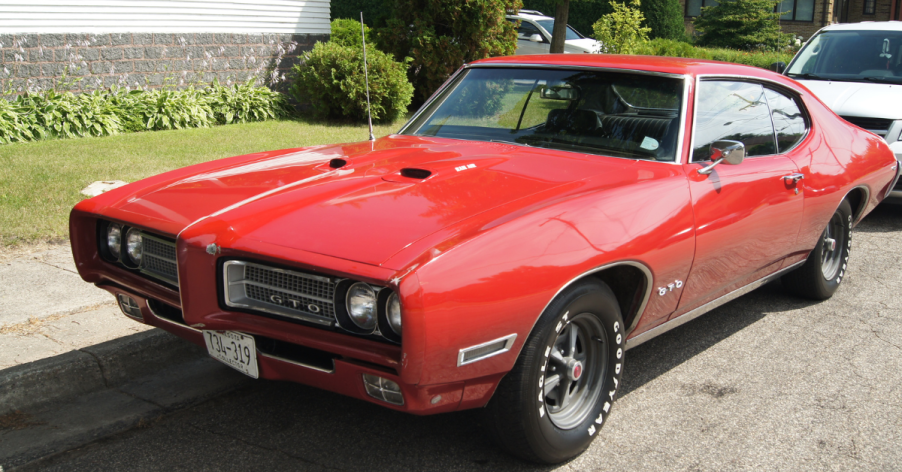
Initially available exclusively in Carousel Red, the Judge featured unique decals, a blacked-out grille, and a rear deck spoiler that added to its aggressive stance. The Rally II wheels, sans trim rings, and functional hood scoops enhanced its aesthetic appeal and contributed to its output by improving aerodynamics and engine cooling.
Driver-Focused Interior
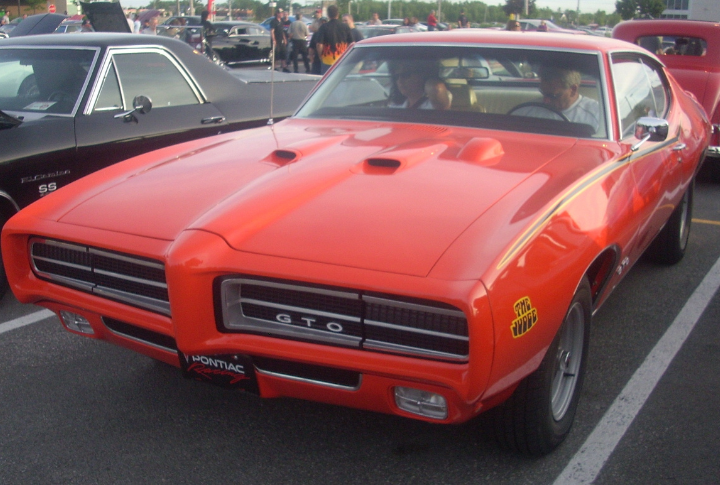
Inside, the Judge maintained the GTO’s driver-focused cockpit and added unique touches to reinforce its identity. Its interior featured bucket seats and a deluxe steering wheel, with “The Judge” emblem displayed on the glove box door. An optional hood-mounted tachometer provided drivers with a convenient way to monitor engine RPMs without taking their eyes off the road.
Transmission And Suspension Upgrades
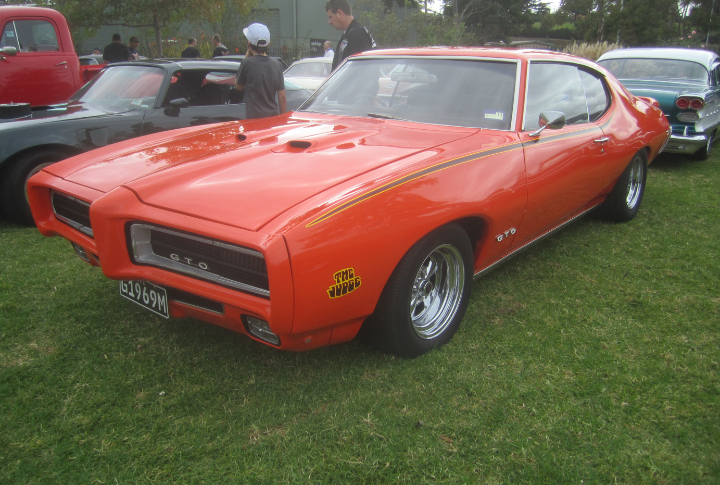
A standard three-speed manual transmission featuring a Hurst T-handle shifter ensured precise gear changes. Depending on their driving preferences, buyers could opt for a close-ratio four-speed manual or a Turbo Hydra-Matic automatic transmission. The car’s suspension system included heavy-duty springs and shock absorbers, while a 3.55:1 rear axle ratio came standard.
Impressive Quarter-Mile Performance
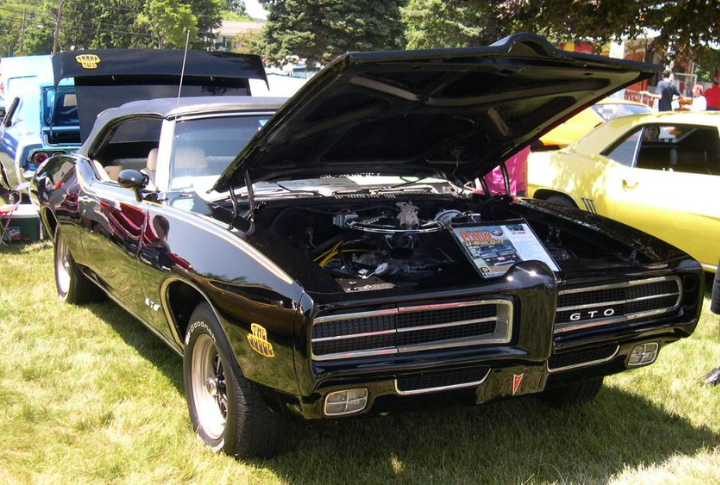
The Judge’s performance was impressive for its time. Car Life magazine recorded a quarter-mile time of 14.45 seconds at 97.8 mph with the Ram Air III engine. With the Ram Air IV engine and a Turbo Hydra-Matic transmission, the Judge achieved a quarter-mile time of 13.99 seconds at 107 mph.
Use Of Innovative Materials
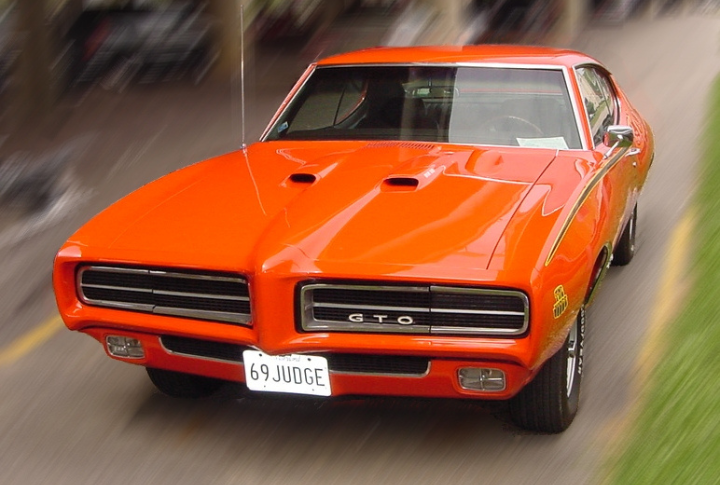
The front bumper was made of Endura plastic, a combination of closed-cell urethane foam bonded to metal, resulting in a relatively impact-resistant body panel. This material allowed the bumper to withstand minor impacts without damage. Its use was a pioneering move in automotive design and contributed to the Judge’s distinctive appearance.
Pricing And Market Position
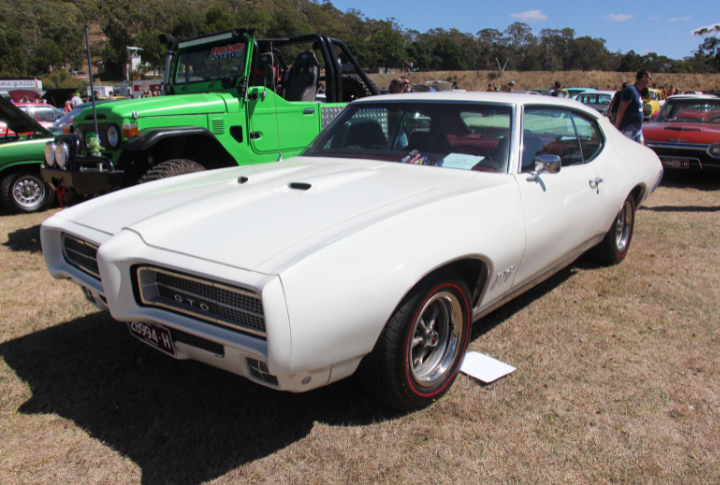
In 1969, a standard GTO cost $3,156, while the Judge package added $337.02, bringing the total for hardtops to $3,493.02. Convertible models cost about $3,719.02. While this made the Judge more expensive than some competitors, enthusiasts felt the additional cost was justified by the car’s unique styling and delivery.
Clever Marketing Strategies
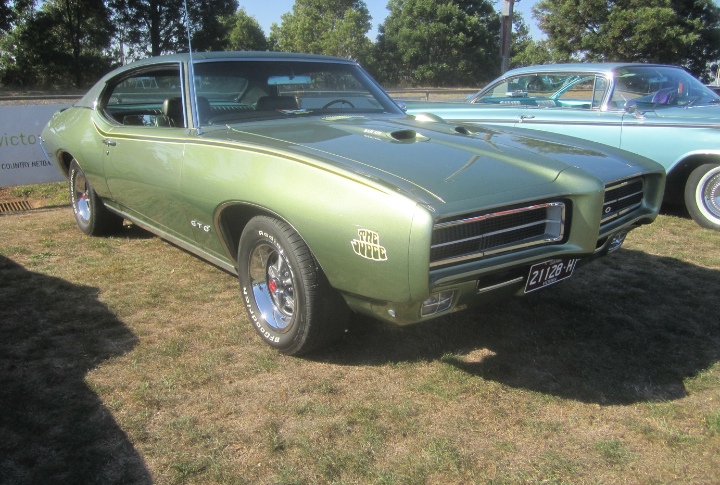
Capitalizing on the “Here comes da judge!” catchphrase from “Rowan & Martin’s Laugh-In,” Pontiac’s advertising emphasized the car’s youthful spirit. Slogans like “All Rise for the Judge” and “The Judge can be bought” resonated with its audience, creating a strong brand identity. This clever marketing and the car’s performance credentials established the Judge as an icon.
Rarity And Production Numbers
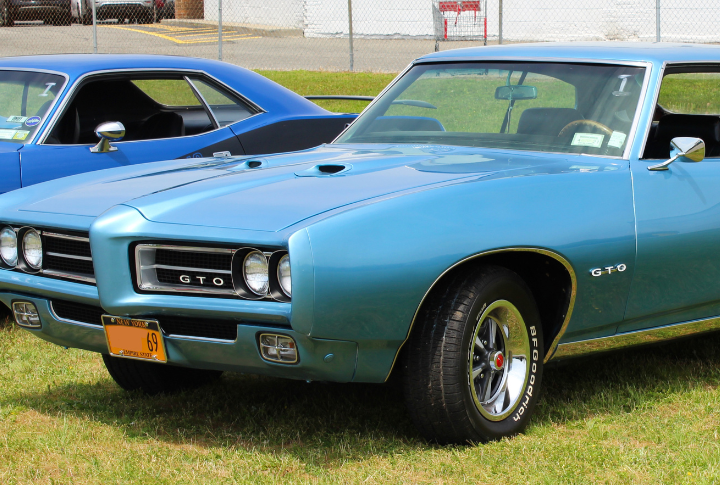
Pontiac produced 6,725 hardtop Judge models and only 108 convertibles that year. While the Judge package continued beyond the 1970s, the 1969 model remains iconic due to its introduction, unique styling, and association with the golden age of muscle cars. The low production numbers contributed to the car’s value and exclusivity today.
A Template For Modern Muscle
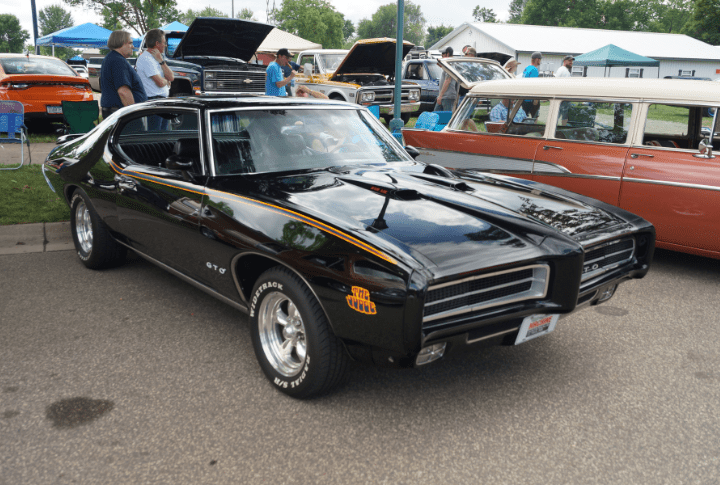
Modern muscle owes a lot to the Judge. Its bold graphics, aggressive stance, and unapologetic attitude set the tone for future performance models. The flamboyant Orbit Orange paint, rear spoiler, blacked-out grille, etc., redefined visual aggression. Modern legends like the Dodge Challenger and Chevy Camaro borrow its street presence, tracing back to the Judge’s fearless debut.