10 Underrated Vintage Cars That Became Collector Favorites
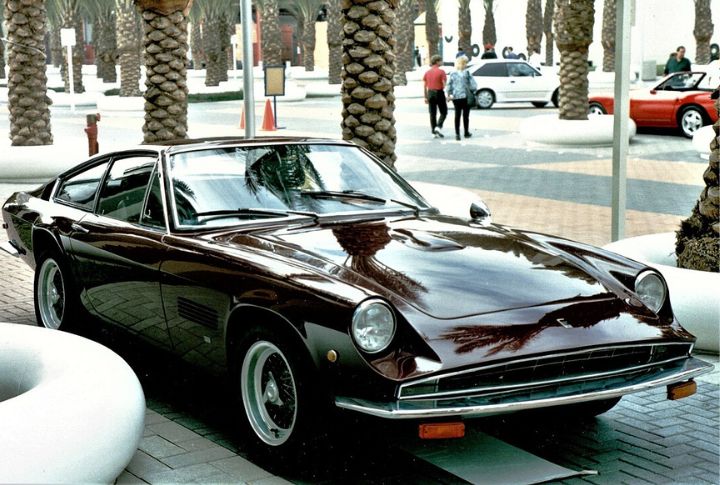
Not every classic car was an instant icon when it first hit the road. Despite their unique designs, impressive engineering, or cultural significance, some models were overshadowed by more popular contemporaries. However, shifting market trends and the appreciation for rarity quickly transformed them into highly sought-after items. Here are 10 such cars and the story behind their fame.
Iso Grifo (1965–1974)
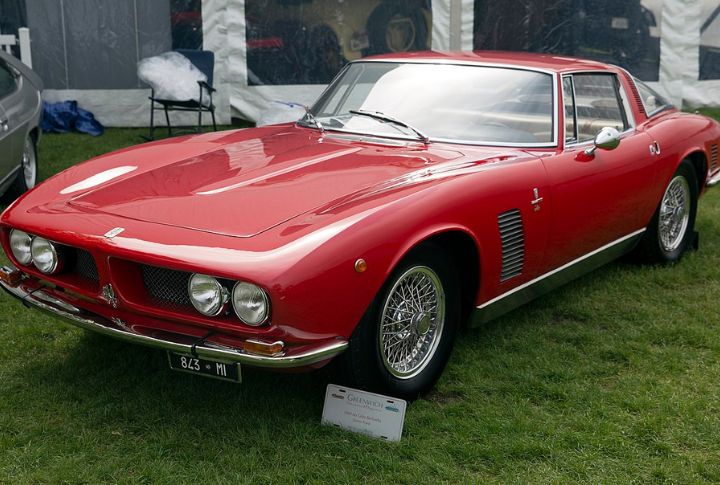
The Iso Grifo was a rare Italian grand tourer. It blended American V8 power with sleek Italian styling, which made it a hidden gem. Designed by Giorgetto Giugiaro and engineered by Giotto Bizzarrini, the car featured Chevrolet’s small-block and big-block engines. With fewer than 500 units ever produced, the Iso Grifo’s exclusivity has made it a coveted gem among collectors.
Facel Vega HK500 (1958–1961)
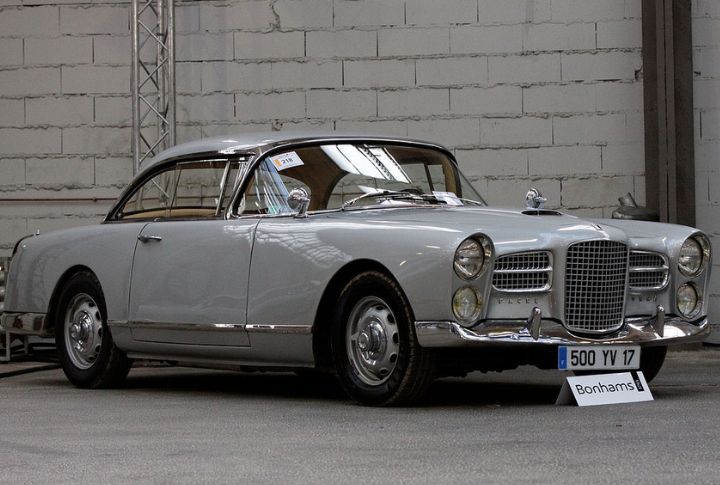
One of France’s finest luxury grand tourers, the Facel Vega HK500 features a Chrysler Hemi V8 engine paired with an elegant European design. It could reach over 140 mph, making it one of the fastest cars of its era. Facel Vega’s financial troubles led to its demise, but enthusiasts still appreciate its speed and hand-crafted interiors.
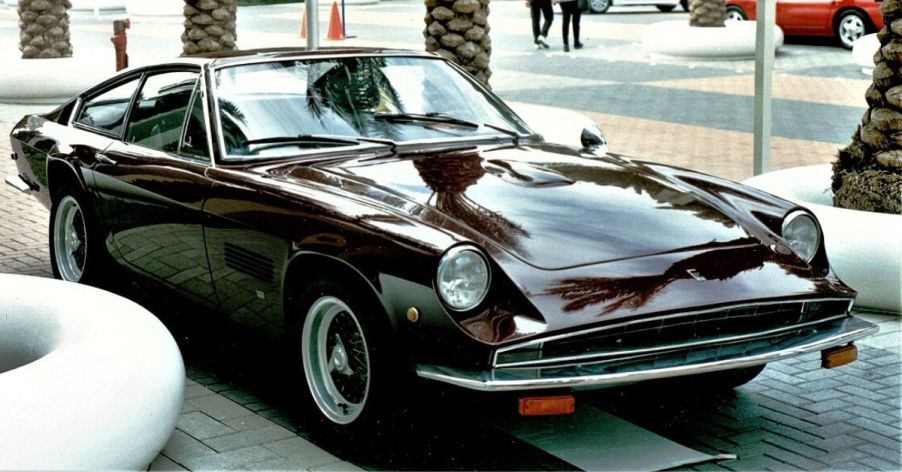
Monteverdi High Speed 375S (1967–1970)
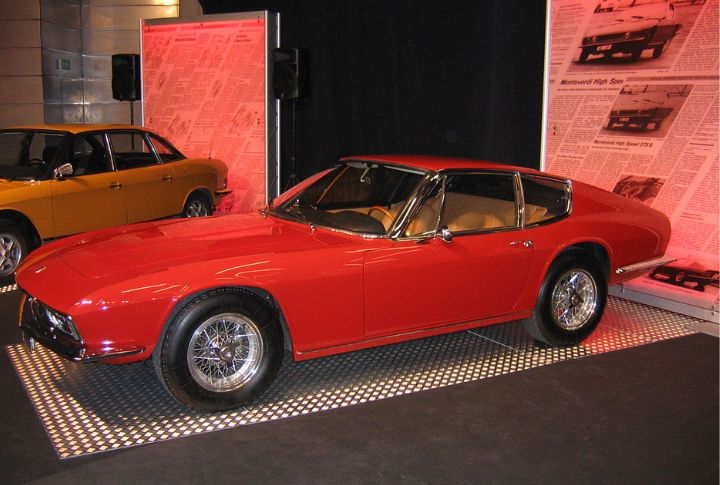
Though initially overlooked due to its limited brand recognition, enthusiasts now prize the Monteverdi High Speed 375S for its exclusivity and craftsmanship. Swiss automaker Monteverdi introduced the car as a high-performance luxury coupe. The initial 375S design was designed by Pietro Frua from 1967 to 1869, followed by Fissore’s restyling from 1969 to 1060.
Gordon-Keeble GK1 (1964–1967)
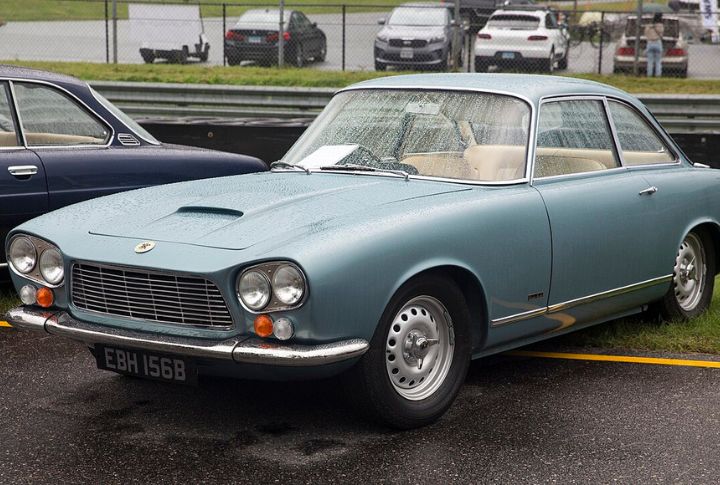
This British-American hybrid sports car features a lightweight fiberglass body and a Chevrolet 327 V8 engine. Despite its impressive performance and stylish Italian design, the company only produced 99 units before financial struggles forced its closure. Originally underappreciated, the GK1’s rarity and well-balanced handling have made it a prized collector’s item.
Bizzarrini 5300 GT Strada (1964–1968)
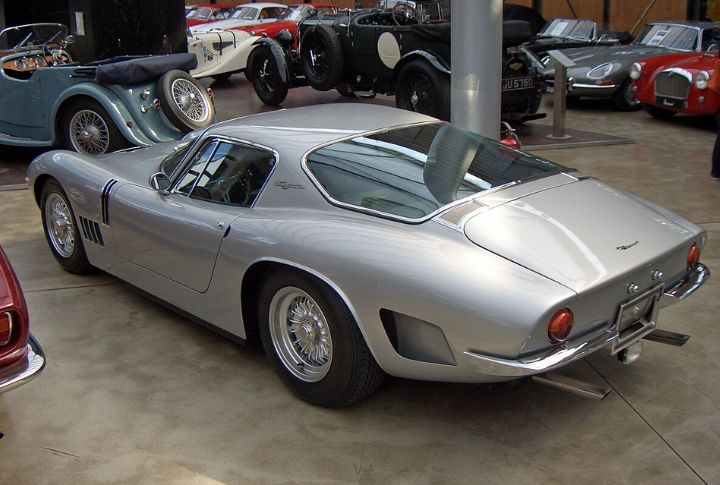
Giotto Bizzarrini, the former Ferrari engineer behind the legendary 250 GTO, developed the 5300 GT Strada as a lightweight race-inspired sports car. It had a front-mid engine layout and delivered outstanding performance for its time. As collectors rediscovered Bizzarrini’s engineering genius, the car’s desirability skyrocketed, with some examples selling for over $1 million.
Pegaso Z-102 (1951–1958)
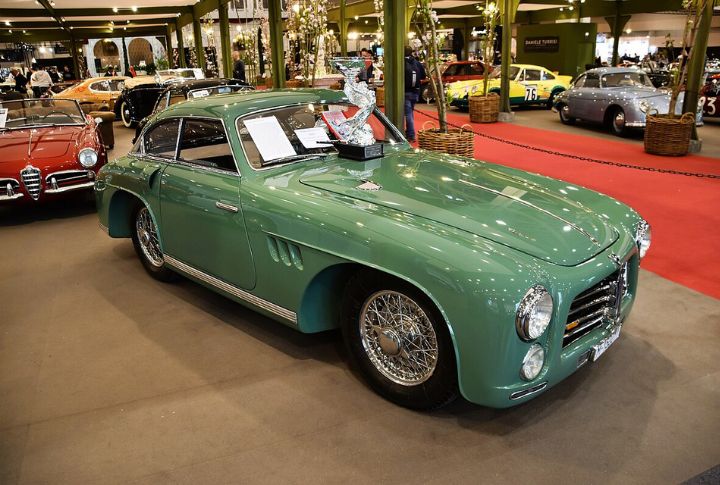
Only 84 units of this vehicle were produced, though some sources suggest 83, depending on variants. It was designed by famous coachbuilders like Saoutchik and Touring and is still considered one of the most exquisite sports cars of the 1950s. Featuring a futuristic aluminum V8, the Pegaso Z-102 was Spain’s answer to Ferrari and Mercedes-Benz.
Tatra T87 (1936–1950)
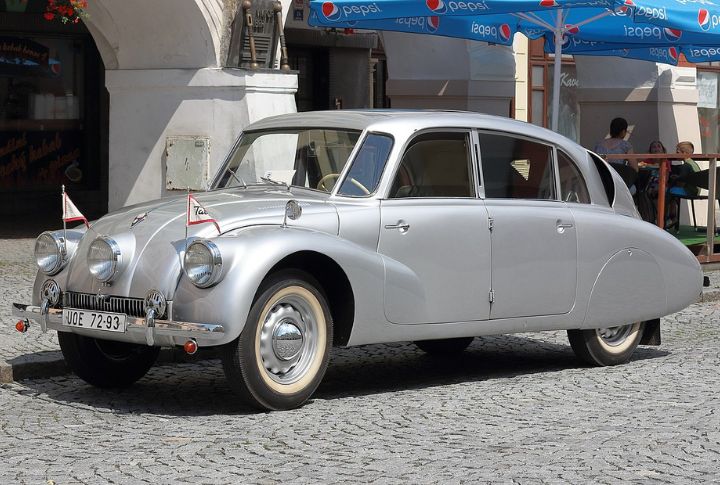
For years, the Tatra T87 remained relatively unknown outside Europe despite its technological brilliance. Today, however, it is highly regarded as a pioneering classic. An advanced aerodynamic luxury car produced in Czechoslovakia, it featured a rear-mounted air-cooled V8 and an innovative streamlined body. Its design legacy influenced later vehicles like the Volkswagen Beetle.
Jensen Interceptor FF (1966–1971)
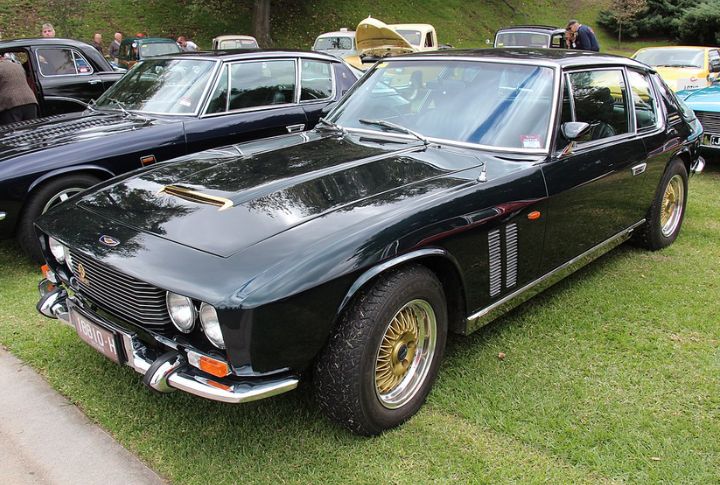
As the first non-off-road vehicle with full-time all-wheel drive and anti-lock brakes, the Jensen Interceptor FF was a groundbreaking British GT car. It offered remarkable performance and stability, and its high cost limited production to 320 units. Initially overshadowed by its rear-wheel-drive Interceptor counterpart, the FF has gained appreciation for its advanced technology and rarity.
Bristol 411 (1969–1976)
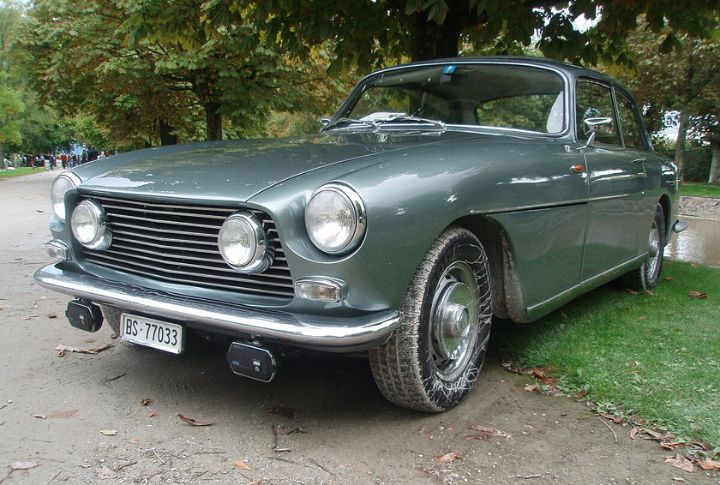
The Bristol 411 is a luxury grand tourer hand-built by Bristol Cars. It was the fastest and most powerful Bristol of its time, featuring a 6.3L Chrysler V8 in early models and a 6.6L version in later ones. Plus, its aluminum body, mounted on a steel chassis, combined lightweight construction with durability, which made it an exceptional vehicle.
Panhard CD (19625–1965)
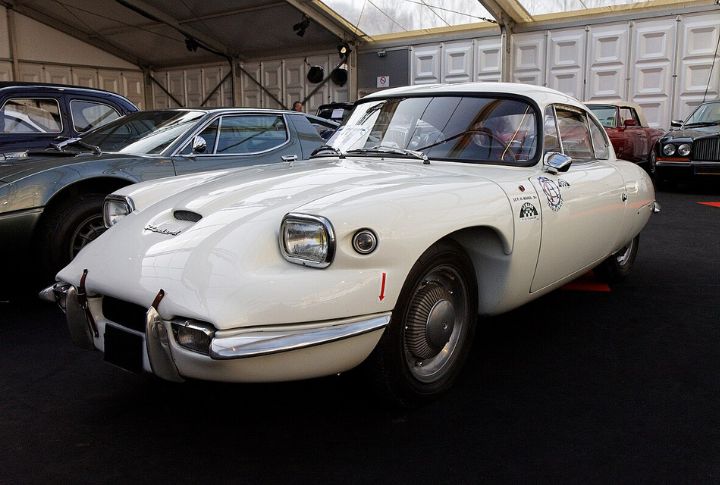
The CD’s connection to Panhard’s legacy as a pioneer in lightweight vehicles has enhanced its appeal among enthusiasts. It was powered by a 60-horsepower 848cc air-cooled, two-cylinder engine and built using a fiberglass body over an aluminum chassis. This suited it for both road use and competitive racing, like the 24 Hours of Le Mans.