
10 Triggers In Your Car That Might Be Causing Hip Pain

If you’ve ever stepped out of your car after a long drive feeling like your hips aged 40 years in 40 minutes, you’re not alone. While most drivers obsess over horsepower and touchscreen infotainment systems, few realize how a car seat can mess with your musculoskeletal health. Here are 10 signs that your car seat might be the culprit behind your persistent pain.
Poor Seat Ergonomics
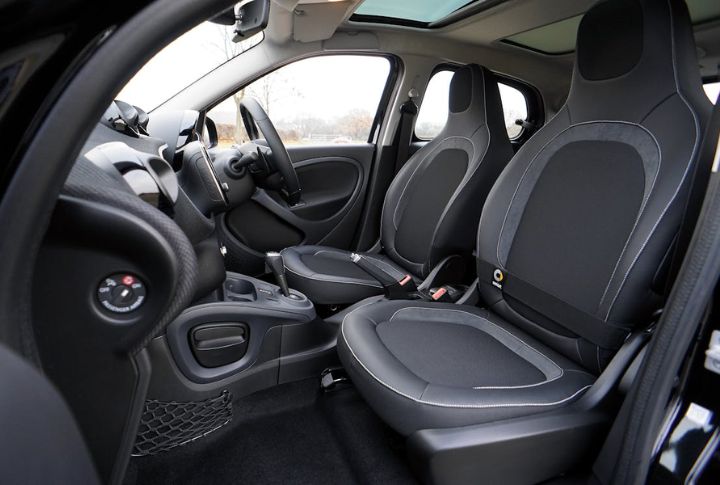
Seats that lack proper lumbar support can flatten the natural curve of your spine, tilting your pelvis into unnatural positions. Similarly, seats that are too hard or poorly contoured increase pressure on the bony areas. Without adjustable features, you’re stuck with a one-size-fits-all setup that may be misaligned with your body’s needs.
Seat Height
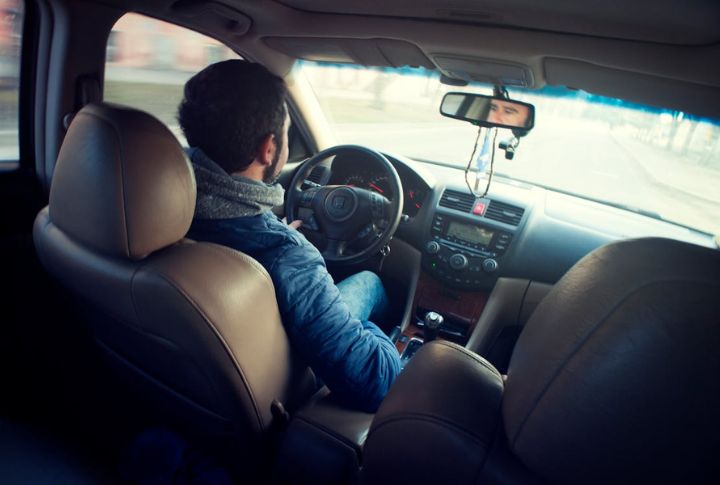
Incorrect seat height can also affect your posture and reduce comfort, causing musculoskeletal issues. For example, if your hips are positioned lower than your knees, it increases undue strain on the joint. And on the flip side, if your knees are elevated, it compresses the hip capsule and restricts circulation to the gluteal muscles.
Worn-Out Cushioning
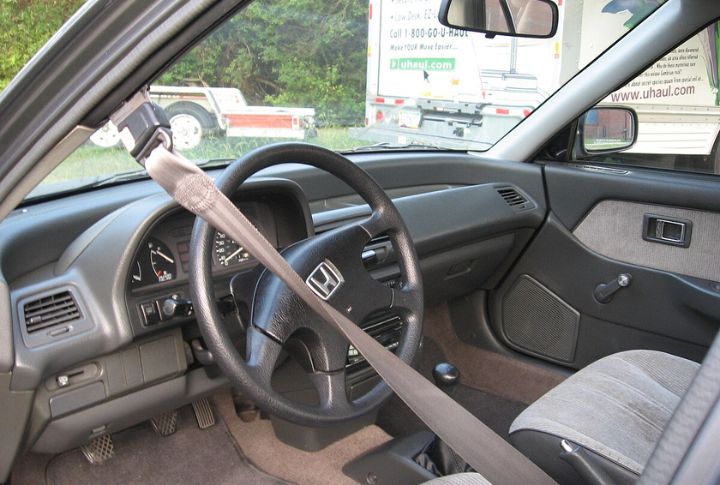
Over time, seat foam compresses and loses its ability to distribute weight evenly. A sagging cushion can reduce shock absorption and increase pressure on soft tissue. The result? Persistent discomfort and mounting joint fatigue. If you have to drive around for a long time in such a car, you should consider changing the seat before it causes further problems.
Bucket Seats In The Car
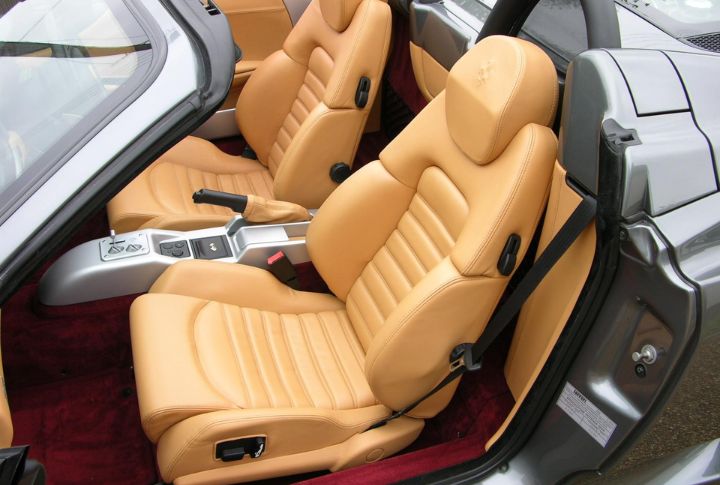
The deep wells often force the hips into internal rotation, while restrictive bolsters can press against the bony part of the outer hip. In narrow seats, your hip abductors may feel pinched, and your legs might not move as freely. All this can cause misalignment, especially during long drives.
Prolonged Seating

It is a well-known trigger for joint and muscle stiffness. When you stay in one position for too long, your hip flexors and hamstrings tighten, and the circulation of synovial fluid, the lubricant for your joints, slows down. Without movement, muscles fatigue, nerves may get compressed, and inflammation becomes more likely.
Improper Pedal Reach
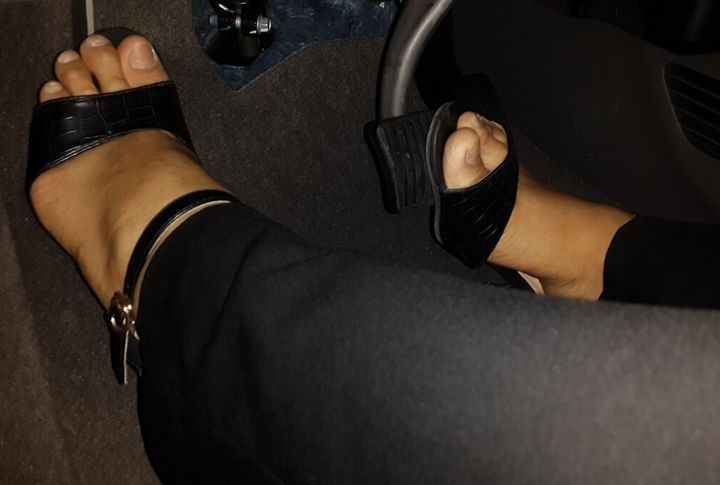
Poor foot positioning while driving aggravates the hip muscles. If you’re stretching too far to press the accelerator or clutch, you’re placing strain on essential muscles. This stretch can also cause your pelvis to tilt or your spine, causing repetitive stress on the hip joints.
Manual Transmission Cars
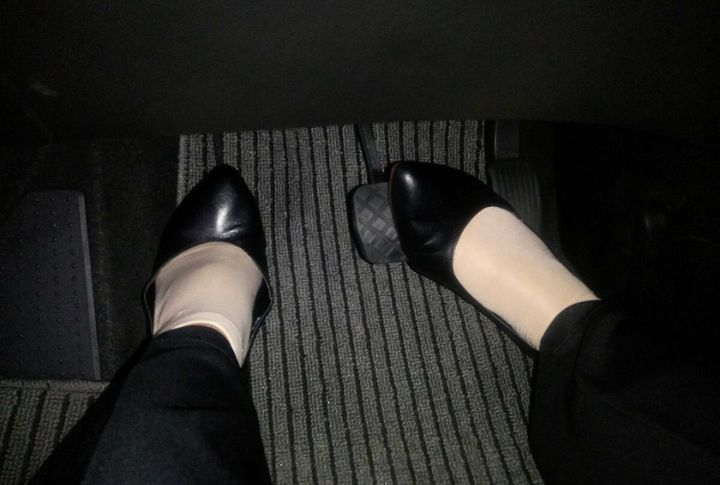
Using the clutch repeatedly and unevenly places ongoing stress on the left hip flexors. This repetitive motion often results in irritation around the tendons and bursae in the hip area. With continued strain on one side of the body, muscular patterns on your lower back may shift.
Road Vibration

Every pothole and speed bump sends small but consistent shocks through your vehicle. These vibrations impact not just your spine but also the muscles that stabilize your pelvis and hips. In cars with poor suspension, these jolts get amplified and cause microtrauma to accumulate in the tissues around your hips.
Center Console Or Armrest

If it’s misaligned or too high, the center console can cause you to lean to one side while driving. This slight lean may seem harmless, but over time, it can cause the pelvis to rotate, creating uneven pressure, particularly in the glutes and quadratus lumborum. For those with existing posture issues, this can even aggravate sciatic nerve pathways.
Lack Of Movement

Many people spend hours behind the wheel without taking movement breaks. This static sitting might lead to slowed circulation and shortened hip flexors, which contribute to long-term stiffness and discomfort. Even subtle movements such as shifting your weight or stretching in between can help ease this burden.