‘My car is melting’ Toyota refuses to fix RAV4 owner’s warped plastic
It started small. Kaitie Murphy parks her “pretty new” 2018 Toyota RAV4 SUV in a certain spot, right out in front of her home. They had just bought the house, by the way. As the Michigan summer quietly morphed to fall, “I noticed a couple things happening.”
The RAV4 started melting
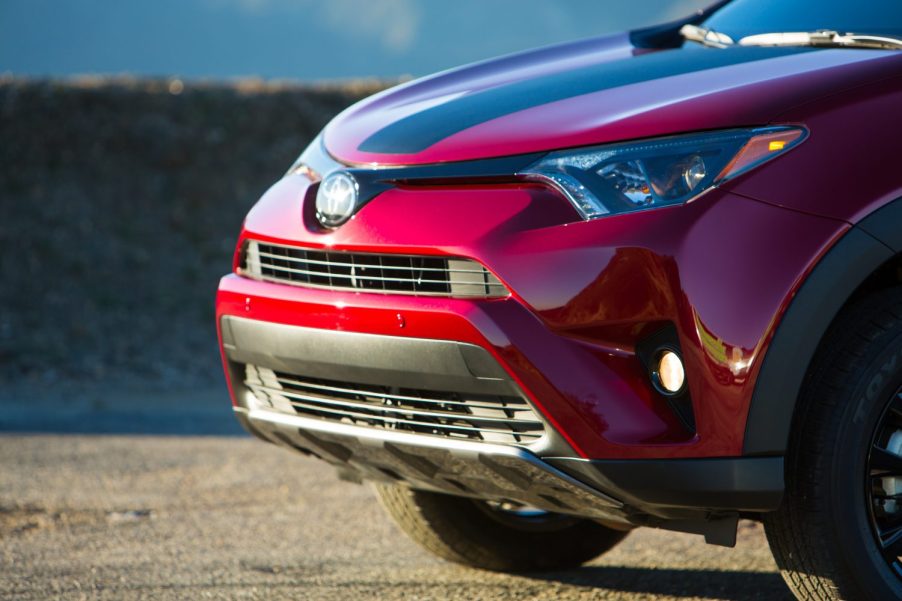
Kaitie, who posted on her TikTok account under the handle @kaitiemarielsg, turns the camera around to show the front end of the RAV4.
Oddly, the black bumper trim is melted near the Toyota badge. “It looks like someone took a heat torch [she meant gun] to my car.”
After realizing other parts of the car were also melting, Kaitie started documenting the RAV4’s condition over time. And things got much, much worse.
Two years into homeownership, the entire front bumper, trim pieces, the front emblem, both side mirrors, and the wiper blades had severe heat damage.
The odd thing is that Kaitie doesn’t live in a crazy hot zone. It’s Michigan, after all, which has daytime averages in the 70s to mid-80s in the summer.
Some homeowners are surprised to learn that their windows can accidentally damage cars parked nearby
Specifically, energy-efficient windows with low-emissivity (Low-E) glass can reflect sunlight in a way that focuses intense heat on certain spots. These windows are designed to reflect infrared light. This keeps homes cooler, sure. But under the right conditions, they can concentrate sunlight like a magnifying glass.
When that reflected light hits a car, it can create hot spots that quickly reach over 200 degrees Fahrenheit. That’s enough heat to warp or melt plastic parts like side mirrors, bumpers, and window trim. It often happens without any smoke or warning, and the damage shows up slowly over time. Owners may notice bubbling or shiny spots on the plastic and wonder what caused it.
This problem tends to occur only when everything aligns perfectly. The sun’s angle, the position of the window, the specific type of glass, and the way the car is parked all have to match up just right. Builders and insurers have seen similar damage on vinyl siding, which starts to warp around 160 degrees. That same heat level can easily affect common car materials.
“Toyota doesn’t care…my insurance wouldn’t cover it.”
In the comments, Kaitie explained that since she bought the RAV4 after the factory warranty expired, Toyota won’t cover the sun damage.
To add to the sunburn, she says they’ve been parking her fiancé’s car, a Dodge Charger, in the same spots. Nothing happened to it.
Several commenters affirmed “sun-weak” Toyota components.
“We had a Toyota in our body shop a month ago same thing was happening from there window,” one remarked.
“Toyotas are really bad about this,” another confirmed.
Still, more comments encouraged Kaitie to do something to protect the car. “Yeah they definitely won’t cover that, their paint is rated for like 150° not concentrated sun beams […]time for a repaint and a car cover.”
Drivers who notice unusual melting or warping should try moving their car to a different spot or using a car cover. Homeowners with cars susceptible to sun damage, like the RAV4, can reduce the risk by adding window screens, awnings, or plants that block or scatter the reflected sunlight.
While the issue isn’t common, it’s not rare either, and both homeowners and drivers should be aware of how it happens.
MotorBiscuit reached out to @kaitiemarielsg via TikTok direct message for comment. MotorBiscuit also sent an email to our Toyota contact for comment.