These Are the Toyota Prius Years to Avoid
The Toyota Prius, introduced to the U.S. market in 2000, revolutionized the automotive market as the first mass-produced hybrid vehicle. Combining a gasoline engine with an electric motor, the Prius quickly gained popularity for its groundbreaking fuel efficiency, reduced emissions, and forward-thinking design. Over the years, it evolved from a compact car into a hybrid offering a bit more space, comfort, and advanced technology. It became a favorite among eco-conscious drivers who valued reliability and affordability alongside environmental benefits. However, not every model year lived up to the Prius’ sterling reputation. Some years suffered from frustrating reliability issues and earned low owner satisfaction feedback. Here, we’ll discuss five Toyota Prius years to avoid due to recurring problems that affected their reliability and performance.
2007 Toyota Prius
The 2007 Prius was a pioneer in hybrid technology, but it faced significant issues, particularly with its lighting system. One of the most common complaints was about the headlights shutting off unexpectedly. Drivers reported that either one or both headlights would fail without warning, creating a safety hazard, especially at night. Replacing these high-intensity discharge (HID) bulbs was costly, often running into hundreds of dollars, and the problem would frequently recur.
Another issue with the 2007 Prius was its braking system. Many drivers experienced a delayed braking response, which could be unnerving and dangerous in emergency situations. Brake actuator failure was a known problem, requiring expensive repairs that could cost upwards of $2,000. These problems, combined with occasional electronic glitches, made the 2007 Prius less reliable compared to other years in its generation.
2008 Toyota Prius
The 2008 Prius carried over many of the same issues as the 2007 model, with the headlight problem persisting as a major source of frustration for owners. Drivers found themselves frequently replacing the HID headlights, only to face the same failure again. This issue wasn’t just inconvenient—it posed a real safety risk on the road.
Additionally, the 2008 Prius had problems with excessive oil consumption. Many owners reported that their vehicles burned oil at an unusually high rate, sometimes requiring additional oil between regular changes. This issue could lead to engine wear over time and expensive repairs if not caught early. The braking system also continued to be a weak point, with some owners complaining about inconsistent braking performance and actuator failures. These recurring problems landed the 2008 model on our list of Toyota Prius years to avoid.
2010 Toyota Prius
The 2010 Toyota Prius marked the debut of the third generation, bringing improved fuel efficiency and a sleeker design. However, this year also introduced new challenges for owners. One of the most widely reported issues was excessive oil consumption. This problem wasn’t just a nuisance; it could lead to severe engine damage if the oil level dropped too low. Owners had to monitor oil levels vigilantly and add oil frequently, which was both inconvenient and costly.
Another significant problem with the 2010 Prius was its braking system. Many drivers reported a momentary loss of braking power, often described as a “slip” or “lurch” when braking on rough or slippery surfaces. Toyota eventually issued a software update to address this issue, but not all owners reported improvements. Additionally, there were occasional reports of the hybrid engine stalling unexpectedly, which posed a safety risk and left some owners stranded. These issues contributed to a decline in owner satisfaction for this model year.
2011 Toyota Prius
The 2011 Prius continued to struggle with problems carried over from the 2010 model. Excessive oil consumption remained a prevalent issue, causing frustration among owners who had to top off oil frequently or face potential engine damage. The root of the problem was often linked to piston ring wear, which allowed oil to seep into the combustion chamber.
Braking system complaints persisted in the 2011 Prius as well. Owners frequently cited a lack of responsiveness or delayed braking, particularly in wet or uneven conditions. This was particularly concerning for a vehicle that was otherwise praised for its safety and reliability. Additionally, some 2011 models experienced electronic glitches, such as dashboard warning lights turning on without explanation or issues with the vehicle’s hybrid battery system. These problems made the 2011 Prius less desirable compared to its more reliable counterparts.
2016 Toyota Prius
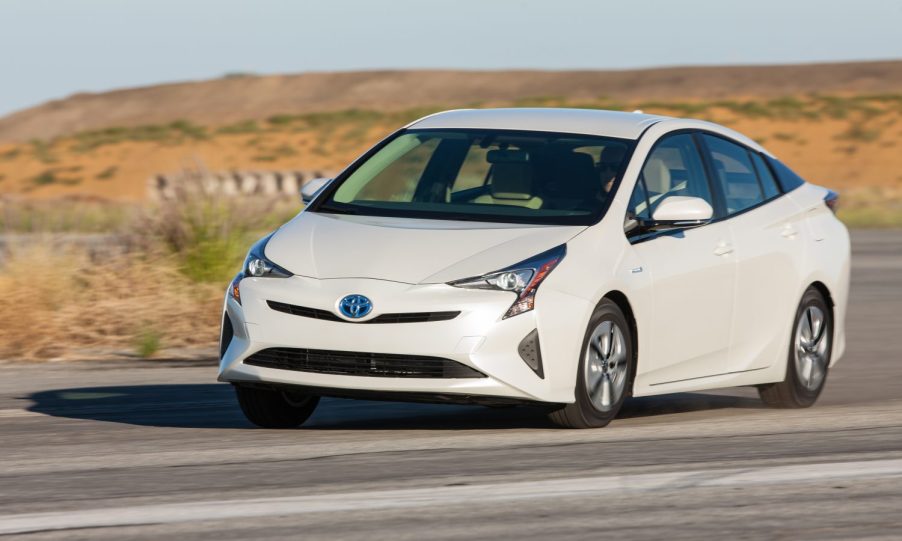
The 2016 Prius introduced a complete redesign, featuring a more aerodynamic shape and improved fuel efficiency. While it was praised for its innovative styling and tech upgrades, it wasn’t immune to issues. One of the most common complaints was about the windshield’s tendency to crack easily. Even minor impacts, such as small rocks or temperature changes, caused significant cracking. This issue led to costly repairs and frustration among owners.
Electrical problems also plagued the 2016 Prius. Some drivers reported malfunctions in the infotainment system, such as frozen screens or unresponsive controls. Others experienced issues with interior electronics, such as power windows and door locks failing intermittently. While the hybrid drivetrain was generally reliable, these smaller issues detracted from the overall ownership experience. Combined with a few recalls for manufacturing defects, the 2016 model year became a year to approach with caution despite its modernized features.
The Toyota Prius built a reputation for being one of the most reliable and fuel-efficient vehicles on the market. However, as with any long-running model, not every year has been a success. If you’re considering a used hybrid, it might be wise to steer clear of our list of Toyota Prius years to avoid due to their recurring problems and lower owner satisfaction ratings. By opting for models with better reliability records, you’re more likely to enjoy the benefits of hybrid technology without the headaches these models faced.