These Are the Toyota Corolla Years to Avoid
The Toyota Corolla has been a favorite among American drivers since its introduction to the U.S. market in 1968. Known for its reliable performance, fuel efficiency, and affordable price, this compact car became a staple in many households over the years. Toyota’s commitment to quality and innovation made the Corolla one of the best-selling cars globally, with each generation improving on the last. But while the Corolla boasts a solid reputation, not every model year hit the mark for owner satisfaction. Some years have shown more reliability issues, lower performance ratings, or concerns that have frustrated drivers. In this guide, we’ll cover the seven Toyota Corolla years to avoid based on reliability and owner satisfaction scores from trusted sources like Consumer Reports, J.D. Power, and U.S. News.
Let’s dive into our list of Corolla years to approach with caution.
2002 Toyota Corolla
The 2002 Corolla, though not terrible by all measures, came with complaints regarding engine performance and excessive oil consumption. Drivers reported frequent oil changes were necessary, which could add up in maintenance costs. According to Consumer Reports, these engine issues are known to develop early, impacting long-term reliability. While its compact size and affordability remained appealing, the added maintenance required made this model less desirable for those seeking a trouble-free vehicle experience.
2009 Toyota Corolla
The 2009 Corolla was part of the 10th generation, yet it faced numerous complaints related to steering and transmission problems. Many drivers reported that the Corolla’s electronic power steering would suddenly fail or feel unstable, leading to safety concerns on the road. J.D. Power noted lower-than-expected satisfaction ratings, likely due to these reliability and safety issues. Although Toyota made improvements in subsequent years, this model still stands out as one to avoid due to these costly repair issues.
2010 Toyota Corolla
Similar to the 2009 model, the 2010 Corolla suffered from ongoing steering and stability control issues. Drivers continued to report issues with electronic power steering, often leading to an uncomfortable driving experience. Additionally, problems with the braking system were noted by both Consumer Reports and U.S. News. These problems not only affect driver confidence but also add to long-term maintenance costs. For this reason, the 2010 Corolla doesn’t offer the worry-free ownership that many expect from Toyota.
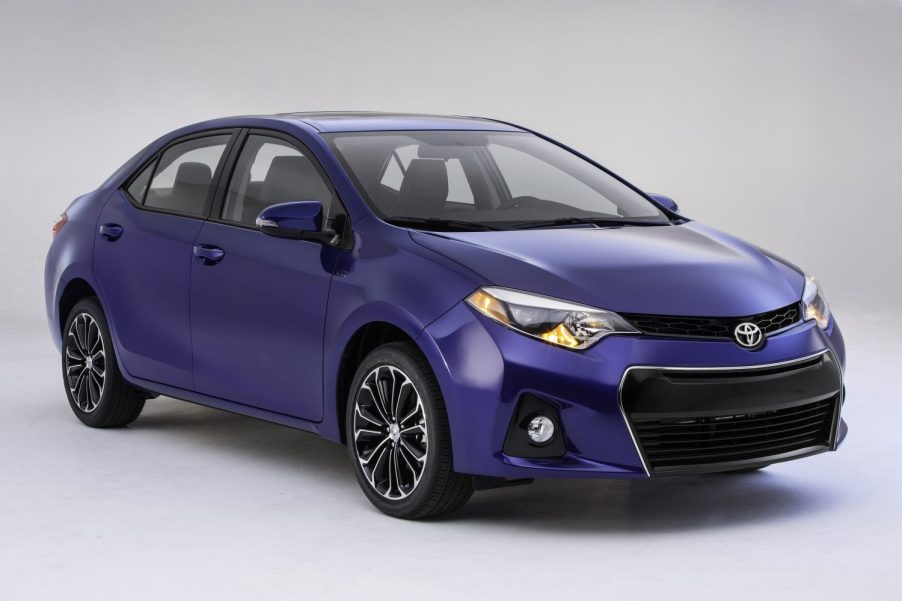
2014 Toyota Corolla
The 2014 Corolla launched the 11th generation with a fresh design and new technology. But under the hood, there were issues. Transmission problems, specifically with the continuously variable transmission (CVT), led to complaints about jerky shifting and unusual noises. Consumer Reports highlighted these CVT issues, pointing out that they affected the model’s longevity and reliability. While the 2014 still offers decent fuel efficiency, these transmission issues make it one of the Toyota Corolla years to avoid, or at least approach with caution.
2015 Toyota Corolla
The 2015 Corolla continued some of the same CVT transmission issues seen in 2014, with drivers noting unreliable shifting and occasional stalling. While the design and interior features were well-liked, the mechanical problems detracted from the overall experience. J.D. Power reported average reliability scores for this year, but the transmission problems impacted owner satisfaction. If you’re looking for a low-maintenance Corolla, the 2015 model might not be the best choice.
2016 Toyota Corolla
Though a slight improvement over previous years, the 2016 Corolla still experienced similar issues with the CVT, frustrating drivers who expected smooth performance. U.S. News reported average reliability for this model year, with several drivers complaining about issues with acceleration and shifting. While Toyota’s warranty covers some repairs, repeated visits to the dealership can be an inconvenience. Many drivers prefer the peace of mind that comes with a more dependable Corolla model, making 2016 one to skip.
2019 Toyota Corolla Hatchback
The 2019 Corolla Hatchback made waves with its sporty design and new tech features. However, it came with a set of unique challenges. Many drivers found the infotainment system glitchy, with slow responses and frequent disconnections from Bluetooth. On top of that, transmission problems persisted with the newly designed CVT, creating concerns about long-term reliability. Consumer Reports noted that while this model year had impressive design updates, these tech and transmission issues ultimately made it less appealing for those seeking Toyota’s traditional reliability.
While we’re on the subject: If you’re looking to buy a good used Corolla, check out MotorBiscuit’s seamless buying tool to compare prices and find the best deal in your area.
The Toyota Corolla is a beloved, dependable car for millions, but a few model years missed the mark in terms of reliability and satisfaction. By avoiding the models above, you can save yourself from frequent maintenance headaches and enjoy the consistent performance Toyota is known for. When looking for a used Corolla, stick to the highly-rated years that offer peace of mind and an enjoyable driving experience.