15 Toughest Routes in Commercial Aviation
Flying is incredibly complex and challenging, requiring immense skill, precision, and split-second decision-making from pilots. While modern aircraft are marvels of engineering, certain routes around the world pose unique difficulties that test even the most experienced aviators. These 15 commercial air routes are considered among the toughest for pilots to navigate.
Paro Airport, Bhutan
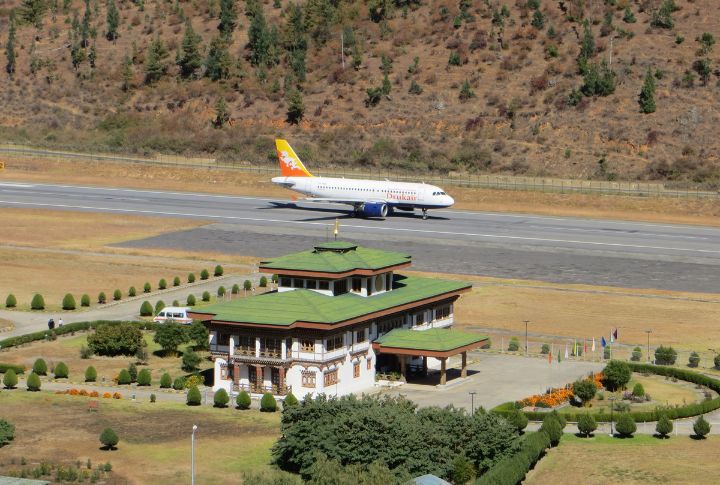
The approach to Paro Airport in Bhutan is known for its difficulty. Found in a deep valley surrounded by 18,000-foot mountains, the airport’s short runway demands exceptional skill from pilots. Only a select few are certified to land here, as the approach requires making tight turns and managing altitude changes in a constrained space.
Courchevel Airport, France
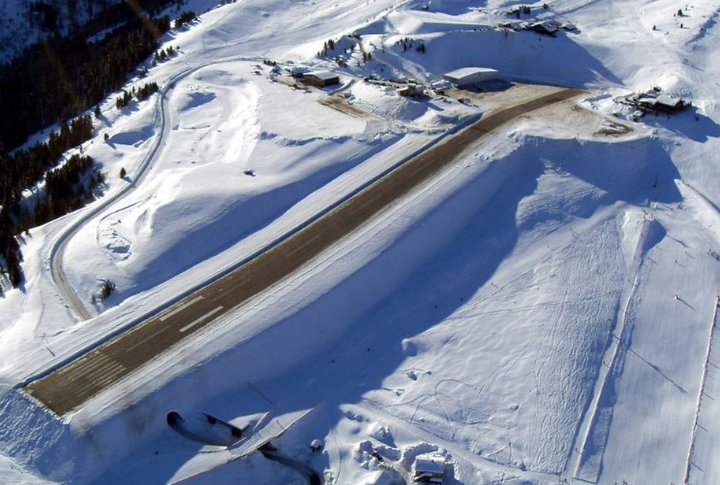
Tucked away in the French Alps, Courchevel Airport presents unique challenges. With an altitude of over 6,500 feet and a short 1,700-foot runway featuring an 18.5% downward slope, pilots must land flawlessly on their first attempt. The lack of lights and instrument aids further complicates landing, particularly in the area’s often poor weather conditions.
Funchal Cristiano Ronaldo Airport, Portugal
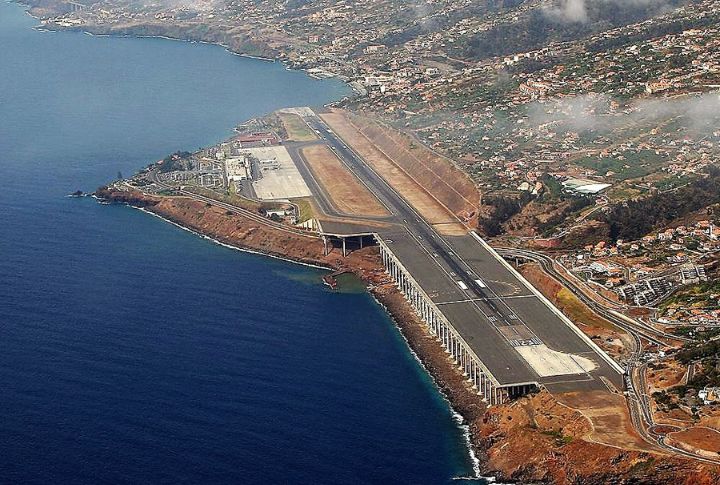
Funchal Cristiano Ronaldo Airport, set on Madeira’s scenic island, might seem less risky than mountain airports. Yet, its coastal position brings strong, gusty winds, making landings tricky. Pilots undergo special training to manage these crosswinds and turbulence, and despite its extended runway supported by 180 pillars over 50 meters high, it’s still a challenging Category C airport.
Saba Airport, Dutch Caribbean
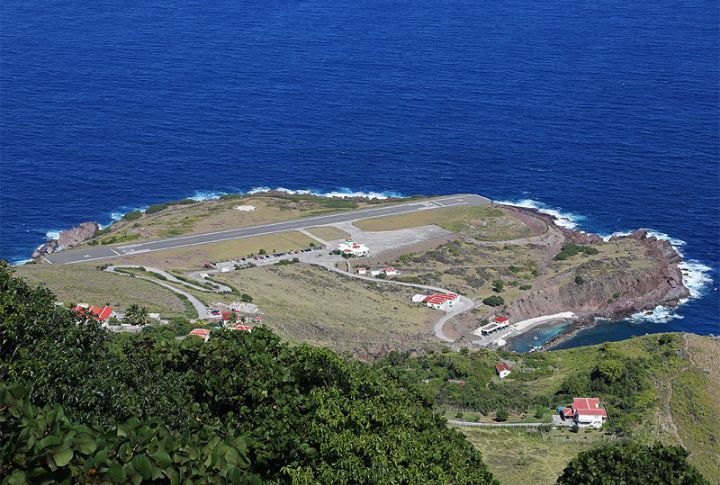
Famous for being the world’s shortest commercial runway at just 1,312 feet, it allows only 1,263 feet for landings and takeoffs due to displaced thresholds. The runway’s proximity to the sea and strong crosswinds make operations challenging. Nevertheless, the airport, which has been operating since 1963, has an impeccable safety record.
Narsarsuaq Airport, Greenland
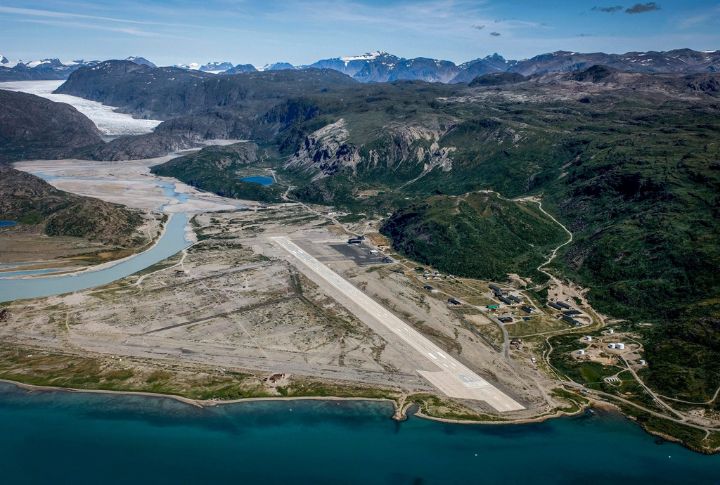
This Greenland’s southern gateway contends with severe weather challenges. Its low elevation and fjord setting expose it to strong winds, frequent fog, and extreme cold, which cause runway icing and snow buildup. Volcanic activity also poses a risk, with ash clouds that can impair visibility and aircraft safety.
Tenzing-Hillary Airport, Lukla, Nepal
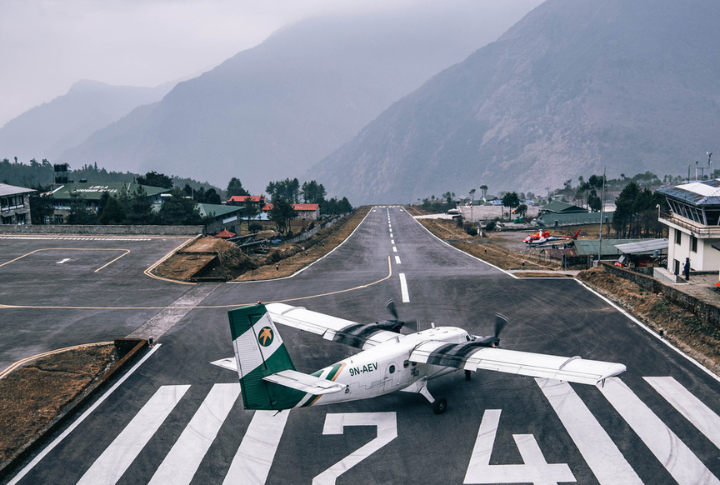
Navigating this flight path is tricky because Lukla’s runway is short, uphill, and perched on a cliff. Pilots face the challenge of tight turns amidst high mountain peaks, often in unpredictable weather, making each landing and takeoff a precise maneuver. The combination of these factors makes flying here a unique and demanding experience.
Barra Airport, Scotland
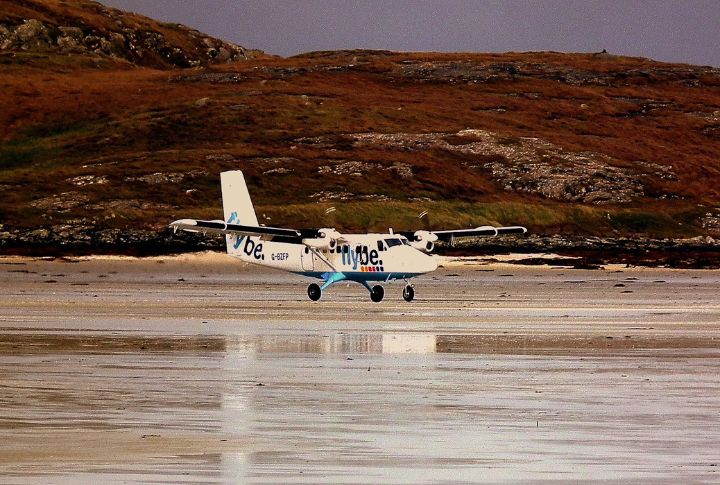
Barra Airport is unique in that its runway is located on a tidal beach. This means that landings are only possible during low tide, adding an element of unpredictability. Pilots must be vigilant about timing their approaches to avoid the changing tides.
Toncontín International Airport, Honduras
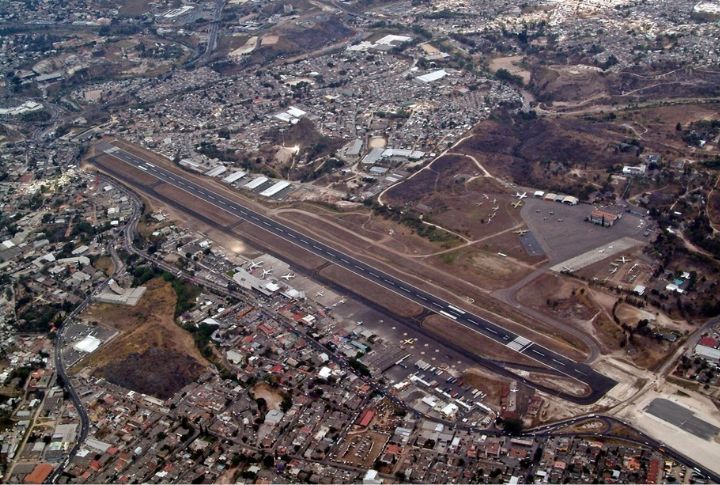
Because this airport has a short runway, pilots are forced to move through a narrow valley. The surrounding mountainous terrain adds to the difficulty, requiring a rapid drop in altitude. This combination makes landing here a unique and demanding experience for pilots.
Wellington International Airport, New Zealand
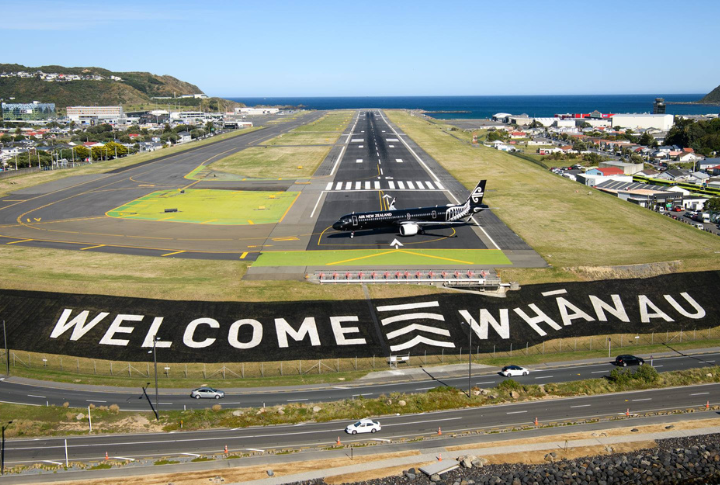
Featuring a single 6,351-foot runway that seems to stretch right into the water, this is a tough one too. Pilots often need to navigate the gusty winds and mountainous approach, making landings tricky. After touching down, you might find yourself battling powerful gusts that feel like a mini hurricane.
Tioman Airport, Malaysia
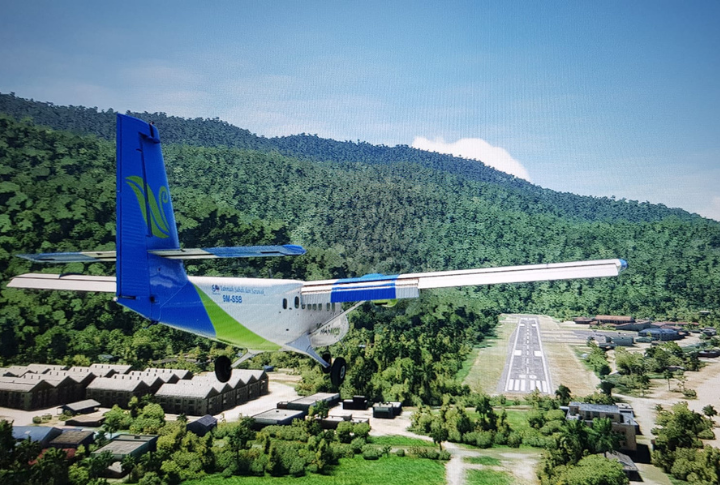
When landing at Tioman Island, pilots face a tricky maneuver: they first head directly toward a mountain, then swiftly make a sharp 90-degree turn to line up with the runway. The approach is rapid and precise because the runway ends abruptly at a cliff that drops steeply into the ocean.
Congonhas Airport, Brazil
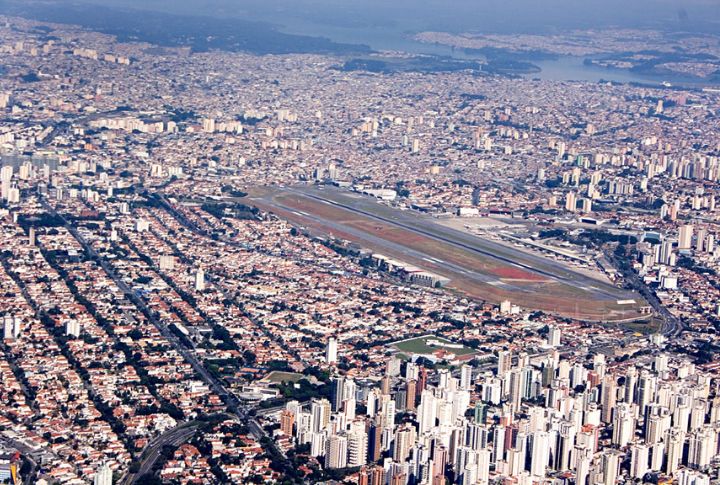
Sao Paulo’s Congonhas airport is notorious among pilots for its short runway and tricky approach. Located in the heart of the bustling city, it feels like you’re skimming over skyscrapers as you touch down. To make matters worse, the runways are famously slippery, leading to many serious accidents.
Reagan National Airport, Washington D.C.
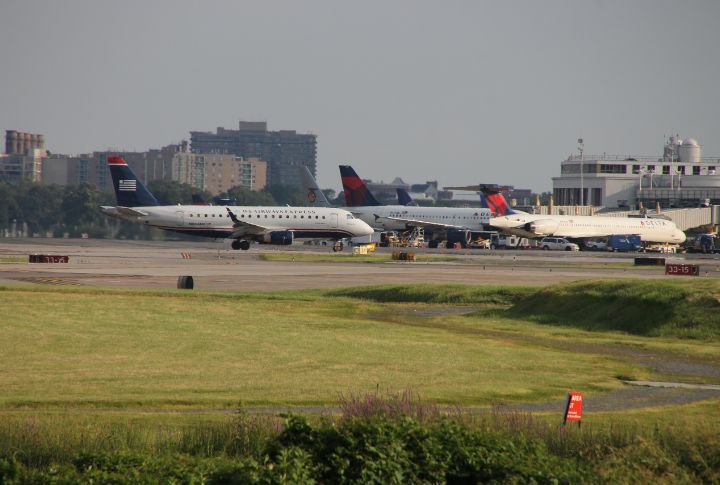
Pilots must use the “River Visual” approach to land at Reagan National, flying close to the Potomac River. This requires strict noise control and adheres to tight airspace limits. It’s a precise maneuver that ensures minimal disturbance and safety.
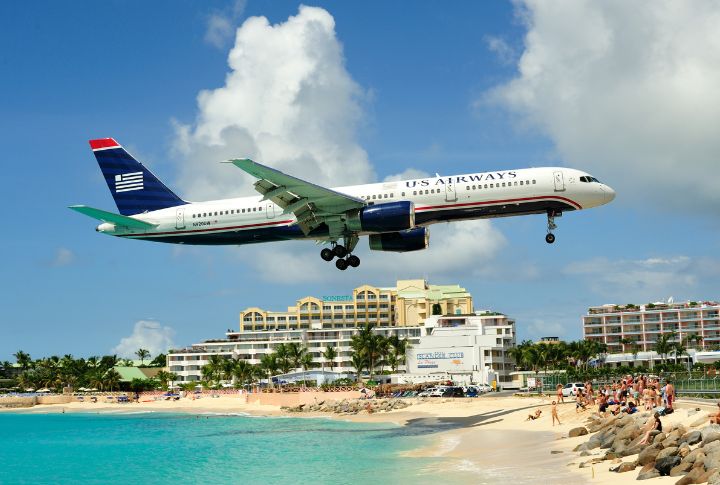
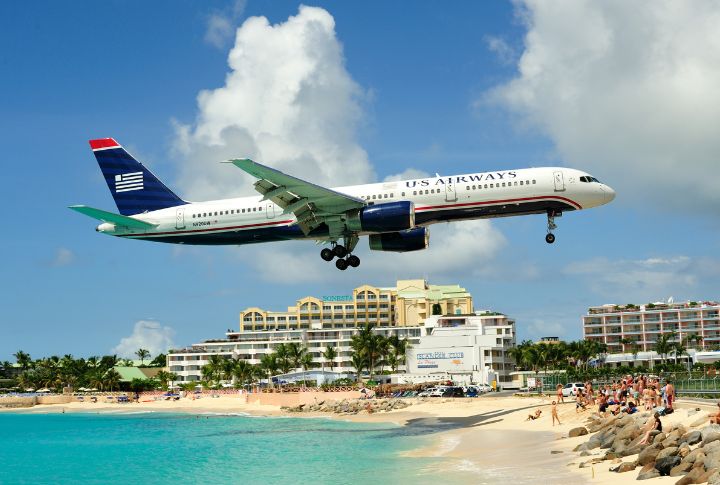
Princess Juliana International Airport, Sint Maarten

A busy road and a popular beach are near the runway at Princess Juliana International Airport in Sint Maarten. Besides the challenging crosswinds from the Caribbean island, pilots must land precisely in order to avoid overshooting.
Matekane Air Strip, Lesotho
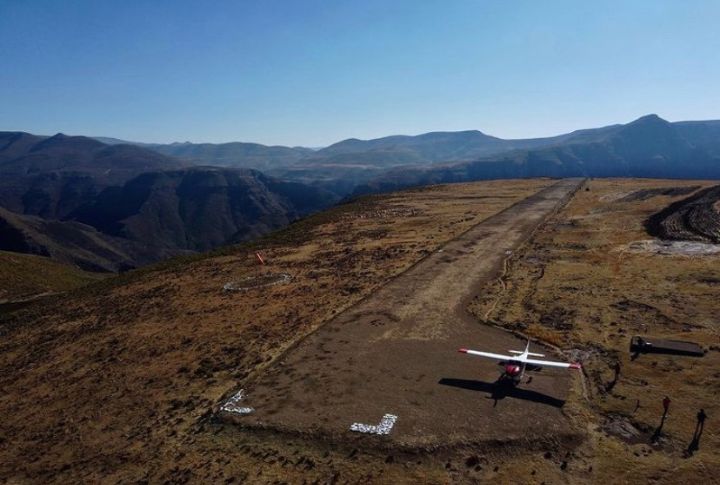
As one of the world’s most dangerous airports, the 1,312-foot runway sits on a cliff with a 2,000-foot drop at the end. One needs to land precisely on the short strip surrounded by mountains. Its location in the Maluti Mountains also means difficult wind conditions, especially in winter.
Gisborne Airport, New Zealand
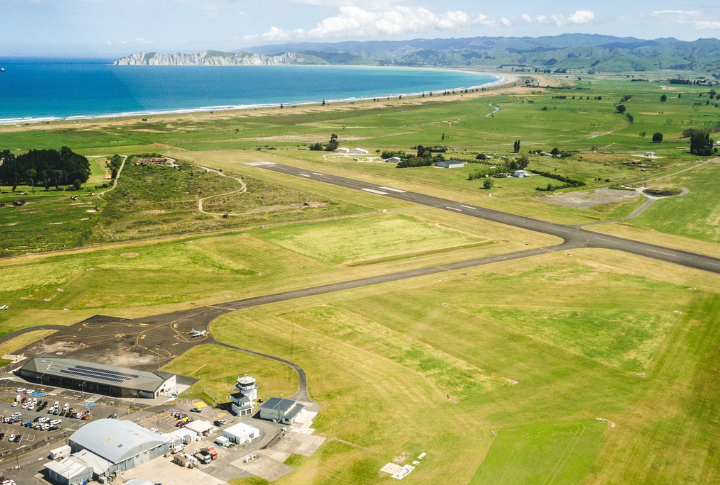
Notorious for its harsh crosswind conditions, this 6,562-foot runway lies on a peninsula between the Pacific Ocean and Poverty Bay. Pilots face sudden wind shifts and gusts that complicate landings. Additionally, the area is prone to challenging weather, such as fog and heavy rain.