15 Things You Probably Didn’t Know About The SR-71 Blackbird
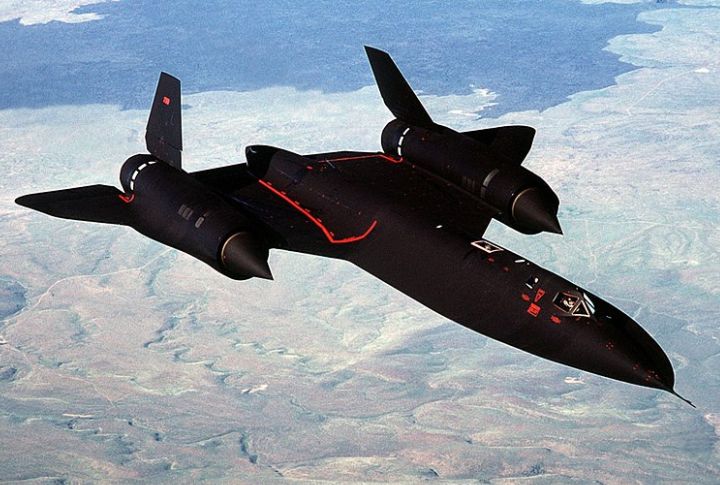
The Cold War lasted several decades and was characterized by political, military, and technological rivalry between the United States and the Soviet Union. This era gave rise to rapid advancements in aerospace technology. Amidst this high-stakes competition, the SR-71 emerged as a long-range reconnaissance aircraft. Here are some lesser-known facts!
A Black Project
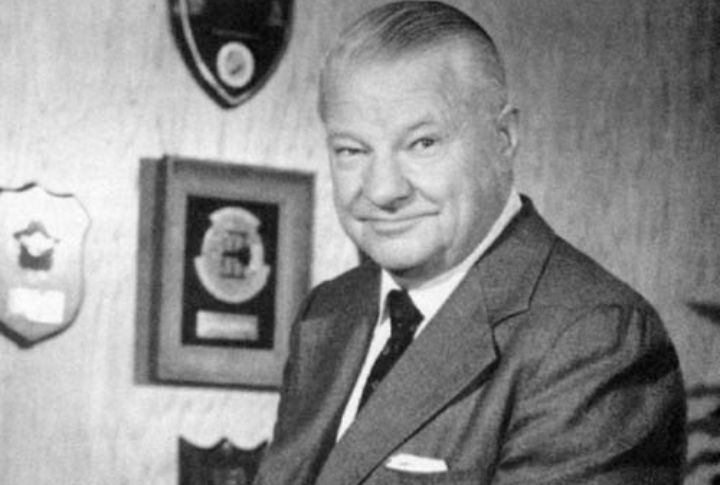
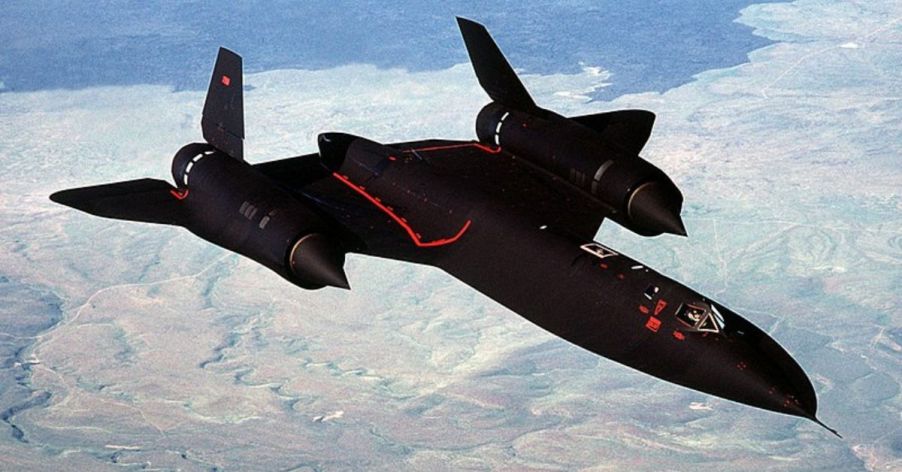
The SR-71 Blackbird was born out of Lockheed’s highly secretive Skunk Works division, a legendary engineering group responsible for some of the most advanced aircraft ever designed. It was a black project developed by Clarence “Kelly” Johnson, which means that it was highly classified.
Nicknamed “Habu” By Crews
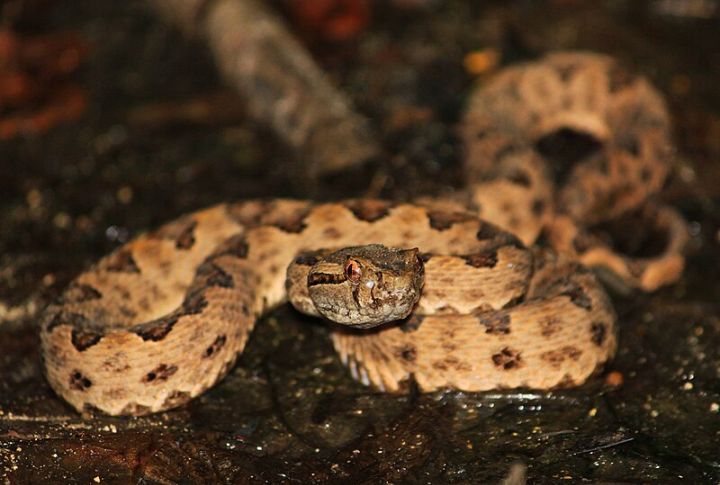
Pilots often called it the “Habu,” a reference to a venomous snake found on the Okinawan islands where the plane was stationed. The Habu snake, like the SR-71, was fast, sleek, and dangerous, making the nickname a fitting tribute and further adding to its mystique and legendary status.
Designed For Cold War Reconnaissance
Built with the Cold War’s intense espionage demands, this aircraft gathered intelligence over hostile territories without engaging in combat. Its high-altitude, high-speed design allowed it to fly deep into enemy airspace to capture data on military installations, troop movements, and infrastructure.
Fastest Manned Jet In The World
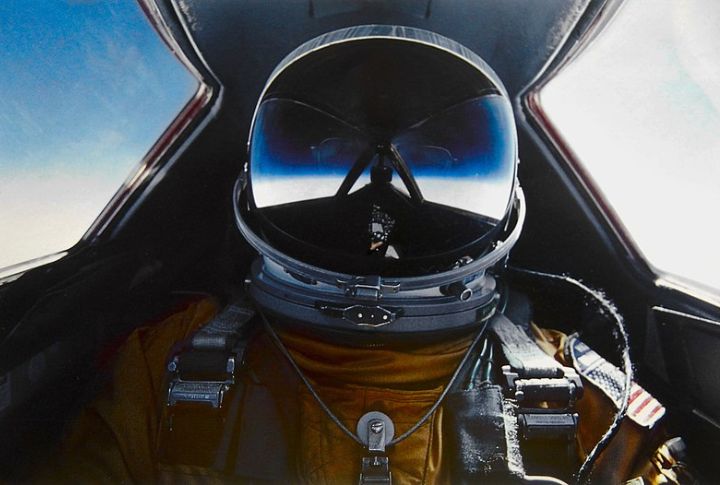
As the fastest manned jet plane ever built, it exceeded Mach 3—three times the speed of sound. To put that into perspective, it could fly from Washington, D.C., to Los Angeles in over an hour. This extraordinary speed made it virtually untouchable by contemporary fighter jets and surface-to-air missiles.
High-Altitude Performance
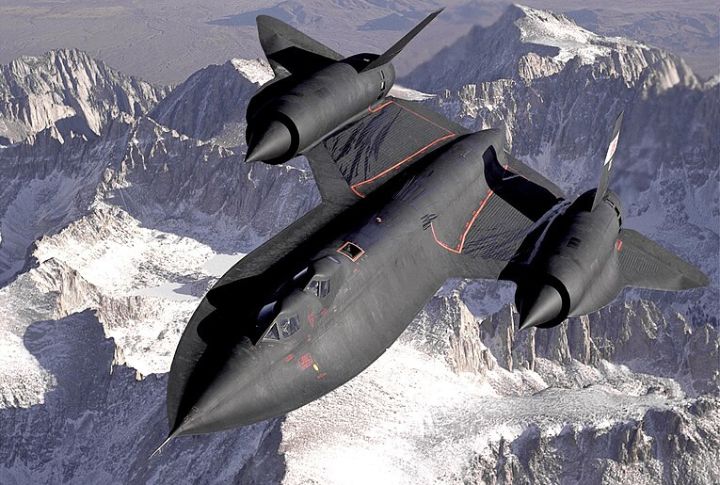
In addition to its record-breaking speed, the Blackbird was built to fly at extremely high altitudes. Officially operating at 85,000 feet, it is likely higher in classified missions. At these heights, the jet could soar above conventional threats, including surface-to-air missiles and radar detection systems.
Outrunning Missiles With Ease
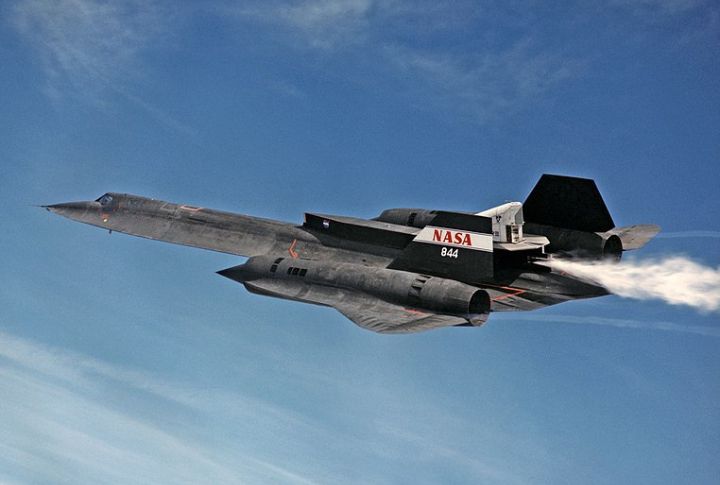
More than 4,000 missiles were fired at the Blackbird during its years of service, none of which ever hit their mark. The aircraft’s blistering speed and high altitude made it nearly impossible to intercept, as by the time a missile locked onto it, the SR-71 had already moved out of range.
Built With Heat-Resistant Materials
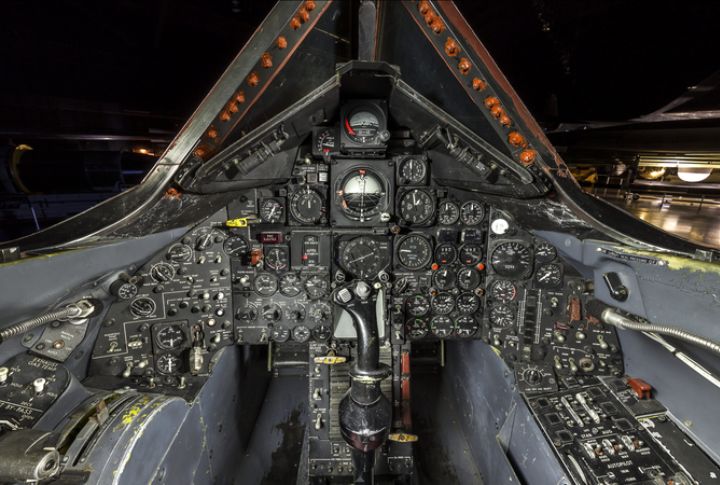
The Blackbird was constructed from titanium alloys to withstand the extreme heat of the airliner’s high-speed flights. Unique materials were required to ensure the cockpit remained safe for the crew while providing clear visibility. So, the windshield was made from quartz and coated with a gold film to help dissipate heat.
Only 32 Units Built
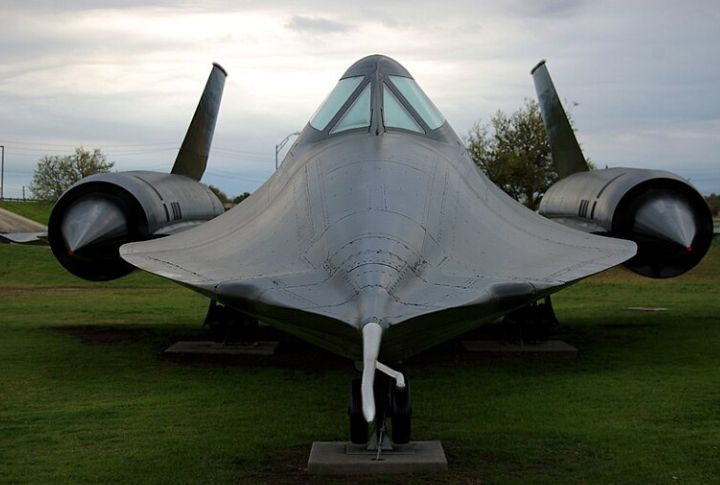
During its production run, 32 SR-71 units were built in total. Despite the aircraft’s impressive capabilities, its design’s complexity and the high production cost limited the number that could be manufactured. Of the 32 built, 12 of these models were lost in accidents over the years, though none were lost to enemy fire.
Stealth Features Ahead Of Its Time
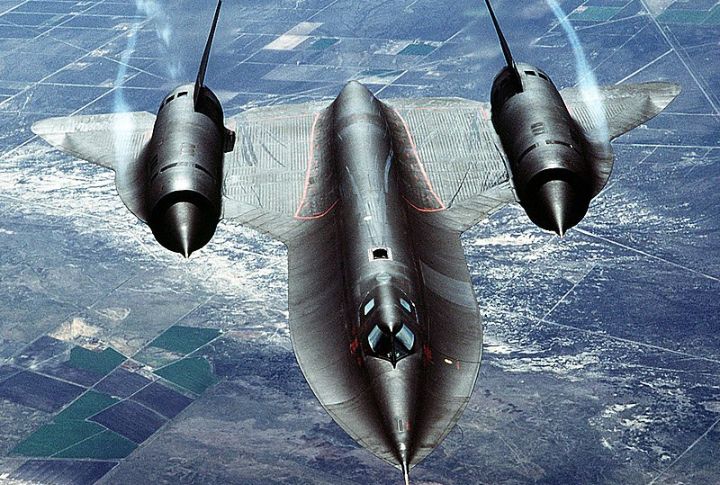
While not an actual “stealth” airliner in the modern sense, this high-altitude jet was designed with several features that reduced its radar signature, while enemy radar systems couldn’t detect it. Its long, sleek design and unique radar-absorbing paint helped it evade detection, especially when flying at high altitudes.
Special JP-7 Fuel
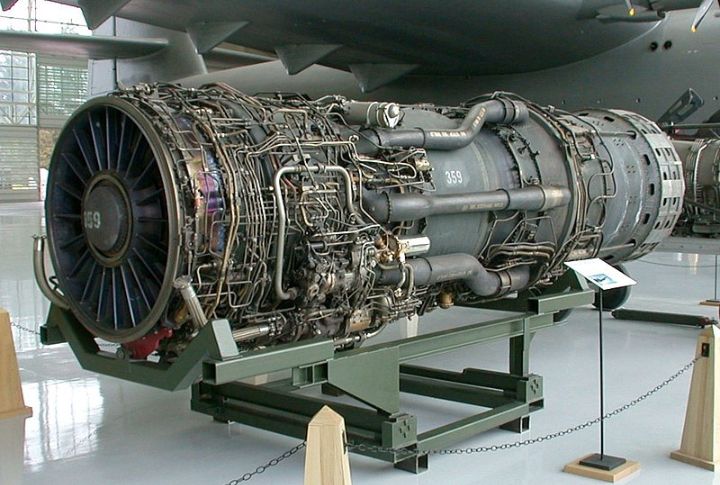
The SR-71 required a specialized fuel known as JP-7, developed to withstand the extreme temperatures generated during high-speed flight. Unlike conventional fuel, JP-7 had a high flash point and wouldn’t ignite under intense heat. The fuel tanks would often leak on the ground, as the aircraft’s skin would expand and seal at high temperatures.
Frequent Mid-Air Refueling
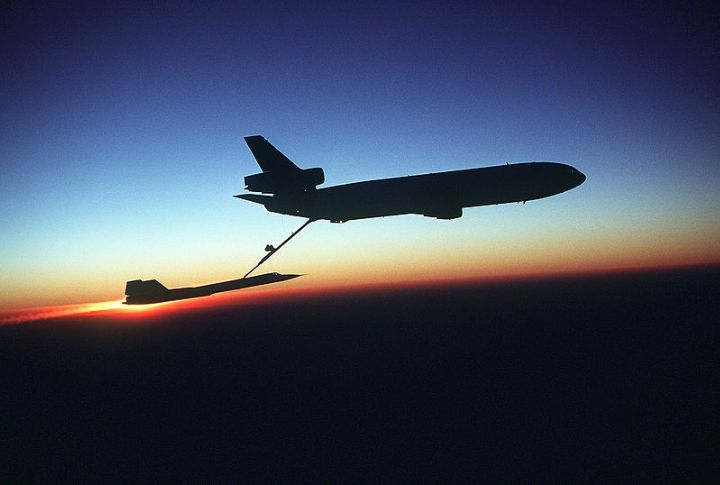
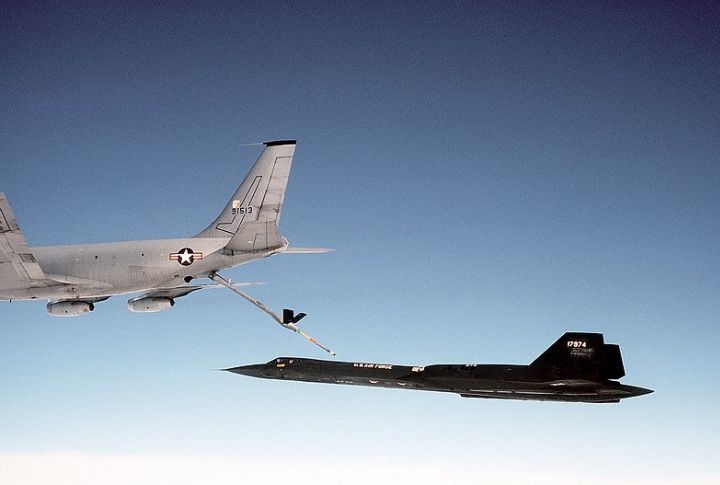
Due to its enormous fuel consumption, the SR-71 Blackbird often required mid-air refueling shortly after takeoff to extend its operational range. The refueling process, carried out by specialized tanker aircraft, allowed it to remain airborne for hours and cover vast distances without landing.
Speed Record In 1976
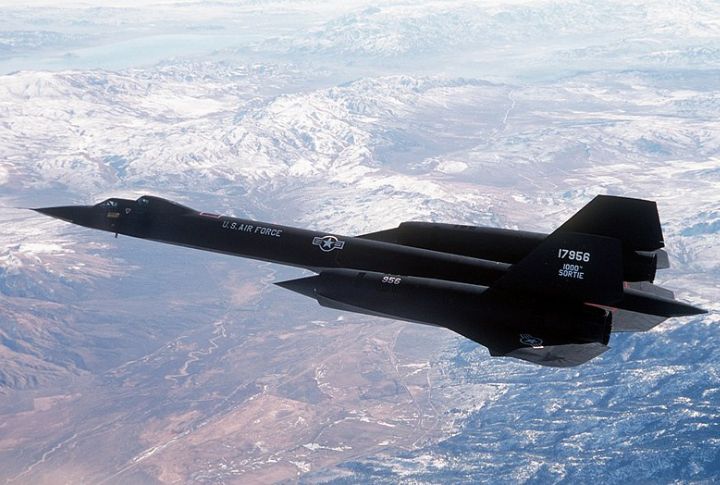
On July 28, 1976, this plane set an official world speed record of 2,193 mph, which still stands for manned air-breathing aircraft. This achievement underscored its unmatched capabilities in speed and performance. Despite technological advancements, no manned aircraft has surpassed this speed.
Vital Intelligence
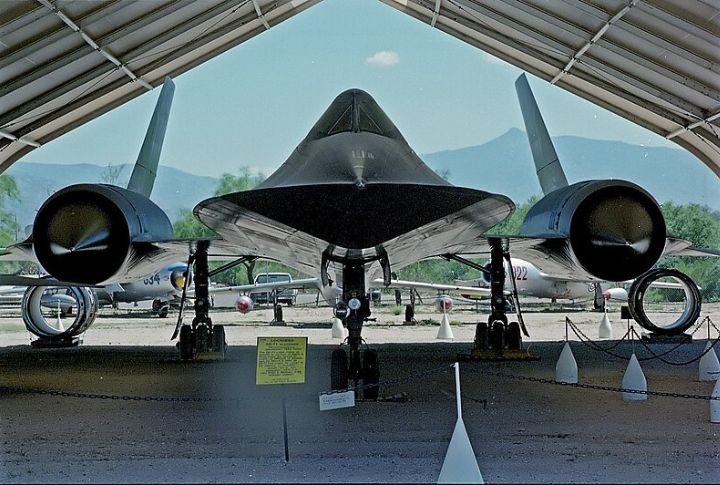
The SR-71 Blackbird played a significant role in gathering intelligence during conflicts, such as the Vietnam War and the Yom Kippur War. All the data and intelligence collected helped shape U.S. military strategies and provided vital information about enemy movements, troop deployments, and infrastructure.
Decommissioned In 1998
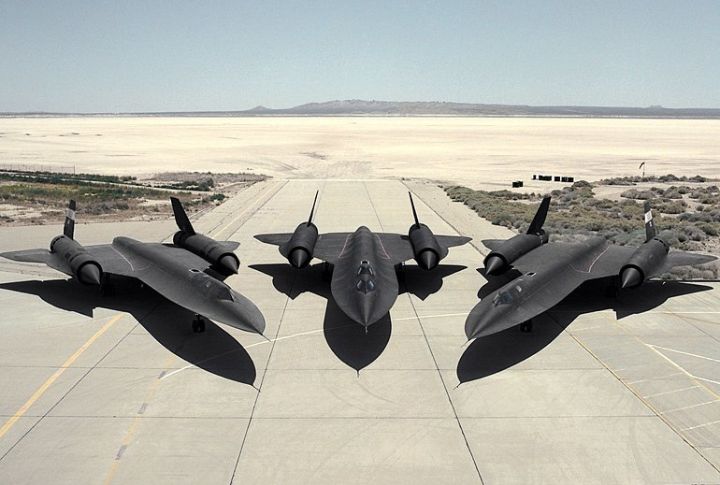
After over 30 years of service, this reconnaissance aircraft was officially retired in 1998. In spite of its unmatched capabilities, advancements in satellite technology, and the high operation costs led to its decommissioning. The end of the Cold War also diminished the need for such high-speed airliners.
Influenced Future Aircraft Designs
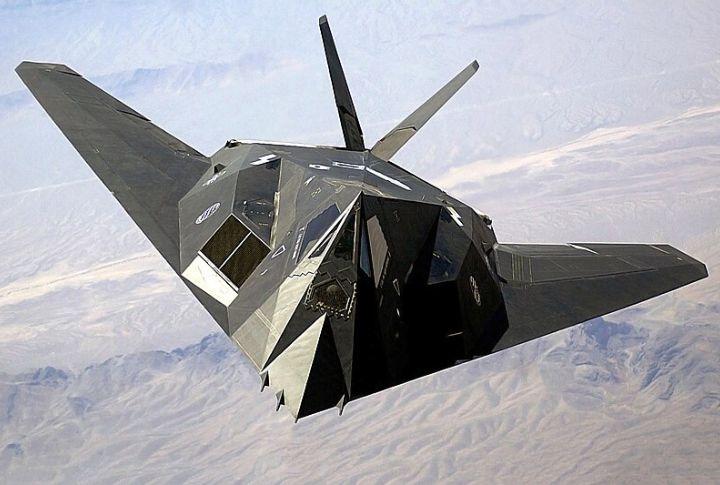
The SR-71 left a lasting legacy in the aerospace world. Its influence can be seen in subsequent aircraft, particularly regarding stealth, speed, and high-altitude performance. The lessons learned from this one contributed to the evolution of stealth fighters like the F-117 Nighthawk and high-speed drones.