10 Things To Know About Chrysler’s Iconic Lopsided Engine
At first glance, it didn’t look quite right. Angled and awkward, Chrysler’s infamous engine defied expectations and still managed to dominate the road. What it lacked in symmetry, it made up for in other ways. Curious how a lopsided engine became a legend? The ten points ahead set the record straight.
Durability That Felt Almost Unfair
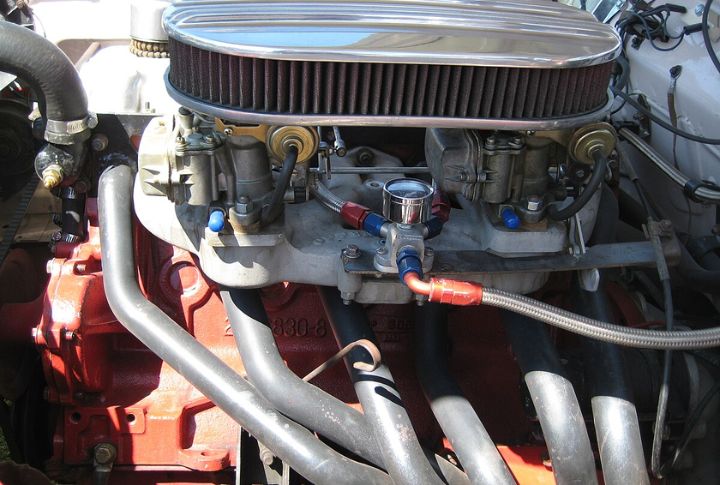
Slant-6 engines were notoriously overbuilt. The forged crankshaft, strong block casting, and low-stress output meant some ran for hundreds of thousands of miles. Mechanics joked you could run one without oil for a little while, and it’d still drive you home.
That Tilt Was Brilliant
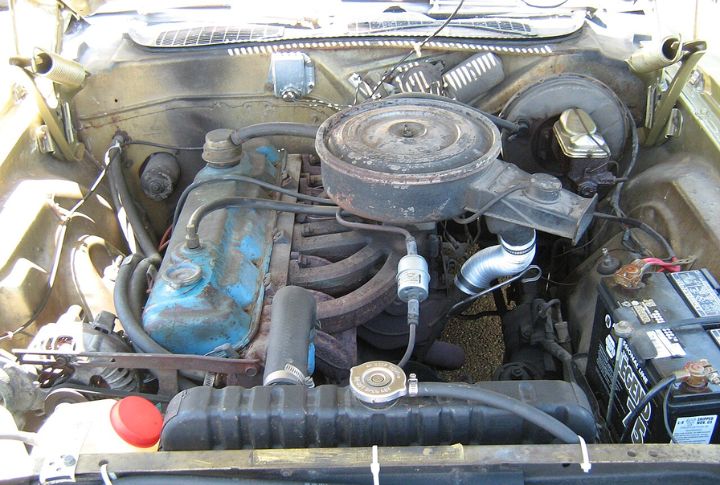
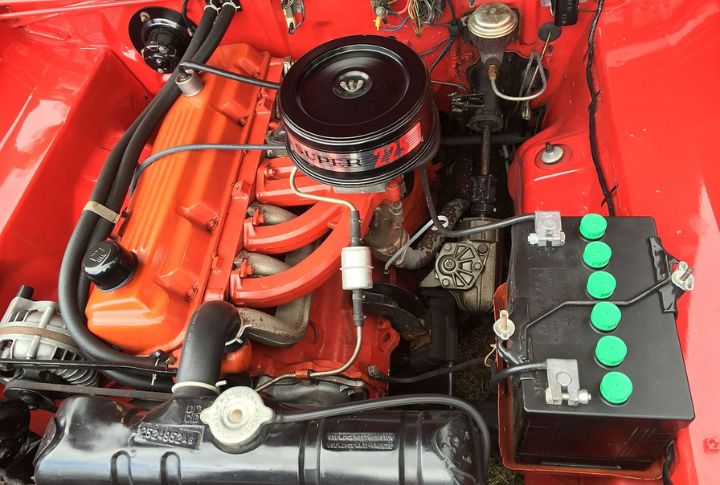
Angling the engine let engineers use longer intake runners, which improved low-end torque. That meant better fuel efficiency and smoother performance, especially in stop-and-go driving. It was clever packaging that gave economy cars some surprising pull, even when fully loaded with family or cargo.
Affordable, But Not Cheap
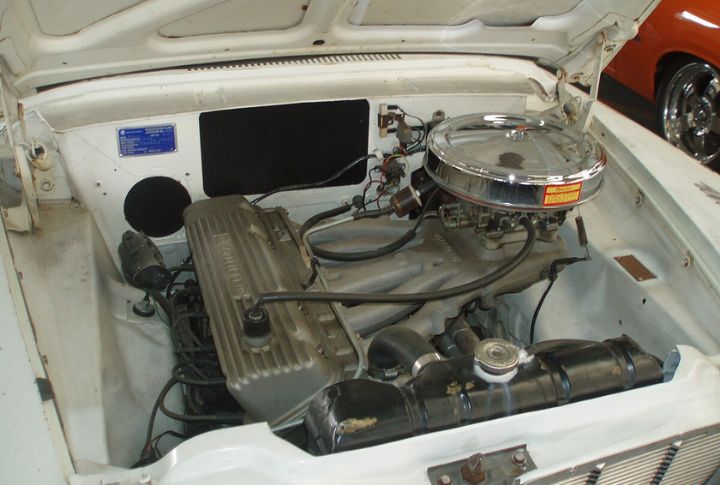
The Slant-6 powered everything from low-end Dodge Darts to Plymouth Valiants. It was known as a “blue-collar engine” because it kept things simple and rarely broke. Despite being inexpensive to build, it didn’t cut corners in reliability or parts quality.
Made For Tinkerers
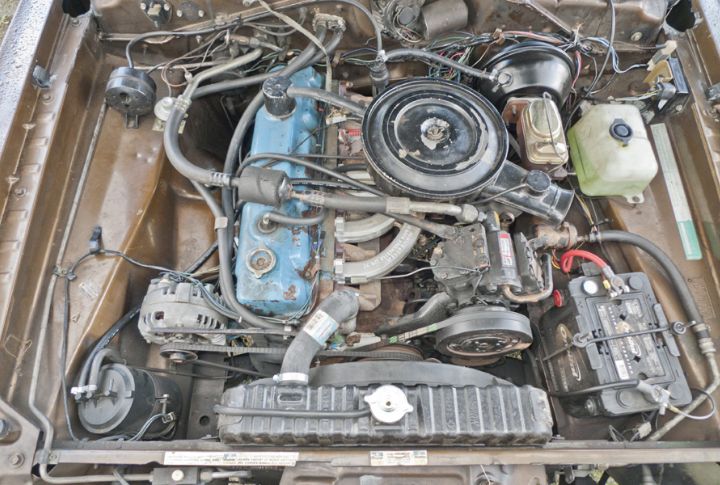
Backyard mechanics loved the Slant-6. Its accessibility made tune-ups easy, and its forgiving nature meant you didn’t need to be a pro. Need to swap a water pump? A couple of tools and an afternoon would do. It became a favorite for first-time restorers.
The 225 Was The Sweet Spot
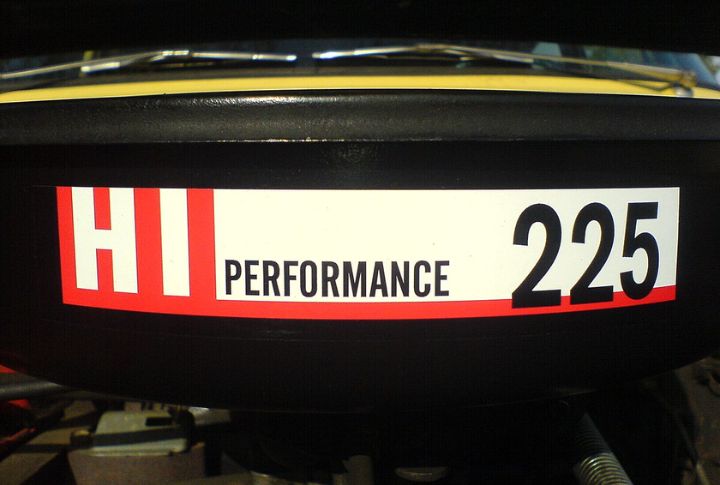
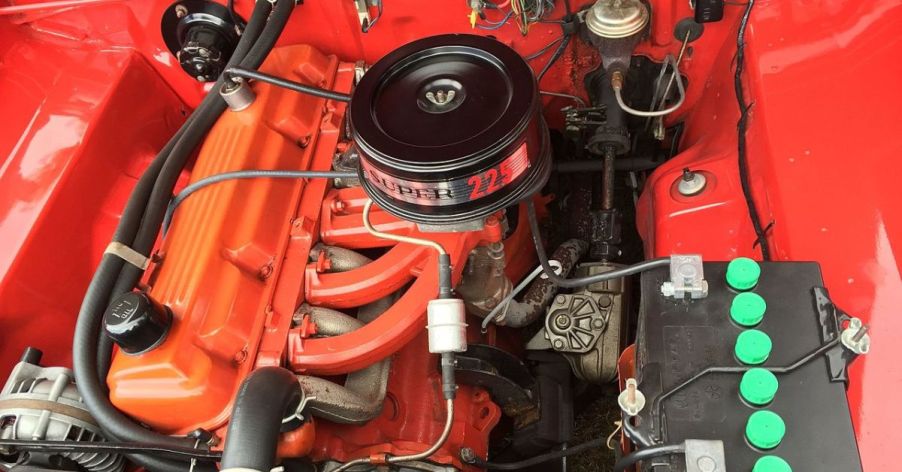
Of all the sizes, the 225-cubic-inch version stood out. With solid torque and reliability, it became the go-to for longevity. While it didn’t scream horsepower, it never quit. That 225 gave Chrysler an engine that quietly outlived flashier, bigger-name competitors on the road.
Taxi Fleets Loved It
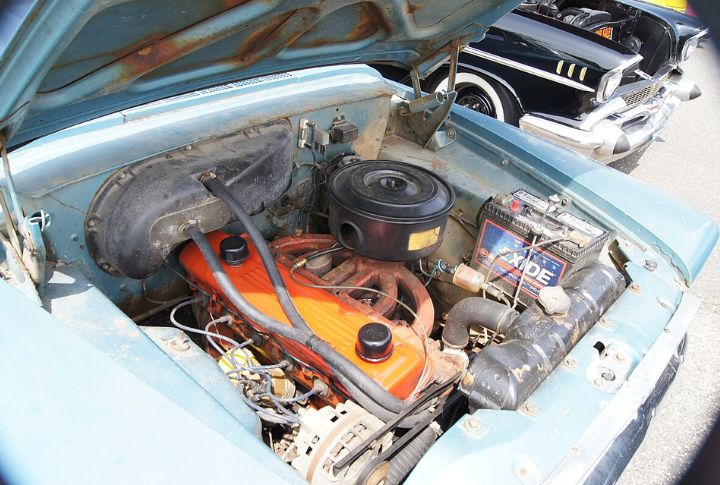
Fleet managers valued the Slant-6 because it didn’t complain. Taxis in cities like New York ran these engines for years, logging hundreds of thousands of miles before retirement. Its cold-weather starts and easy maintenance made it an obvious business choice.
Even Racers Took Notice
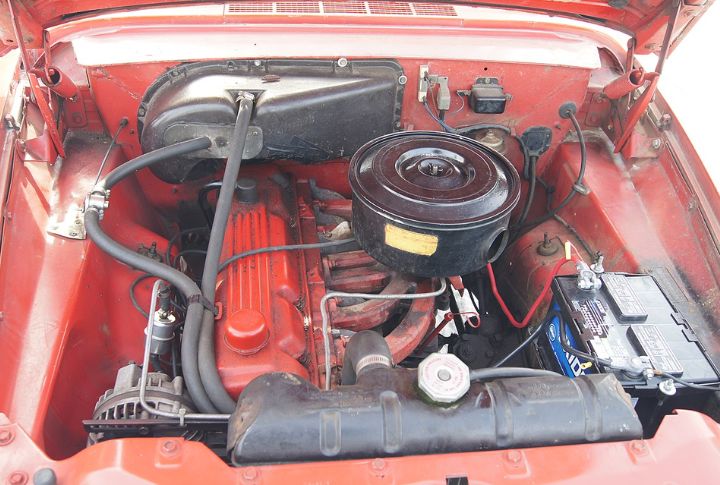
While not designed for performance, enthusiasts experimented with turbocharging and dual carb setups. The 170 and 225 versions could be modified for quarter-mile fun. Some racers ran 13-second passes with the “leaning tower of power”—a nickname born from both admiration and its visual tilt.
It Survived The Oil Crisis
In the ’70s, when gas mileage became a priority, the Slant-6 held strong. Its ability to deliver decent MPG without sacrificing engine life gave Chrysler a serious edge in a shifting market. No extra electronics, just clever engineering and timeless reliability.
It Wasn’t Always Quiet

Slant-6 engines made a distinctive sound—part mechanical whir, part raspy idle. Drivers who owned one can still recognize it today. While not refined like European engines, it carried a working-class charm that made it instantly recognizable, especially at idle or pulling off the line.
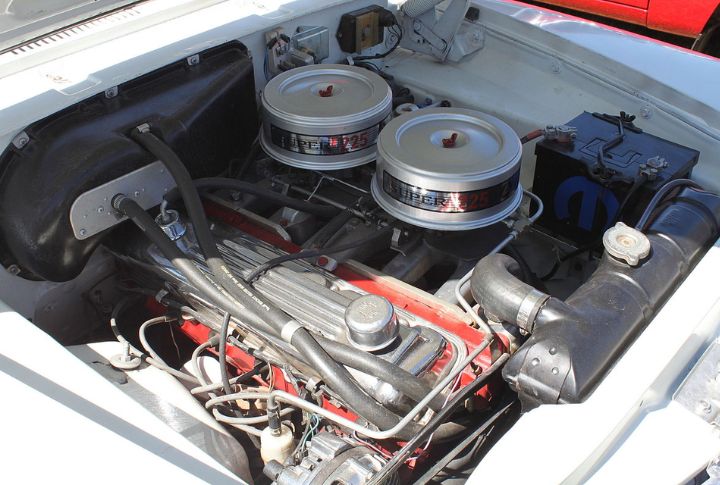
The Factory Race Version Was Wild
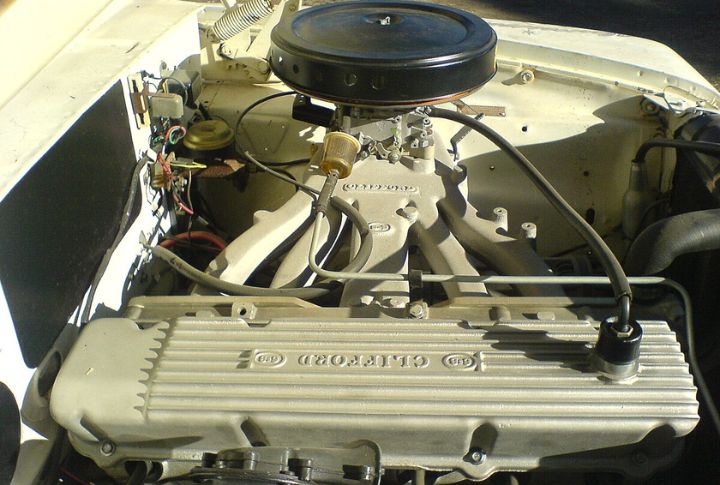
In 1962, Chrysler experimented with a Hyper-Pak version. It came with a four-barrel carburetor and performance intake. Installed in a light Valiant, it could embarrass V8s off the line. Though rare, these factory tweaks showed how much hidden potential the design held.