10 Things That Make The F-Series Engine Special
There’s a reason Honda’s F-Series engines command respect across garages and tracks. Designed with balance in mind, these powerplants offer more than just reliable revs. They blend high-revving excitement with everyday usability in ways few rivals manage. Let’s explore what really sets these underrated motors apart.
Robust Block Design With Iron Sleeves
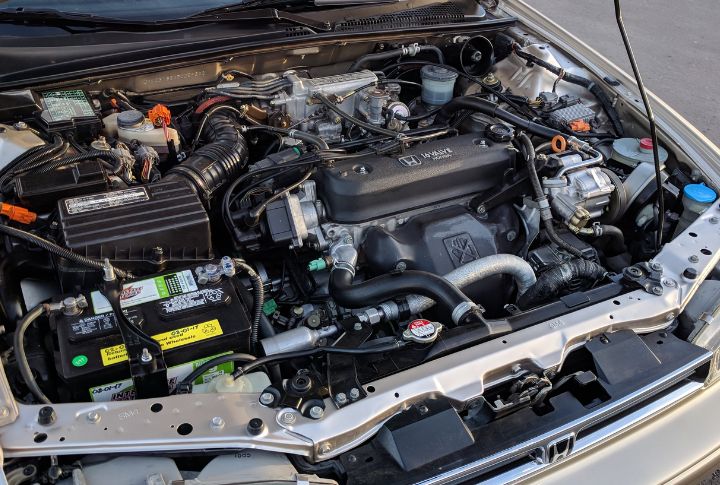
Durability comes built in. F-Series engines use cast iron sleeves inside aluminum or iron open-deck blocks to manage heat and resist wear. The F23A1, in particular, is known to handle turbo setups pushing 230 whp. That makes it a favorite for high-mileage reliability and serious performance experimentation.
Versatile SOHC And DOHC Configurations
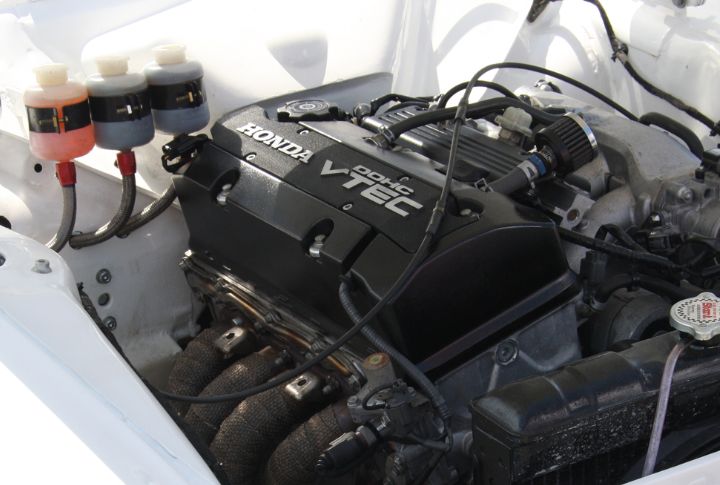
Honda didn’t limit the F-Series to one setup. Drivers could pick between SOHC (Single Overhead Camshaft) engines like the F22B1 for efficiency or DOHC (Dual Overhead Camshaft) options like the 200 hp F20B. This kind of flexibility opened doors for both daily drivers and tuners looking to pull more power without needing a swap.
VTEC Technology Integration
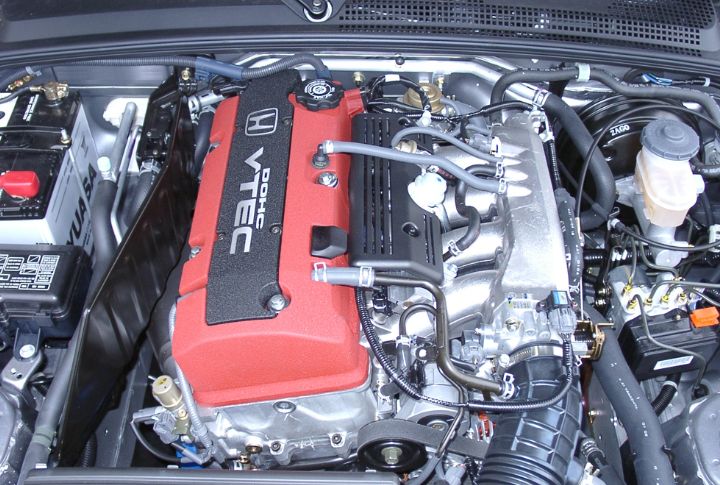
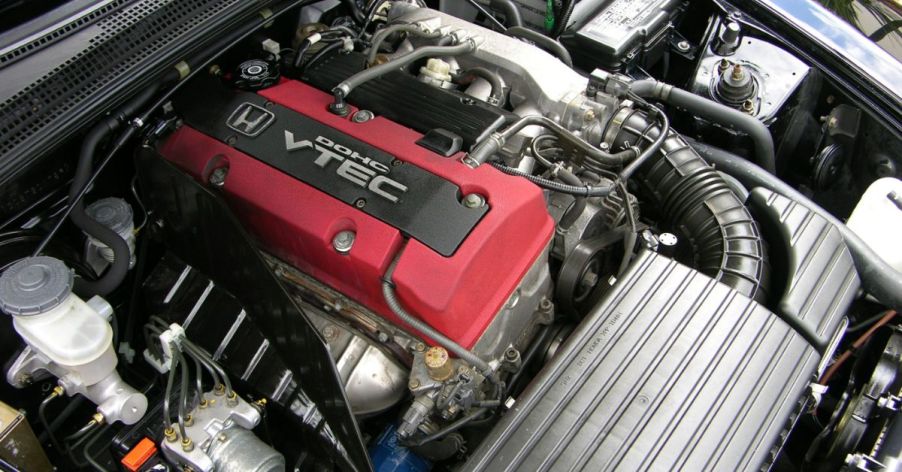
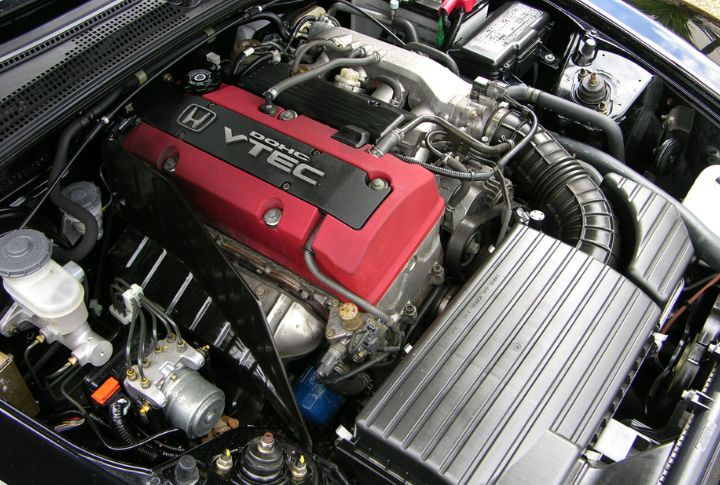
Early F-Series models were among the first to display Variable Valve Timing and Lift Electronic Control, also known as VTEC. In the F22B1, VTEC-E prioritized fuel savings. The F20C took things to another level, revving to 9,000 rpm and producing 240 hp. That’s 123.5 hp per liter—legendary numbers for a naturally aspirated production engine under six figures.
Non-Interference Design (Most Models)
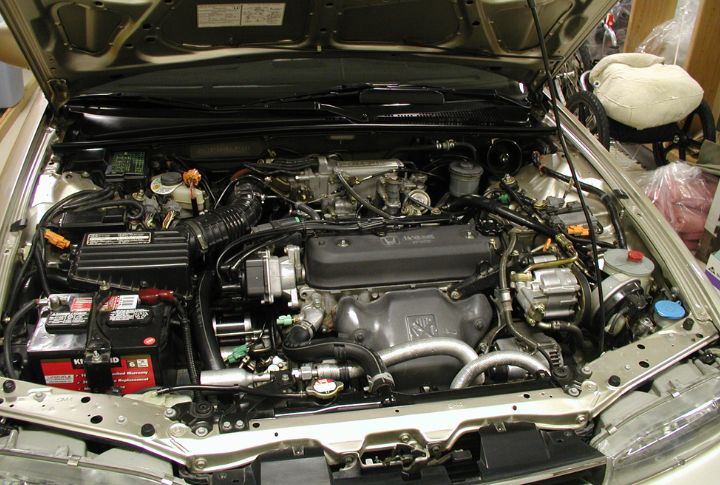
Engines like the F18A and F22B2 use a non-interference layout. That means if the timing belt snaps, the pistons won’t smash into valves. For owners of older Accords, this design reduces maintenance anxiety and makes the F-Series feel like a long-term investment instead of a ticking time bomb.
High Specific Power Output In F20C/F22C1

The F20C wasn’t just fast—it was historic. Producing 247 hp (JDM) from just 2.0 liters, it held the highest specific output for a naturally aspirated engine until Ferrari’s 458. Paired with a 9,000 rpm redline and compact weight, it became a benchmark for performance-focused engineering.
Finite Element Method (FEM) Engineering
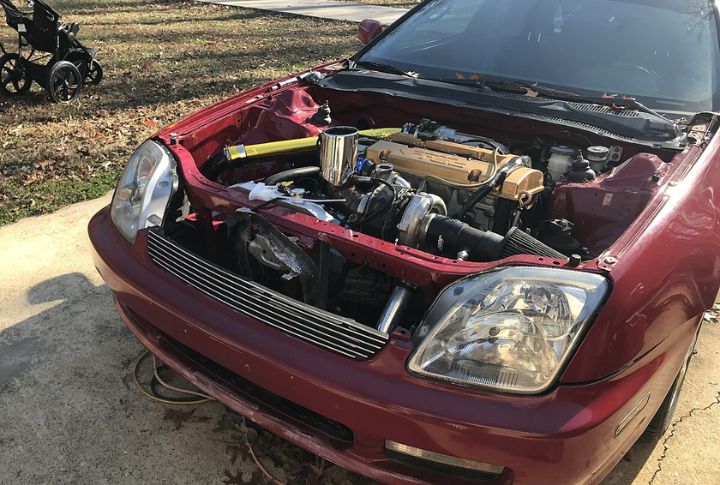
Honda used Finite Element Method (FEM) simulations to reduce engine vibration and reinforce the block. This block extends beneath the crank centerline and connects to a transmission-mounted stiffener. Apart from being a smart design, it is the reason why F-Series engines run smoother and longer than many in their class.
Global Market Adaptability
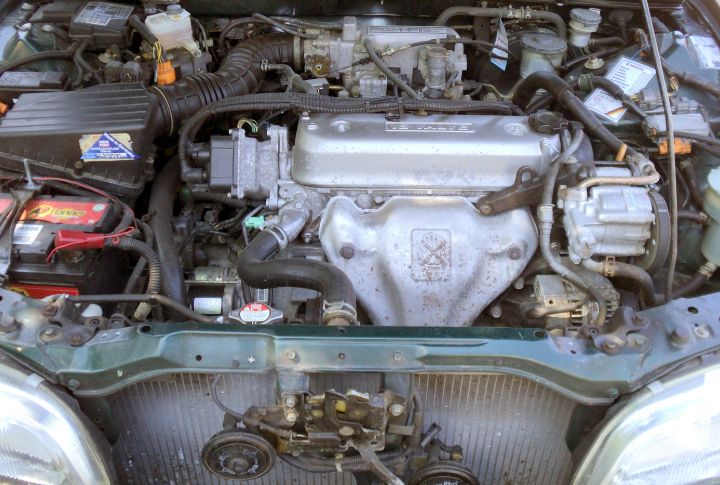
You’ll find the F-Series powering cars from Japan to Europe. The F20A lived in the Ascot Innova, while the F18B appeared in the UK-built Rover 618i sedans. Honda’s ability to tune the same engine family for different regions and needs shows just how adaptable and reliable this series became.
Fuel Efficiency With Performance Balance
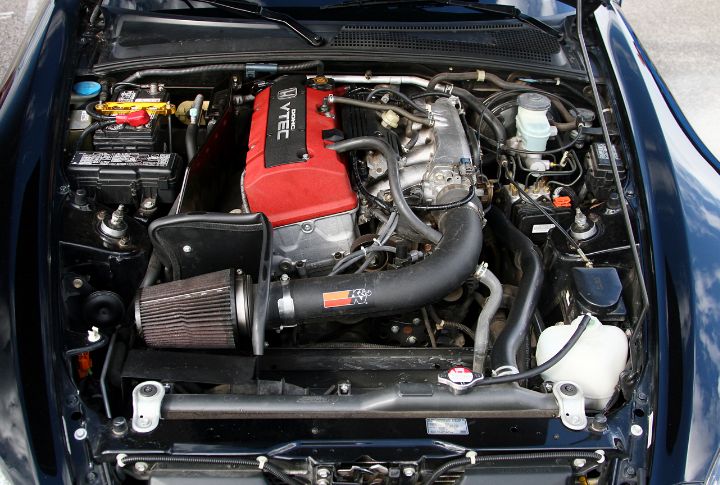
The F-Series impresses drivers by offering both fun and frugality. The F20A8 returned up to 34 mpg highway while still cranking out over 130 hp. The F18B2 earned an Engine of the Year title for combining strong efficiency and enough punch to move a full sedan comfortably.
Low-Emission Certifications
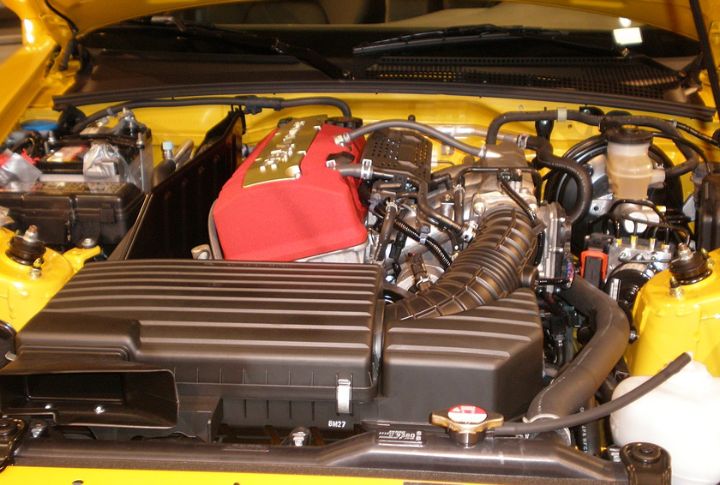
The F23A4 helped Honda achieve ULEV certification in California before it was trendy. It emitted just 0.003 g/km of NMOG while pushing 148 hp in 1998–2002 Accord models. That early nod to cleaner air without gutting performance made the F-Series one of Honda’s greenest gasoline offerings of its era.
Tuning Potential For Enthusiasts
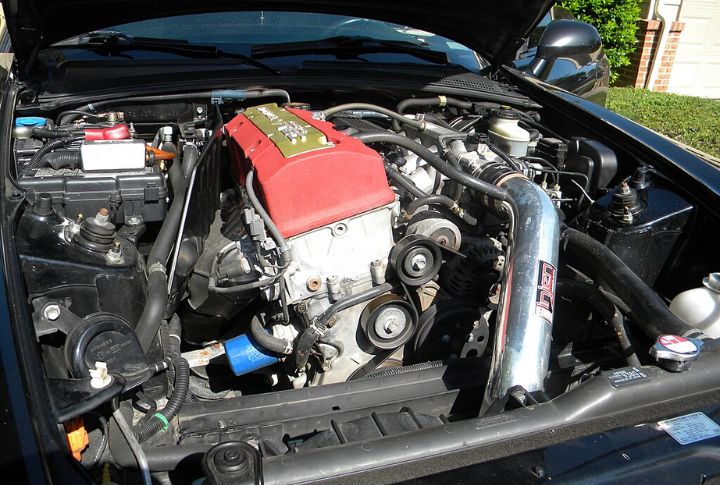
Builders still flock to the F-Series for its potential. A turbocharged F23A1 can break into 12-second quarter-mile territory with modest mods. The F20B, with iron sleeves and boost-friendly compression, is a popular choice for turbo swaps into older Civics, giving budget projects some serious horsepower-per-dollar value.