10 Things Every Car Driver Should Know About Brake Life
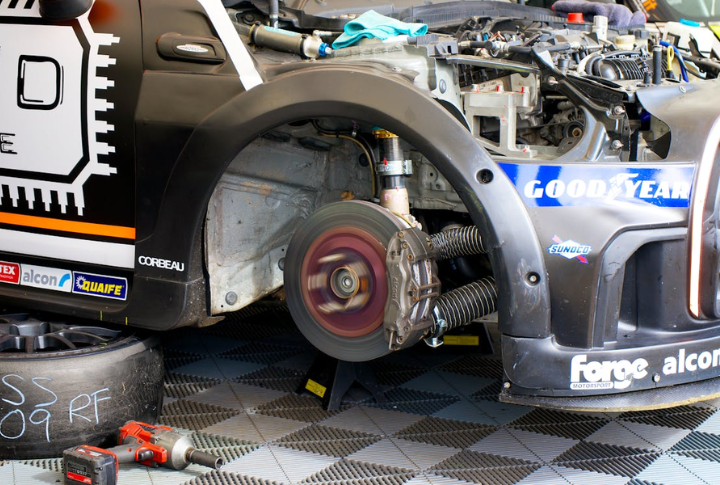
Your engine gets the glory, but your brakes are doing the real lifesaving work. Many drivers don’t realize how daily habits can wear them down. These ten brake life essentials will give you the know-how to spot issues early, avoid unnecessary replacements, and drive with a little more peace of mind.
Brake Pad Lifespan
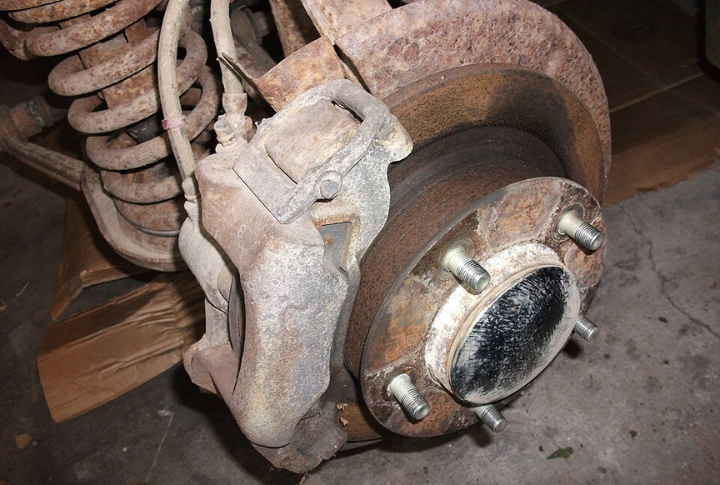
Brake pad life typically lasts between 25,000 and 70,000 Miles, but their longevity greatly depends on how and where you drive. Ceramic ones often stretch longer, especially for highway use. Front pads wear faster due to the force distribution. In stop-and-go traffic, replacements occur more frequently.
Squealing Sounds Often Mean Pad Wear Indicators Are Working
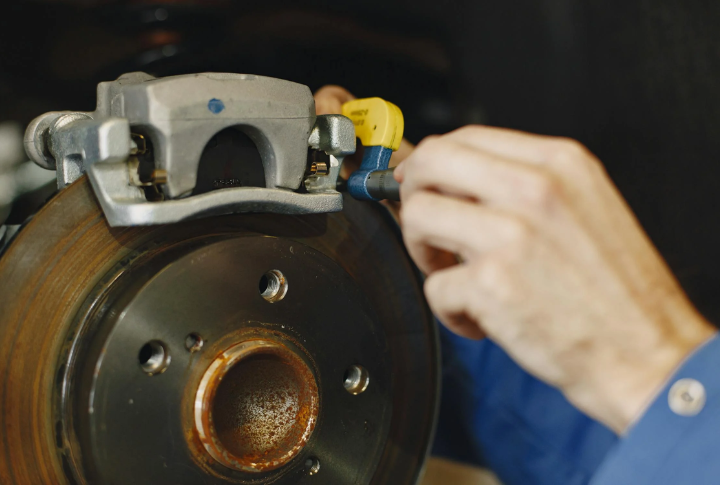
That high-pitched squeal isn’t just annoying, it’s a design feature. Metal indicators scrape when pads thin out, offering a built-in alert. In humid mornings, squeals show up earlier. If your brakes begin squealing more often, it’s time to check whether your pads are ready for a change.
Brake Fluid Absorbs Moisture and Needs Replacing
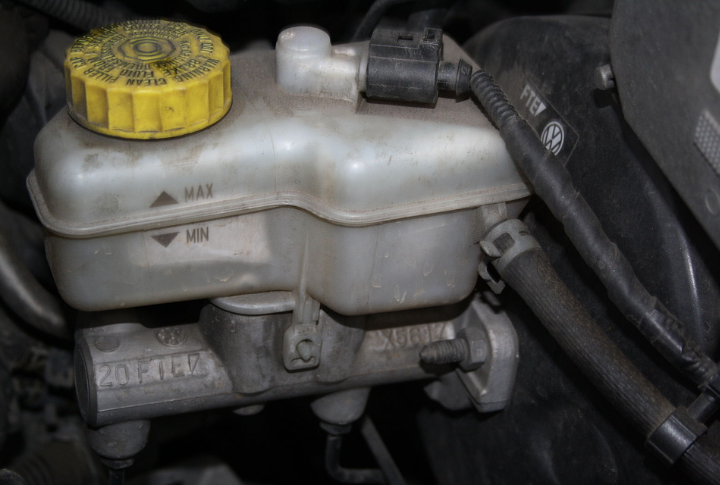
Brake fluid absorbs moisture over time, which compromises pressure and speed. When overheated, it loses stopping strength. Experts recommend changing it every two years. Corrosion inside the brake system begins silently—color changes, like dark brown, signal that the fluid is past its prime and due for service.
Riding The Brakes Causes Early Wear And Overheating

Coasting with light brake pressure may feel safer downhill, but it builds dangerous heat. That can lead to soft pads and warped rotors. Switch to engine braking when possible, especially on mountain routes. Constant contact causes damage during long descents or repeated slowing zones.
Warped Rotors Can Cause Steering Wheel Vibration

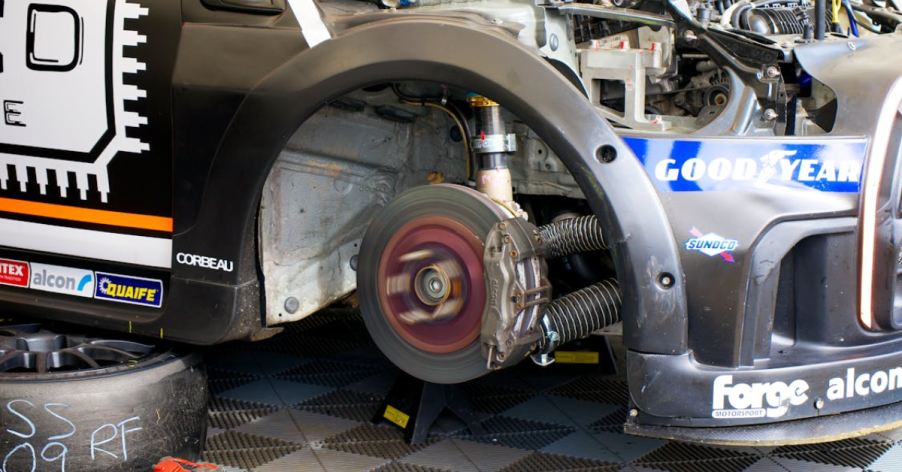
Wobbly steering under braking points to uneven rotor heat. Warping alters the surface shape, which in turn affects control. This typically occurs after hard braking or heavy-duty driving. The vibration grows worse at higher speeds. Even new pads struggle when paired with damaged rotors.
ABS Manages Skids
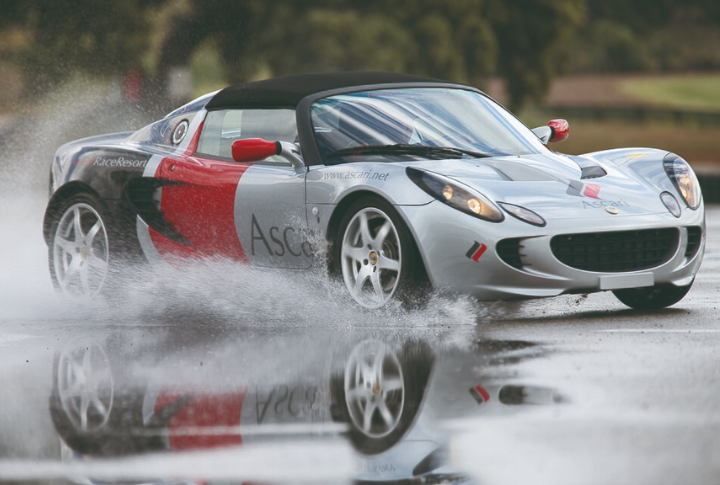
Anti-lock systems work by pulsing brakes fast enough to keep wheels moving. On snowy or wet roads, they jump into action more frequently. Some drivers hear clicks during startup—that’s the self-test. While ABS helps with control, pad condition still relies on driving habits and terrain.
Brake Dust Buildup Can Affect Performance Over Time
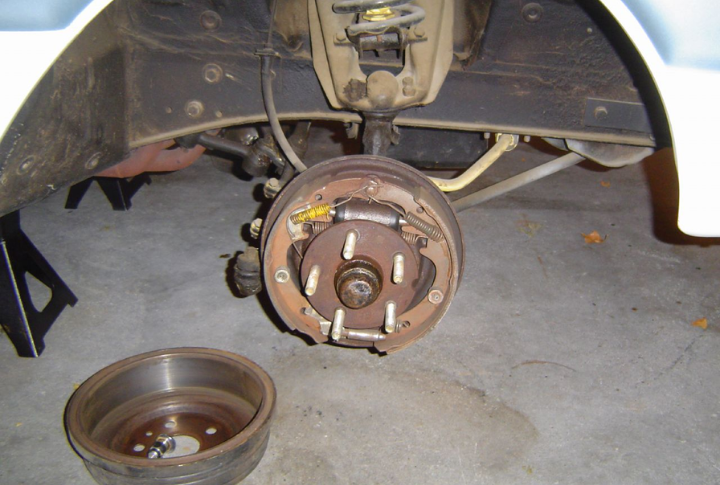
Brake dust clings to wheels and slowly eats into their finish. Some high-performance pads produce less dust, but buildup remains a concern. Corrosion risks increase without cleaning as dust causes squeaks and dulls the response. Drivers who clean regularly help prevent long-term issues with metal parts nearby.
Driving At High Speeds Increases Brake Wear Dramatically

Momentum from 75 mph takes much more braking force than from 55 mph. That energy turns into extreme heat, which hardens the pad surface. Glazing sets in after repeated fast stops. For track days or aggressive highway runs, expect to swap pads more often.
Brake Inspections Should Be Done Every 10,000 To 12,000 Miles
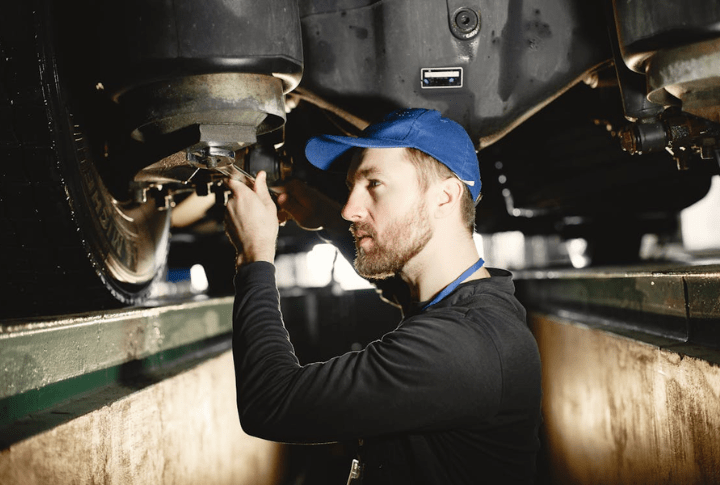
Regular checkups catch issues before they get expensive. Technicians examine pad wear, fluid leaks, and rotor shape. Caliper trouble might show up through uneven wear. Many service centers include brake inspections with oil changes, making it easy to stay ahead of surprise breakdowns or grinding noises.
Noise Doesn’t Always Mean Brake Trouble
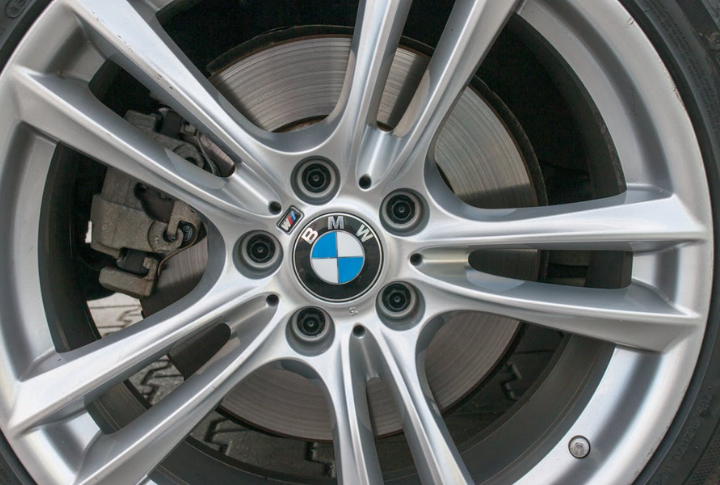
Squeaks during rainy days or morning drives come from surface rust or cold pads. Not every sound means repairs. Ceramic pads tend to run quieter, while metallic ones add some chatter. Environment plays a role, and wet rotors may groan briefly after parking overnight.