10 Things About Mazda Most Drivers Have Never Heard
Mazda isn’t just another name parked in traffic—it’s a brand that’s pulled off some seriously unexpected moves over the years. And no, it’s not just about making sleek cars. There’s more under the hood in every sense. If you’re even slightly curious, now’s the time. Here are 10 Mazda facts worth knowing right now.
Mazda’s Name Has Ancient Origins

Ever wondered where the name “Mazda” came from? It actually draws from Ahura Mazda, the ancient Zoroastrian god of wisdom, harmony, and intelligence. The name also pays tribute to Jujiro Matsuda, the company’s founder. It reflects a blend of Eastern philosophy and personal legacy that helped shape Mazda’s identity.
Mazda Started As A Cork Manufacturer
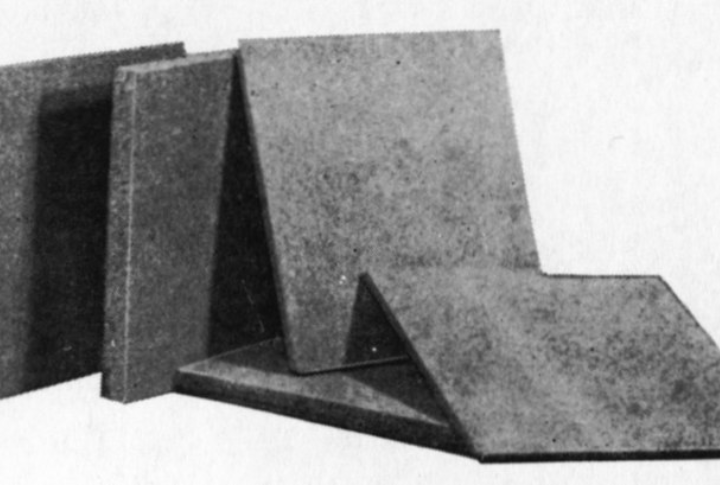
Believe it or not, Mazda didn’t begin as a car company. In 1920, it operated as Toyo Cork Kogyo Co., producing cork-based products. After several years, the business shifted toward engineering and machinery. That unexpected start in cork reveals how far Mazda has come—and how unconventional its roots truly are.
Mazda’s Rotary Engine Revolutionized Performance
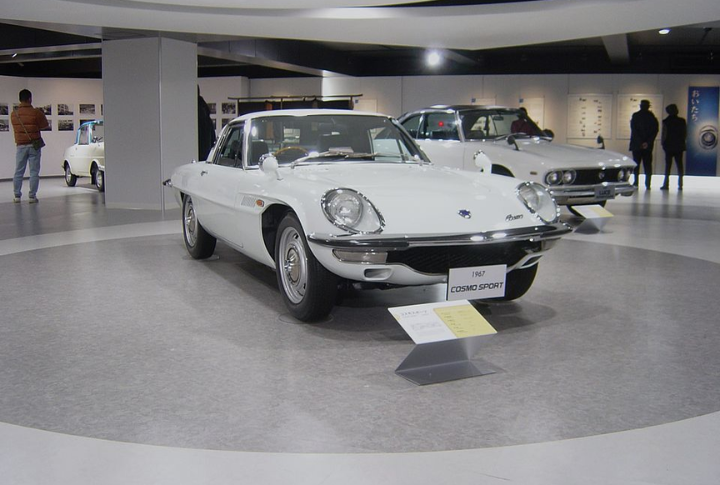
Mazda took a bold risk when it embraced the rotary engine, a compact alternative to traditional pistons. First used in the 1967 Cosmo Sport, this unique engine delivered smooth, high-revving performance. The move set Mazda apart in the automotive world and solidified its reputation for unconventional but effective engineering.
Mazda Was The First Japanese Brand To Win Le Mans
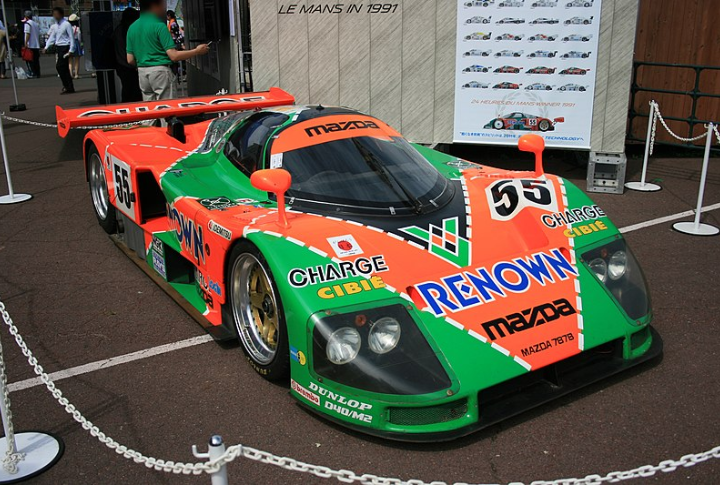
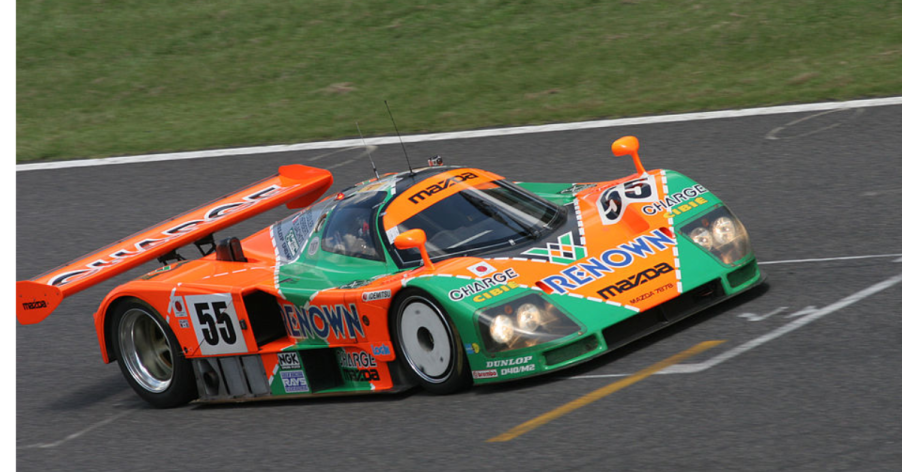
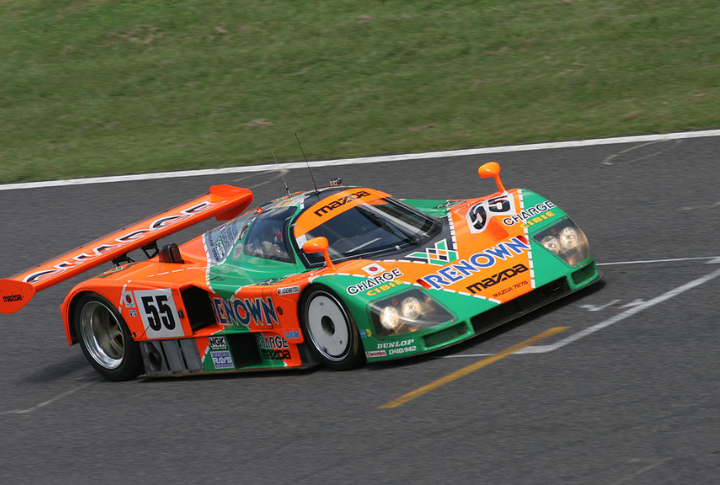
In 1991, Mazda made motorsport history by becoming the first Japanese automaker to claim victory at the prestigious 24-hour race in Le Mans. The winning 787B, powered by a rare four-rotor rotary engine, outpaced major rivals like Mercedes and Jaguar, cementing Mazda’s reputation worldwide.
Mazda’s Logo Symbolizes Growth And Innovation
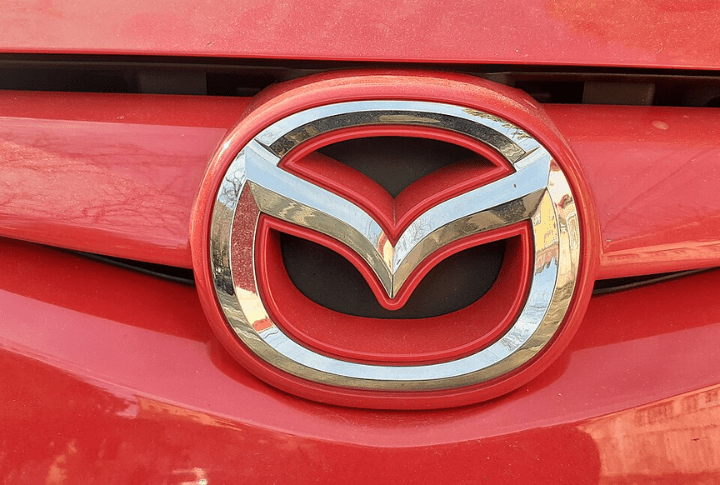
There’s more to that stylized “M” than meets the eye. Mazda’s logo represents wings in flight, echoing the brand’s drive for innovation and forward motion. It also forms a stretched “V” for vitality. The logo was introduced in 1997 to mark a new era of design and technology for Mazda.
Mazda’s Skyactiv Technology Enhances Efficiency
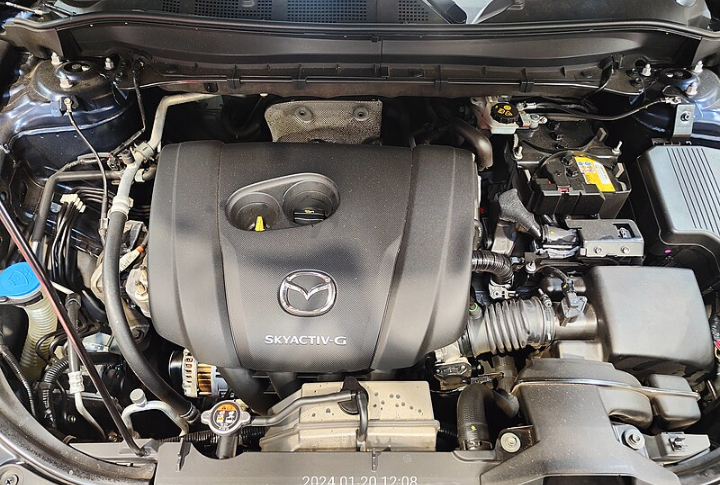
Mazda’s Skyactiv technology re-engineers engines, transmissions, and chassis to improve fuel efficiency and performance. By making cars lighter and optimizing powertrains, it delivers better mileage and smoother driving. This approach balances economy with responsiveness, offering a natural driving experience without added complexity or loss of power.
Mazda Has A Strong Connection To Ford
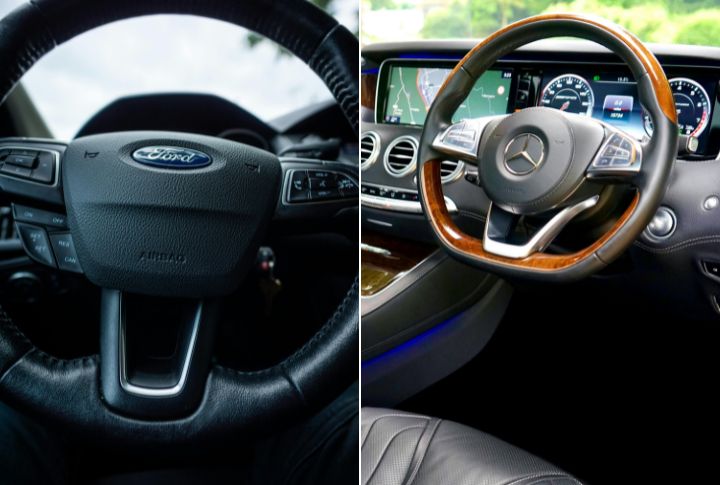
For years, Mazda and Ford shared more than just business ties—they shared technology, platforms, and even factories. The partnership, which began in the late 1970s, helped both brands thrive during economic shifts. Although the alliance eventually ended in 2015, the collaboration left a lasting mark on Mazda’s growth and global reach.
Mazda’s MX-5 Miata Is The Best-Selling Roadster
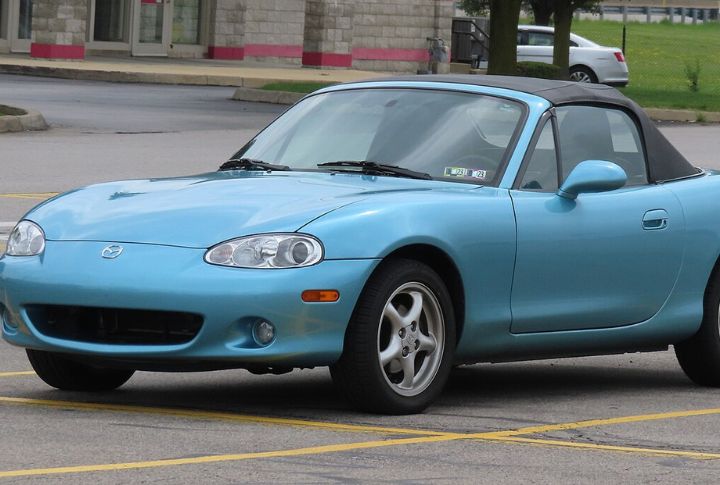
Since its 1989 debut, the MX-5 Miata has become an icon. Lightweight, responsive, and designed purely for driving joy, it holds the Guinness World Record as the best-selling two-seater convertible sports car. This Miata has also won awards like “Car and Driver’s 10Best” and “World Car of the Year” for its design and performance.
Mazda’s Commitment To Sustainability Includes Cork Interiors
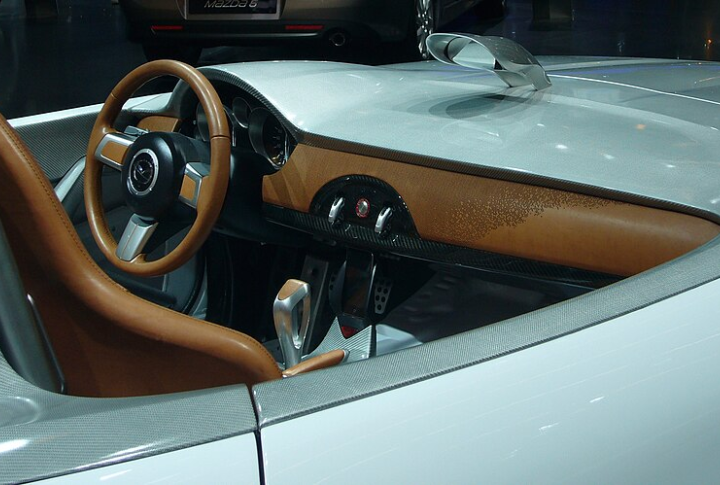
Mazda honors its history by using eco-friendly cork materials in the interiors of some new models. The choice connects to the company’s past in cork manufacturing while promoting sustainability. Combining tradition with modern innovation, Mazda shows how responsible design can be both stylish and environmentally conscious.
Mazda’s “Jinba Ittai” Philosophy Enhances Driving Experience

The phrase “Jinba Ittai” expresses the idea of complete unity between rider and horse—an experience Mazda strives to recreate between driver and car. This approach influences everything from steering precision to seat design, focusing on natural control and seamless connection rather than isolating technology.