These 20 SUVs Lose Value Faster Than You’d Expect
A brand-new SUV can initially feel like a solid investment, but its value can start slipping away. Some models drop faster than others, often for reasons that are initially unnoticed. Price tags don’t tell the full story. Before jumping into the driver’s seat, take a closer look at the SUVs that quietly drop thousands in resale value over just five years.
Cadillac Escalade ESV
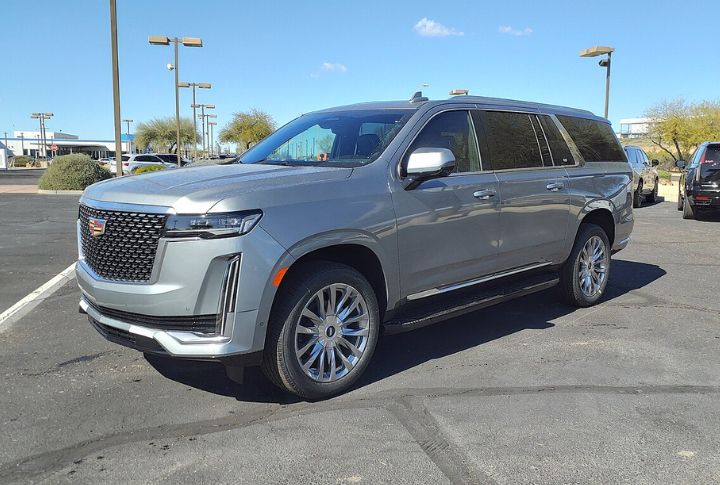
Just five years on the road, and it can lose nearly $56,536 in value. That’s a 60.6% depreciation hit. Its high starting price and maintenance costs quickly erode resale interest, even among luxury buyers looking for full-size SUVs with flash.
BMW X5
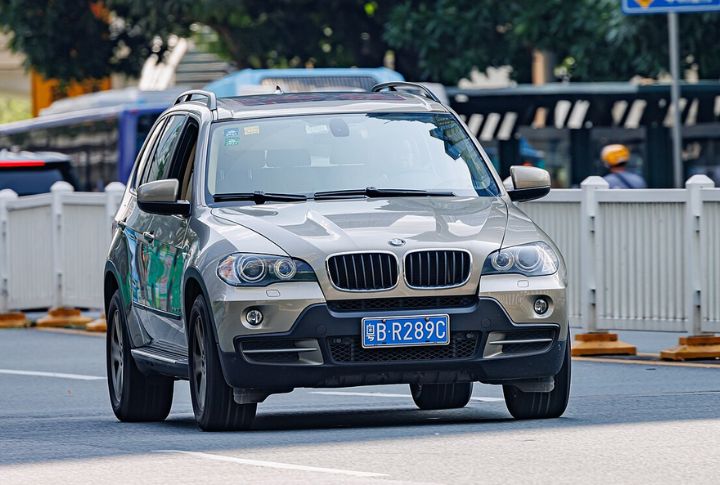
With a price drop of over $37,000 after five years, this SUV loses 56.1% of its value. Tech features age fast, and mechanical concerns keep used buyers cautious. For a premium nameplate, its resale reliability falls short of expectations.
Infiniti QX80
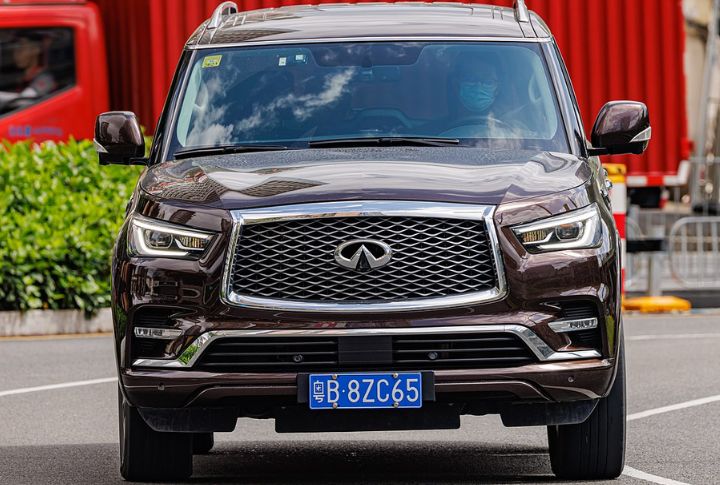
Resale value suffers when updates are scarce. This model loses 65% of its worth, roughly $53,593, after five years. Aging design and limited demand work against it. Even well-maintained units find few takers once they’re off the showroom floor.
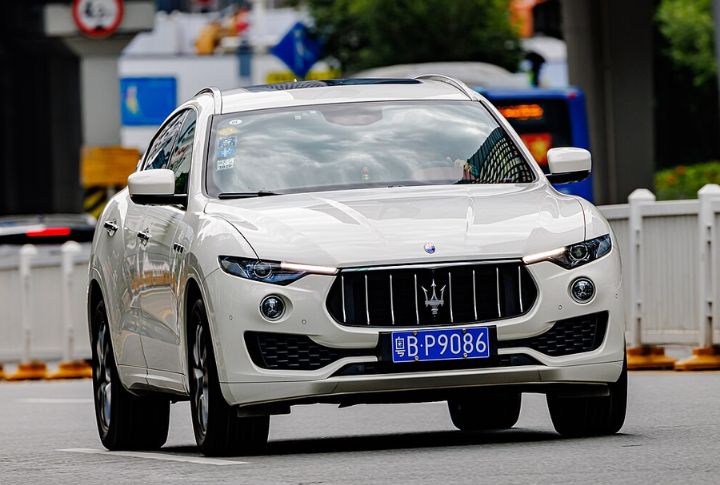
Maserati Levante
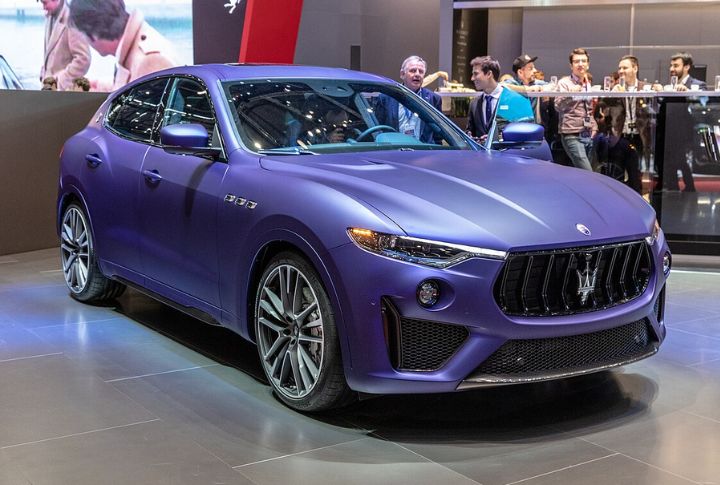
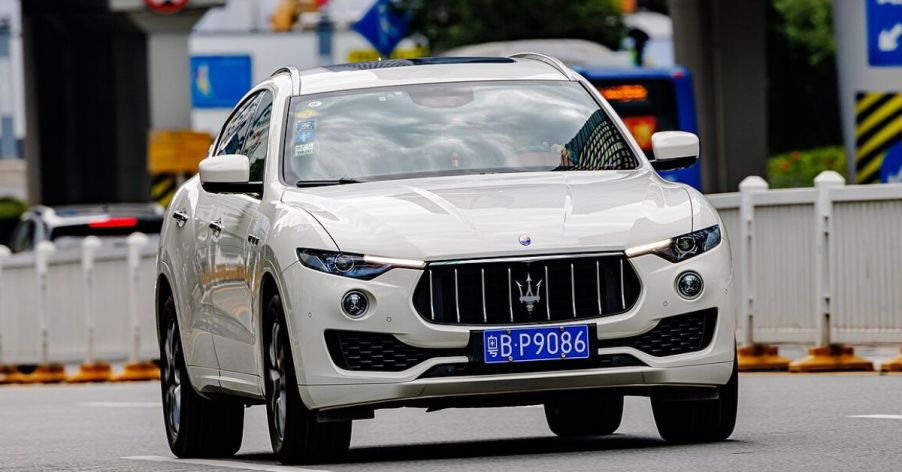
Luxury badge aside, the Levante sheds 63.4% of its value in five years, equaling a $64,635 loss. Sparse dealer access and steep repair costs weigh it down. Its styling may impress, but long-term ownership offers no payoff at resale.
Audi Q7
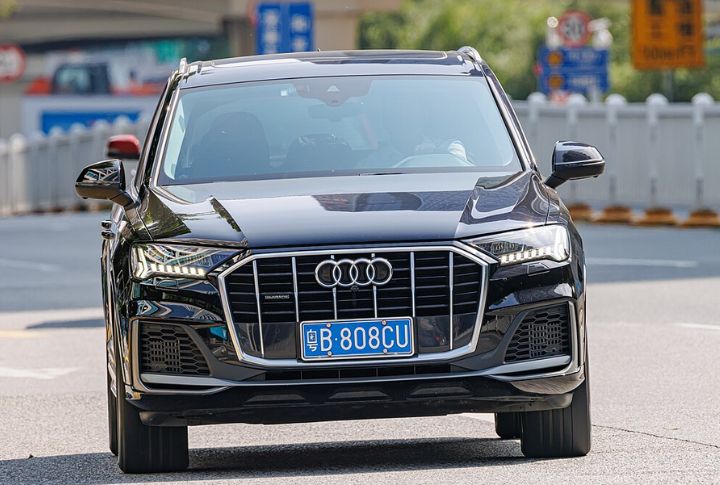
After half a decade, owners face a $36,815 loss, 60.9% off its original value. Advanced features become outdated quickly, reducing their appeal. Moreover, widespread lease returns oversaturate the market, causing prices to drop. New doesn’t always mean lasting when it comes to luxury.
Lincoln Navigator L
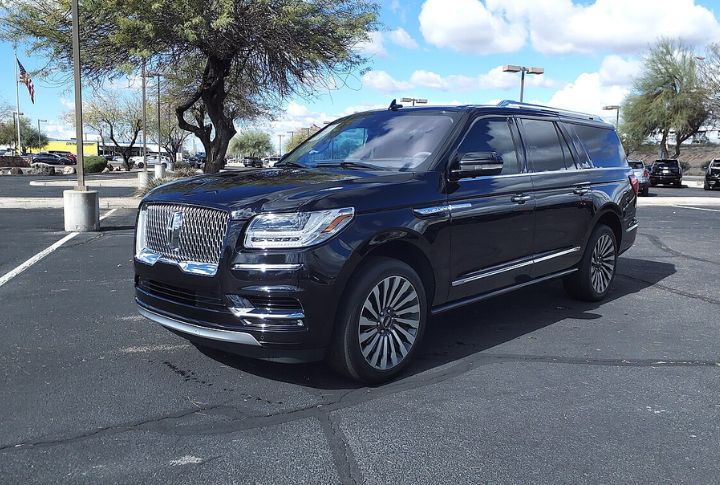
Owners lose $59,143 over five years, amounting to 59.1% depreciation. Despite its spacious interior and brand prestige, resale suffers. Poor fuel efficiency and high maintenance costs also drag down demand. Used car buyers often overlook it in favor of more efficient full-size competitors.
Land Rover Discovery
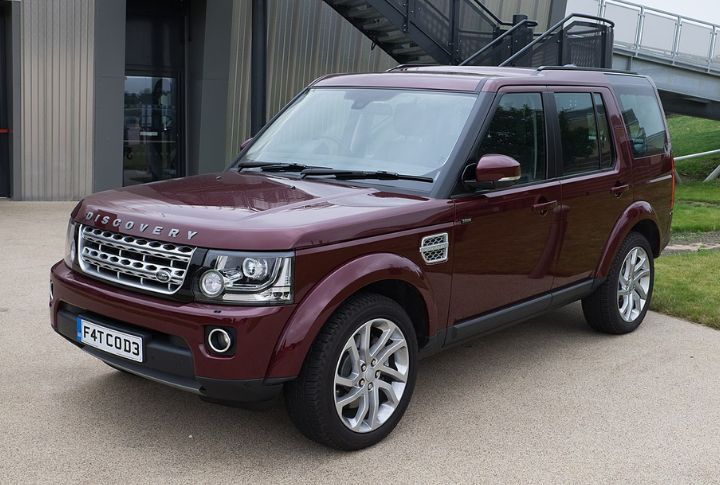
This SUV loses 60.6% of its value after five years, resulting in a loss of around $36,502. Reliability concerns and frequent mechanical issues scare away secondhand buyers. Even with upscale styling, the high cost of parts and service quickly erodes its resale value.
Ford Expedition
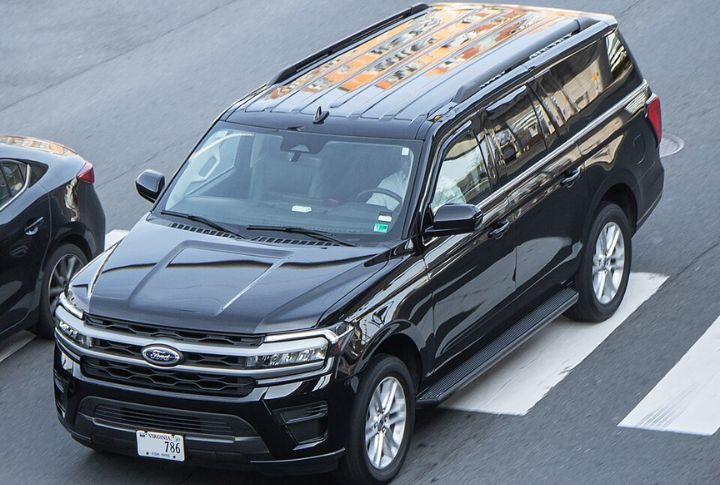
Poor fuel economy and reliability perceptions weigh this model down. Depreciation reaches 56.9% in five years, resulting in approximately $32,657 in lost value. It may seat a crowd, but resale demand doesn’t follow. Buyers consider ongoing costs and opt for smaller, more efficient alternatives.
Nissan Armada
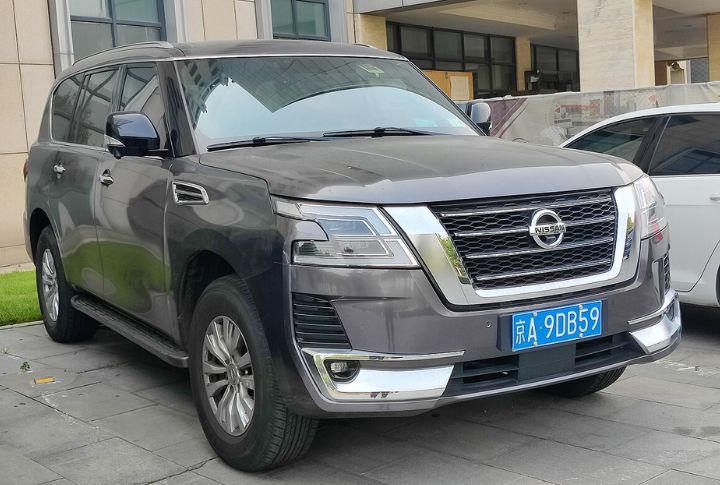
A $34,733 value drop of 60.4% over five years hits Armada owners hard. Despite its size and interior space, it loses ground in resale. Its low fuel efficiency and dated styling reduce its appeal. Used models linger longer than most rivals in the segment.
GMC Yukon XL
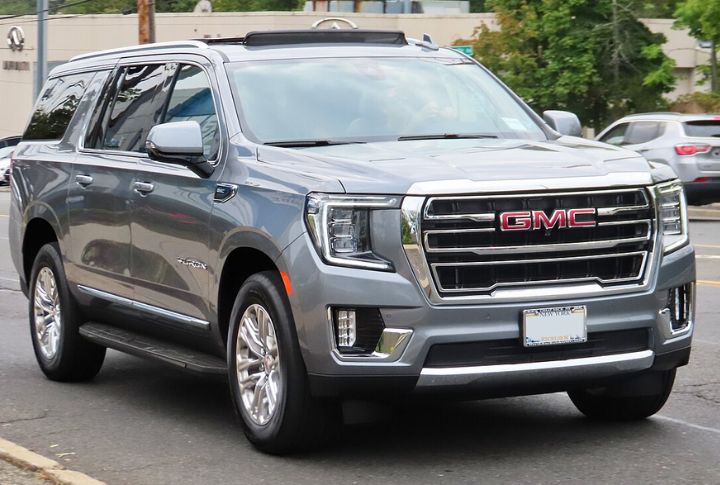
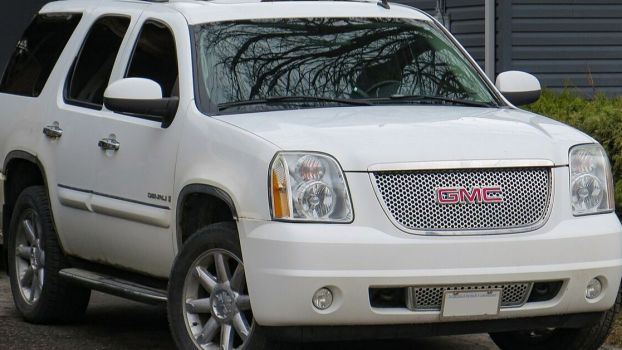
Even a strong brand can’t protect this SUV from depreciation. After five years, it usually sheds 53.3% of its value, with about $35,840 gone. Fuel-hungry performance and bulkier dimensions limit its appeal. Fewer buyers want the size when it comes time for resale.
Buick Enclave
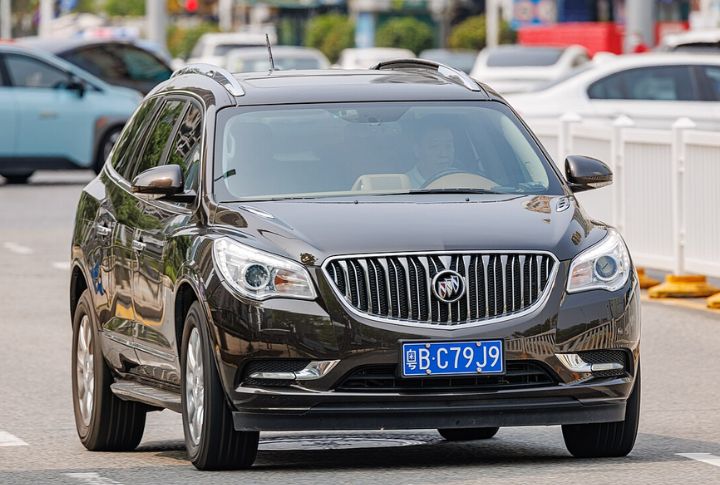
Depreciation reaches 58.5% over five years, resulting in a $26,392 loss from its original price. Although it offers comfort, buyers question its long-term value. Brand perception and heavy initial discounts combine to drag resale performance below expectations, especially in a crowded midsize SUV market.
Nissan Pathfinder
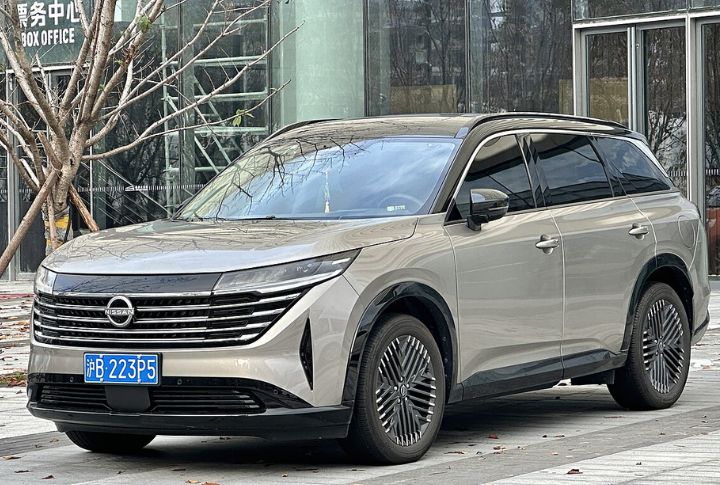
Five years in, the Pathfinder loses $20,315, about 55.8% of its value. Its boxy redesign and average reliability ratings don’t help its resale value either. Rental fleet saturation further weakens demand, making this once-popular family SUV a challenging secondhand sale compared to newer rivals.
Lincoln MKT
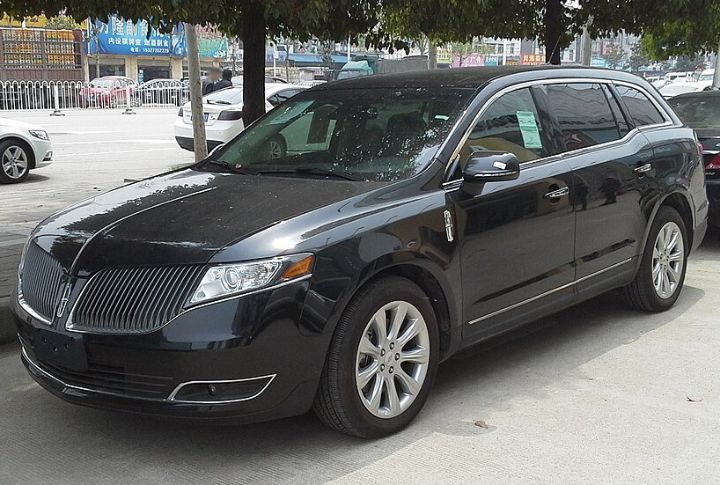
Once off the lot, this discontinued model loses 66% of its value, amounting to over $37,000. Maintenance costs remain high, and parts are increasingly scarce. Even collectors pass it up. Few SUVs have experienced such a dramatic drop in resale value in recent years.
BMW X3
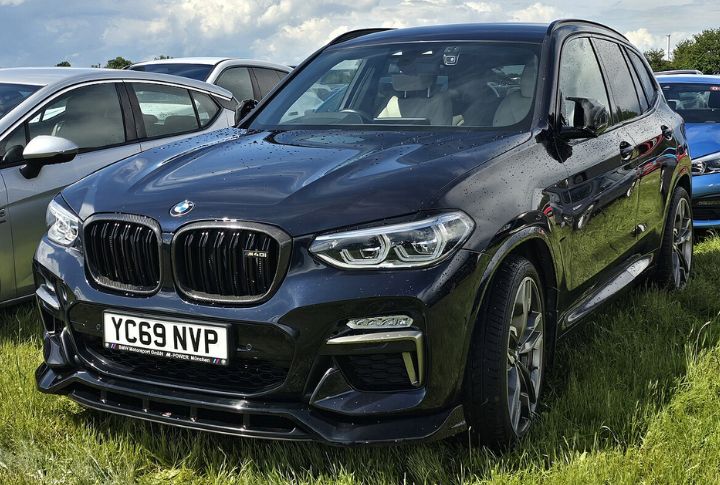
Resale value plummets by 53.9% within five years. While its upscale features impress new buyers, those same traits quickly lose their shine. High repair bills and aging tech also affect long-term desirability. Premium styling aside, it often exits garages earlier than expected.
Infiniti QX60
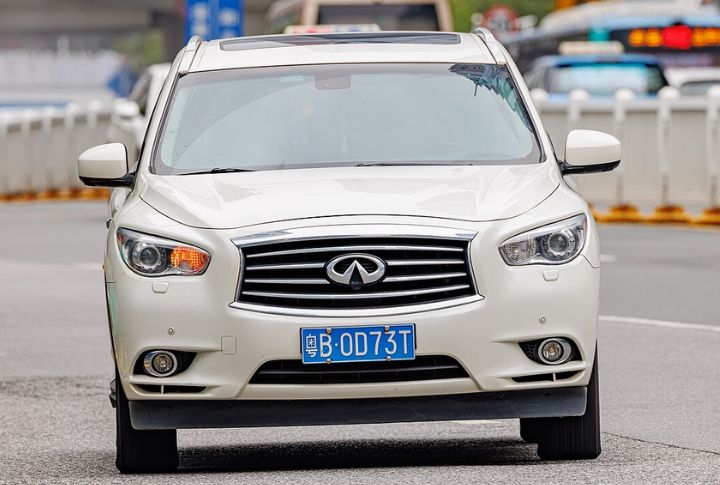
Depreciation runs deep, at 61.2% over a five-year period. Dull styling and limited upgrades fail to capture buyer interest. Despite a smooth ride, the SUV’s resale value depreciates quickly. It’s commonly leased, which drives the supply of used higher than the demand.
BMW X6
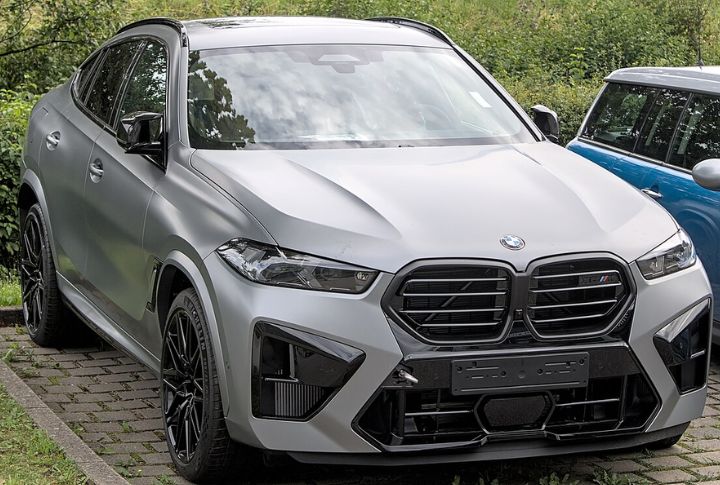
Even basic maintenance can carry premium costs. High performance doesn’t save it from quick depreciation in a market full of more practical choices.
After five years, owners experience a 55.3% decline in value. Its coupe-style design polarizes shoppers, narrowing resale options.
BMW X1
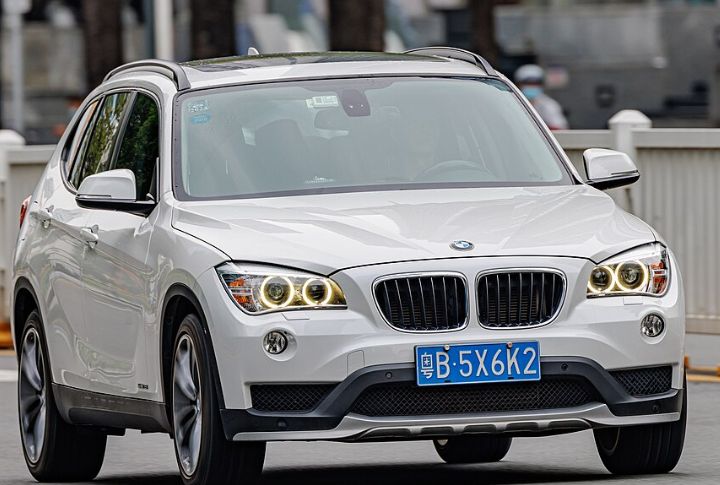
This smallest BMW SUV sheds 50.4% of its value over five years. Lower-tier luxury status and saturated competition hurt resale. Technological advancements in newer models quickly render their feature sets obsolete, pushing used prices down across most trims.
Tesla Model X
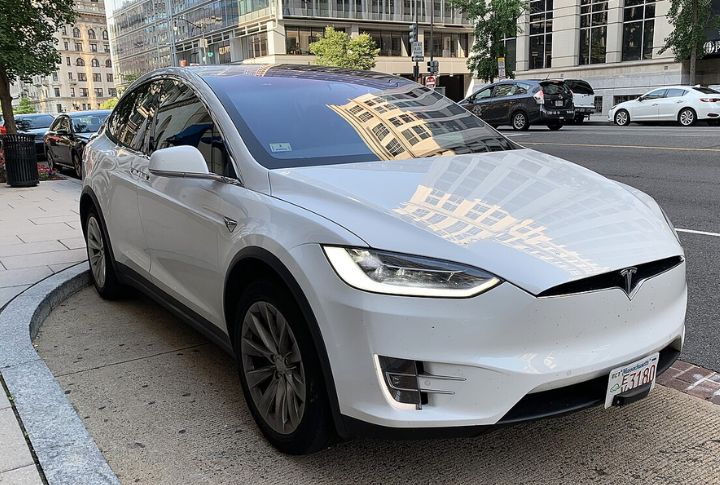
Some versions drop 40–50% in just 12 to 18 months. Frequent software changes, rapid innovation, and evolving tax incentives all contribute to undercutting used values. While futuristic, it depreciates faster than many gas rivals, especially as newer EVs crowd the high-end market.
Volvo XC90
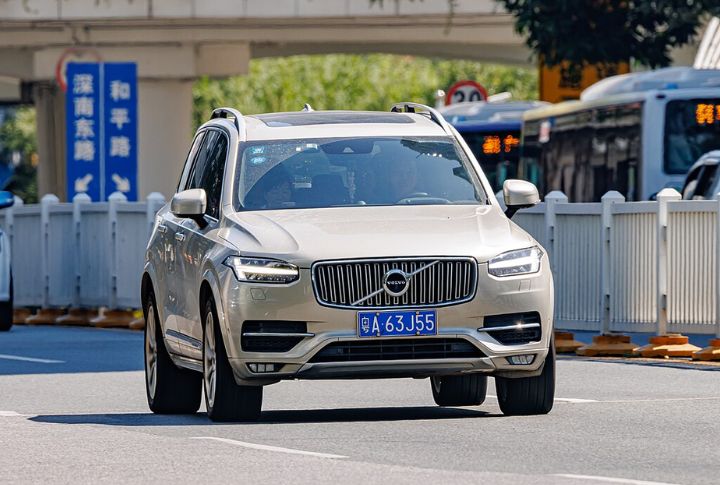
Expect a 58.73% loss in value after five years, resulting in over $33,681 in lost value. Safety scores remain high, but niche parts and frequent design refreshes dampen demand. Luxury buyers tend to favor brands with slower tech turnover and more consistent long-term styling.
Chevrolet Suburban
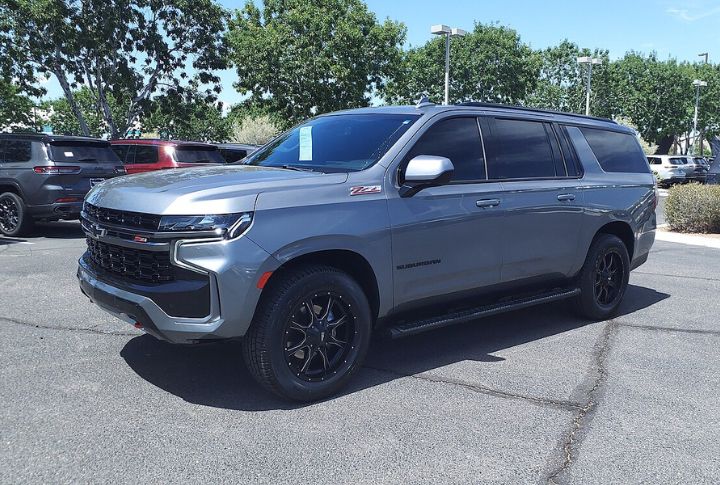
It’s known for its fleet sales and high fuel consumption, both of which reduce its resale appeal. Buyers often pass on it due to long-term operating costs. This full-size SUV loses 56% of its value in five years, costing owners more than $35,000 in depreciation.