The Threats Posed By Driverless Cars Many Overlook

Self-driving cars are often hailed as a breakthrough in modern transportation and promise convenience and efficiency. However, beneath this modern technology’s surface lie risks that many overlook. As people move closer to widespread adoption, it’s important to understand some of the underestimated concerns they pose.
Cybersecurity Risks
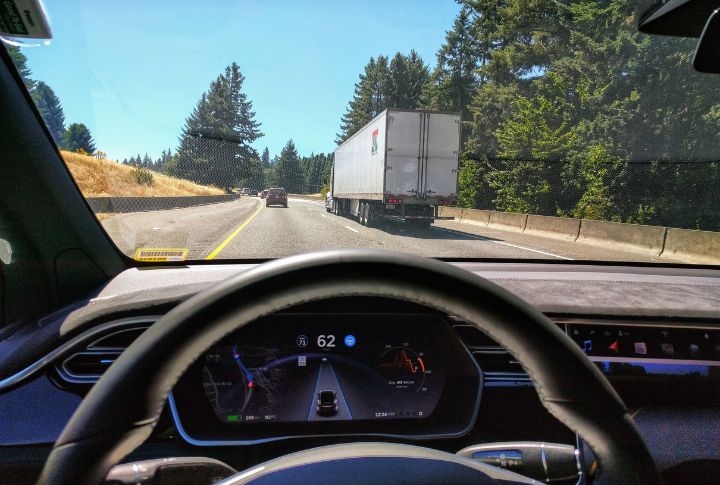
One of the most significant issues posed by driverless cars is cybersecurity. Autonomous vehicles rely heavily on software and interconnected systems for navigation, decision-making, and communication with other vehicles and infrastructure. According to an HTTPCS publication, these systems are vulnerable to hacking.
Cybersecurity Risks Cont’d.
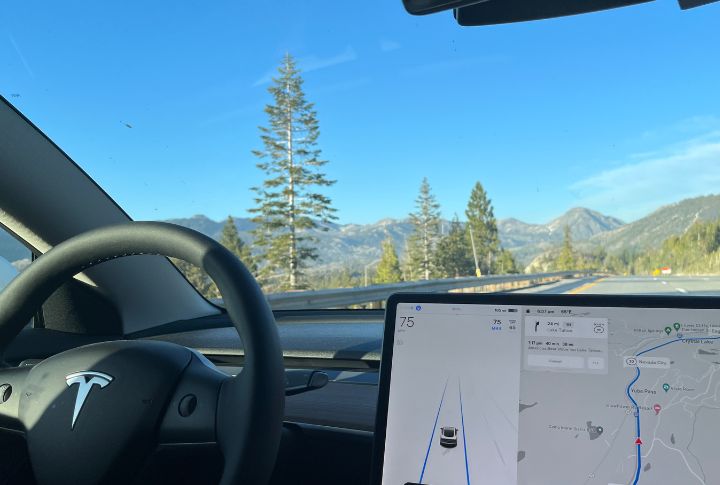
The risk extends beyond individual cars to the broader network of autonomous vehicles. Driverless cars need to communicate with each other and with traffic management systems to improve routes and prevent collisions. If hackers were to compromise these networks, they could manipulate traffic flow or disrupt emergency services.
Limitations of Sensor Technology
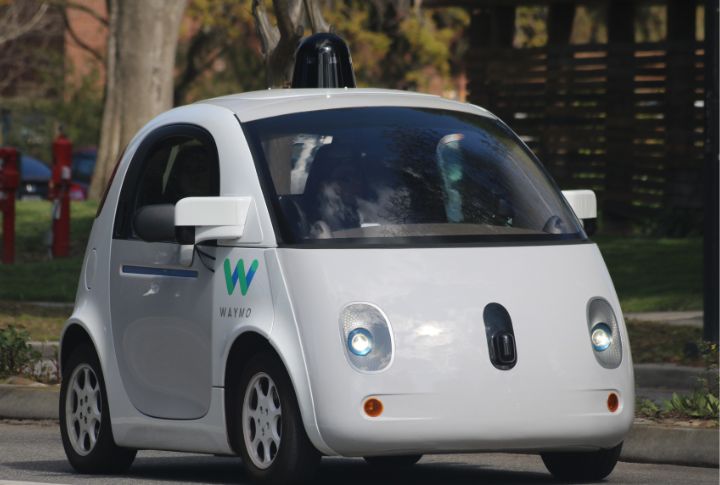
Driverless cars can move through the road using their sensor technology, which includes cameras, radar, and LIDAR systems. While these technologies are advanced, they are not infallible. Sensor limitations can lead to misinterpretations of the surrounding environment that could result in dangerous driving decisions.
More Limitations of Sensor Technology
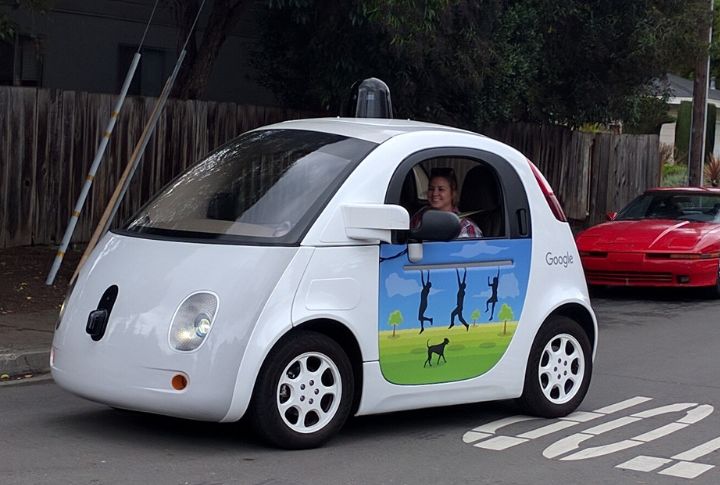
Another issue is that current sensor technology can have difficulty distinguishing between objects. For instance, a plastic bag blowing across the road could be mistaken for a more serious hazard and cause unnecessary braking. On the other hand, more dangerous objects like debris or small animals might go undetected.
Ethical Challenges in Decision-Making
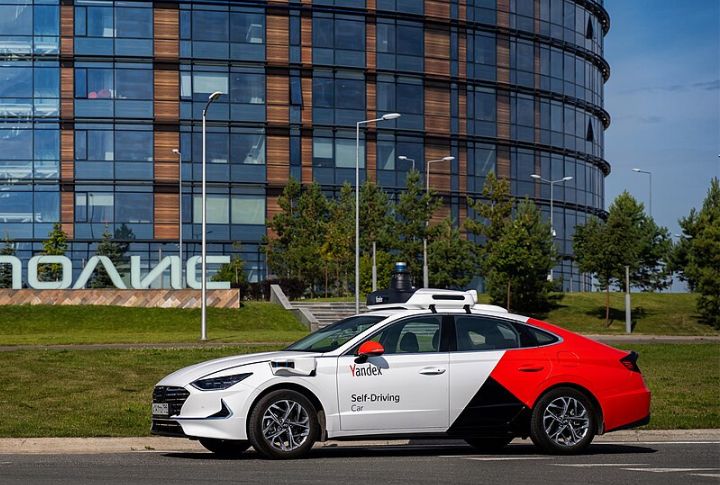
Autonomous vehicles bring a range of ethical dilemmas to the forefront, particularly around decision-making in life-threatening situations. Unlike human drivers, who often make split-second, emotionally driven decisions, driverless cars must rely on pre-programmed algorithms to determine the best course of action during an accident.
Ethical Challenges in Decision-Making Cont’d.
Succinctly put, if a driverless car must choose between hitting a pedestrian or driving into oncoming traffic and risking the lives of its passengers, how should it be programmed to act? These moral quandaries may challenge traditional ethical frameworks and put responsibility on programmers and manufacturers.
Privacy Concerns and Data Collection
In addition to the cybersecurity mentioned earlier, driverless cars present significant data privacy concerns. Autonomous vehicles have sensors and cameras that continuously collect data on their surroundings, including other vehicles and pedestrians. Moreover, they gather personal information from their passengers, such as location data.
Privacy Concerns and Data Collection Cont’d.
This wealth of data is essential for driverless cars’ functioning, but as Electronic Frontier noted, it may create potential privacy issues. The primary concern is storing, sharing, and using this data. There is a risk that personal data could be shared with third parties without passengers’ consent.
Human Overdependence

As autonomous vehicles become more widespread, there is a danger that people may become overly dependent on them, leading to a deterioration in driving skills and situational awareness. In the long run, this could be particularly problematic when human intervention is necessary, such as during a system failure.
Human Overdependence Cont’d.
If drivers lose their ability to effectively control a vehicle, crashes when manual control is required could increase. Overreliance on driverless cars could also lead to complacency in other areas. For example, passengers may become less attentive to road conditions and assume the car will handle everything.
Regulatory Complications

The laws surrounding self-driving cars are still in their infancy, which may threaten their safe integration into society. As per Irwin Mitchell Solicitors, driverless vehicles challenge traditional frameworks, particularly around liability in the event of an accident. Current laws assume that a human driver is in control.
Regulatory Complications Cont’d.
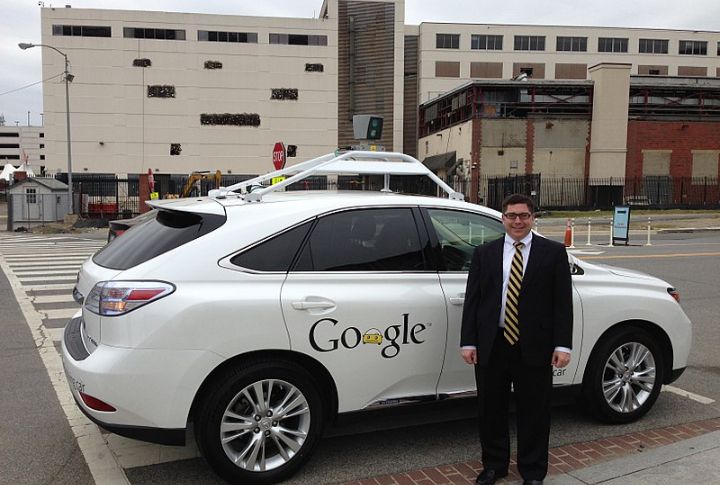
If a driverless car causes a crash, it’s unclear if the fault lies with the software developer or the passenger. This lack of clarity could lead to complex court battles. While some states have begun implementing driverless car regulations, others have yet to establish clear guidelines.
Challenges in Urban Navigation
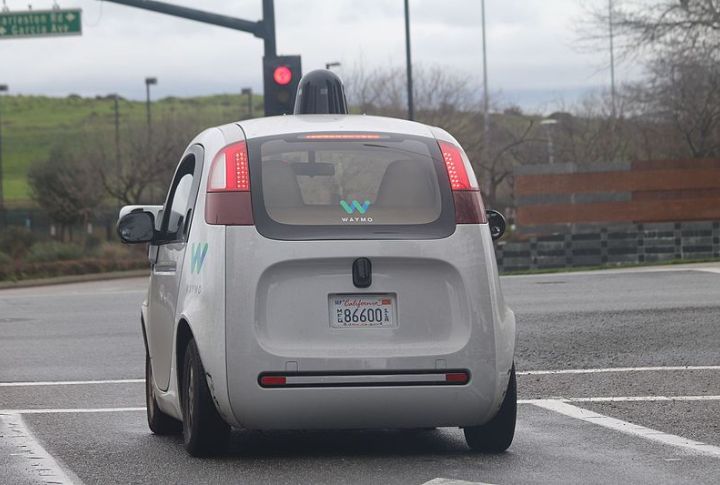
Self-driving cars also face issues when navigating complex urban environments. City streets are filled with unpredictable elements, from jaywalking pedestrians to cyclists weaving through traffic. Unlike highways, where traffic is relatively predictable, urban areas must adapt to constantly changing situations.
Maintenance and Upkeep of Systems
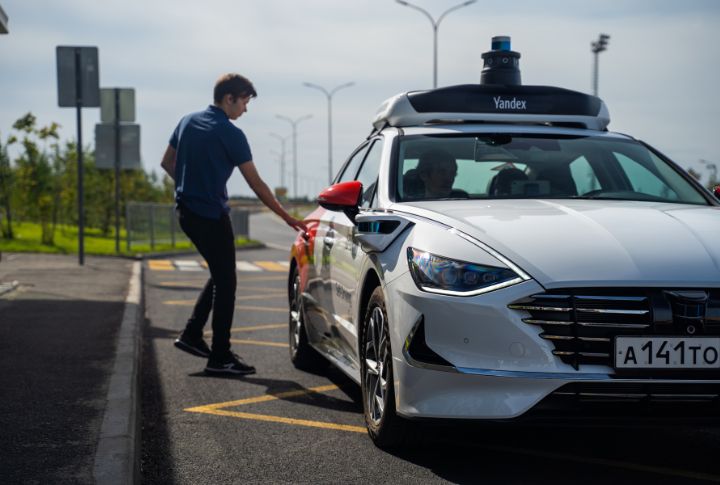
Finally, driverless car maintenance presents an underrated issue. Unlike traditional vehicles, which require regular mechanical maintenance, autonomous vehicles also depend on the upkeep of their advanced sensors, software, and communication systems. Any malfunction could compromise safety and functionality.
Maintenance and Upkeep of Systems Cont’d.
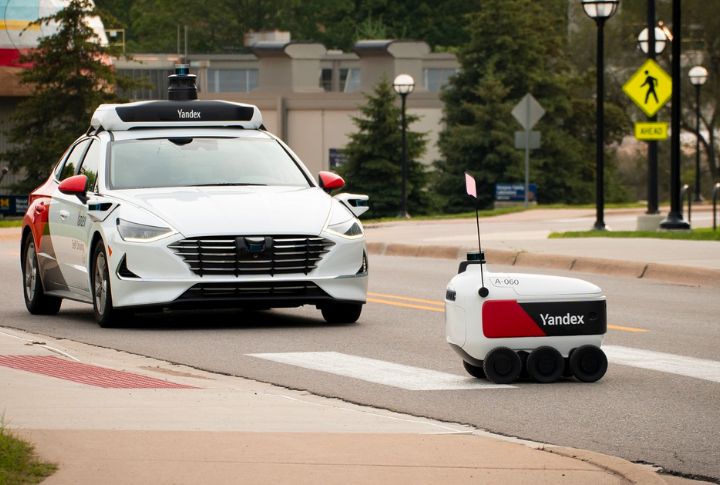
A dirty sensor could fail to detect obstacles, while outdated software could leave the car vulnerable to cybersecurity issues. Ensuring these systems are properly maintained requires specialized knowledge and equipment, which may not be available to all car owners or repair shops.