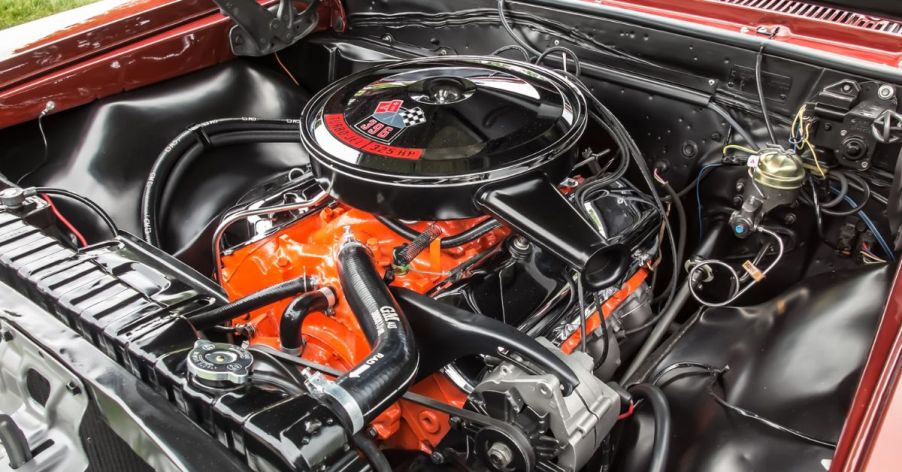
The Story Of Chevrolet’s Big Block Engines
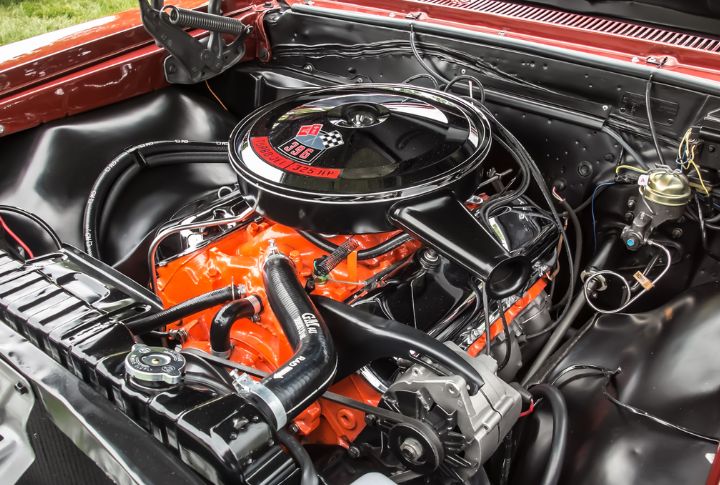
Few engine families have left tire marks across history like Chevrolet’s Big Block. It sparked revolutions in racing, supercharged muscle car street cred, and found new life in modern crate form. With each breakthrough came another chapter in power evolution. Let’s crank it open, one slide at a time.
The 1958 Debut That Redefined Chevrolet Performance
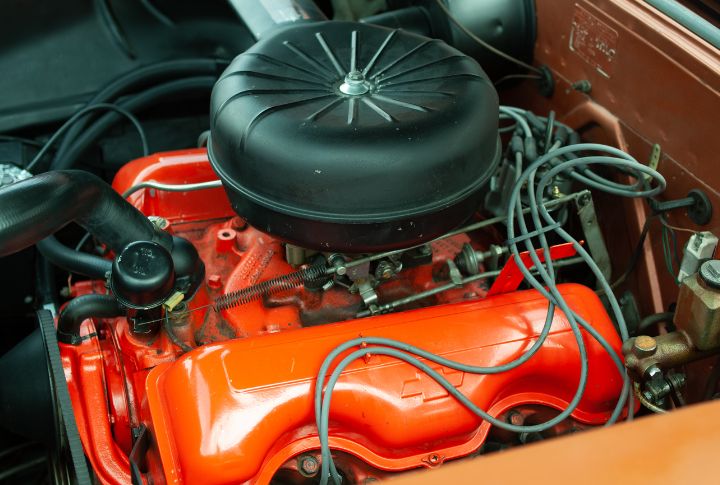
Few expected a 348-cubic-inch V8 to trigger a performance revolution. Its W-shaped chamber changed combustion dynamics. With outputs hitting 355 horsepower, it showed power. That unassuming launch paved the way for one of Chevy’s most potent engineering evolutions ever.
The 1963 Daytona “Mystery Motor”

What made Daytona crews whisper in 1963? A radical 427 prototype with canted valves stormed the track without a nameplate. Journalists dubbed it the “Mystery Motor,” but insiders knew it would become the Mark II—a foundation that still influences Chevy’s performance DNA today.
The 1965 Introduction Of The 396 V8
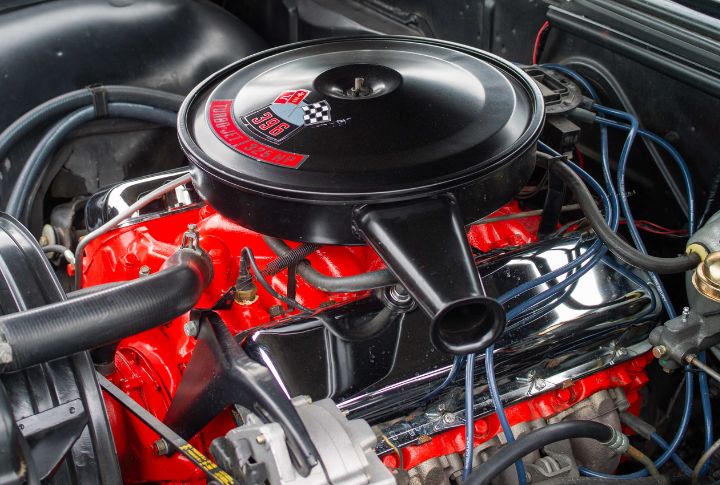
Muscle car mania got a turbocharge when Chevrolet released the L78 in 1965. Located inside the Chevelle SS, its 396 cubes released 425 horsepower. That engine didn’t just rumble; it roared loud enough to make Ford nervous. Fans still revere its legendary quarter-mile credentials.
The 1970 Launch Of The 454 LS6
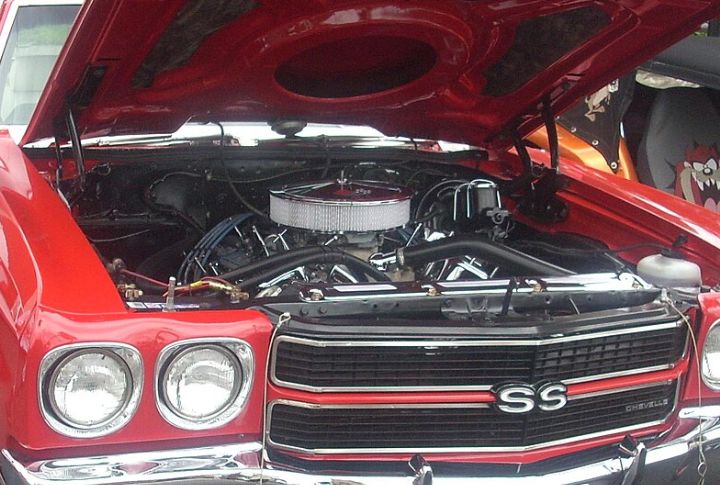
Under the hood of the Chevelle SS came a giant—Chevrolet’s 454-cubic-inch LS6. Generating 450 horsepower and 500 lb-ft of torque, it defined the era’s muscle zenith. No factory big block before or after packed the same wallop. Even today, it remains a benchmark for horsepower.
The 1980s Resurgence With The 502 V8

Amid downsizing trends, Chevy went big again. The 502-cubic-inch block brought new heat to the aftermarket scene, pumping 450 horsepower and 550 lb-ft of torque. Originally crafted for marine workhorses, it didn’t stay docked for long—street machines gladly welcomed its brute strength.
The 2001 Introduction Of The Vortec 8100
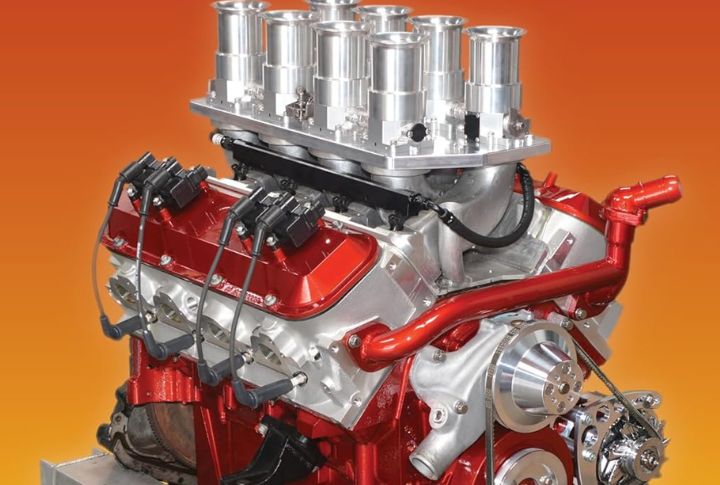
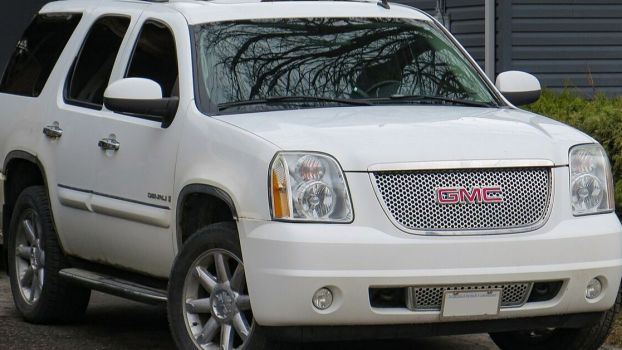
Heavy haulers got an upgrade when Chevy released the 496-cubic-inch Vortec 8100. Developed for SUVs and HD trucks, it pushed 340 hp and 455 lb-ft. With architecture borrowing from classic big-block roots, this modern variant blended towing muscle with long-haul reliability.
The 2021 Unveiling Of The ZZ632 Crate Engine
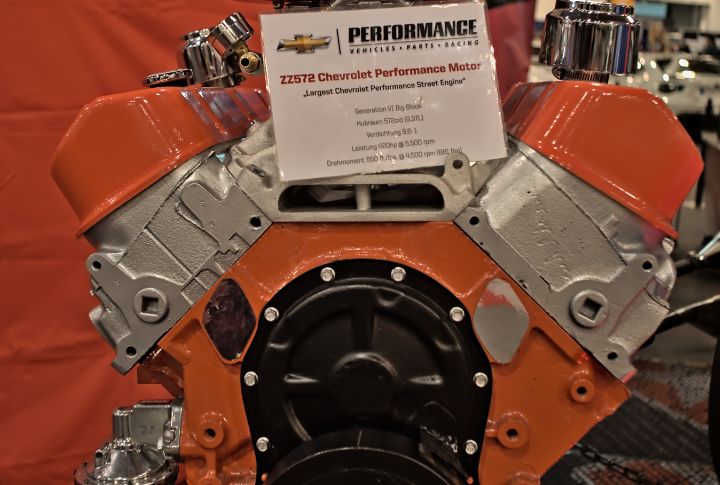
Can a naturally aspirated engine really hit four digits? Chevrolet’s ZZ632 proves it with 1,004 horsepower, to be exact. It’s a 632-cubic-inch monster with drag-strip DNA and street credibility. Released in 2021, it’s the largest and most powerful crate engine Chevrolet has ever built.
Why The W-Head Design Changed Everything
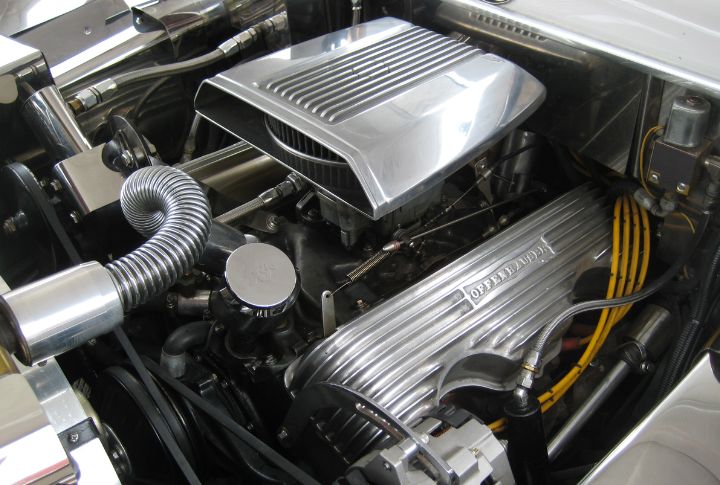
Curved combustion chambers weren’t just cosmetic flair. Chevrolet’s early big-blocks—especially the 348 and 409—used W-shaped heads to lower engine height while enhancing airflow. The design gave better torque at lower RPMs, especially useful in full-size cars and trucks. It’s a mechanical oddity that earned respect quickly.
The Big Block’s Influence On Pop Culture
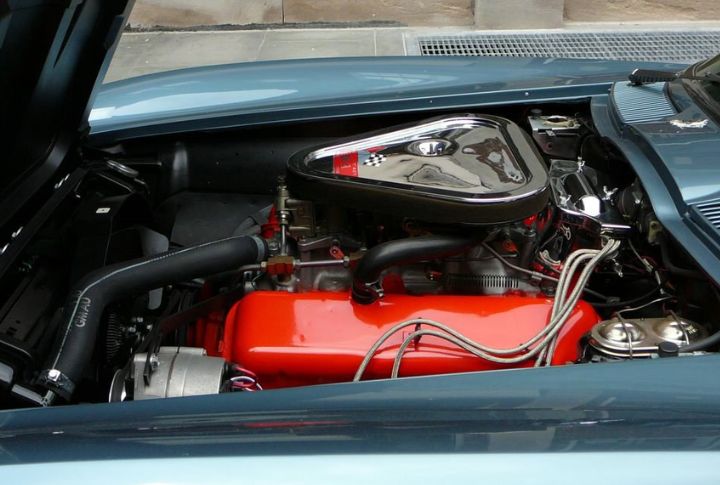
Movie car chases rarely skip the thunder of a big block. Songs, posters, and teenage dreams in the ’60s often revolved around Chevelles and Camaros with displacement to spare. It wasn’t just an engine; it became a symbol of horsepower and Americana.
The Enduring Legacy Of The Big Block
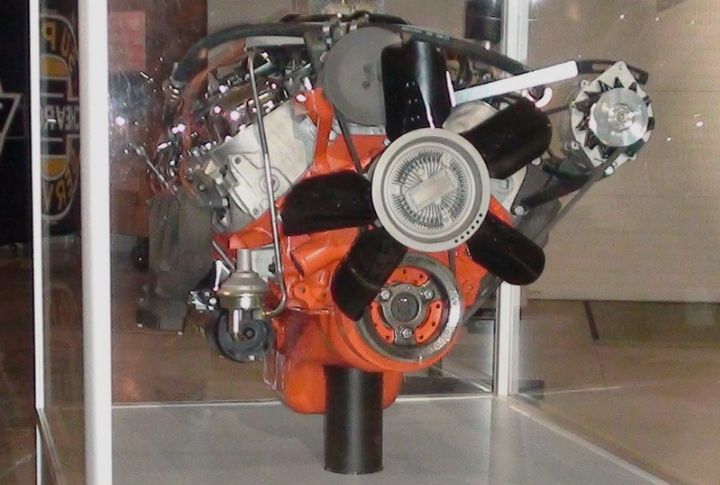
What remains after decades of engineering trends? Enthusiasts still rebuild, restore, and race Chevrolet big blocks. Their legacy matured into a thriving culture. From garage builds to car shows, the sound of a big block still turns heads like few engines ever have.