The Rise of Self-Driving Cars: What You Need to Know
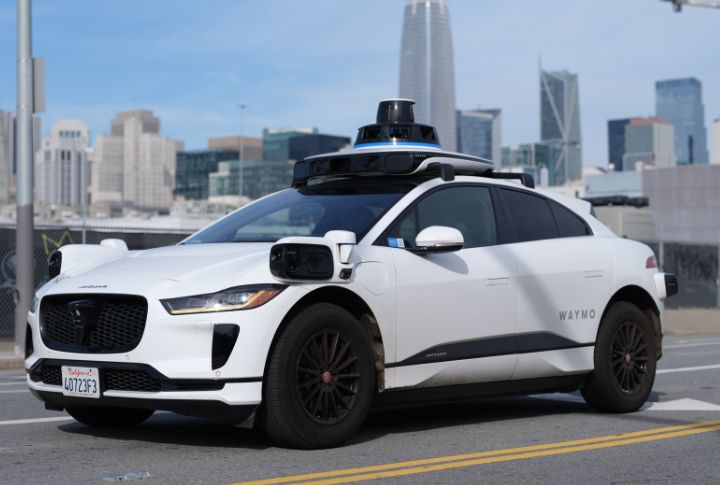
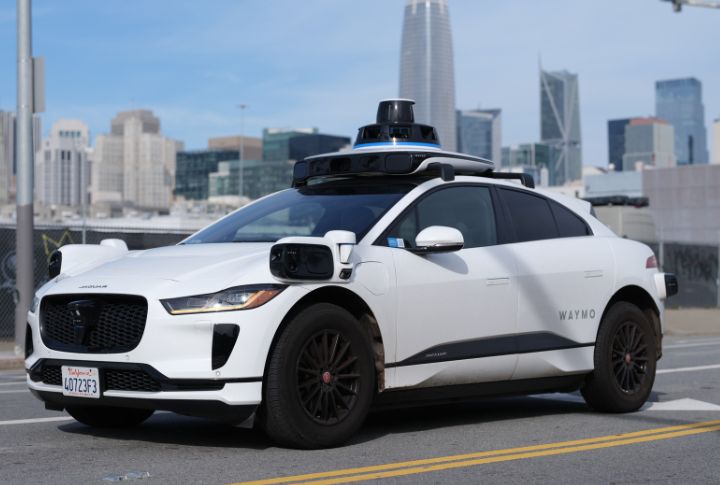
Self-driving cars, or autonomous vehicles (AVs), are quickly moving from science fiction to reality, changing how we view transportation. Equipped with high-tech sensors, cameras, and complex software, these cars can drive themselves without human help. As this technology develops, it’s essential to grasp how self-driving cars work and what effects they might have on our daily lives.
How Do Self-Driving Cars Work?
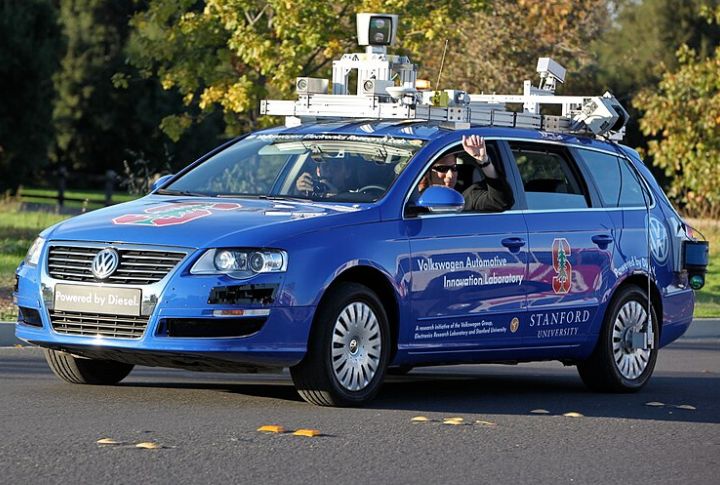
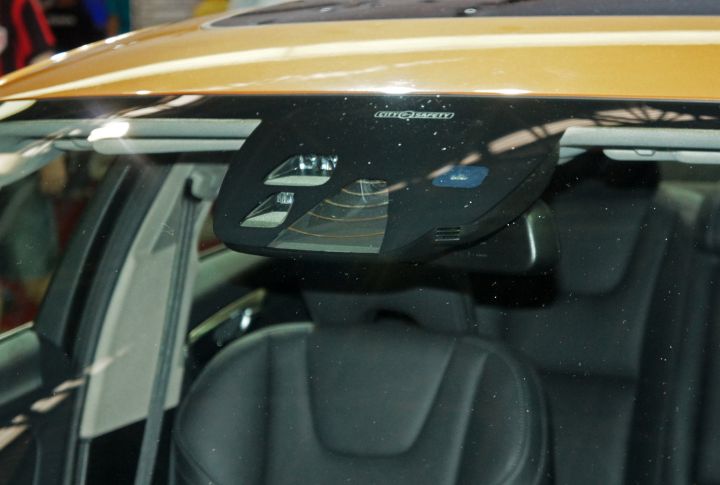
Self-driving cars use a mix of electronic “eyes” to see what’s around them. This setup features radar, cameras, and LiDAR (Light Detection and Ranging) systems that gather information. Advanced algorithms then sift through this data to understand traffic, road signs, and possible dangers, helping the car to drive safely and make smart choices.
Levels of Autonomy
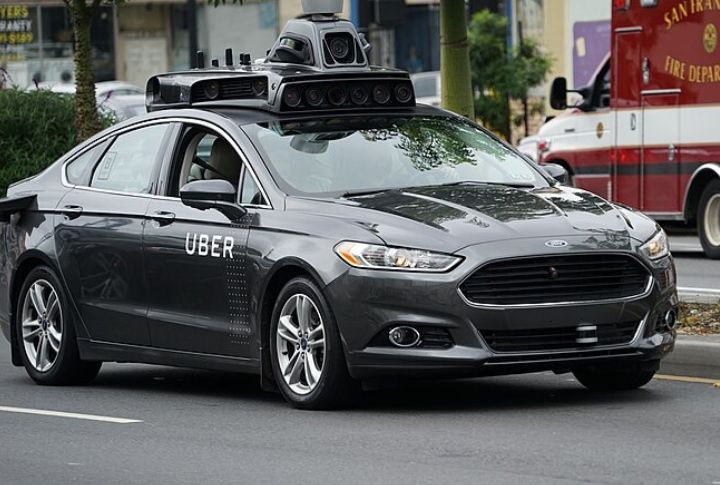
Cars are rated on a scale from 0 to 5 for their self-driving capabilities. Level 0 requires complete human control, while Level 1 allows the vehicle to manage one function at a time, like cruise control. Level 2 can handle steering and acceleration but still needs human oversight. At Level 3, the car manages all safety functions in certain conditions but requires the driver to intervene if needed. Level 4 is fully autonomous in specific situations, and Level 5 means the car can drive itself in any scenario.
The Potential Benefits of Self-Driving Cars
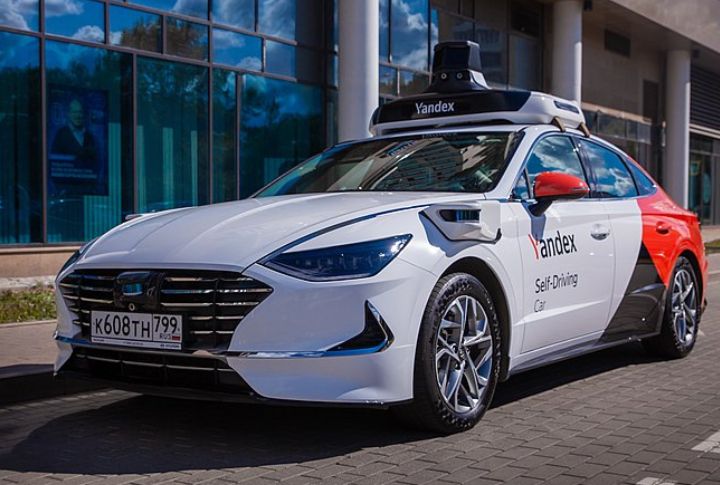
The advent of self-driving cars promises numerous benefits for society. With human error responsible for 90% of crashes, these autonomous vehicles could reduce accidents and save countless lives. They also hold the promise of improved mobility for the elderly and disabled, reduced traffic jams, and lower carbon emissions by streamlining driving habits.
Challenges and Limitations
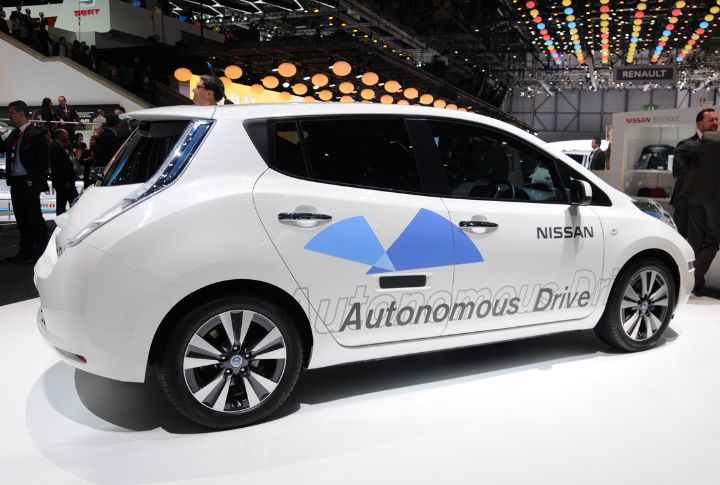
Even with their thrilling potential, autonomous cars still face significant challenges before they can become widely used. The high cost is a major issue, as the advanced sensors and computing technology make them pricey. There are also hurdles with regulations and public opinion, as both lawmakers and consumers are trying to navigate the ethical and legal questions surrounding these vehicles.
The Current State of Self-Driving Car Technology
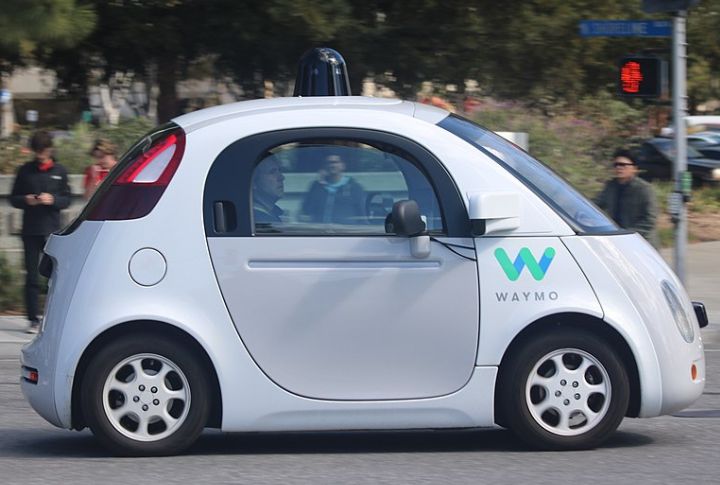
Although fully autonomous vehicles aren’t on the roads just yet, many companies are pushing the boundaries of this technology. Waymo, part of Alphabet (Google’s parent company), has already launched a successful robotaxi service in certain regions, providing rides in driverless cars. Meanwhile, big names like General Motor’s Cruise and Tesla are also progressing rapidly in developing their own autonomous driving systems.
The Future of Self-Driving Cars
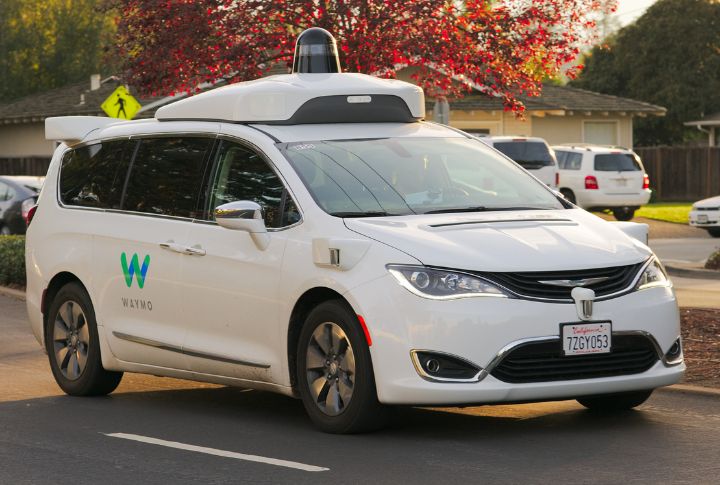
As technology keeps advancing, self-driving cars are expected to become more prevalent soon. By 2030, about 12% of new vehicles are predicted to have Level 3 or better autonomy, which could jump to 37% by 2035. However, the shift to fully autonomous cars will be gradual, meaning we’ll continue to see human drivers and self-driving cars sharing the road for some time.
A Much Needed Change
Self-driving cars will change how we travel and make our roads safer. Although there are still hurdles to overcome, advancements in sensors, machine learning, and computing are making these vehicles a likely part of our future. As we approach a world with fewer drivers, staying updated and involved in conversations about this fast-evolving technology is essential. This exciting shift in transportation is worth paying attention to.