The Real Reasons Manuals Are Still Common Across Europe

Stick shifts remain a staple on European roads, while automatics dominate in the U.S. The reasons behind this contrast go beyond simple preference, rooted in tradition, cost, and infrastructure. Driving habits and market trends all shape the divide, creating two distinct automotive worlds. To understand why manuals still thrive overseas, here are the key reasons.
Purchase Price

In Europe, financial considerations strongly influence car-buying decisions. Since manual transmissions require fewer complex components, their production costs remain lower, leading to more affordable purchase prices. Across the Atlantic, affordability plays a lesser role, with American consumers prioritizing convenience. Widespread competitive pricing further reinforces the dominance of automatics in the U.S. market.
Fuel Economy
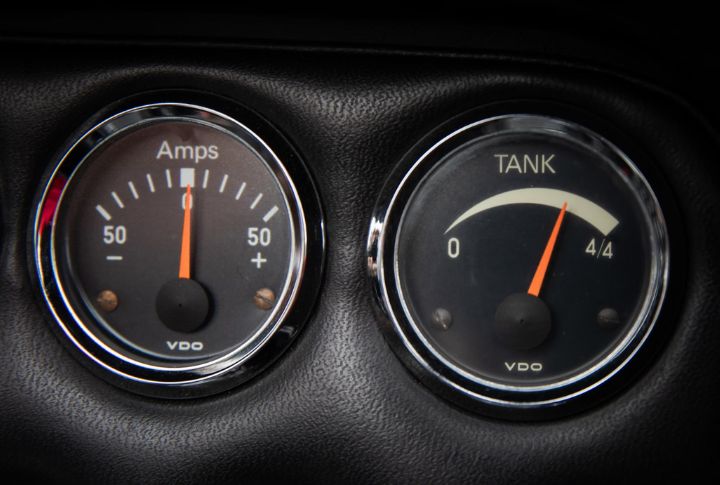
Traditionally, manual transmissions allowed greater control over gear shifts, optimizing fuel efficiency and maximizing mileage. However, technological improvements have significantly advanced the efficiency of automatic transmissions, narrowing the gap between the two. In the U.S., historically, lower fuel costs have meant that most drivers paid little attention to transmission type for economic reasons.
Driving Culture

European cities, often built centuries ago, feature narrow streets, complex intersections, and variable terrain, demanding precise vehicle handling. Manual transmissions offer enhanced control in these dynamic environments. In contrast, the American terrain favors a different driving experience—spacious highways, long commutes, and urban layouts designed for ease.
Licensing Requirements

In many European countries, learning to drive a manual car is the standard, with proficiency required to pass licensing exams. Conversely, U.S. licensing systems primarily focus on automatics, with manual vehicles considered niche. The absence of mandatory manual training means fewer American drivers develop the skills to handle stick shifts, perpetuating their declining presence.
Resale Value And Secondhand Market

Manual cars across Europe retain strong resale value due to sustained demand, making them a reliable long-term investment. Buyers actively seek well-maintained manual vehicles, which keeps the cycle of ownership alive. American buyers, however, gravitate toward automatics when shopping secondhand, pushing manuals further into obscurity.
Vehicle Demand

Automakers in Europe continue to manufacture manual cars in significant numbers, reflecting the strong preference among local consumers. Many drivers even appreciate the hands-on control manuals that are provided, reinforcing their widespread presence in dealership inventories. Meanwhile, in the U.S., automatics dominate showrooms, with manufacturers prioritizing convenience-driven designs.
Maintenance Costs
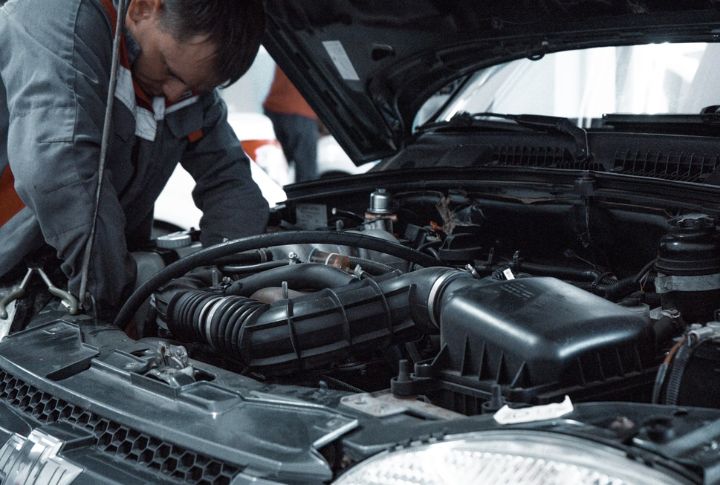
Manual transmissions tend to last longer due to their simpler mechanical design, relying on fewer intricate components like hydraulic systems and electronic sensors. With routine maintenance, they can function reliably for hundreds of thousands of miles without major repairs. In contrast, automatic transmissions introduce added complexity, requiring specialized servicing and pricier parts.
Performance Preferences

European drivers, particularly those who enjoy spirited driving, often favor manuals for their precision in acceleration and gear control. In performance vehicles, manual shifting allows for quicker engagement and an immersive driving experience, catering to those who appreciate direct mechanical feedback. While American sports car enthusiasts do embrace manuals, automatics remain dominant in high-performance models.
Historical Trends

In Europe, manual transmissions have remained the standard for generations. The U.S., however, experienced a shift toward automatics in the mid-20th century. This was a result of technological advancements and manufacturing innovations that made automatic cars more accessible. This divergence in transmission preference persists and is deeply embedded in the driving habits of each region.
Environmental Considerations
Regulators in Europe impose strict emissions controls, pushing manufacturers to optimize fuel efficiency and reduce environmental impact. Historically, manuals allowed greater control over fuel consumption. However, as automatic technologies advance, the gap between transmission types narrows. In the U.S., emissions standards have been more lenient, allowing automatics to dominate without stringent fuel-saving incentives.