The 10 Real Reasons Ford Discontinued The Gran Torino
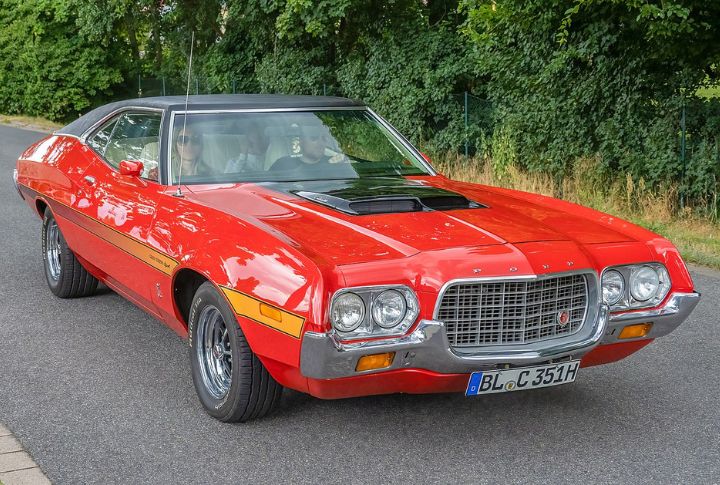
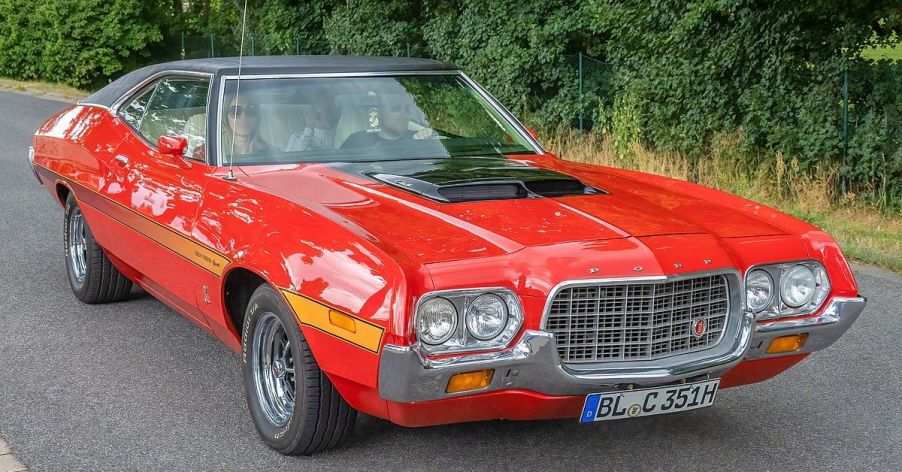
For a car that once turned heads and packed muscle, the Gran Torino’s quiet disappearance felt out of place. But the decision wasn’t sudden. Ford faced mounting pressure, both under the hood and in the boardroom. Here’s what truly happened when the road ran out for this classic American favorite.
Changing Consumer Preferences

By the late 1970s, buyers shifted away from muscle cars to smaller and fuel-efficient vehicles. Rising fuel prices and growing environmental awareness made powerful, gas-guzzling cars less appealing, which led Ford to reconsider the Torino’s place in its lineup.
Stricter Emission Regulations
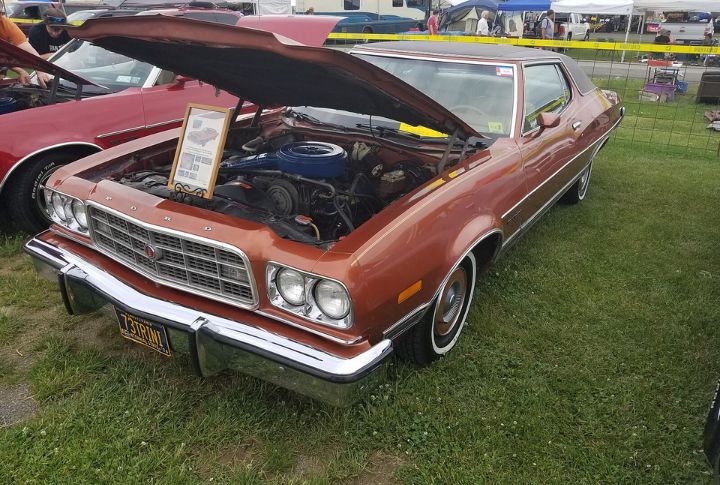
Tougher federal emission laws in the 1970s forced carmakers to rethink their engine designs. The Gran Torino’s powerful V8s became liabilities under these restrictions. Ford faced mounting pressure to either reengineer the vehicle or remove it from a changing regulatory environment.
Safety Mandates Raise Costs
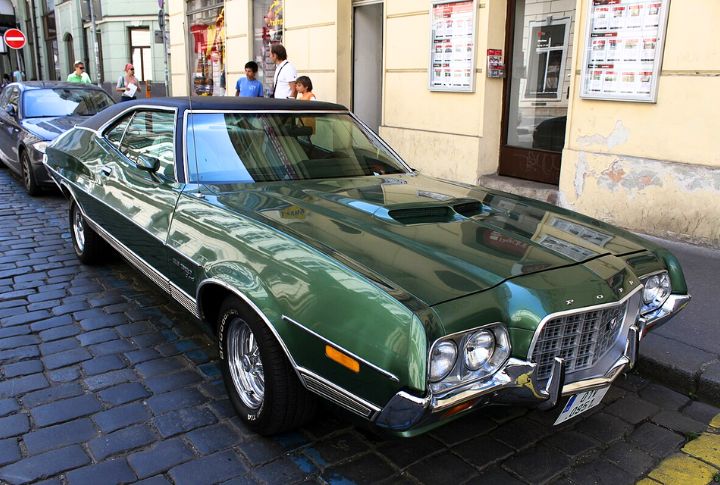
Government-mandated safety updates meant rebuilding parts of the Gran Torino from the frame up. The added cost per car tightened profit margins. Ford saw little reason to invest heavily in a model that no longer aligned with its broader business strategy.
Internal Brand Competition
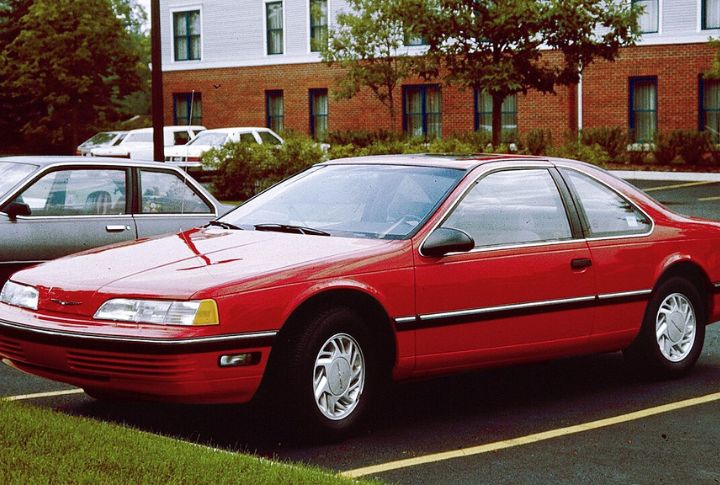
Ford’s own lineup began to cannibalize the Gran Torino’s market. Models like the LTD and Thunderbird offered similar features with updated styling and comfort. As these alternatives gained popularity, Torino’s relevance within Ford’s offerings steadily declined during the phase-out.
Rising Insurance Premiums for Muscle Cars

Muscle cars like the Gran Torino became increasingly expensive to insure. For many buyers, the added financial burden made ownership less attractive. Insurers raised rates on high-horsepower vehicles due to rising accident risks and repair costs. This discouraged sales and weakened long-term viability.
Platform Aging And Design Obsolescence
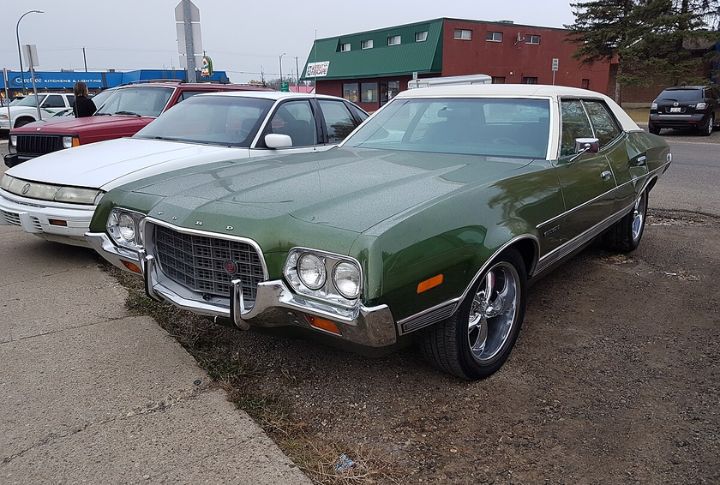
The Gran Torino lagged in performance and design as rivals pushed forward with newer, better models. Ford didn’t retool its engineering, and the car began to feel outdated. Market shifts and declining demand made ending production a practical and expected outcome.
Strategic Shift Toward New Segments
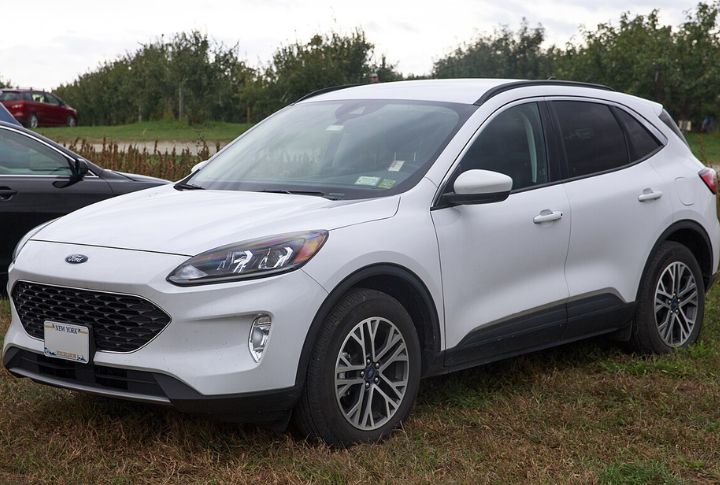
Ford began focusing on growing market segments like SUVs and compact cars, which promised better profitability and mass appeal. This strategic pivot left less room for models like the Gran Torino, which didn’t align with the brand’s evolving priorities and consumer demands.
Rising Production Costs

Increasing manufacturing expenses, including labor and materials, made continuing the Gran Torino less economically viable. As the model aged, updating it to meet new standards required costly investments. Ford opted to focus resources on newer, more profitable vehicles instead.
Fuel Economy Standards Clashed With Performance
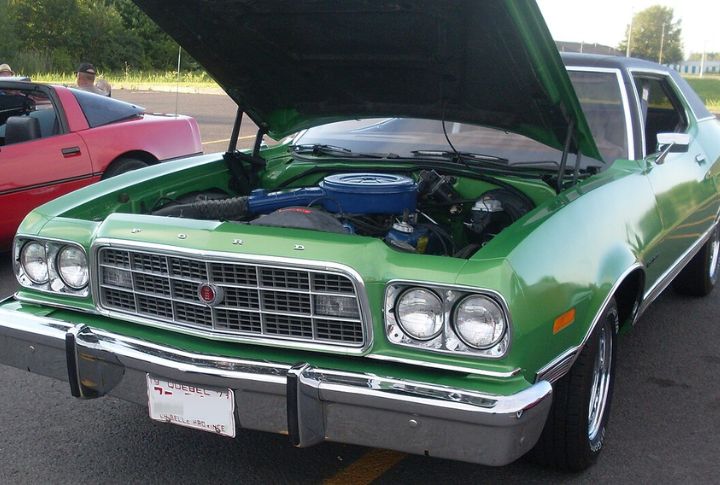
Corporate Average Fuel Economy (CAFE) rules, introduced in the mid-1970s, penalized automakers for low fleet-wide fuel efficiency. Heavy, high-displacement cars like the Gran Torino dragged Ford’s averages down. Scrapping it helped Ford meet government targets without overhauling every engine across its lineup.
Decline In Muscle Car Popularity
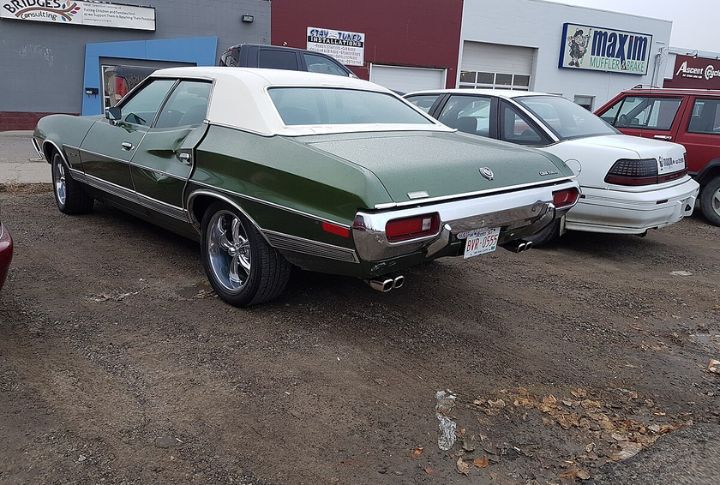
The muscle car era had peaked, and public interest was waning. Buyers no longer prioritized raw horsepower as they once had. The Gran Torino, built on that legacy, found itself out of sync with newer tastes. This decline pushed Ford to refocus on emerging automotive trends.