The Only RV Packing Checklist You’ll Need
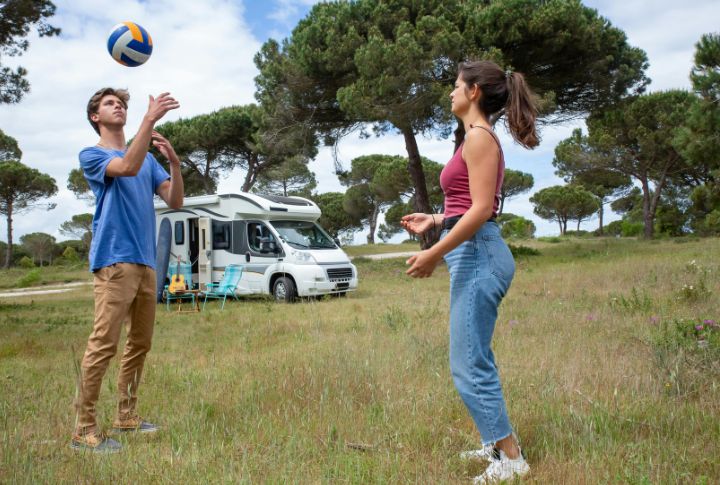
Nothing kills road trip bliss like forgetting something vital 100 miles out. It could be the thing that powers your fridge—or keeps your sewage system from turning into a nightmare. If you want to travel smart and stress-free, start with these 20 road-tested RV must-haves.
Surge Protector
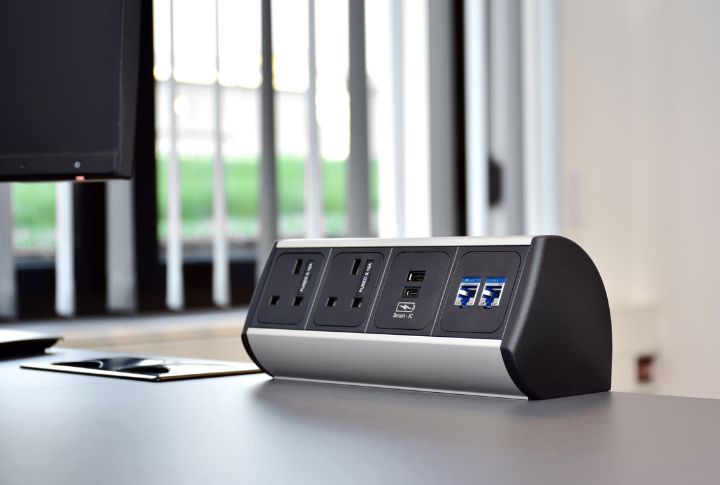
Power surges are more common at RV parks than most travelers expect. One faulty hookup can fry your electronics in seconds. Isn’t a $100 device worth saving a $2,000 fridge? So, a surge protector isn’t flashy, but it’s one of your best insurance policies on the road.
Water Pressure Regulator
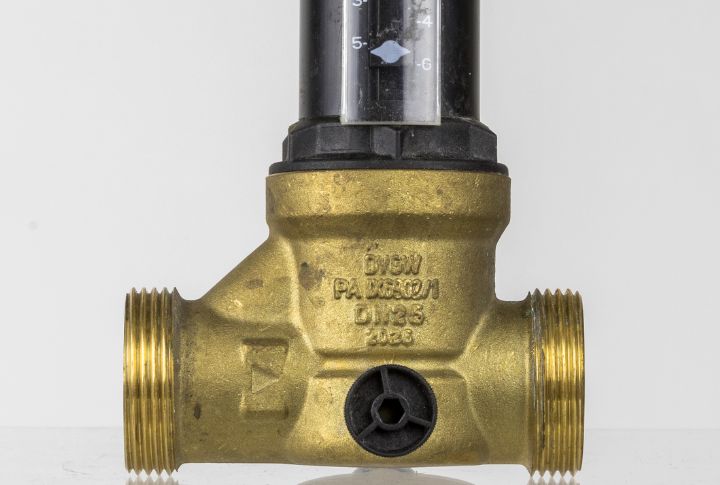
Campground faucets can release water at pressures over 100 PSI—well above the safe threshold for RV plumbing. Regulators keep things steady, typically capping pressure around 40–60 PSI. Not so glamorous, but it protects pipes from cracking and stops leaks before they soak your underbelly storage.
Leveling Blocks
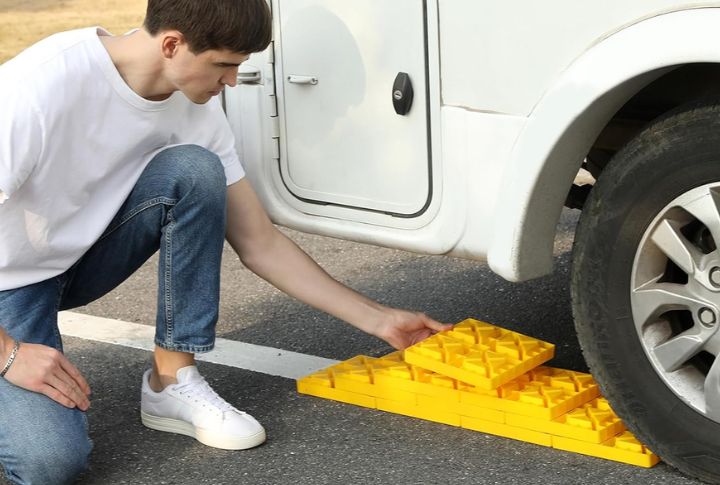
Waking up tilted can throw off your fridge, your shower drainage, and your entire mood. Leveling blocks can solve this problem. Stackable and lightweight, they create a stable base when the site doesn’t cooperate. A straight floor means a smooth trip, especially when cooking or sleeping.
Sewer Hose Kit
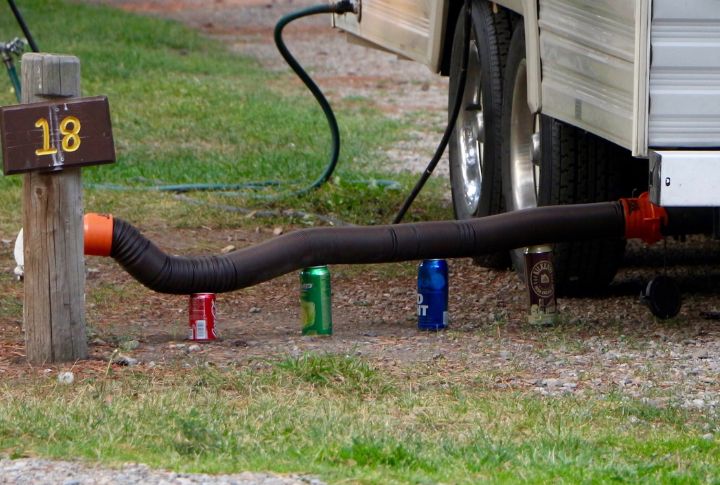
Few things ruin a trip faster than waste backflow. A durable sewer hose kit with tight fittings and good length is your first line of defense. Nobody wants an unexpected mess at the dump station. So, invest wisely—you’ll thank yourself later.
Drinking Water Hose
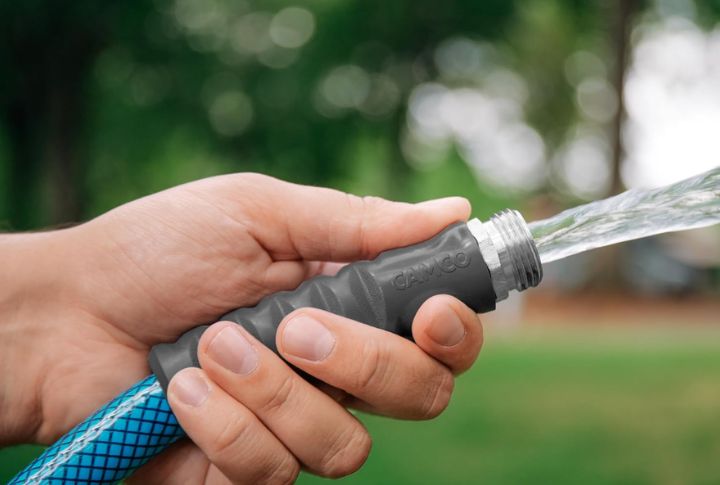
Standard hoses often leach chemicals into water—fine for plants but dangerous for drinking. Only NSF-certified hoses are safe for filling your RV’s drinking water tank. Colored blue or white for easy ID, these specialized hoses ensure every sip stays clear and contaminant-free.
Wheel Chocks
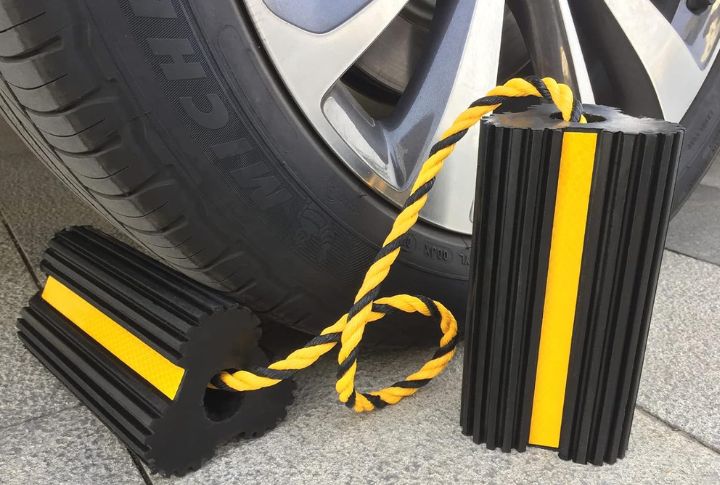
Some RVers learn the hard way: gravity always wins. Without sturdy wheel chocks, even a slight slope can send your rig rolling. Whether you’ve parked on gravel or asphalt, these small wedges secure your tires—and your peace of mind—with zero guesswork involved.
Fire Extinguisher
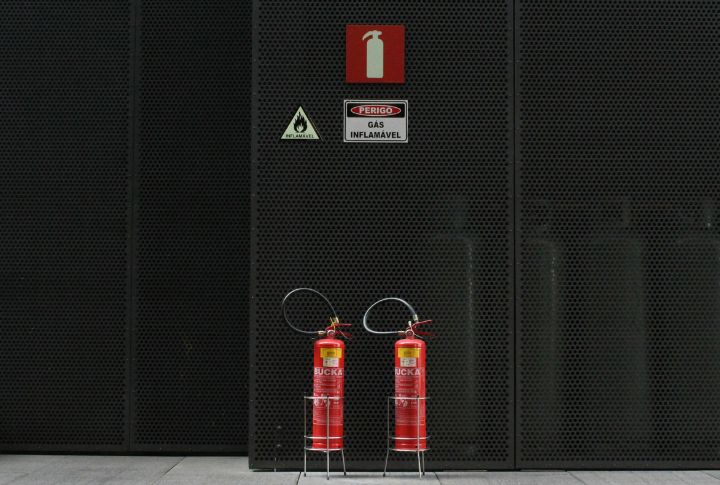
How fast can you reach yours? RV fires can spread in under two minutes, according to the National Fire Protection Association. Having a charged, accessible fire extinguisher could save your entire vehicle. So, don’t bury it in a closet—its accessibility makes all the difference.
First Aid Kit
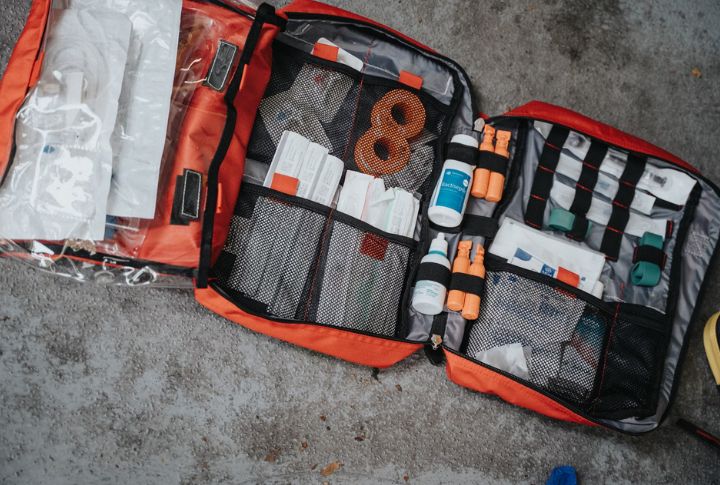
Scraped knees and minor burns are common when adventuring outdoors. A stocked first aid kit helps you handle such issues before they escalate. Include tweezers, antiseptics, gauze, antihistamines, and burn cream because emergencies don’t wait. Just keep your first-aid essentials in one place to avoid panic.
Tool Kit
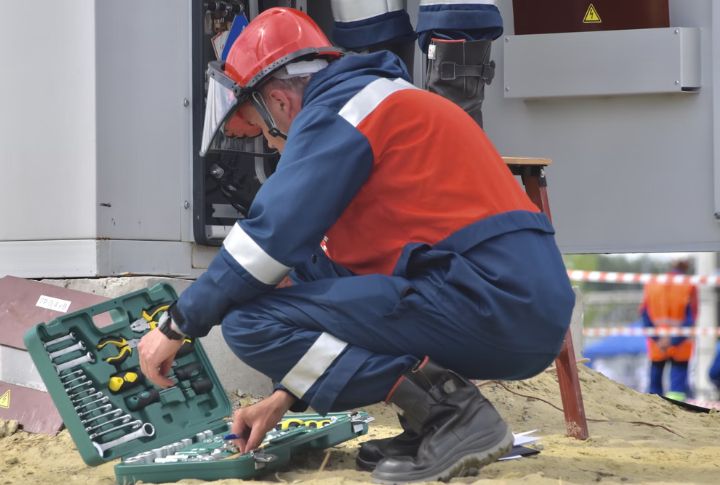
Nothing screams “stuck” like a loose bolt on your slide-out or a faucet leak at midnight. A compact tool kit can handle dozens of surprises with ease. Think screwdrivers, adjustable wrenches, tape, and zip ties. It won’t fix everything, but it covers more than you’d think.
Flashlights And Batteries

After dark, that trail to the restroom can feel like a black hole. Reliable flashlights—and fresh batteries—become essential tools at that time. You can use them during emergencies or late-night BBQs. They’re the kind of gear you never miss until it’s too late.
Portable Generator
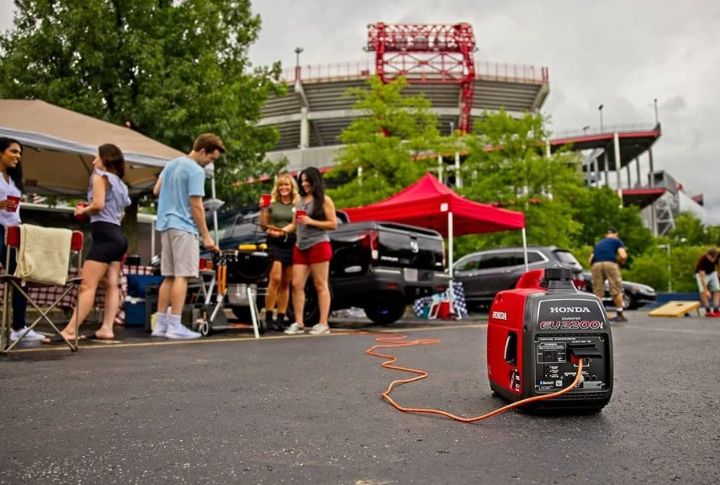
Are you planning to boondock? Your generator will fill the gap when shore power isn’t available. Models like the Honda EU2200i offer quiet operation and solid runtime. Be sure to factor in wattage needs for air conditioners and microwaves. Silence and power aren’t mutually exclusive anymore.
Folding Chairs And Table

Even the best campsites rarely include seating worth using. Folding chairs and a collapsible table turn gravel lots into cozy porches. Today’s models balance lightweight design with surprising durability. Meals, games, and sunsets feel better when you’re not sitting on a cooler.
Awning Mat
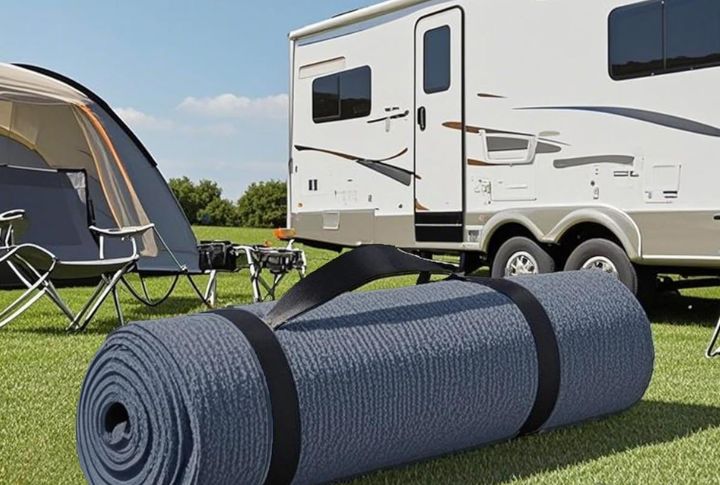
What’s the best way to keep mud out of your RV? A breathable awning mat. Placed just outside the door, it traps grit and dust before they reach your floors. Plus, it gives pets and barefoot humans a cleaner place to sprawl outdoors.
GPS Navigation System

A phone app might suffice—until the signal drops or height restrictions pop up. RV-specific GPS units consider bridge clearance, propane restrictions, and vehicle length. Garmin and Rand McNally models give real-time traffic updates tailored for rigs. It’s not just convenience; it’s rerouting disaster in advance.
RV-Specific Toilet Paper

Despite having a similar appearance to ordinary tissue, RV toilet paper is made to decompose rapidly in holding tanks. That means fewer clogs, easier dumps, and happier sensors. You won’t notice a difference in use, but your black tank sensors definitely will.
Kitchen Essentials
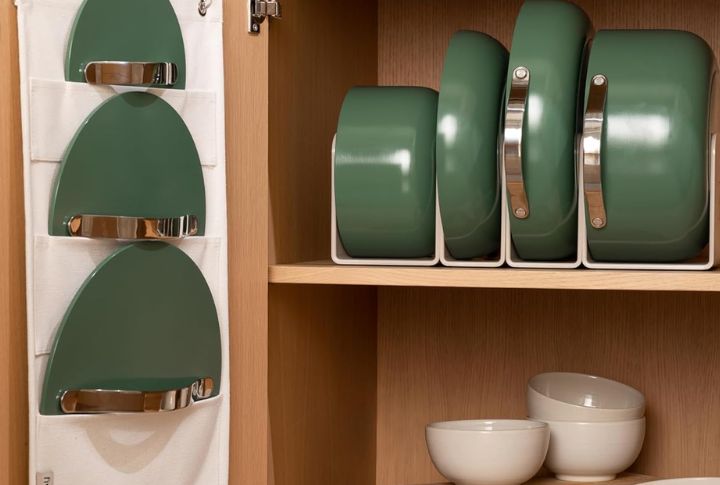
Tight space doesn’t mean canned soup forever. With nesting cookware, collapsible colanders, and magnetic spice racks, RV kitchens punch above their weight. Skip the 10-piece dinnerware set—opt for multi-use tools that actually fit your drawers. Meals taste better when prepping feels this simple.
Bedding And Linens

Let’s be real: Thin RV mattresses are not that comfortable. Quilted mattress toppers, climate-appropriate linens, and dedicated pillows transform a basic bunk into a restful nest. Bring only what you’ll use, but always enough for the changing weather ahead. A good night’s sleep fuels the next day.
Cleaning Supplies

Dust and campfire grit sneak in constantly. Keeping a small broom, vinegar spray, microfiber cloths, and a cordless vacuum on hand helps maintain order in a limited space. Clean surfaces also discourage pests and mildew—problems you really don’t want tagging along.
Laundry Supplies
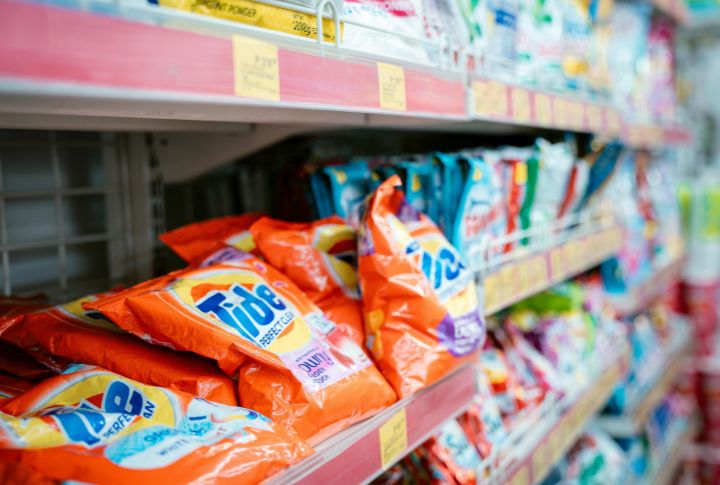
Extended stays mean laundry piles up quickly. So, you’ll need collapsible hampers and space-saving detergent pods to make wash day less of a chore. Not all campgrounds offer machines, so a portable drying rack or clothesline can be a game-changer. Clean clothes on the road feel like a luxury.
Entertainment Options

Rainy days and downtime between hikes all call for entertainment. Pack paperbacks, a deck of cards, or downloaded shows. Some travelers even mount projectors inside or under awnings. Entertainment might seem optional—until you’re stranded during a thunderstorm without Wi-Fi.