The 10 Most Beloved Vespas Of All Time
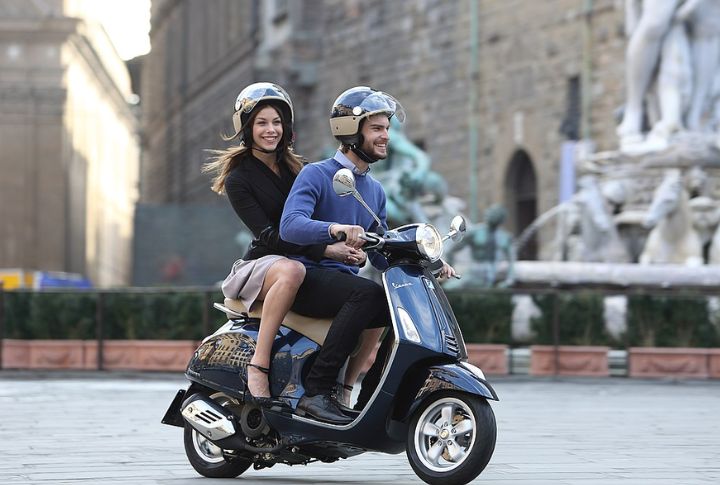
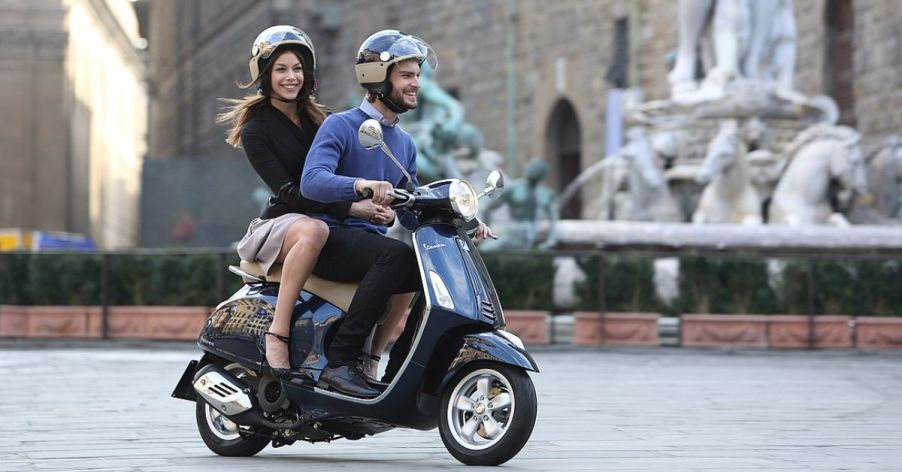
Vespa was introduced as a solution for everyday travel following World War II. But it didn’t stay ordinary for long. With smooth lines and surprising staying power, these scooters found fame far beyond the streets. Some even earned cult status, while others redefined urban mobility. But, each one had a moment—and it stuck.
Vespa 98 (1946)
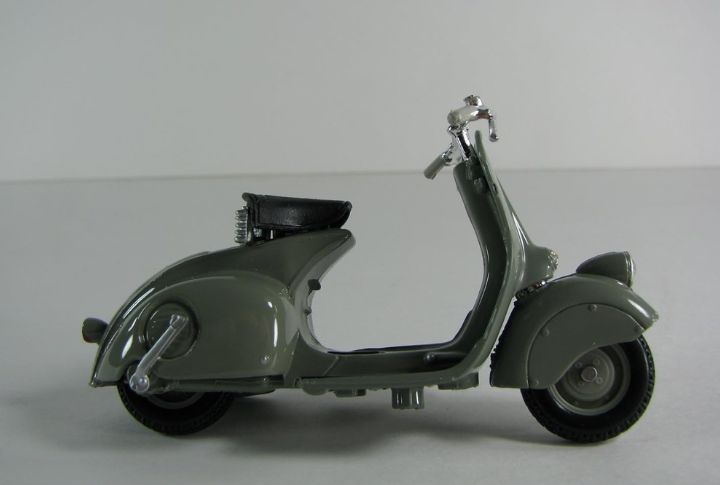
Launched in April 1946, the Vespa 98 played an important role in resolving Italy’s post-war mobility crisis. Corradino D’Ascanio designed the airplane-style frame with monocoque construction. With no clutch lever or kickstand, it was simple but clever. Only 17,000 were made, which has boosted collector value.
Vespa GS 150
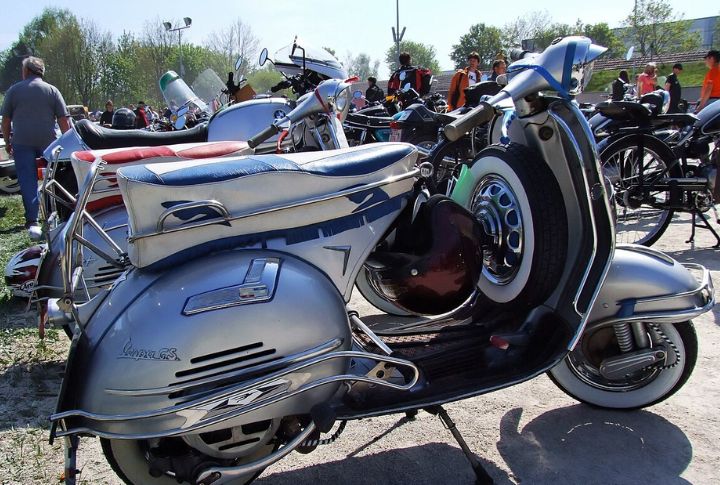
The GS 150 earned its place in La Dolce Vita and in garages across Europe. Vespa launched it in 1955 to qualify for racing, but it soon became a favorite among young people. With 10-inch wheels and a 4-speed gearbox, it turned everyday rides into stylish escapes.
Vespa Sei Giorni
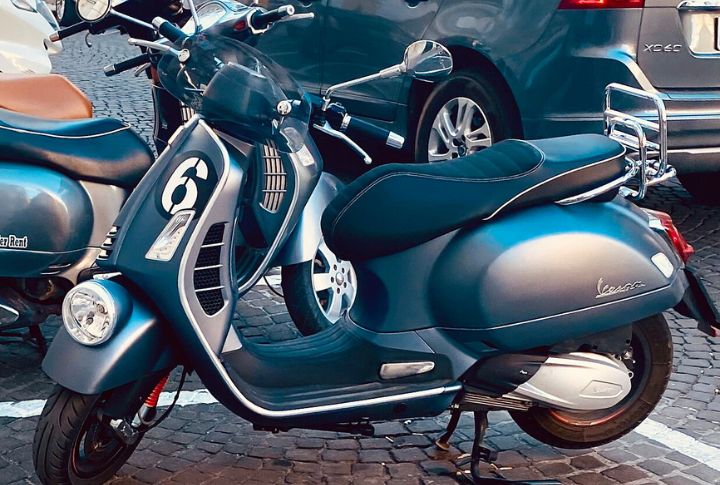
Vespa honored its 1951 racing victory with the Sei Giorni edition. This 2017 GTV variant came with a low headlamp and a handlebar-mounted speedometer. It stood apart from standard releases. Collectors know early editions were numbered and limited, a nod to Vespa’s rare motorsport legacy.
Vespa 50 Special
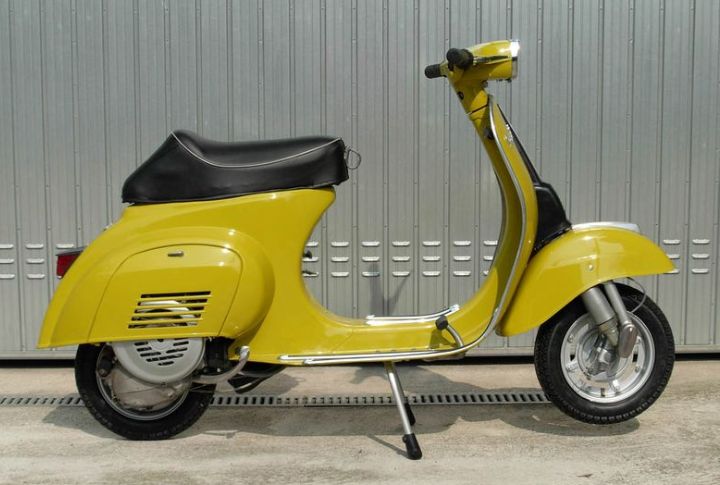
Though under two horsepower, the 50 Special became a Mod icon not for speed but for style. Launched in 1969 to comply with Italy’s under-14 riding laws, its slim frame and square headlamp won teen hearts. Today, many unknowingly repaint over rare factory finishes.
Vespa Rally 180
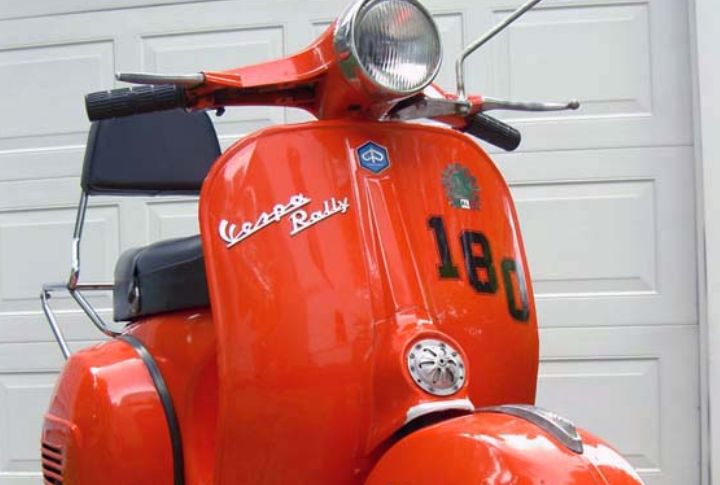
In 1968, Vespa launched the Rally 180 with its strongest engine at 181cc. It added an internally vented flywheel and a newly shaped tail. Lasting six years, it gained cult status. Few realize that it once rivaled Japanese bikes in the growing speed market.
Vespa PX 150
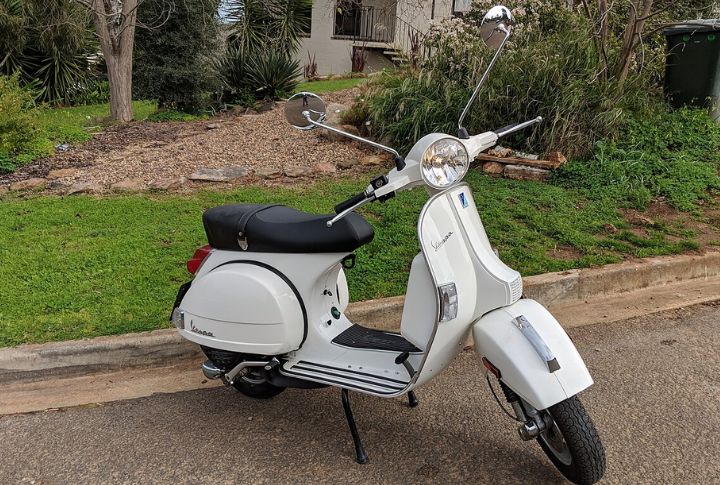
More than 3 million PX 150s hit the road after its 1977 debut. Riders praised its four-speed twist grip and the ease of having separate oil and fuel tanks. It also featured drum brakes, which purists adored. Unlike its rivals, it stayed proudly manual, and people took notice.
Vespa Sprint Veloce
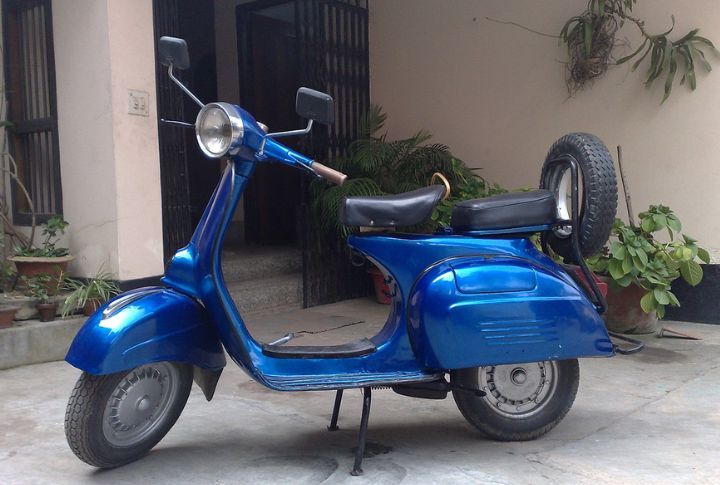
From 1969 to 1979, the Sprint Veloce introduced Vespa’s first three-port engine by boosting torque without guzzling fuel. The vehicle held onto the slim frame and 10-inch wheels but added real punch. Many confuse it with the standard Sprint, though only the Veloce had the upgrade. It also vanished quietly before the PX arrived.
Vespa ET4
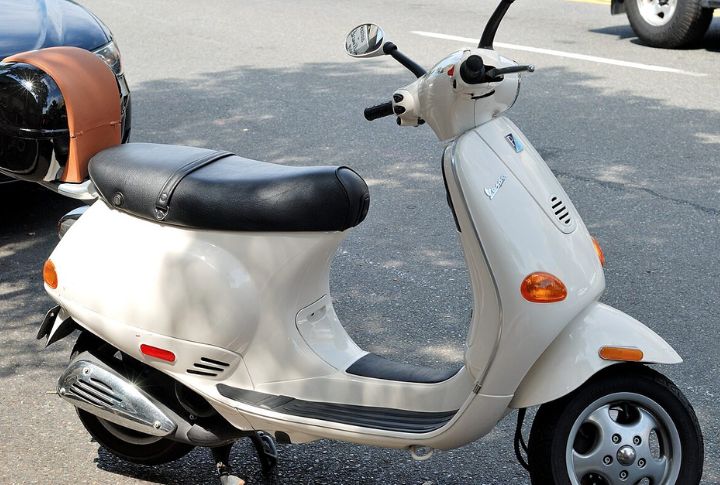
Riders might not guess it, but the ET4 shared a base with the Piaggio Liberty. This scooter arrived in 2001 with a four-stroke 150cc engine, which ended Vespa’s long U.S. absence. With extras like electric start and a glovebox, it revived America’s love for scooters.
Vespa Primavera
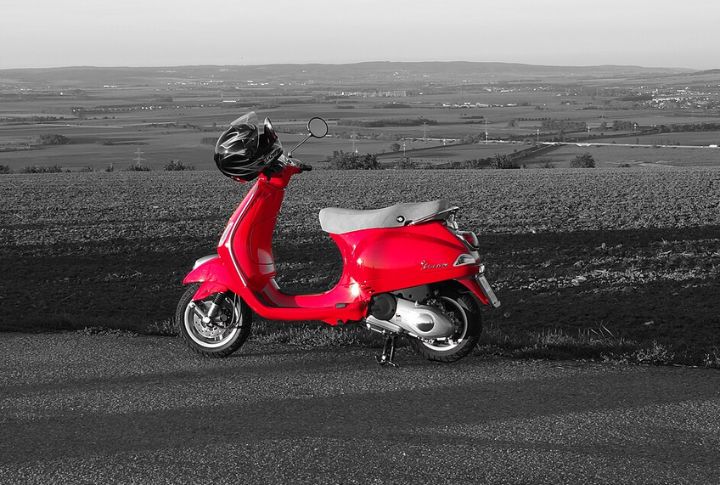
The Primavera’s name returned in 2013, but the story began in 1968. The original scooter captured the spirit of youth, while the relaunch gave it a modern frame and updated suspension. Most riders don’t realize that it rides on a new wheelbase and Piaggio’s single-frame chassis.
Vespa 946
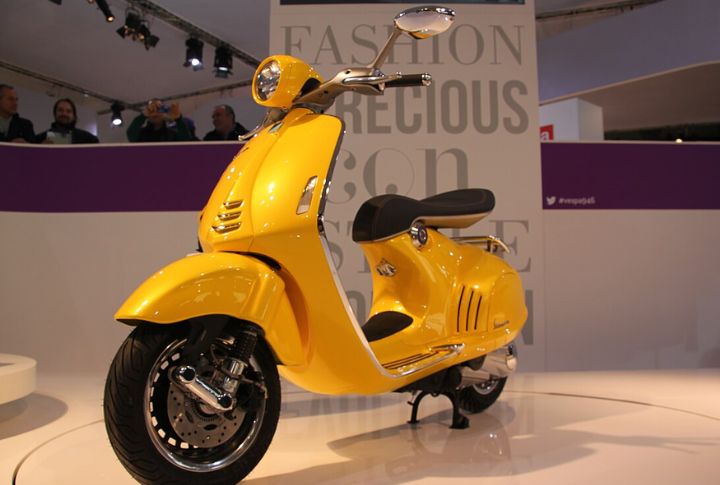
Blending old charm with modern flair, the 946 launched in 2013 as a bold experiment in luxury. Its frame is a fusion of pressed steel and aluminum—an unusual move for Vespa. Inspired by the 1946 original, it featured stitched leather seating and was handcrafted in limited yearly runs.