The Impressive History Of Bugatti
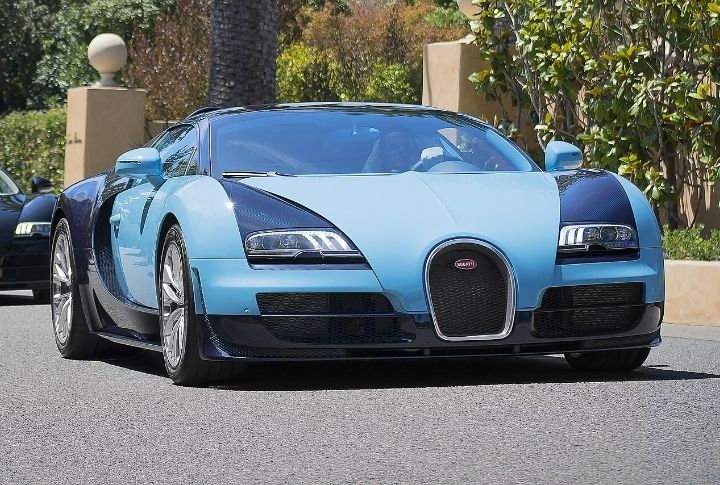
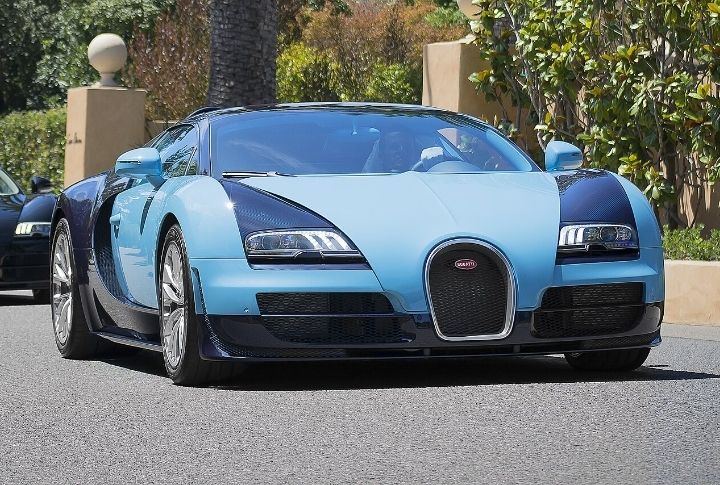
From its early racing successes to its modern-day hypercars, Bugatti has pushed the boundaries of what is possible in the auto world. Each milestone in Bugatti’s history reflects a relentless pursuit of excellence, making it a true icon in the industry. Here are 15 key moments in the automaker’s history.
Founding and Early Years
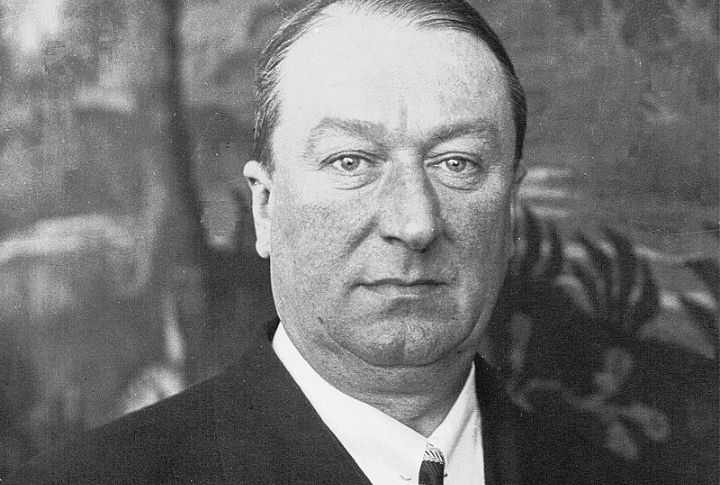
Bugatti was founded by Italian-born French automobile designer Ettore Bugatti in 1909 in Molsheim, Alsace. His vision was to create high-performance vehicles with unparalleled beauty and engineering excellence, setting the stage for Bugatti’s legendary reputation.
The Bugatti Type 13 (1910)
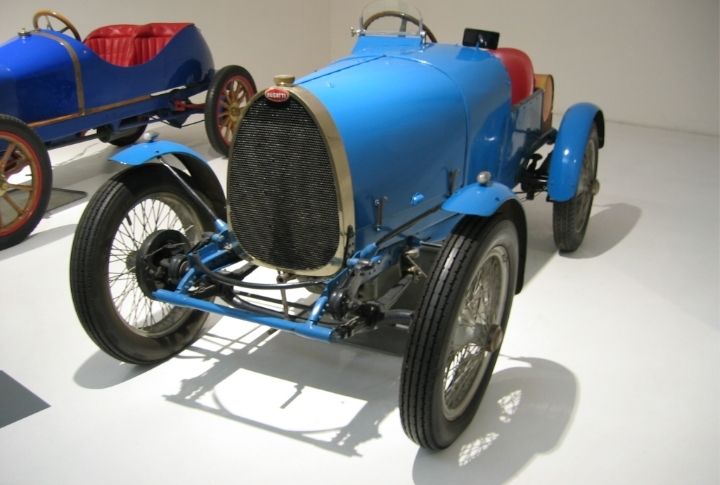
Introduced in 1910, the Bugatti Type 13 was the first true Bugatti automobile. Famous for its lightweight construction and advanced engineering, the Type 13 achieved significant success in racing, establishing Bugatti’s reputation for performance and reliability.
Racing Dominance in the 1920s
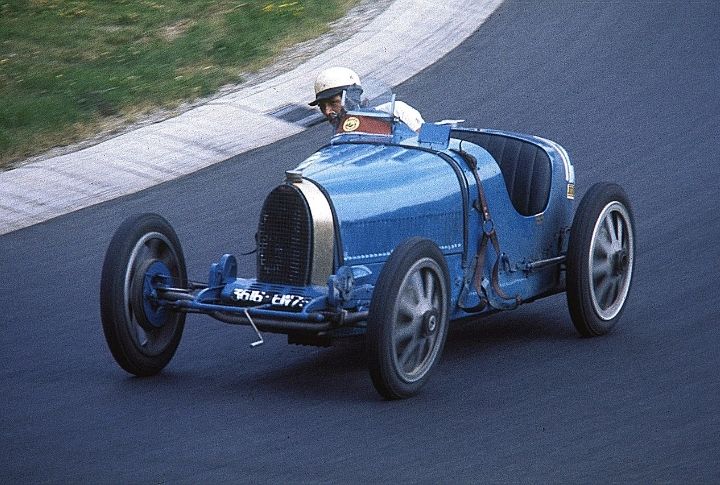
In the 1920s, Bugatti dominated the racing track with models like the Type 35. The Type 35 won over 1,000 races, including the Targa Florio and multiple Grand Prix events. Its success on the track solidified Bugatti’s status as a premier racing marque.
The Bugatti Royale (1926)
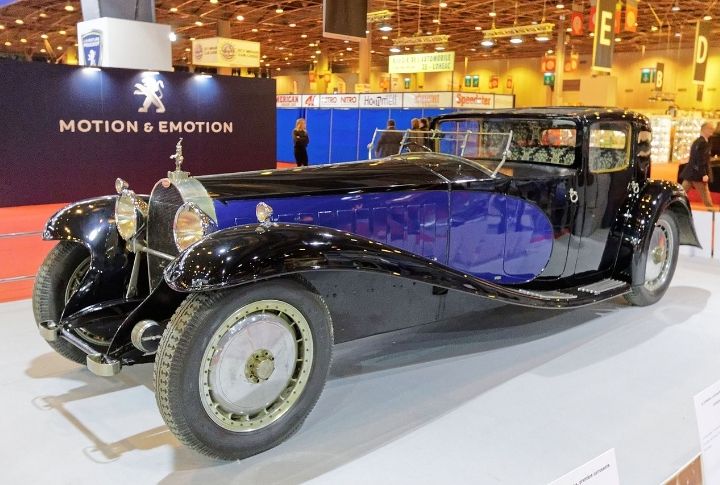
1926 saw Bugatti introduce the Royale, a luxurious and colossal vehicle designed for royalty. Only six were ever made, and its 12.7-liter engine was one of the largest and most powerful of its time. Many believe the Royale set the stage for Bugatti’s commitment to luxury and exclusivity.
The Type 57SC Atlantic (1936)
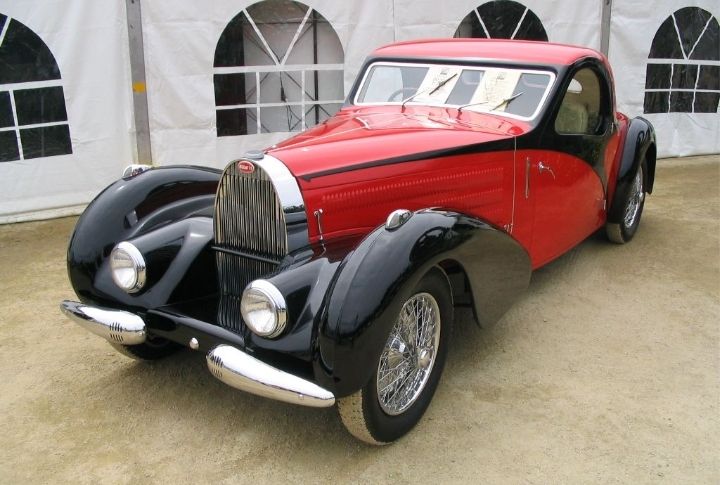
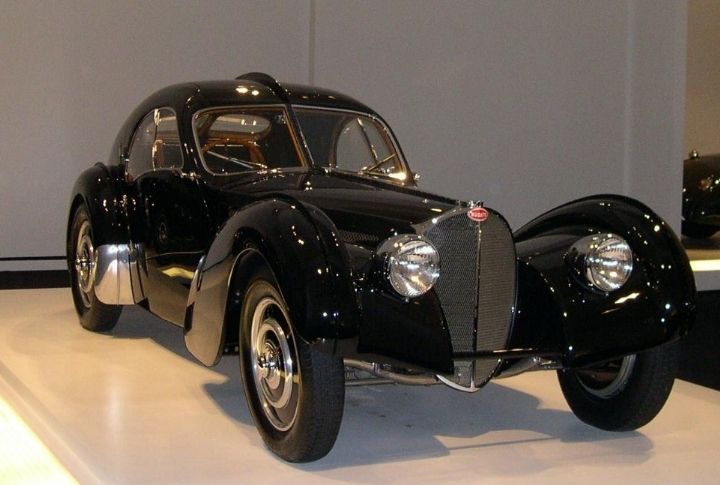
Due to its distinctive design and advanced engineering, this is one of the most iconic and valuable cars in history. Only four were ever produced, making it one of the rarest cars in history. Today, it is still considered one of the most beautiful cars ever made.
Ettore Bugatti’s Death (1947)
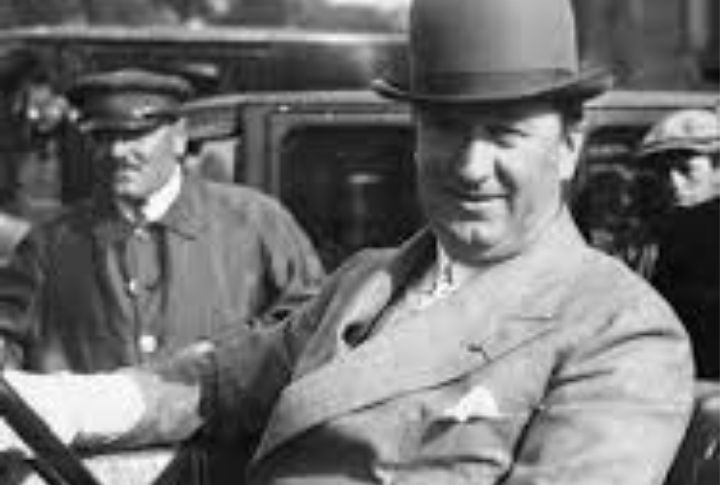
Ettore Bugatti passed away in 1947, marking the end of an era. His death left a void in the company, and without his visionary leadership, Bugatti struggled to maintain its previous success and innovation. However, it was only a matter of time before the legends bounced back.
Post-War Struggles
After World War II, Bugatti faced numerous challenges, such as financial difficulties and declining sales. Despite its efforts, it was unable to restore its pre-war success and ultimately stopped producing automobiles in the early 1950s.
Revival Attempts in the 1980s
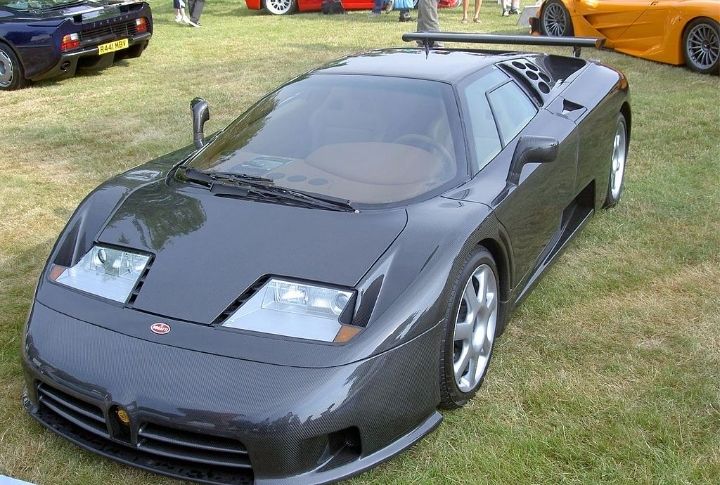
Italian entrepreneur Romano Artioli acquired the Bugatti name in the 80s and launched the EB110 supercar in 1991. Despite its technological advancements and performance, the EB110 struggled commercially, leading to Bugatti Automobili’s bankruptcy in 1995.
Volkswagen Group Acquisition (1998)

Luckily, that was not the end. In 1998, Volkswagen Group acquired the Bugatti brand, aiming to revive its legacy. This acquisition marked the beginning of a new chapter for Bugatti, with a focus on producing the world’s most advanced and luxurious supercars.
The Bugatti Veyron (2005)
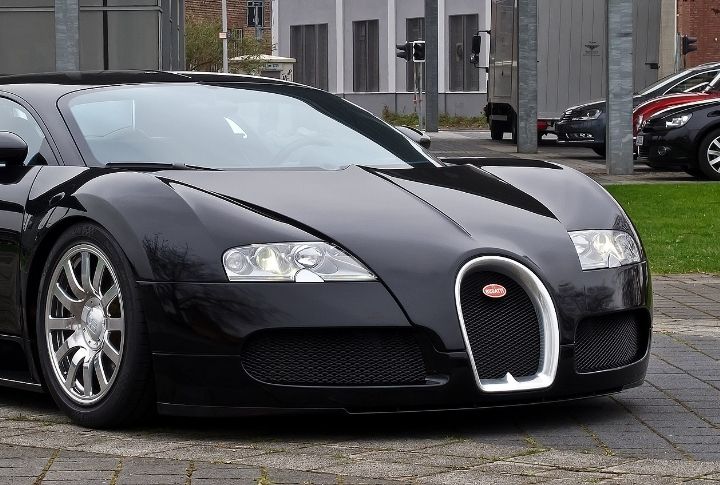
The Bugatti Veyron changed the game in 2005 by setting new standards for performance and engineering. With a top speed of over 250 mph and a 1,001-horsepower engine, the Veyron became an instant icon, showcasing Bugatti’s commitment to pushing the boundaries of automotive technology.
World Speed Records
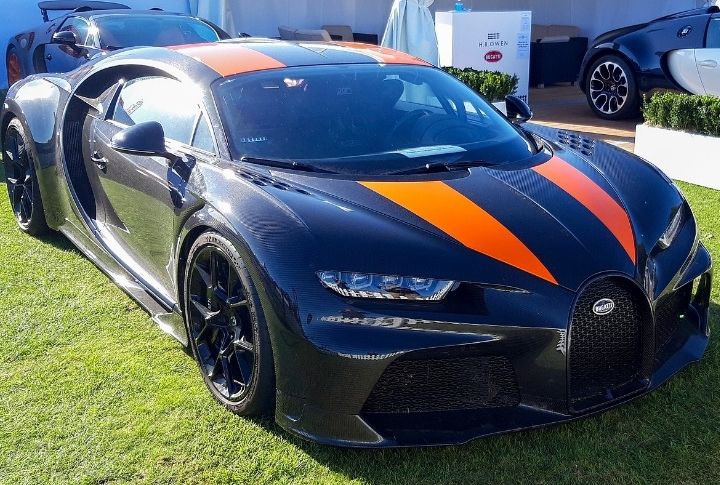
The Veyron and its successor, the Chiron, have set multiple world speed records. In 2010, the Veyron Super Sport reached 267.8 mph, and in 2019, a modified Chiron became the first production car to go over 300 mph, reaching 304.77 mph.
The Bugatti Chiron (2016)
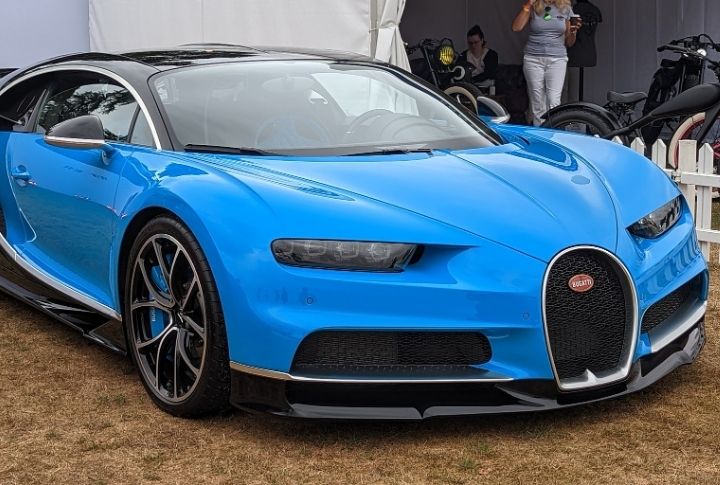
Launched in 2016, the Bugatti Chiron took hypercar performance to the next level. Its quad-turbocharged W16 engine produced 1,479 horsepower, continuing Bugatti’s tradition of combining extreme speed with unparalleled luxury.
Special Editions and Customization
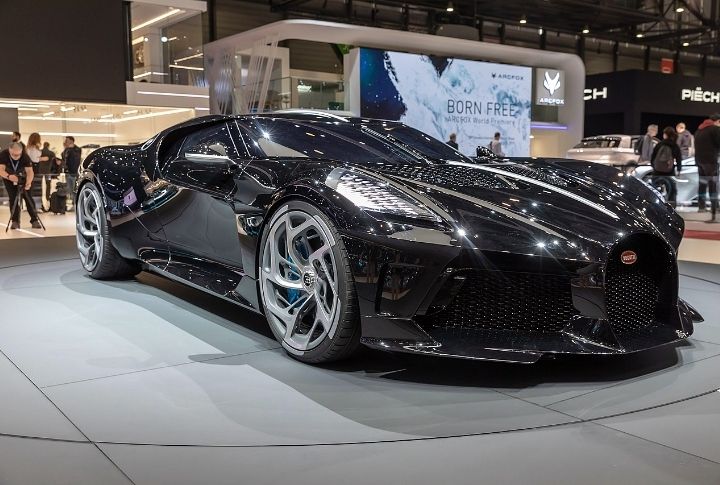
Bugatti is notorious for its limited-edition models and bespoke customization options. Cars like the Divo, La Voiture Noire, and Centodieci offer unique designs and enhanced performance, catering to the brand’s exclusive clientele.
Electrification and Future Vision
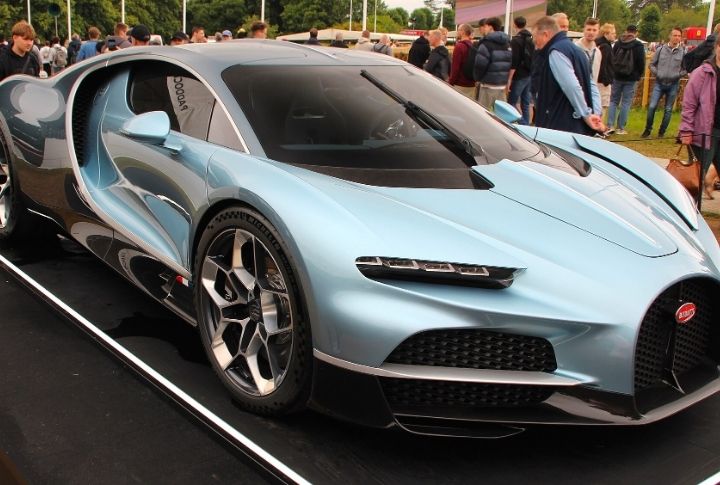
Recently, the car manufacturer announced plans to embrace electrification while maintaining its performance heritage. Collaborations with Rimac and the development of hybrid and electric hypercars signal Bugatti’s commitment to innovation and sustainability.
Legacy and Cultural Impact
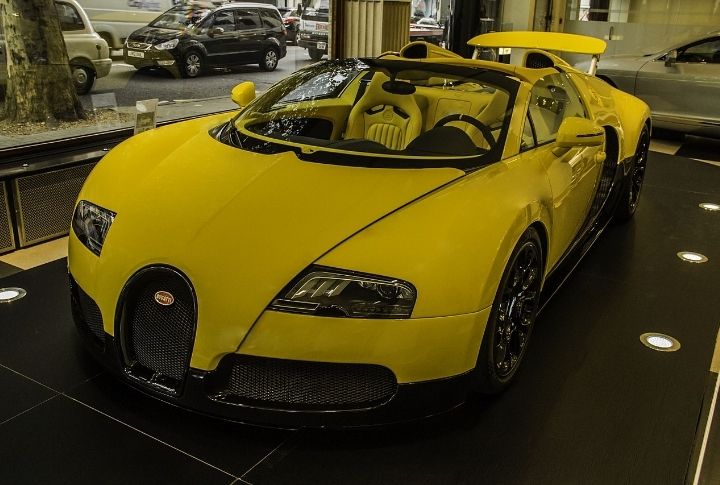
Their influence extends beyond the automotive world into popular culture and art. The brand’s commitment to craftsmanship, design, and performance inspires enthusiasts and collectors, cementing its place in automotive history for generations to come.