The 15 Hottest Car Colors On The Market
Car colors reflect evolving tastes, technological advancements, and cultural trends of every era. Today, automakers offer hues beyond the traditional ones, and these new shades enhance the aesthetics of vehicles and resonate with car owners’ preferences. Here’s a look at the 15 most popular car colors, why they are attractive, and their possible drawbacks.
White
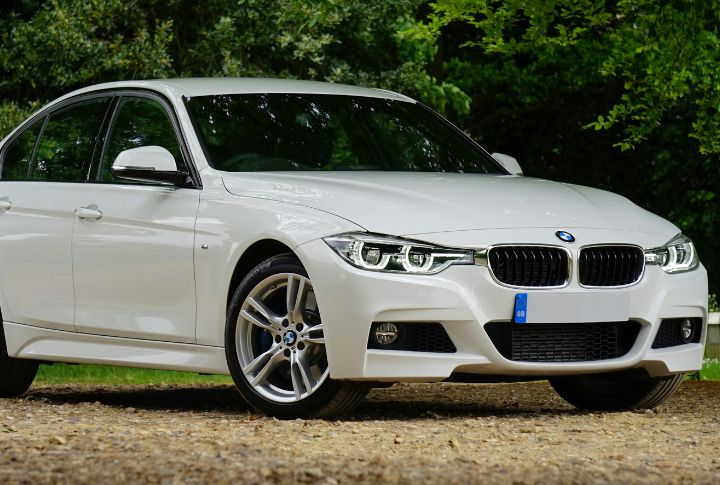
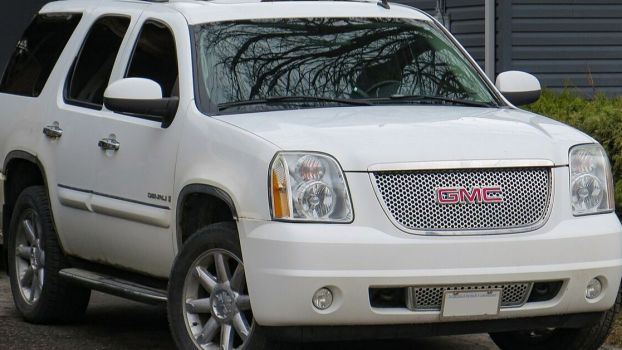
White is a popular car color with significant appeal. Its classic look elicits purity and sophistication, often making vehicles appear larger and more elegant. The color is associated with modernity, and white cars are known for their ability to stay cooler in hot weather. Despite their popularity, they tend to show stains readily.
Black
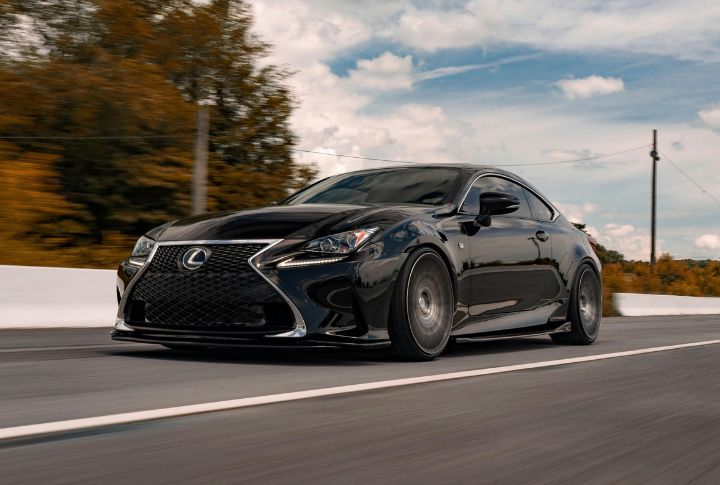
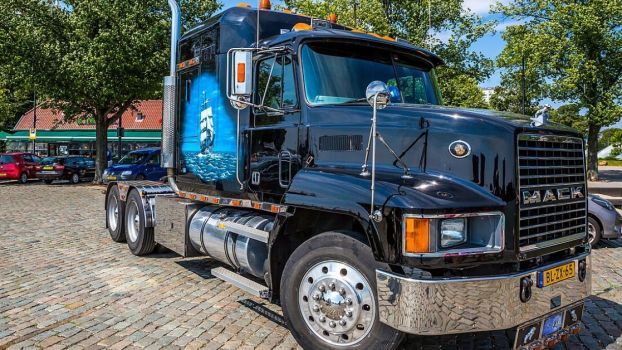
The sleek and polished exterior that characterizes black automobiles complements any vehicle’s curves and lines. Black is often known for formality, and high-end brands feature it prominently in their lineups. Furthermore, due to their allure, black vehicles are valued well in the resale market. However, they make dirt and scratches more pronounced.
Gray
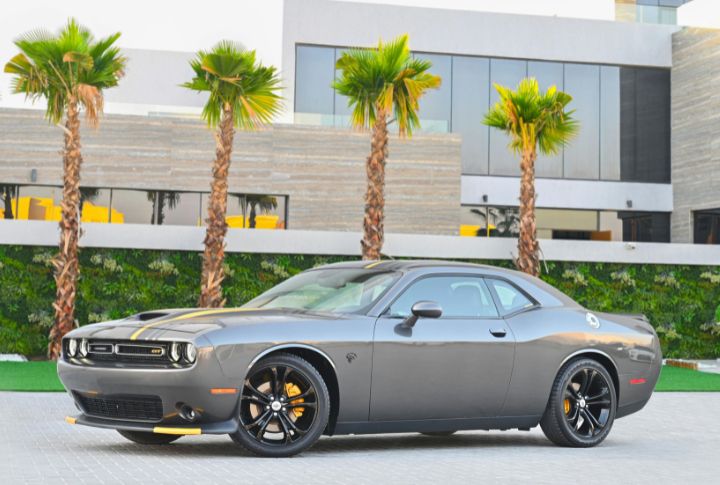
Recently, gray has become a famous car color, reflecting a mix of modernity and practicality. The color symbolizes neutrality and balance to some, while others appreciate its calm professionalism. Because gray masks dirt, it is the practical choice for those desiring low-maintenance exteriors. Still, gray cars can be less visible in poor weather conditions.
Silver
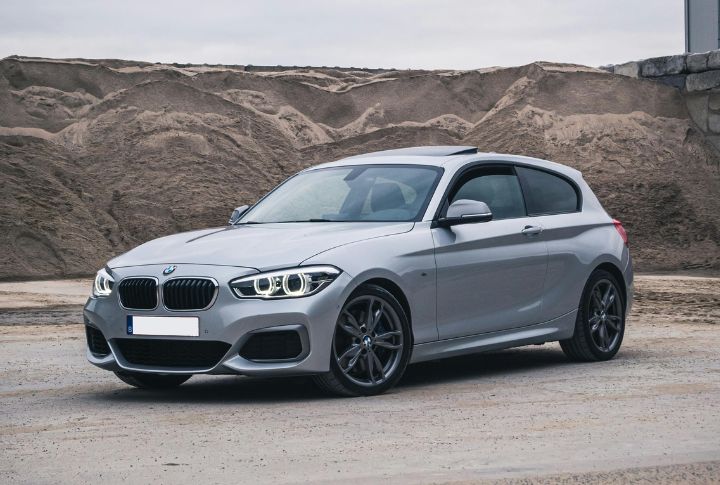
Silver is a favored color in the automotive industry because it stands for technological advancement and luxury. Its ability to reflect light while hiding minor blemishes gives cars long-lasting elegance. These advantages notwithstanding, silver automobiles are barely visible, particularly in low-light conditions. Moreover, matching the exact hue for repairs and touch-ups can be tricky.
Blue
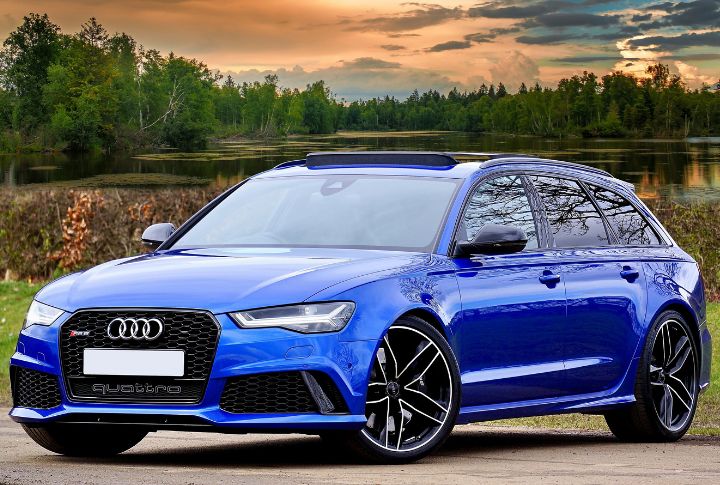
Many people love this color because of its calmness, reliability, and serenity. Lighter shades can stir freshness and tranquility, while darker blues project beauty. Automakers offer various tones because they complement a car’s lines and design features well. Conversely, maintaining the vibrancy of the blue color requires regular washing and waxing to prevent fading.
Red
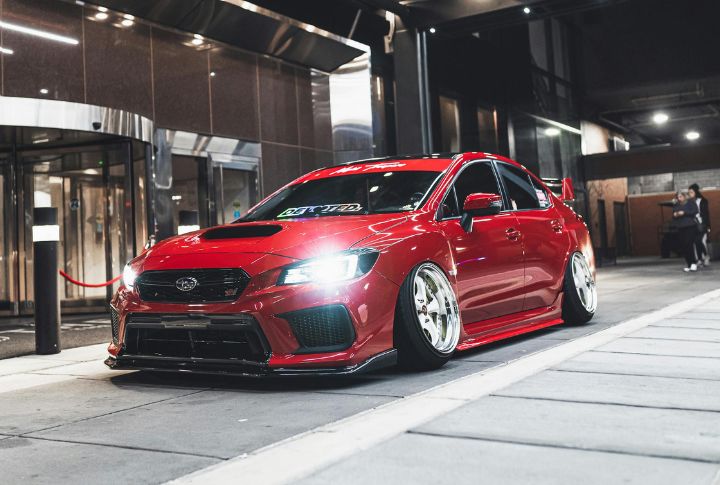
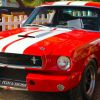
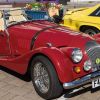
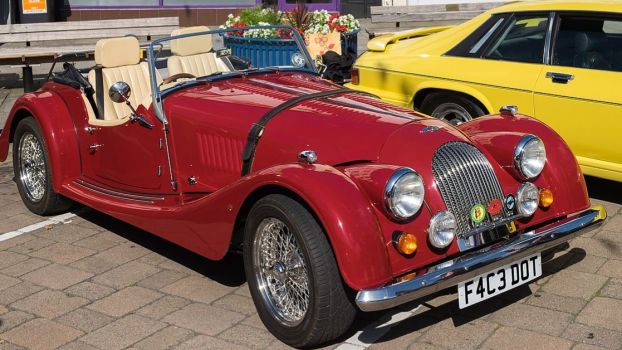
Symbolizing power and excitement, red cars stand out on the road and are associated with passion. However, the color can be more susceptible to fading. Also, red autos might have slightly higher insurance premiums due to the perception of the higher risk connected to their striking color. Still, red’s attraction remains undeniably strong.
Brown/Beige
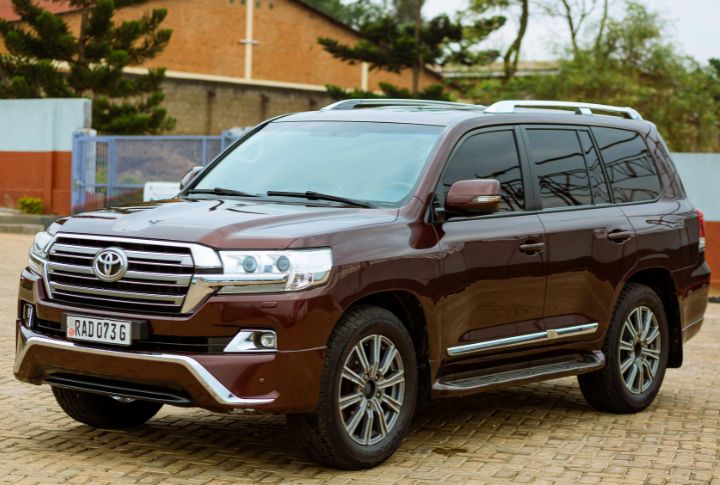
Earthy tones like brown and beige evoke warmth and harmony. Often perceived as timeless colors, the duo age well and maintain their attraction through the years. In an automotive world dominated by monochromatic blacks, whites, and grays, these colors allow owners to express their individuality while maintaining a sense of refinement. Sadly, brown and beige, though popular, are less readily available than conventional options.
Green
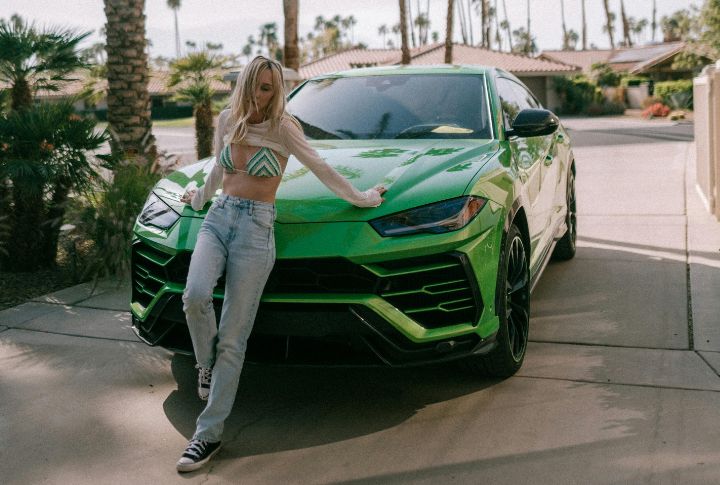
Green colors drive environmental consciousness and harmony with nature. Standing for freshness, growth, and renewal, the color aligns with the increasing call for sustainability. A consistent shift towards eco-friendly lifestyles is reflected in the automotive industry with the rise of green-colored autos. Yet, finding the exact shade for your car can still be challenging.
Yellow
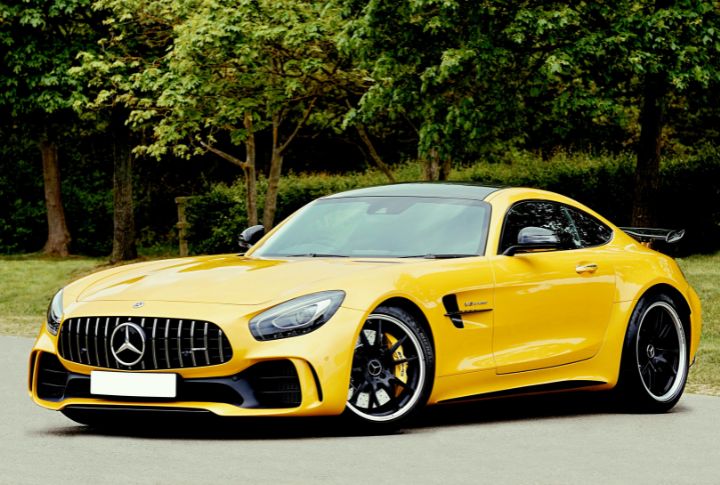
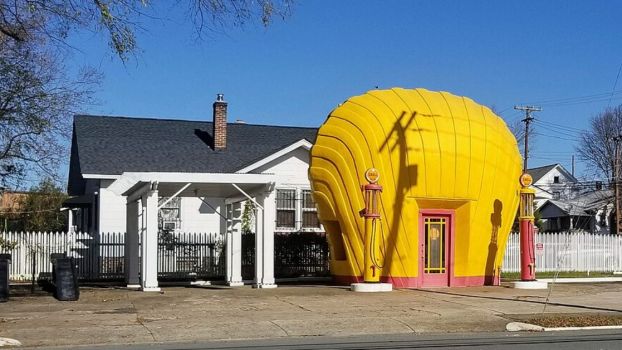
With its energetic presence, yellow is increasingly becoming a color of choice. Beyond its eye-catching appeal, the color signifies optimism and is sometimes associated with speed and dynamism. Yellow stands out amidst the sea of more common tones, making a bold appearance for those who crave attention and want to stand out from the crowd. It needs constant cleaning and maintenance to keep it looking fresh.
Orange
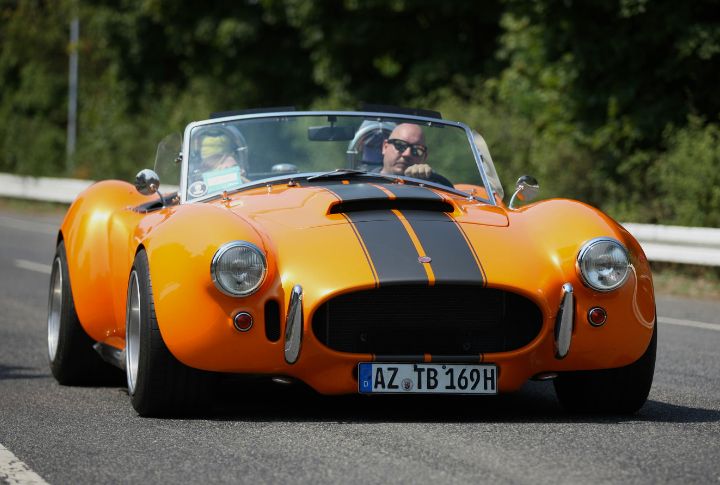
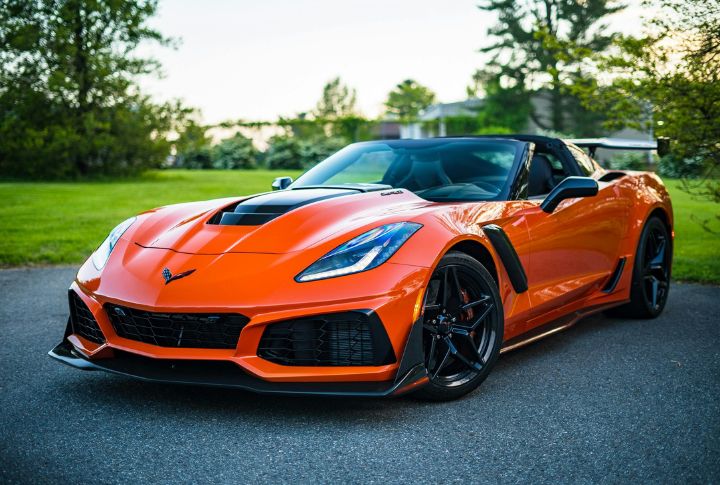
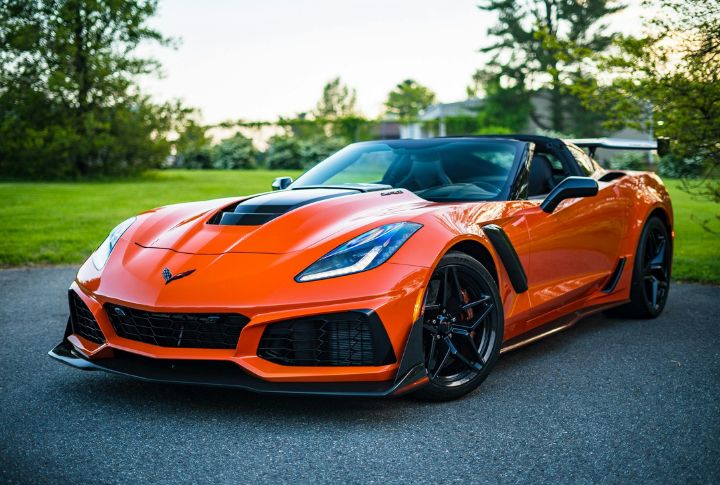
Orange is closely related to energy and creativity. Cars sporting this dynamic color are often unique and appeal to those seeking to express their peculiarity. A significant concern about orange is its potential impact on cars’ resale value, as not everyone may share the same affinity for it. The color is also prone to fading or discoloration with time.
Gold
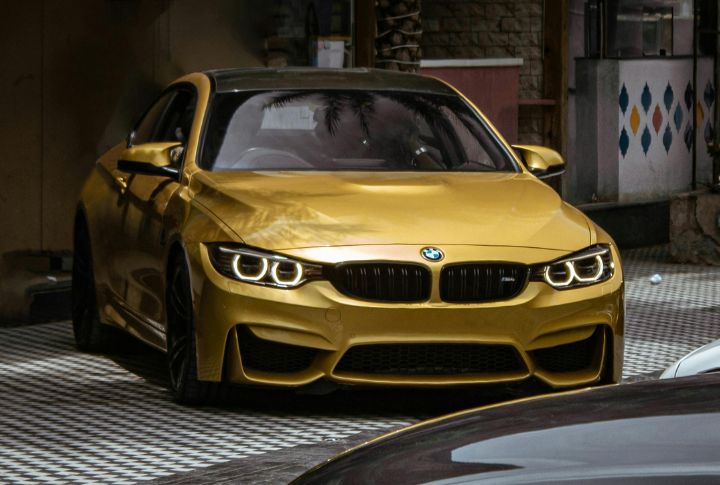
People who like commanding admiration find gold cars appealing. This quality makes the color popular among high-end car manufacturers. A common setback with having a gold-colored car is that any blemish or scratch becomes more visible. Furthermore, finding the right shade that complements the car’s peculiar design can take time and effort.
Purple
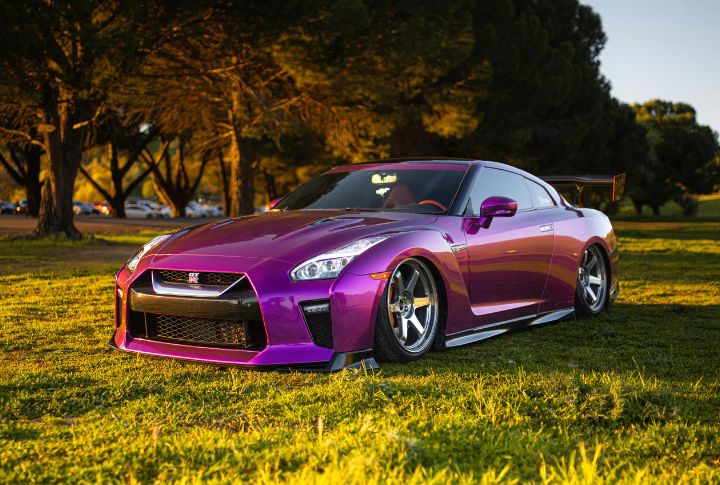
Rare and regal, purple cars have steadily increased in demand, particularly among the younger generations. They exude individuality and style and stand for royalty and power. These qualities add an element of prestige to the vehicle and its owner. One problem, however, is that finding matching accessories can be tasking, and upkeep may be demanding.
Pink
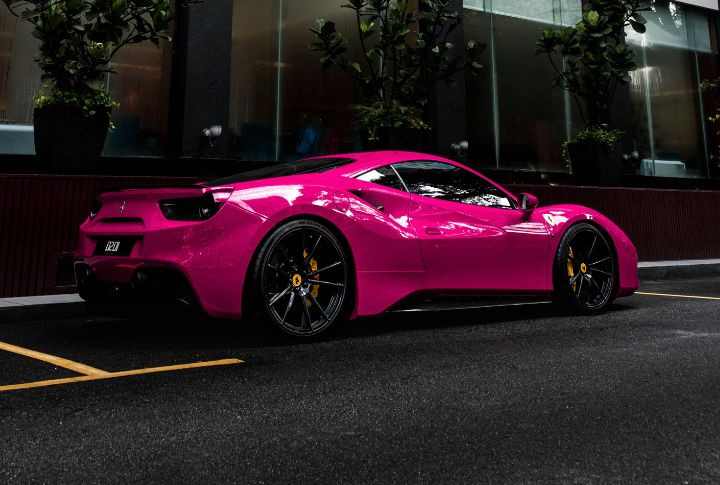
Pink often resonates with femininity, youthfulness, and fun, and its vibrancy can evoke joy and optimism. Over time, pink has evolved, transcending gender norms and appealing to a broader audience who appreciate its expressive nature. While the color may attract attention, not all attention is positive, as some still see the car as unconventional.
Turquoise/Teal
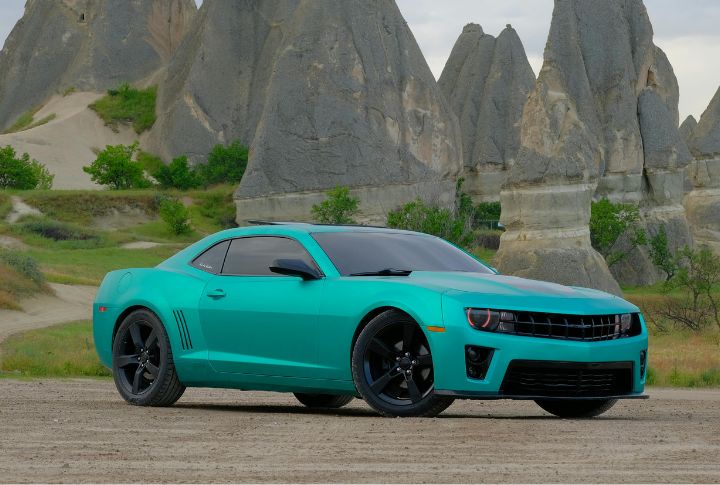
A Turquoise or Teal car demonstrates uniqueness because these colors are not standard. They often evoke calmness and serenity, creating a relaxing atmosphere for drivers. Furthermore, the duo maintains their charm longer, potentially enhancing the vehicle’s resale value. The main issue with these colors is finding an exact match needed for repainting.
Ivory/Cream
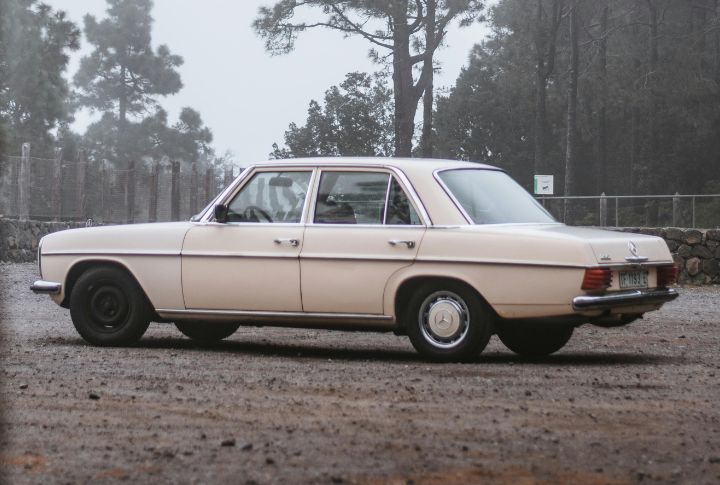
Light colors like Ivory and Cream reduce the need for air conditioning by maintaining a cooler cabin temperature. However, their brightness makes them more prone to fading over time, especially if not adequately cared for. Because some buyers may prefer traditional colors, the resale value of these cars can be low.