The History of Jeep’s Rise to Iconic Status
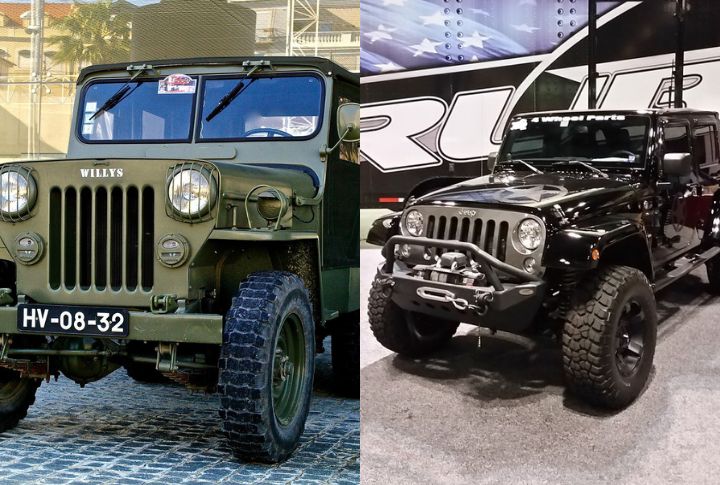
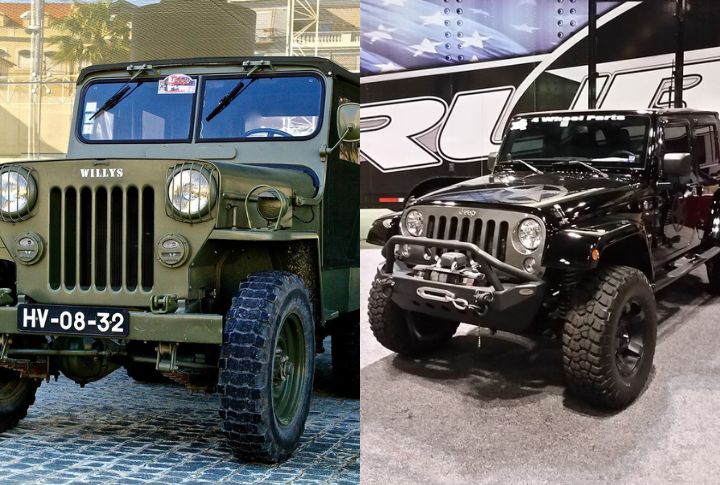
The Jeep brand’s reputation stems from its legendary off-road capability, rooted in World War II. Today, the Jeep Wrangler remains the closest descendant of the original Willys. The full Jeep lineup spans many cars, including the compact Renegade, the luxurious full-size Grand Wagoneer, and the Gladiator pickup truck. This evolution highlights Jeep’s journey from The War to the Rubicon Trail.
The Beginnings
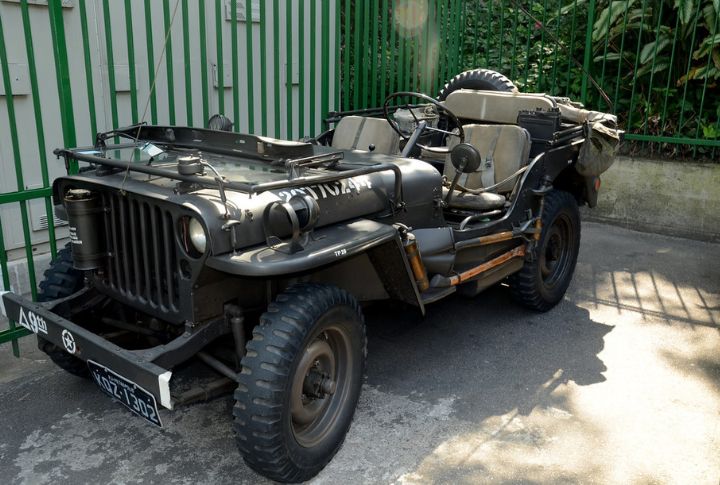
The U.S. military sought a “light reconnaissance vehicle” in 1940 to replace motorcycles and modified Model-T Fords. Some specifications included a 4-wheel drive, a 2-speed transfer case, short wheelbase, and lightweight. Three companies responded to this call: American Bantam Car Manufacturing Company, Ford Motor Company, and Willys-Overland. Each company produced a prototype vehicle to meet the military’s requirements. Willys created the Quad, whose design was completed in a short 75 days.
The Jeep
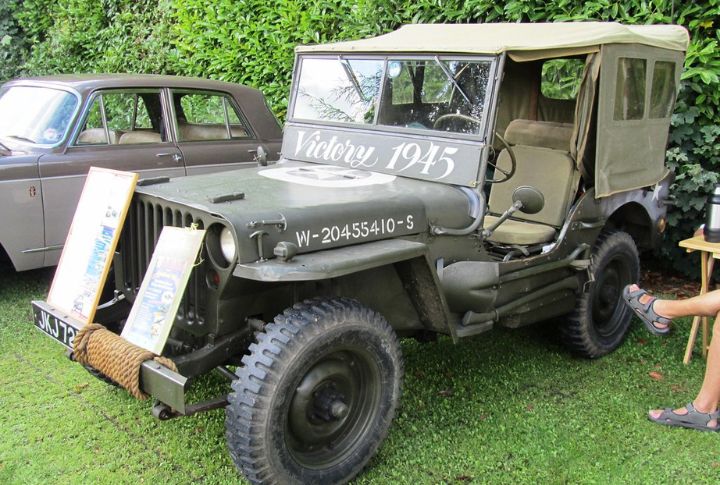
Willys was ultimately selected as the primary manufacturer, with their Quad model evolving into the M.A. and then the M.B., incorporating features from all three prototypes. The origin of “Jeep” remains uncertain. It could be derived from the military abbreviation “G.P.” for “General Purpose” or inspired by the Popeye cartoon character “Eugene the Jeep.” Regardless of its etymology, the Jeep name became firmly established.
Development and Production of the Willys MA and M.B.
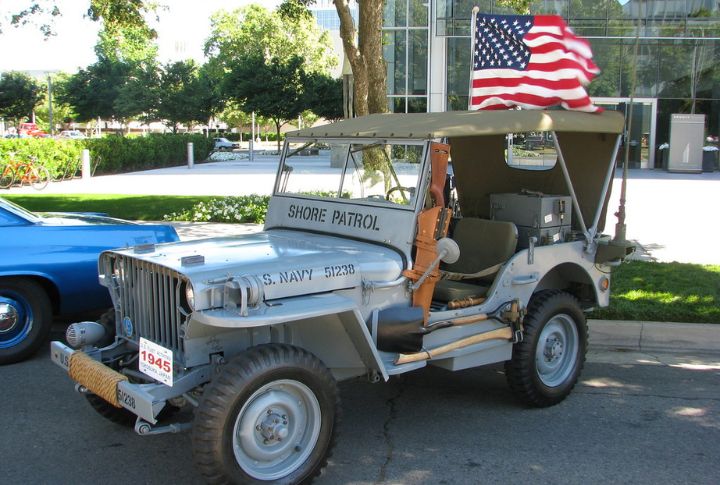
Willys struggled to meet the Army’s minimum weight specification of 2,160 pounds, necessitating the removal of many items from the minimalist Willys MA. This vehicle featured a gear shift on the steering column, two round instrument clusters, low-side body cutouts, and a hand brake on the left side. This second-generation M.B. had numerous add-ons, which resulted in an approximately 400-pound increase in its weight. Ultimately, Willys-Overland produced over 368,000 vehicles for the U.S. Army!
Jeep CJ-2A: 1945–1949
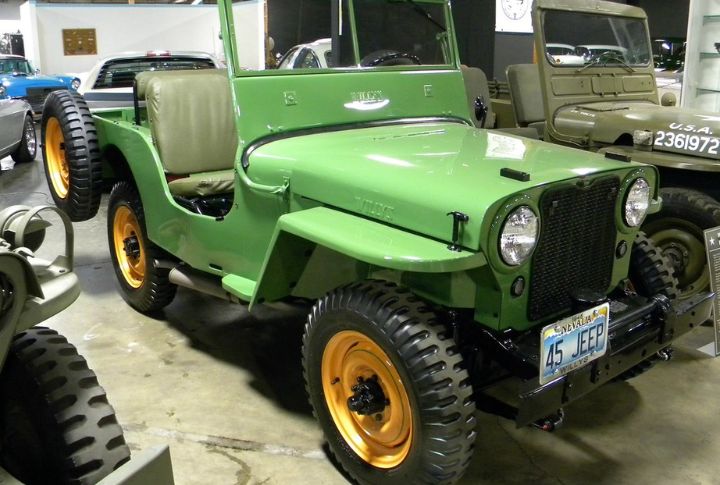
After World War II, Willys introduced the CJ-2A in 1945, marketing it for both vehicle and mobile power use in farms and industries. It featured upgrades like a tailgate, side-mounted spare tire, and larger headlights, powered by a 134-cubic-inch 4-cylinder engine. The CJ-3A, sold from 1949-53, kept the design with improvements, including a one-piece windshield and dual bottom-mounted wipers.
Willys Station Wagon: 1946–1965
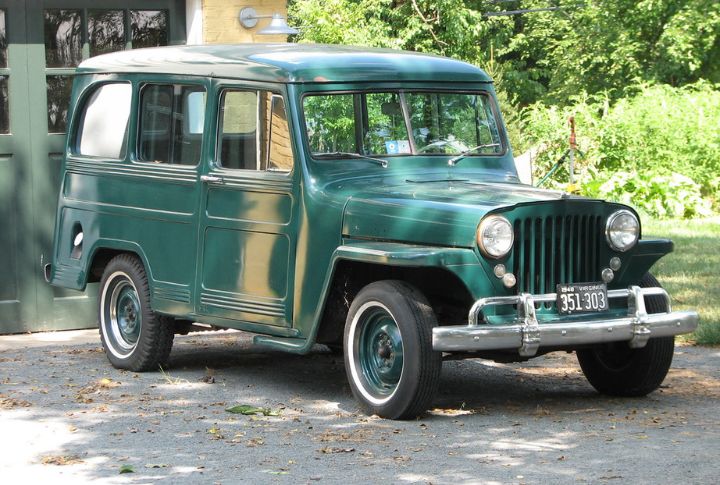
A pioneer in its class, the 1946 Willys Station Wagon was the first all-steel design despite its wood-like paint job. Its innovative fold-down tailgate offered additional cargo flexibility. Unlike most wagons, the Willys could handle a full 4×8 sheet of plywood, not just flat but vertically as well. This advantage was further enhanced in 1949 with the introduction of optional four-wheel drive.
Willys-Overland Truck: 1947–1965
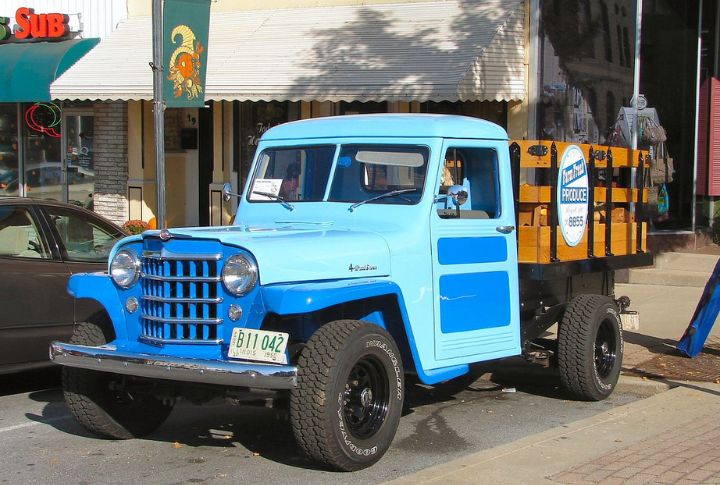
In 1947, Willys-Overland introduced the Jeep Truck, a larger variant of the C.J. featuring a 118-inch wheelbase. Available in pickup, stake bed, cab and chassis, or bare chassis configurations, it offered two-wheel and four-wheel drive. Engine options included the Go-Devil, the 72-horsepower Super Hurricane, and the Tornado. This design endured with minimal changes until the mid-1960s.
Jeep CJ-5: 1955–1983
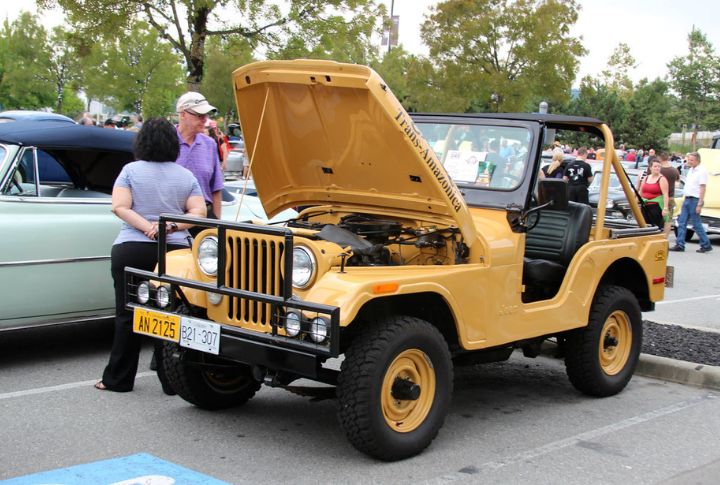
Kaiser launched the Jeep CJ-5 in 1955 as a larger successor to the Korean War M-38A-1 military vehicle. Over its nearly three-decade production span, the CJ-5 evolved with upgrades to engines, transmissions, axles, and comfort features, such as the introduction of a V6 engine in 1965 and later V8 engines by 1973. Under American Motors Corporation’s ownership from 1970 onward, it became a popular choice, with over 600,000 units sold.
Jeep Wagoneer: 1963–1983
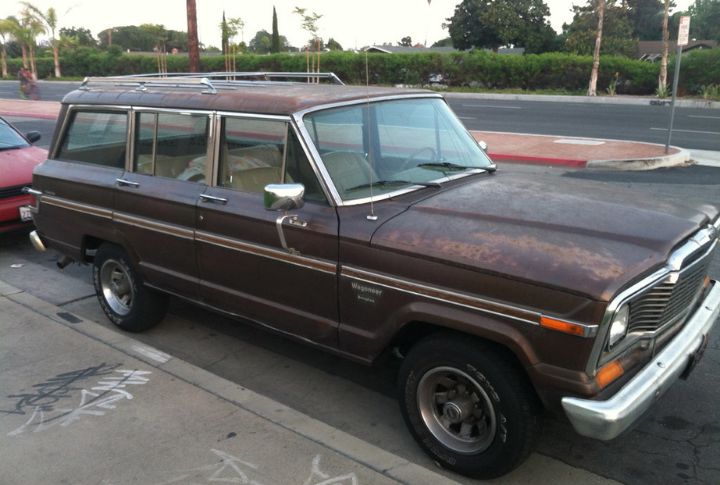
The Jeep Wagoneer, launched in 1962, pioneered luxury SUVs. Designed by Brooks Stevens, it combined comfort with off-road capability, featuring innovations like automatic transmission and independent front suspension. The Super Wagoneer arrived in 1965 with luxury features, and Jeep continued to refine it, introducing the Quadra-Trac 4WD system in 1973. By 1984, it became the Grand Wagoneer to differentiate from a new model based on the Jeep Cherokee platform.
Jeep Jeepster Commando: 1967–1973
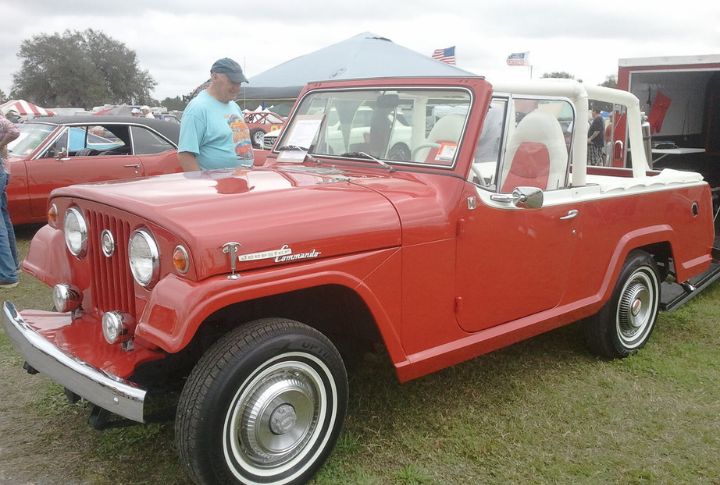
The Jeepster Commando, based on the CJ-6 platform, was designed for leisure enthusiasts. It came in roadster, pickup, convertible, and station wagon versions. The convertible model had both manual and power-operated tops, while the roadster featured removable soft tops. Its suspension raised the bar for ride quality and handling in Jeep vehicles.
Jeep Wrangler (YJ): 1987–1996
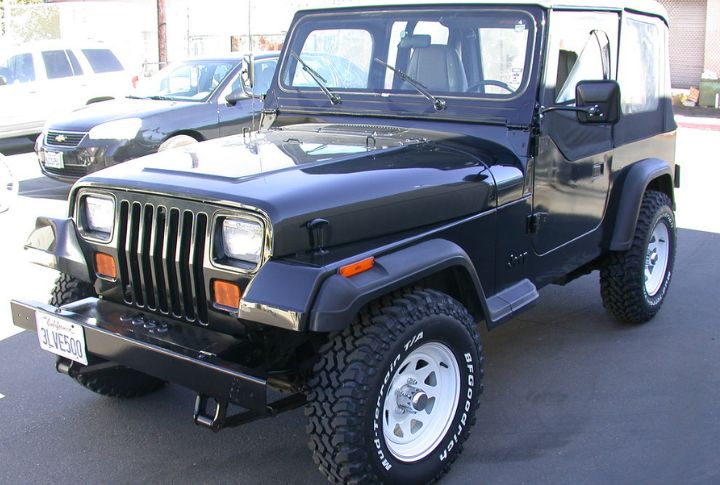
The 1987 Jeep Wrangler featured a modernized design. It featured a wider track, angled grille, rectangular headlights, and improved interior comfort, successfully expanding its market appeal. Over 600,000 units were sold. In August 1987, American Motors Corporation was then acquired by Chrysler Corporation, leading to Jeep becoming a Chrysler division, marking a significant industry change.
Jeep Grand Cherokee: 1993–1998
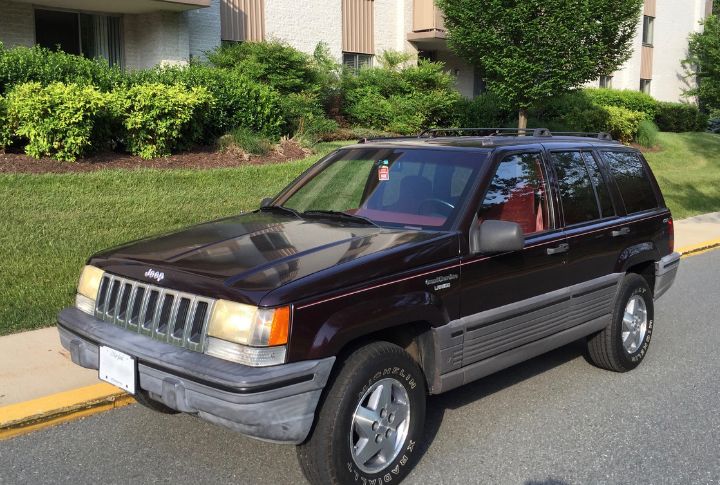
The 1993 Jeep Grand Cherokee, a pioneer in comfort and capability, introduced a refined ride, superb handling, and the first driver’s airbag in SUVs. It offered a 5.2L V8 engine and various all-wheel-drive options. Its counterpart, the Jeep Grand Wagoneer, launched in 1993 with luxury features. Additional models included the Orvis edition (1995-1997) and the high-performance 5.9 Limited in 1998.
Jeep Wrangler (TJ): 1997–2006
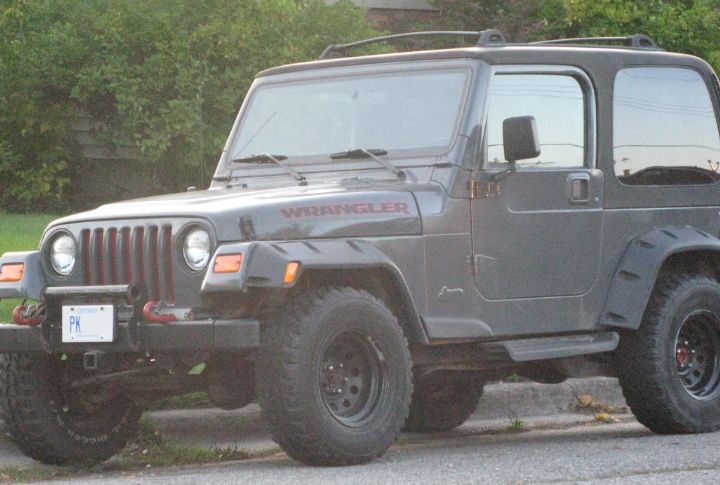
The 1997 Wrangler underwent a retro redesign, swapping square headlights for a style reminiscent of the classic CJ-7 while maintaining its removable doors, fold-down windshield, and options for soft or hard tops. It introduced a new Quadra-Coil suspension for improved on-road comfort over the old leaf springs and enhanced off-road capabilities with higher ground clearance and better approach and departure angles.
Jeep Commander: 2006–2010
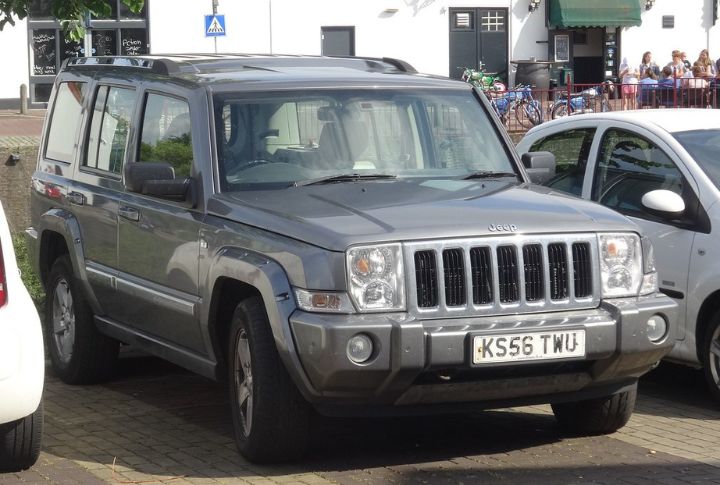
The Jeep Commander, built on the same platform as the 2005 Grand Cherokee, accommodates seven passengers with a three-inch roof step-up for third-row stadium-style seating. Its boxy design, featuring an upright windshield and squared-off sides, resembles the 2008 Liberty. The Commander shares its engine and drivetrain options with the Grand Cherokee.
2021 Jeep Wrangler 4xe: 2021–present
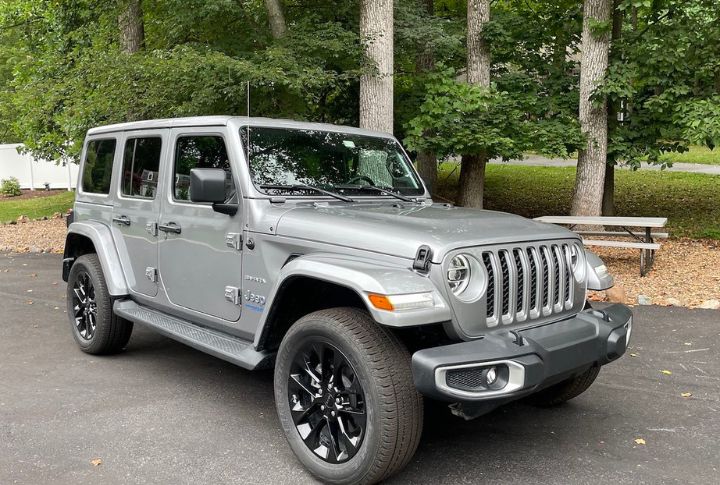
The September 2020 Jeep Wrangler 4xe introduced a plug-in hybrid option combining a 2.0-liter turbocharged gasoline engine with electric motors, delivering 375 horsepower and 470 lb-ft of torque. It offers electric-only operation for up to 25 miles and achieves approximately 50 MPGe. It is designed with sealed high-voltage electronics and can ford up to 30 inches of water, maintaining Jeep’s famed off-road capability with enhanced efficiency.
2021 Jeep Wrangler Rubicon 392: 2021–present
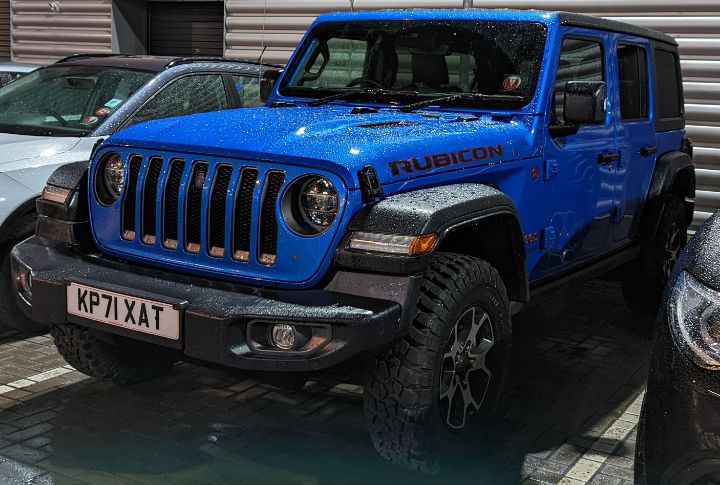
The 2021 Jeep Wrangler Rubicon 392 reintroduced the V8 engine to the Wrangler lineup after 40 years. Designed for rugged terrain, it sits one inch taller than the standard Rubicon and rides on 17-inch wheels with 33-inch off-road tires. Fit with Jeep’s advanced four-wheel-drive system, a solid 6.4-liter unit, and heavy-duty Dana axles with locking differentials, it excels in off-road capability.
Innovation and Adaptability
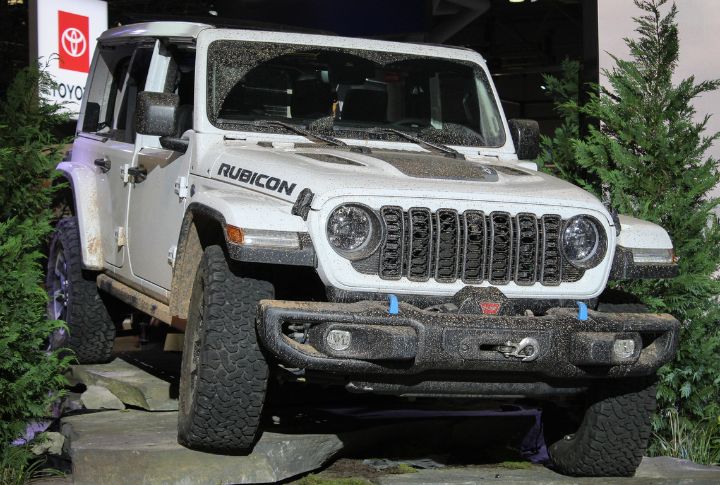
Throughout its history, Jeep’s journey from military roots to modern-day icon status has been marked by constant innovation and adaptability. The brand’s evolution, from the rugged Willys used in WWII to the high-tech Wrangler, has solidified its reputation for unparalleled off-road capability. Each model has contributed to Jeep’s legacy and has ensured its place in automotive history.