The DC-10; 20 Ways It Changed Air Travel Forever
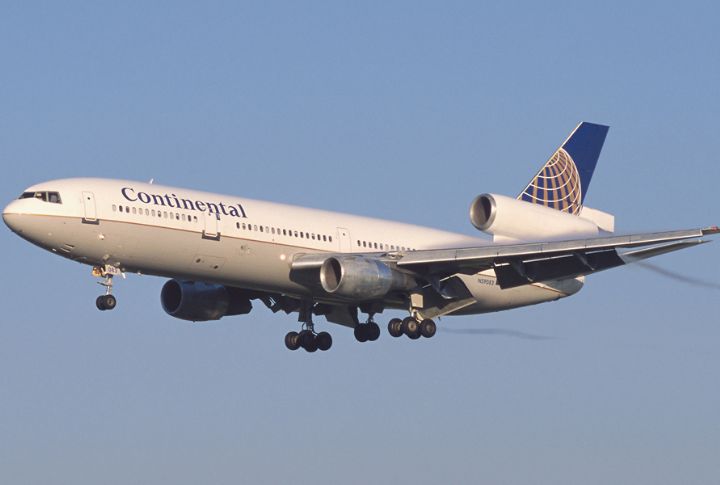
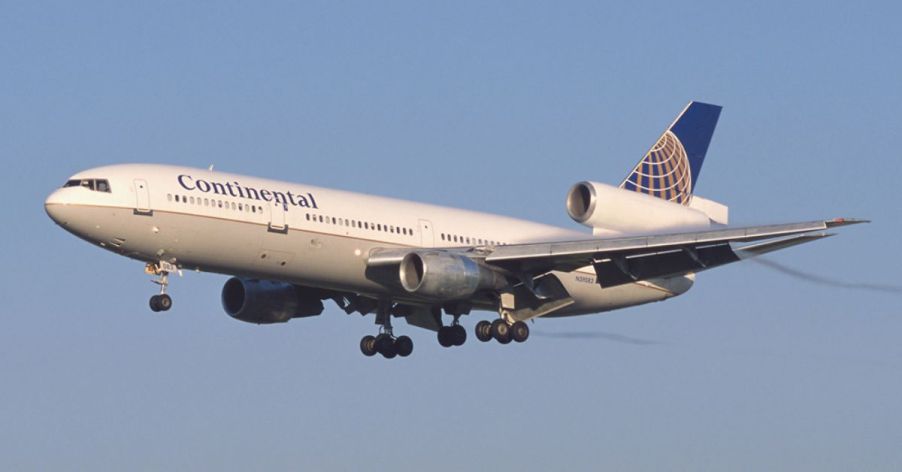
The McDonnell Douglas DC-10, a three-engine wide-body airliner, played a key role in aviation history. It hit the skies in 1970 to replace the DC-8 for long-distance routes. The craft’s unique trijet design, featuring two engines beneath the wings and a third at the tail’s base is only one of the 20 innovative reasons why DC-10 matters for the aviation world.
Innovative Design Choices
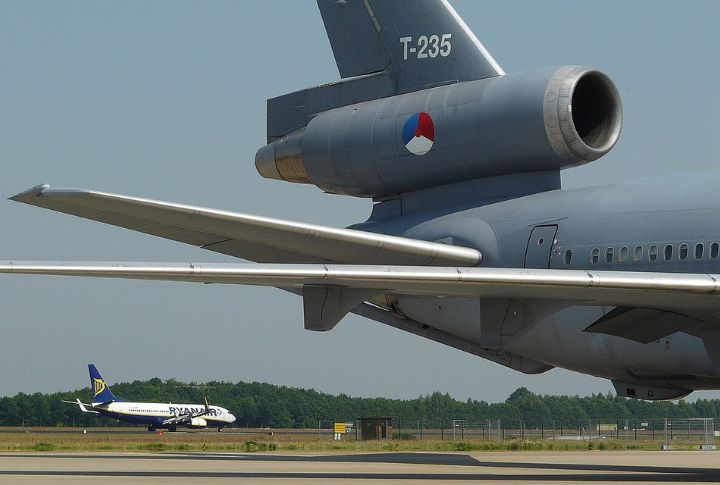
The DC-10’s trijet design, featuring one tail-mounted engine, broke from tradition. Its configuration allowed for efficient long-haul operations while reducing costs compared to four-engine planes. Introduced in 1970, it stood out for its innovative structure, marking a new era in aircraft engineering.
Made Global Connectivity Possible

Entering service in 1971, the DC-10 connected continents with ease. Airlines launched long-haul routes, such as New York to Tokyo, using its range and reliability. Nonstop transatlantic and transpacific flights became accessible, changing the global travel experience and how cities interacted worldwide.
The Cabin Built For Comfort
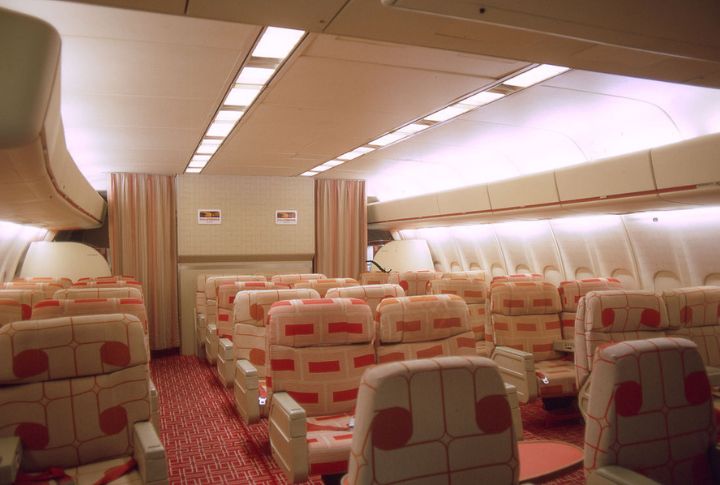
Airlines used its generous interior to provide luxury in first class and convenience in economy class, with wide aisles, large windows, and spacious seating to advance passenger comfort. The DC-10’s cabin layout became a benchmark, setting new standards for usability and comfort during commercial aviation’s golden years.
Avionics Ahead Of Its Time
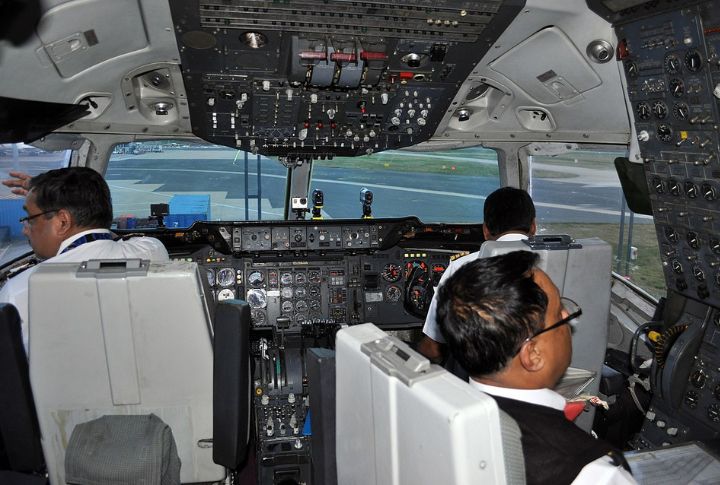
Pilots relied on its advanced avionics, including an automatic landing system, to maneuver safely. Enhanced instrumentation improved low-visibility landings, increasing operational reliability. Engineers introduced the DC-10 during rapid technological evolution, and its features cemented the aircraft’s reputation as a technological advancement.
Making Cargo Cool
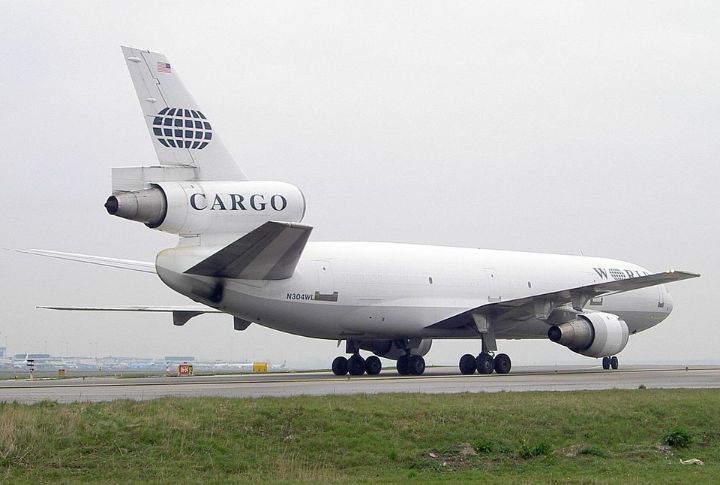
A spacious fuselage and high payload capacity made the DC-10 a reliable cargo workhorse. Freighter models transported goods globally, supporting industries dependent on air logistics. Converted freighters continue operating today, reinforcing the DC-10’s legacy as an adaptable and enduring part of global supply chains.
Game-Changer for Airline Competition
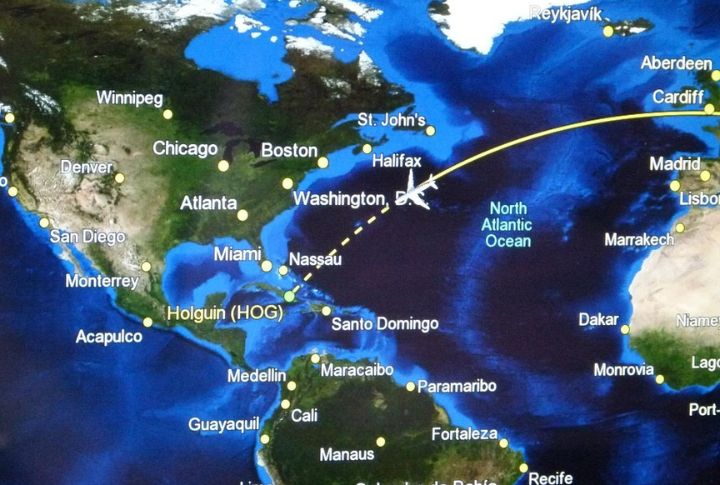
DC-10 was a win for airlines like American and United. It let them quickly expand routes to connect global destinations. Its fuel efficiency and passenger capacity helped carriers cut costs, offer lower fares, and enter new markets. The aircraft redefined airline competition by enabling carriers to provide long-haul services without compromising profitability.
The Unfortunate Tenerife Legacy
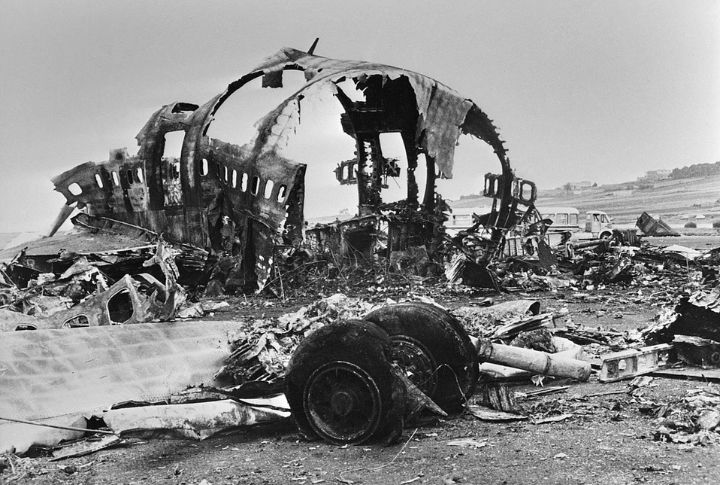
Tenerife’s 1977 disaster, the deadliest aviation accident, highlighted industry-wide safety challenges. Though the DC-10 wasn’t directly involved, its prominence during the era made it emblematic of wide-body aircraft risks. The tragedy spurred regulatory changes that shaped the future of global aviation safety standards.
A Tale of Groundbreaking Partnerships
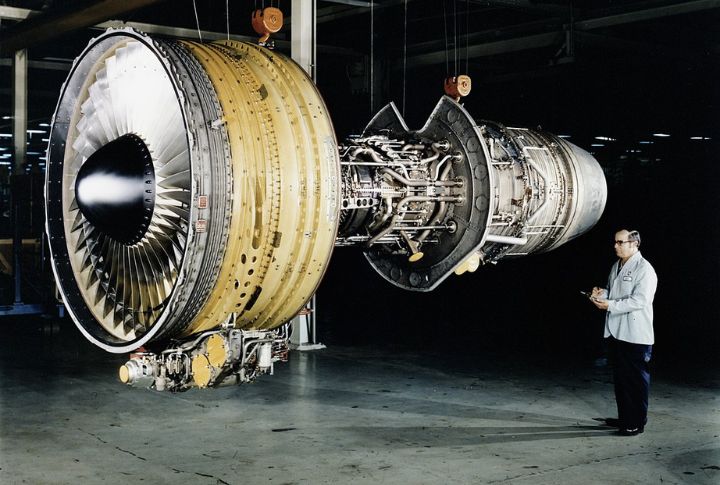
McDonnell Douglas and General Electric teamed up to create the GE CF6, an engine that revolutionized aviation with its durability and fuel efficiency. First powering the DC-10 in 1971, the CF6 became a favorite for long-haul aircraft like the Boeing 747 and Airbus A300, two widely used aircraft.
Popular with Budget Travelers
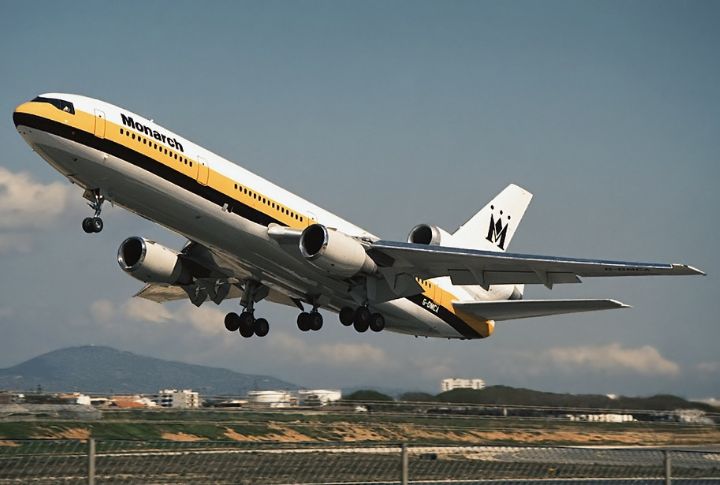
Cost-efficient operations made the DC-10 attractive to budget airlines. Affordable international flights became more accessible, democratizing air travel for millions. By lowering barriers to global exploration, the aircraft redefined accessibility. They brought the dream of flight to passengers who had never flown before.
Skyrocketing Fuel Efficiency

Efficiency in fuel consumption allowed airlines to manage rising costs during the 1970s oil crisis. The trijet design provided an optimal range, speed, and operational economy balance. Its performance during challenging economic times made it a valued asset for commercial carriers worldwide.
Hollywood’s Favorite Plane
Appearances in major films cemented the DC-10’s iconic status. Directors often showcased it in high-stakes action scenes or glamorous travel sequences, leveraging its recognizable silhouette. Movie enthusiasts and aviation fans appreciated its role as a cinematic and real-world aviation star.
Crisis and Comeback
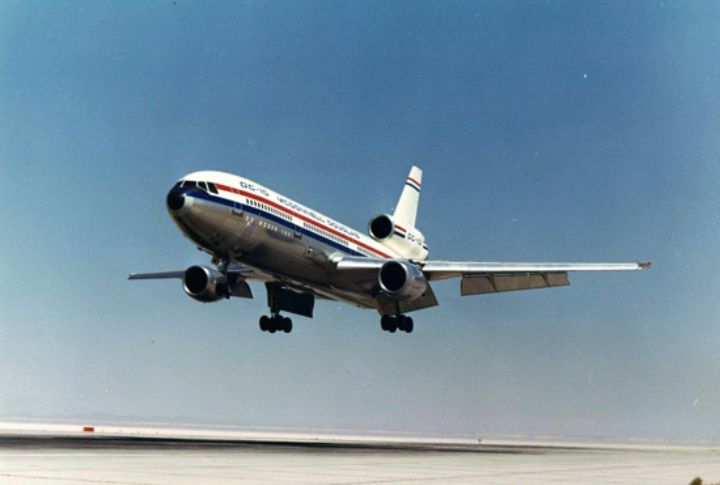
Mechanical failures, including the devastating American Airlines Flight 191 crash in 1979, led to the DC-10 going off-air. McDonnell Douglas went under some design changes and addressed publicly questioned flaws like the cargo door latch system. With safety improvements and FAA approval, the DC-10 returned to service and rebuilt its legacy while ensuring passenger confidence.
Charismatic Crew
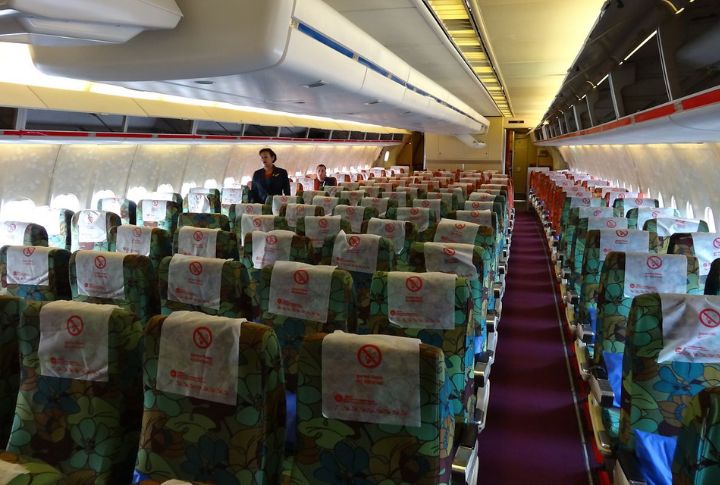
Crews appreciated its user-friendly design. Pilots favored its handling and power, while flight attendants enjoyed the spacious galleys that improved workflows. Balancing the needs of crew and passengers, the DC-10 exemplified thoughtful design that contributed to smooth and enjoyable flights.
Army Adaptations

The DC-10 seamlessly adapted for army use as the KC-10 Extender, an aerial refueling tanker. With its impressive range and cargo capacity, it supported critical missions worldwide. The aircraft’s ability to serve multiple roles reinforced its reputation as a versatile and reliable aviation powerhouse across civilian and army sectors.
Icon of the Jet Age
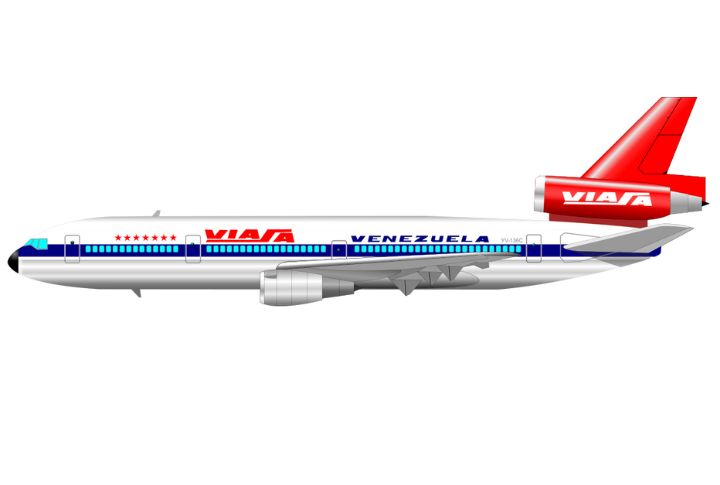
Few aircraft captured the spirit of the Jet Age like the DC-10. Its sleek, modern design and innovative features inspired travelers around the world. As aviation entered a golden era, the DC-10 became the essence of luxury and technological progress, representing an exciting new era in air travel.
A Lifesaver in Crisis
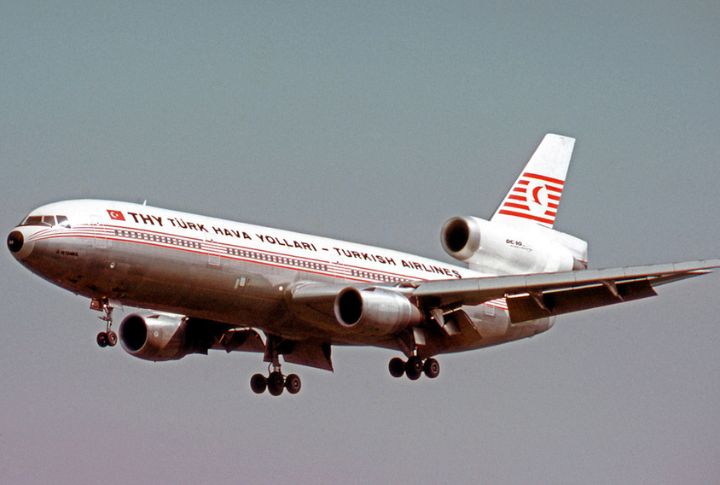
During humanitarian crises, the DC-10 was essential in delivering food, medical supplies, and aid to disaster zones. Its large cargo hold and long-range capabilities made it indispensable for relief efforts. The aircraft’s contribution to saving lives in war-torn and disaster-stricken regions showcased aviation’s ability to provide hope and support.
A Pioneer in Fleet Evolution
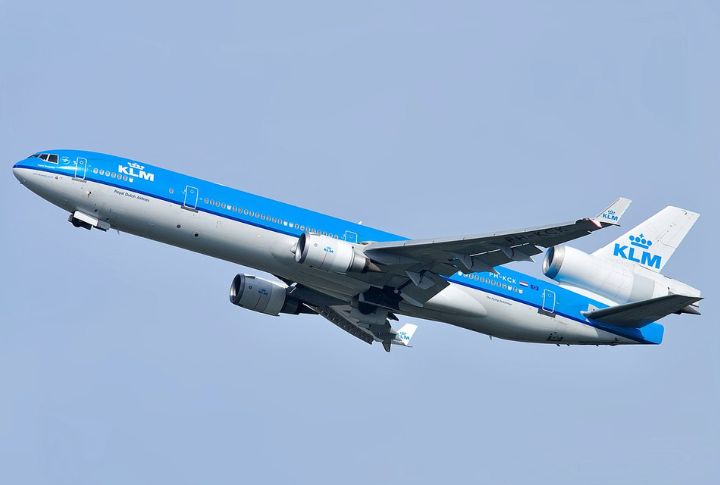
Lessons from the DC-10 informed the design of future wide-body jets like the MD-11. Engineers analyzed its successes and shortcomings, refining materials, aerodynamics, and safety systems. It was pivotal in advancing commercial aviation, influencing fleet designs for generations.
Farewell Flights and Nostalgia
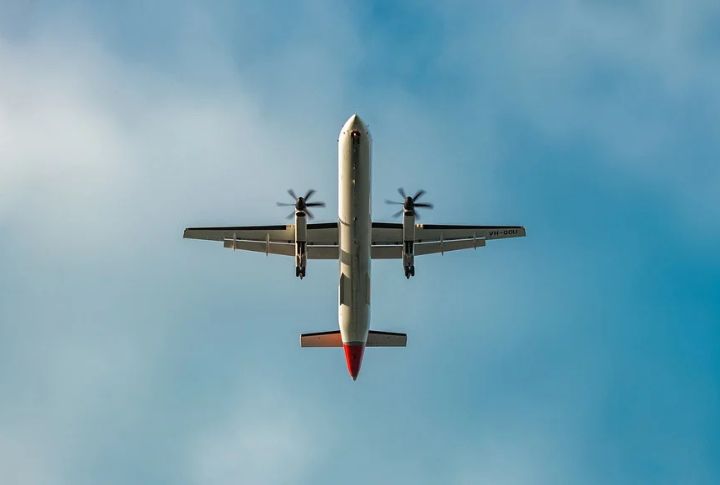
Final flights celebrated the DC-10’s rich legacy. Airlines organized special events, drawing aviation enthusiasts eager to experience its charm one last time. Nostalgic travelers bid farewell to an aircraft that had defined a generation of air travel, creating memories that lasted well beyond its retirement.
A Lesson Of Engineering

Design elements and operational history continue to inform aviation education. Universities and researchers study the DC-10 as a case study in innovation and safety. Its challenges and triumphs are valuable lessons for engineers seeking to advance modern aircraft design and technology.
Still Flying High
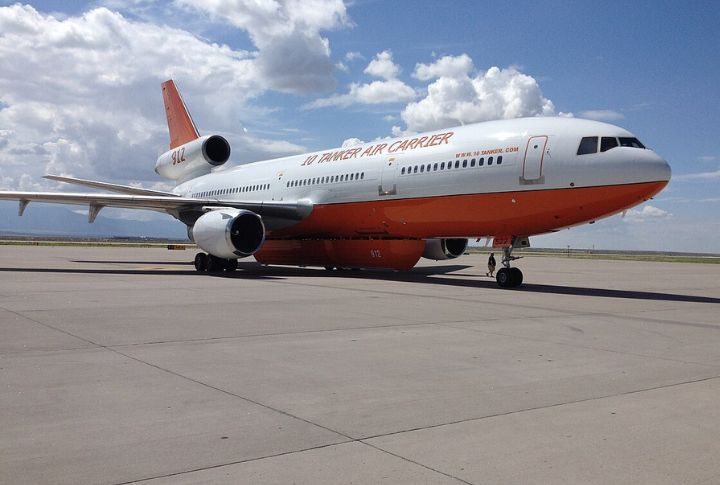
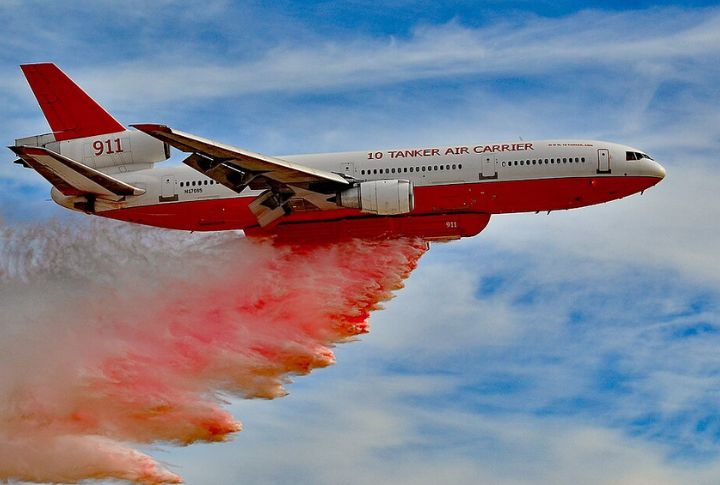
Even after retiring from passenger service, the DC10 steers aircraft like the Tanker 10, a retrofitted firefighting flight that carries up to 12,000 gallons of water to battle wildfires. Its enduring role in cargo transport and emergency operations highlights the strong engineering that keeps this aviation icon soaring decades later.