The Basic Parts Behind These 10 Fancy Supercars
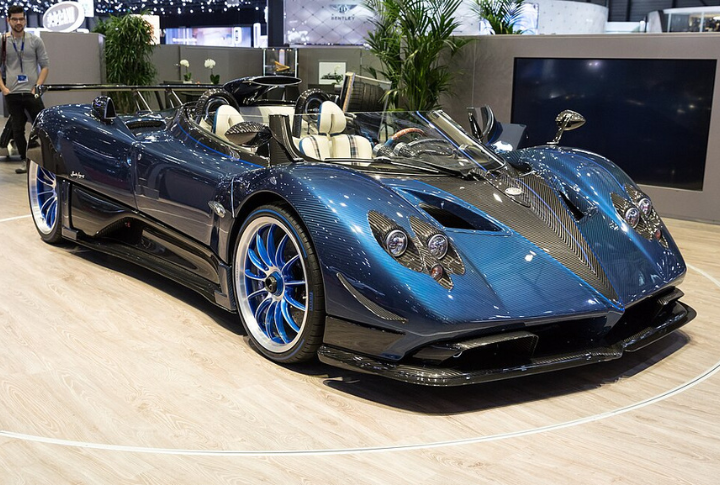
Supercars are celebrated for their leading-edge design, blistering speed, and exclusivity. But beneath the polished surfaces, a few rely on surprisingly ordinary parts lifted straight out of everyday cars. These practical shortcuts reveal a different side of luxury. Here are ten supercars built with pieces you wouldn’t expect.
Lamborghini Murcielago
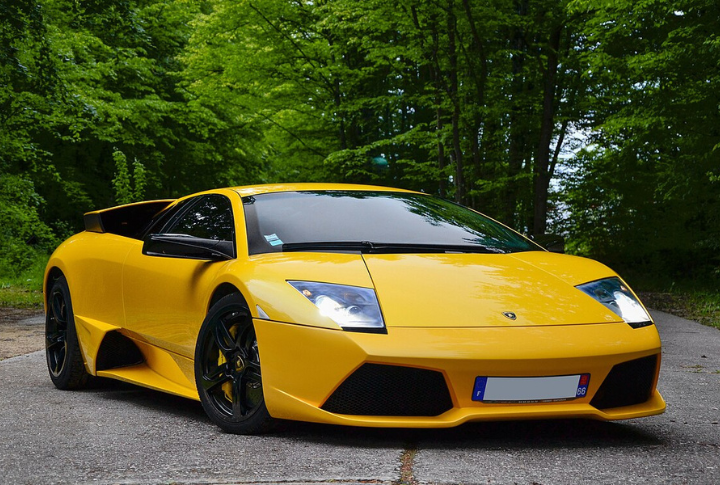
The Lamborghini Murcielago, introduced in 2001, was a defining supercar of the early 2000s. It featured a mid-mounted V12 engine that delivered breathtaking performance. Its side indicator lights, however, were sourced from a 1990s Ford Focus—an unusual contrast to its extravagant design and price tag.
Aston Martin DB7
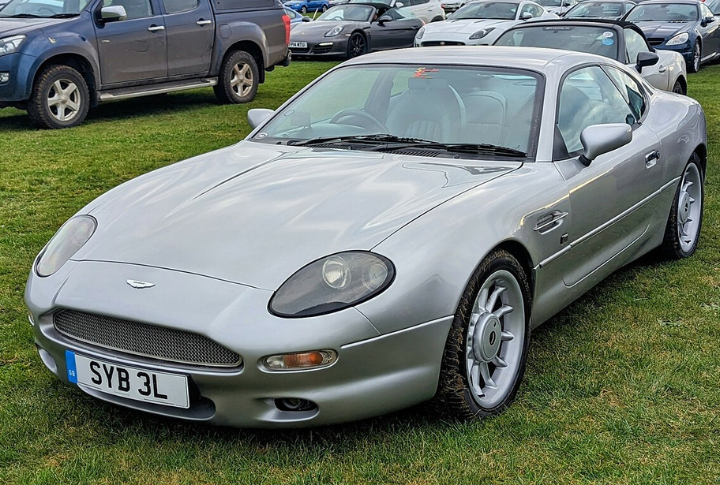
Penned by Ian Callum, it revitalized the brand’s design ethos in the 1990s, merging elegance with performance. Yet, its door handles were lifted from the Mazda MX-5 Miata, a lightweight roadster known for its simplicity. This unlikely pairing ensured seamless integration.
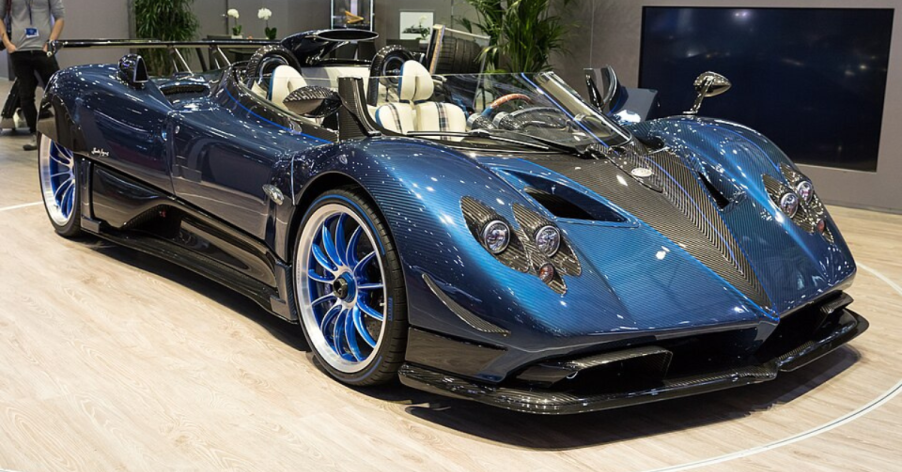
Pagani Zonda
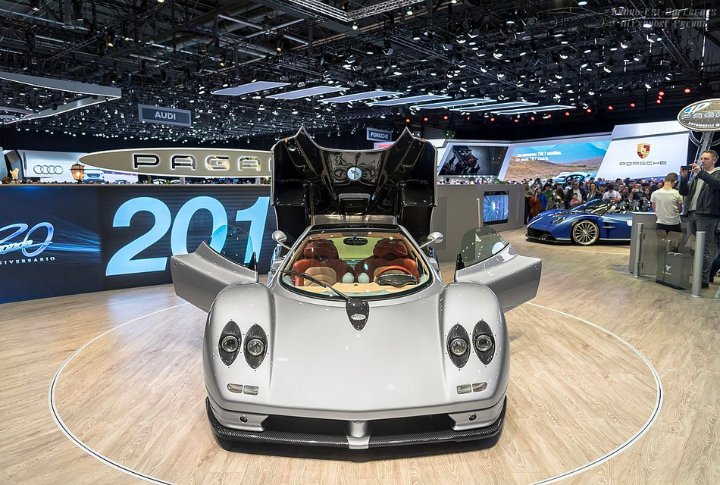
The Pagani Zonda emerged as a bespoke Italian masterpiece, celebrated for its meticulous engineering and distinctive styling. Surprisingly, hidden within its driver-focused cockpit was the climate control unit from a Rover 45, a British sedan. This pragmatic selection allowed for easy integration.
Lamborghini Diablo
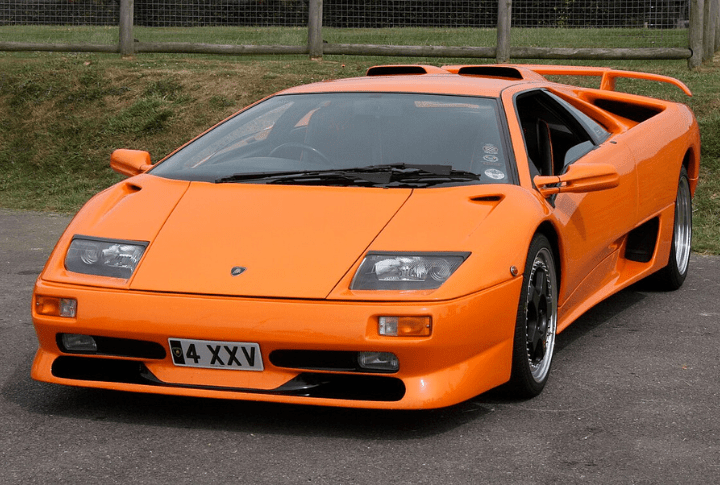
A flagship of the 1990s, the Lamborghini Diablo embodied raw power and dramatic styling. During its late-’90s refresh, the Diablo SV adopted fixed headlights sourced from the Nissan 300ZX. This decision streamlined the car’s aerodynamics while simplifying production—a rare instance where a Japanese sports car lent its practicality to an Italian thoroughbred.
Lotus Esprit
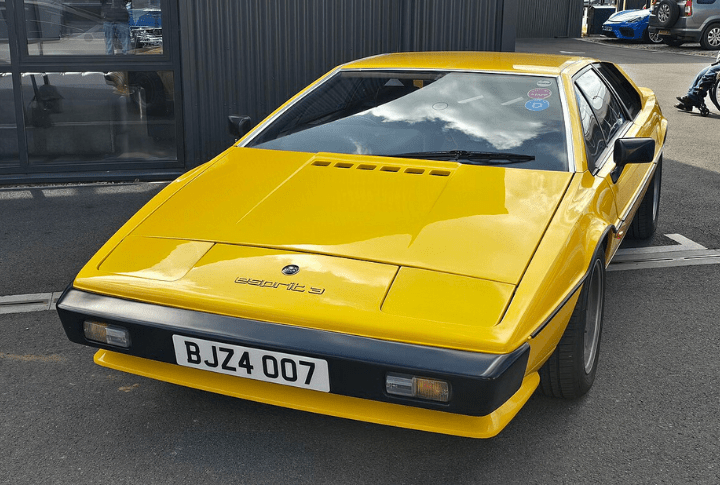
The Lotus Esprit gained fame as a wedge-shaped icon, notably featuring in James Bond films. Among its borrowed components were rear lights taken from the Toyota AE86, a cult-favorite drift machine. This strategic reuse aligned with Lotus’ ethos of lightweight performance.
Ford GT
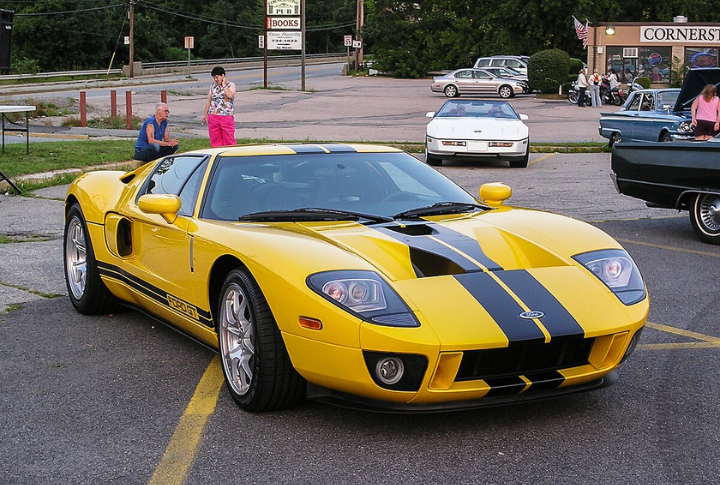
Designed as a tribute to the legendary GT40, the 2005 Ford GT embodied America’s racing heritage. Though built for supercar performance, it borrowed interior switchgear from the Ford Mondeo, a practical family sedan. Window controls, turn signals, and mirror adjusters all came from Ford’s mainstream parts catalog.
McLaren F1
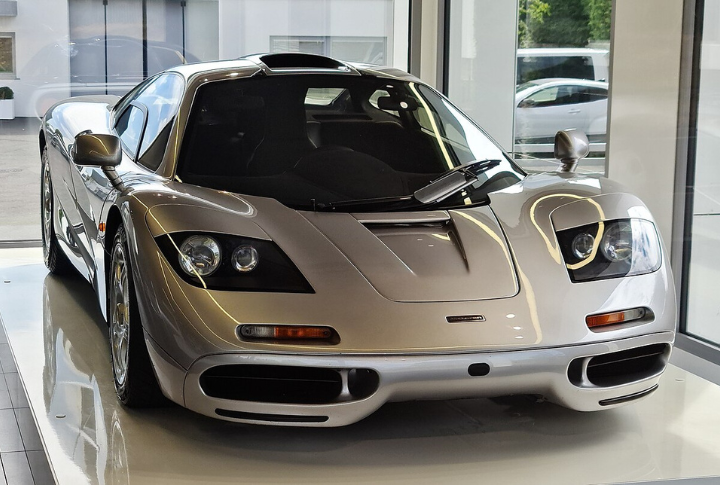
The McLaren F1 redefined hypercars with its groundbreaking three-seat layout and record-breaking speed. Amid its meticulously engineered body and gold-lined engine bay, its taillights were sourced directly from the Bova Futura bus. Gordon Murray, the mastermind behind the F1, believed in using well-designed existing components where possible.
Bugatti Veyron
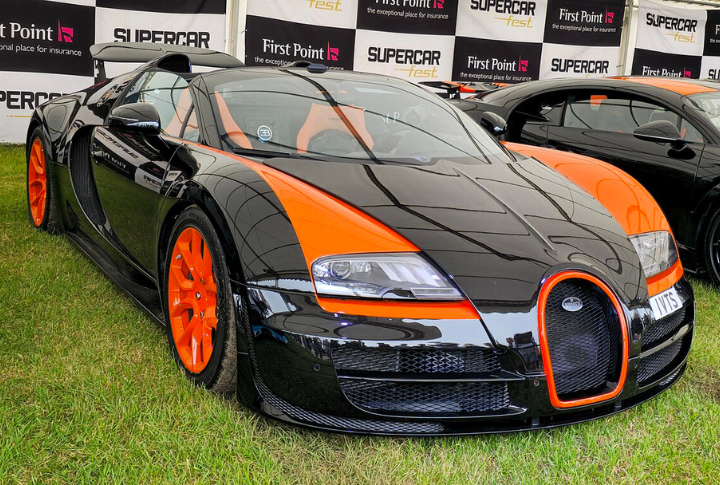
Few cars pushed technological boundaries like the Bugatti Veyron, a 1,000-horsepower machine capable of surpassing 250 mph. Despite its exclusivity, it shared an unexpected detail with the Volkswagen Passat: its key fob. This seemingly ordinary component came from VW Group’s standardized parts bin.
MG XPower SV
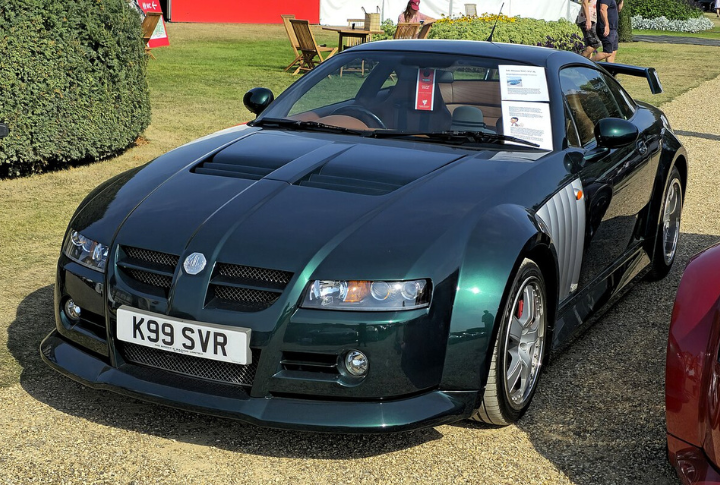
The MG XPower SV sought to shake up the British sports car scene with aggressive styling and potent V8 power. However, its headlights originated from the Fiat Punto, an everyday compact hatchback. These features ensured its high-performance coupe could merge practicality with a fierce road presence.
Qvale Mangusta
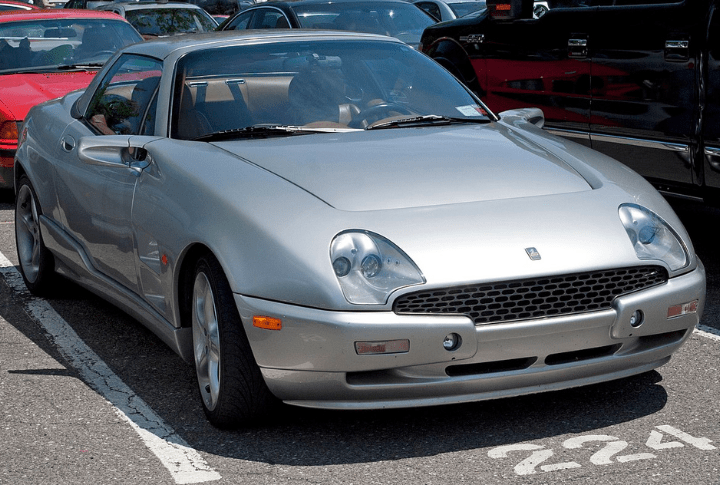
Blending Italian styling with American muscle, the Qvale Mangusta was a rare fusion of cultures in automotive design. Inside, multiple components, including switches and trim elements, were sourced from the Ford Mustang. While its exotic name hinted at European prestige, the Mangusta’s DNA leaned toward raw muscle car accessibility.