Tesla Model Y and Model 3 Owners Are Submitting Car Insurance Claims Like Crazy
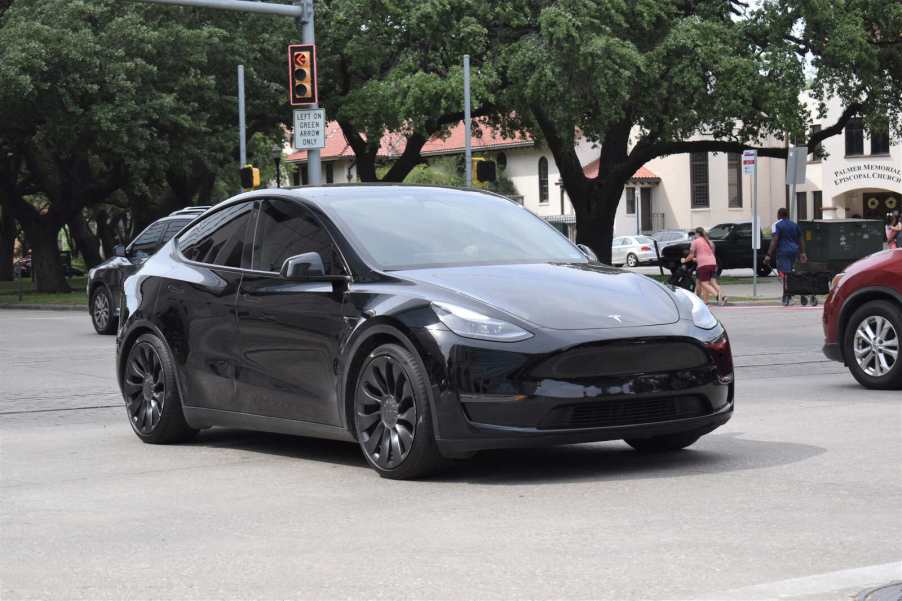
Tesla’s two best-selling models are quietly racking up another kind of record. Data from Insurify shows the Model Y and Model 3 appear in collision insurance claims far more often than any other electric vehicles on the road. We’re talking about nine times the EV average.
What’s more, according to Insurify’s August 2025 EV Insurance Report, average annual insurance premiums for electric cars climbed 16% in the past year.
U.S. drivers can expect to spend around $4,058 on EV insurance, compared with $2,732 for gas-powered cars
That 49% gap underscores how costly it’s become to repair EVs loaded with sensors, cameras, and structural battery packs.
Mitchell is a leading auto repair analytics firm cited in the report. It found that the Tesla Model Y accounted for 29.47% of all repairable collision claims involving EVs in the first quarter of 2025.
The Model 3 followed closely at 26.95%, while the average for all EVs was just 3.12%.
That doesn’t mean nearly a third of all Model Ys or Model 3s on the road were in crashes
Instead, it shows those two models appeared in insurance claim data far more often than other EVs.
This signals that Teslas are showing up in body shop bays at a disproportionate rate.
By the way, the Model X SUV and Model S sedan logged much smaller shares of EV repairable claims (3.68% and 5.22%, respectively).
Still, all four Tesla models remain among the priciest electric cars to insure
The Model X tops the list at $4,765 per year on average. That’s followed by the Model 3, which costs nearly as much to insure despite being roughly half the purchase price.
Repair costs are the main culprit
Insurify’s data shows EVs cost 22% more to repair than gasoline cars and require nearly twice as many labor hours.
High-voltage components, limited aftermarket parts, and manufacturer-controlled repair networks all push costs higher.
In other words, Tesla’s structural battery design can turn a seemingly routine fender bender into a major repair bill.
Regional variation adds more strain
States like Florida and Nevada carry the highest average EV insurance premiums, hovering near $5,000 a year thanks to high storm damage, theft, and fraud rates.
New Jersey and California see smaller price gaps (between 15% and 31%). This is largely due to more mature EV repair networks.
The timing could soon make car insurance even more expensive for everyone
The federal EV tax credit of up to $7,500 is set to expire at the end of September, a move analysts say could slow new sales while keeping insurance rates high as parts and labor shortages persist.
With insurers charging EV owners more for coverage, the costs could easily spill over to gas-powered car coverage, too. They already have for many drivers. If you pay your premiums to an insurance company that offers home insurance as well, you’re also paying for company losses incurred from home claims related to natural disasters in certain states.
Despite those costs, young males remain psyched buyers
Millennials and Gen Z still dominate Tesla ownership, drawn to performance, design, and sustainability. But Insurify’s findings suggest the next frontier of EV ownership might not be the battery. It’s the body shop.